
 Worksheets
development: psychologists
Total questions: 106
Worksheet time: 57mins
Whose theory states:
Personality develops as the child goes through 8 crises and has a negative or positive experiences
Bronfenbrenner
Erikson
Montessori
Piaget
prenatal
2-6
conception to birth
0-6
6-11
infancy and toddlerhood
0-2
11-18
2-6
6-11
early childhood
18-40
0-2
2-6
11-18
middle childhood
6-11
18-40
0-2
11-18
adolescence
0-2
18-40
6-11
11-18
early adulthood
6-11
18-40
11-18
65-death
middle adulthood
40-65
65-death
18-40
0-2
late adulthood
18-40
40-65
65-death
11-18
what is continuous development?
development takes place in stages and you change a lot at the beginning of a stage and not a lot until the beginning of the next stage
development is lifelong, multidimensional and multidirectional, and we can change the way we once learned something
all through life we are building on skills that we already have
what is discontinuous development?
development is lifelong, multidimensional and multidirectional, and we can change the way we once learned something
development takes place in stages and you change a lot at the beginning of a stage and not a lot until the beginning of the next stage
all through life we are building on skills that we already have
what is lifespan perspective?
development takes place in stages and you change a lot at the beginning of a stage and not a lot until the beginning of the next stage
development is lifelong, multidimensional and multidirectional, and we can change the way we once learned something
all through life we are building on skills that we already have
psychosocial development:
involves emotions, social skills, and how you think about yourself/others
involves mental processes, how we think, and internal monologue
involves processes of the body, motor skills, and physical factors
cognitive development:
involves emotions, social skills, and how you think about yourself/others
involves mental processes, how we think, and internal monologue
involves processes of the body, motor skills, and physical factors
biological development:
involves emotions, social skills, and how you think about yourself/others
involves mental processes, how we think, and internal monologue
involves processes of the body, motor skills, and physical factors
What is Erik Erikson's theory based on?
an identity crisis
idk he thought of it
learning from others
ego identity:
identity crisis
the turning point for each stage of development
the resolution of a crisis
conscious sense of self we develop through social interactions
the turning point for each stage of development
crisis
ego identity
conflict
hope
what causes movement from one stage to another in Erikson's theory?
conflict
the resolution of a crisis
ego identity
crisis
-can the baby trust the world to fulfill its need?
-Erikson's 1st stage
trust vs mistrust 0-1
autonomy vs shame and doubt 1-3
will
initiative vs guilt
What virtue is created from Erikson's first stage?
will
hope
trust
love
-want to be in control
-the "no" stage
-Erikson's 2nd stage
identity vs role confusion 13-18
trust vs mistrust 0-1
autonomy vs shame and doubt 1-3
industry vs inferiority 5-12
What virtue is created from Erikson's 2nd stage?
will
hope
purpose
love
-ask questions and want to know why
-Erikson's 3rd stage
autonomy vs shame and doubt 1-3
industry vs inferiority 5-12
initiative vs guilt
will
What virtue is created from Erikson's 3rd stage?
hope
will
competency
purpose
-sense of self
-are we proud of our accomplishments
-Erikson's 4th stage
intimacy vs isolation 18-40
identity vs role confusion 13-18
industry vs inferiority 5-12
generativity vs stagnation
What virtue is created from Erikson's 4th stage?
competency
love
wisdom
hope
-who am I?
-what group do I fit into?
-try out different roles-Erikson's 5th stage of development
identity vs role confusion 13-18
fidelity
intimacy vs isolation 18-40
competency
What virtue is created from Erikson's 5th stage?
fidelity
hope
love
will
-finding balance between work and relationships
-usually when you go back and get missed virtues
-Erikson's 6th stage of development
love
industry vs inferiority 5-12
identity vs role confusion 13-18
intimacy vs isolation 18-40
What virtue is created from Erikson's 6th stage?
hope
fidelity
love
will
-the sandwich stage (between children and parents)
-mid-life crisis stage
-Erikson's 7th stage of development
integrity vs despair
generativity vs stagnation
trust vs mistrust
intimacy vs isolation
What virtue is created from Erikson's 7th stage?
wisdom
care
love
trust
-look back on life
-was my life meaningful or do I have regrets?
-Erikson's 8th stage
identity vs role confusion
intimacy vs isolation
generativity vs stagnation
integrity vs despair
What virtue is created from Erikson's 8th stage?
competency
fidelity
wisdom
hope
Erikson's theory is...
Nature and discontinuous
Nurture and continuous
Nature and continuous
Nurture and discontinuous
Who is someone who has more knowledge than you?
Mrs. Rutkowski
More Knowledgeable Other
Vygotsky
Zone of Proximal Dev.
Talking someone through a skill (as an MKO)
guided participation
scaffolding
Showing someone/modeling how to do a skill (as an MKO)
guided participation
scaffolding
Who says someone has to teach you in order for you to learn it?
Kohlberg
Maslow
Erikson
Vygotsky
The difference between what a child can do with help and what the child can do without any help or guidance.
(a)
what are the 2 ways adults transmit info to children?
slowly
kind
harsh
complex
What does "language is a tool of intellectual adaptation" mean?
we must adapt our language to age and intellectual ability
we must use language as a way to adapt
we must adapt to learn multiple languages
at what age does social speech occur?
1
2
3
4
what is social speech?
talking to yourself (inner)
talking to others
talking to yourself (out loud)
telekinesis
at what age does private speech occur?
1
2
3
4
what is private speech?
talking to yourself out loud
talking to yourself (inner)
talking to others
at what age does silent inner speech occur?
2
3
6
7
what is silent inner speech
inner monologue/talking to yourself in your head
talking to others
talking out loud to yourself
at what age does thought and language merge?
2
3
4
5
6
-does not account for cultural differences
-too much emphasis on language
-discounts child's ability to self teach
problems with Vygotsky's theory
problems with Erikson's theory
Vygotsky's theory is...
nature and continuous
nurture and discontinuous
nature and discontinuous
nurture and continuous
Maslow's first edition hierarchy has 5 steps?
True
False
what are the first two levels of the hierarchy of needs called?
psychological needs
physiological needs
basic needs
safety needs
what are the 3rd and 4th levels called in the hierarchy of needs?
basic needs
deficiency needs
psychological needs
love/belonging
in the hierarchy of needs, what are the first four levels called?
deficiency needs
basic needs
esteem
love/belonging
which needs in the hierarchy of needs were added in the 1970s?
transcendence
aesthetic
esteem
cognitive
How many cognitive development steps did Piaget create?
one
three
four
two
What stage includes an infant exploring the world through sensory and motor contact?
Concrete operational
Preoperational
Sensorimotor
Formal operational
Does the formal operational phase include adolescents to create reason to think in hypothetical terms?
True
False
What is the goal of Piaget's Theory?
To explain the mechanisms and processes by which infants and then children develop into individuals
To track child development as children age.
To finally understand why these hip young kids won't get off his lawn.
To create a road map for cognitive development.
To Piaget cognitive development was a progressive reorganization of mental process as a result of?
Radioactive waste
Biological maturation and environmental maturation.
Nurture as the child development.
Piaget was interested both in how children learned and in how they thought.
True
False
What years are the Preoperational stage of Development
0-2 years
2-7 years
7-11 years
11+ years
If you're teaching a 10th grade history class what stage should your students be at?
Formal operational
Concrete operational
preoperational
senserimotor
what is assimilation?
adding on to a schema
creating a new schema
what is accommodation?
creating a new schema
adding onto a schema
what is conservation?
adding onto a schema
knowing that if something goes out of sight it still exists
knowing that something can change shape but still be the same thing as before (water experiment is an example)
new schema

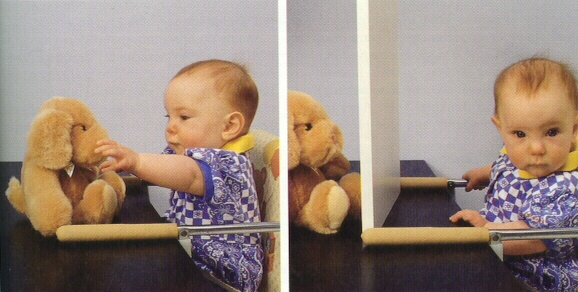
In Piaget's theory, the stage in which infants are only aware of what is immediately in front of them (from birth to about 2 years of age).
Formal Operational Stage
Preoperational Stage
Sensorimotor Stage
Concrete Operational Stage
More logical and methodical manipulation of symbols. Less egocentric, and more aware of the outside world and events.
Sensorimotor
Preoperational
Concrete operational
Formal operational
Use of symbols to relate to abstract concepts. Able to make hypotheses and grasp abstract concepts and relationships.
Sensorimotor
Preoperational
Concrete operational
Formal operational
Development of language, memory, and imagination. Intelligence is both egocentric and intuitive.
Sensorimotor
Preoperational
Concrete operational
Formal operational
___________ believed the stages of development must be met before learning can occur.
Piaget
Vygotsky
______________ believed the learning was a collaboration between the teacher and student.
Piaget
Vygotsky
In Stage 4 why do you NOT steal?
I would feel like a bad person.
It is against the law.
I wouldn’t like it if someone stole from me.
I might get caught and get in trouble.
My son finishes his broccoli at dinner because I promise he can have dessert after.
punishment-obedience
individualism in exchange for favors
good boy/nice girl
law and order
I let my friend copy my homework as I want her to like me. What Stage am I at?
punishment-obedience
individualism and exchange for favors
good boy/nice girl
law and order
social contract
I did not steal the money as I did not want to get caught. What stage am I at?
punishment-obedience
individualism and exchange of favors
good boy/nice girl
law and order
social contract
Laws can be broken if you think the law is unjust. What stage are you at?
punishment-obedience
individualism and exchange for favors
universal ethical principle
law and order
Social contract orientation is a feature of which stage?
Stage 2
Stage 3
Stage 4
Stage 5

