Worksheets
Semester 1 Bio Final
Total questions: 91
Worksheet time: 1hrs 24mins
What part of the scientific method is this an example of?


Water is a universal solvent because it...
It can be found anywhere
It freezes when it gets cold
Floats when frozen
Dissolves more substances than anything else

Why does water move from the roots to the leaves of plants?
Water is pushed by solutes
Capillary action pulls the water molecules up like a chain
Water is pulled by gravity
Water cannot move up roots to leaves

What molecule is this?
calcium
hydrogen
helium
water

A paperclip floating on water is an example of what property of water?
capillary action
surface tension
universal solvent
specific heat index

Water drops being attracted to each other is an example of ____________.
capillary action
adhesion
specific heat index
cohesion

The ability of water molecules to stick to each other, creating surface tension is called:
Cohesion
Adhesion
Insulation
Ph
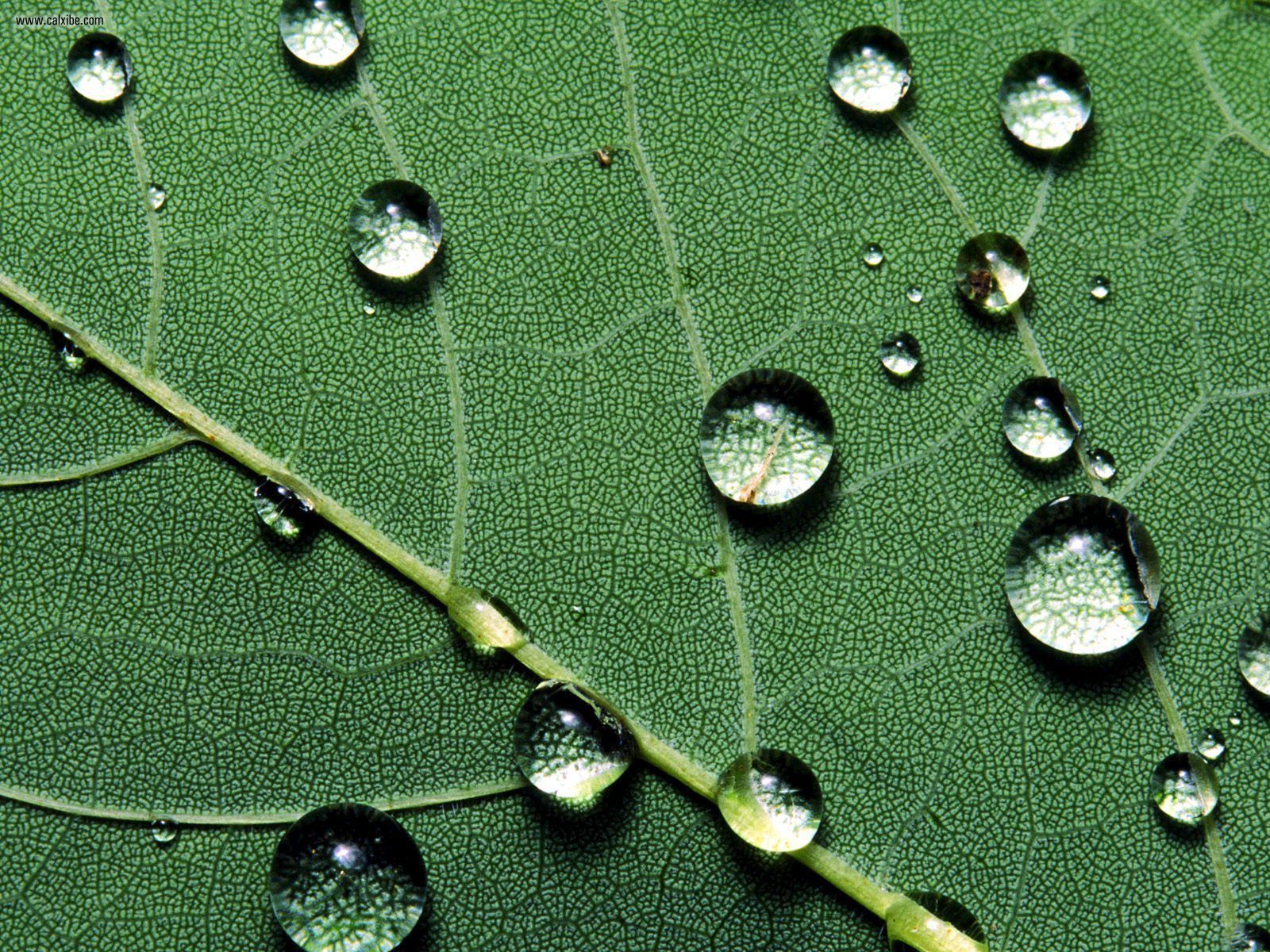
Refer to the picture; the water droplets are sticking to the leaf because of:
Adhesion
Cohesion
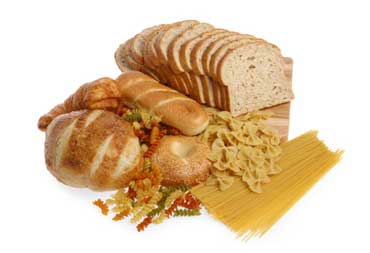
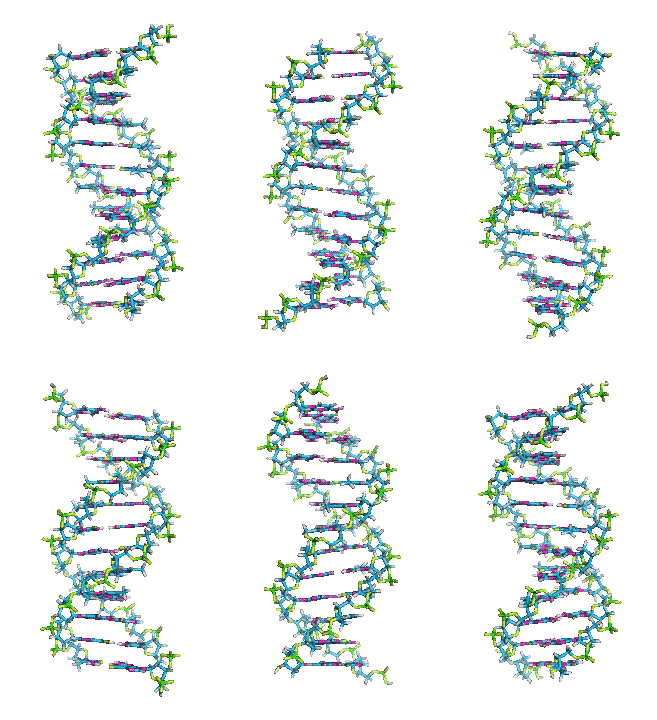
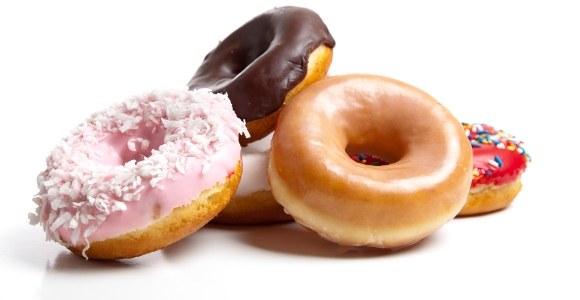


The small repeating units that make up proteins are called
fatty acids
amino acids
monosaccharides
nucleotides

Who came up with the name "cells" while looking at a slice of cork under a microscope?
Matthias Schleiden
Anton van Leeuwenhoek
Robert Hooke
Rudolf Virchow

What is NOT a part of cell theory:
all cells come from existing cells
all cells have a nucleus
all living things are made of cells
cells are basic unit of structure and function in living things

Prokaryotic cells do NOT have membrane bound organelles or ______________________________.
cytoplasm
a nucleus
ribosomes
DNA

In eukaryotic cells DNA is primarily contained within the:
cytoplasm
ribosomes
vacuoles
nucleus

Of the two types of cells, which one is smaller and more simplistic?
prokaryotic cells
eukaryotic cells

The fluid portion of the cell (all cells have this):
nucleus
cytoplasm
pili
cell membrane

Structures that have different jobs within the cell:
antibodies
lipids
organelles
blood cells

Structure in the cell made of protein and RNA, used for protein synthesis...(found in all cells)
nucleus
cell membrane
cytoplasm
ribosomes

What kind of microscope (seen here) is common in classrooms, uses light to shine through a sample, with a maximum magnification of about 1000 to 1500x?
Dissecting microscope
Compound light microscope
Scanning Electron Microscope (SEM)
Transmission Electron Microscope (TEM)
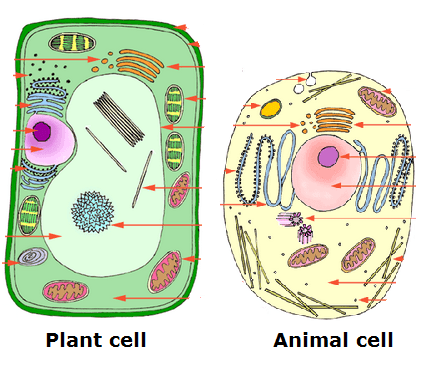
What distinguishes a plant cell from an animal cell? (How do you tell them apart) Hint: There's 3 ways (Check all 3)
Central Vacuole
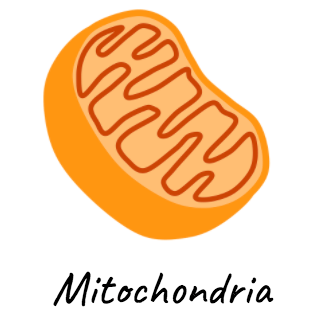
Mitochondria
Cell Wall
Ribosomes
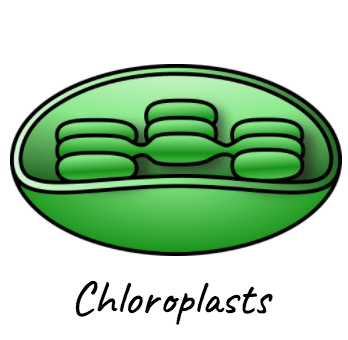
Chloroplasts
What is the function of the vacuole?
To produce energy for the cell
To store water and other nutrients
To store genetic material (DNA)
To give the cell shape and support
What are all the functions of the nucleus?
Store DNA
Control center of the cell
Makes ATP
Help the cell produce food
Select the 3 parts of Cell Theory.
Cells are the basic unit of life
All living things come from cells
All cells came from pre-existing cells
Cells only divide by meiosis
Which organelle receives proteins and materials from the endoplasmic reticulum, packages them, and distributes them?
lysosomes
golgi apparatus
ribosomes
endoplasmic reticulum

What kind of cell is this?
Animal
Plant
Bacteria
Prokaryotic

What kind of cell is this?
Animal
Plant
Bacterial
Prokaryotic
Which type of cell has one large, central vacuole for storage?
Plant Cell
Animal Cell
Bacteria
Prokaryotic Cell
What is the job of the cell wall?
Protects plant cells and helps them maintain shape
Control what goes in and out of the cell
Hold everything in place inside the cell
Provide structural support for animal cells
Osmosis is the diffusion of _____________ across a cell membrane.
Air
Oxygen
Water
Food

In the cell pictured, where would water move?
Into the cell, causing it to swell
Out of the cell, causing it to shrink
In and out of the cell equally, causing the shape to stay the same

In the cell pictured, which way would water move?
Into the cell, causing the cell to swell
Out of the cell, causing the cell to shrink
In and out of the cell equally, keeping the shape the same

In the cell pictured, which way would water move?
Into the cell, causing the cell to swell
Out of the cell, causing the cell to shrink
In and out of the cell equally, keeping the shape the same


The cell below is in a _____________ solution.
Hypertonic
Hypotonic
Isotonic

During diffusion, molecules will move
from a low to high concentration
equally in all directions
from a high to low concentration
only when supplied with energy
What is the definition of diffusion?
Diffusion is the movement of particles from an area of high concentration to an area of low concentration down a concentration gradient
Diffusion is the movement of water from an area of high concentration to an area of low concentration down a concentration gradient
Diffusion is the movement of particles against a concentration gradient
Diffusion is the movement of particles from an area of low concentration to an area of high concentration

_______ regulates what enters and leaves a cell.
Cell Membrane
Nucleus
Mitochondria
Cytoplasm
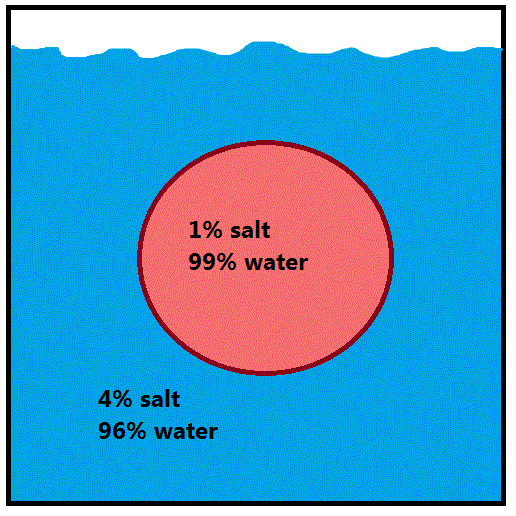
Where will the water go?
Into the cell
Out of the cell
Equally in & out - it's isotonic
There is no water
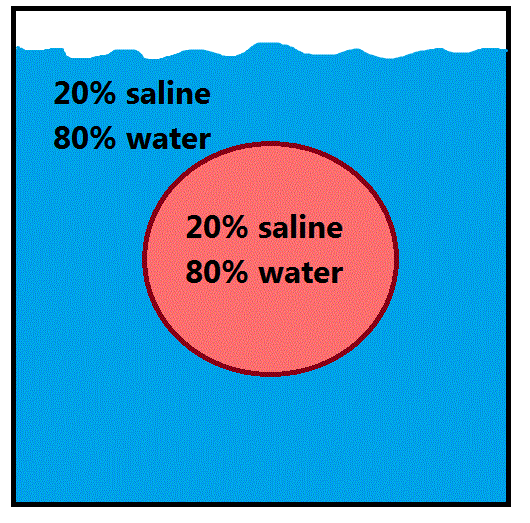
A blood cell is placed into the jar, as seen. Where will the water go?
Into the cell
Out of the cell
Equally in & out - it's isotonic
The water is a lie

Define cell (plasma) membrane
lipid that helps minimize effects of temperature
only on the outer surface of the plasma membrane and are attached to proteins or lipids; form distinctive cellular markers
flexible boundary of a cell that separates a cell from its surroundings
may extend partway into the plasma membrane, cross the membrane entirely, or be loosely attached to its inside or outside face
Which type of biological macromolecule is the main component of the plasma membrane?
carbohydrate
lipid
protein
nucleic acid
What is the "big idea" of the fluid mosaic model of plasma membranes?
the plasma membrane creates a specialized FLUID that looks like a MOSAIC.
the plasma membrane is a MOSAIC.
the fluid mosaic model is NOT related to the plasma membrane.
a plasma membrane is a MOSAIC of components that move FREELY and FLUIDLY.
What does "hydrophobic" mean?
water loving, associates with water
water fearing, does not associate with water
a world war II submarine
an example would be solutes like sugar or salt
What does "hydrophilic" mean?
water loving, associates with water
water fearing, does not associate with water
a world war II submarine
an example would be solutes like oil or fat
1.
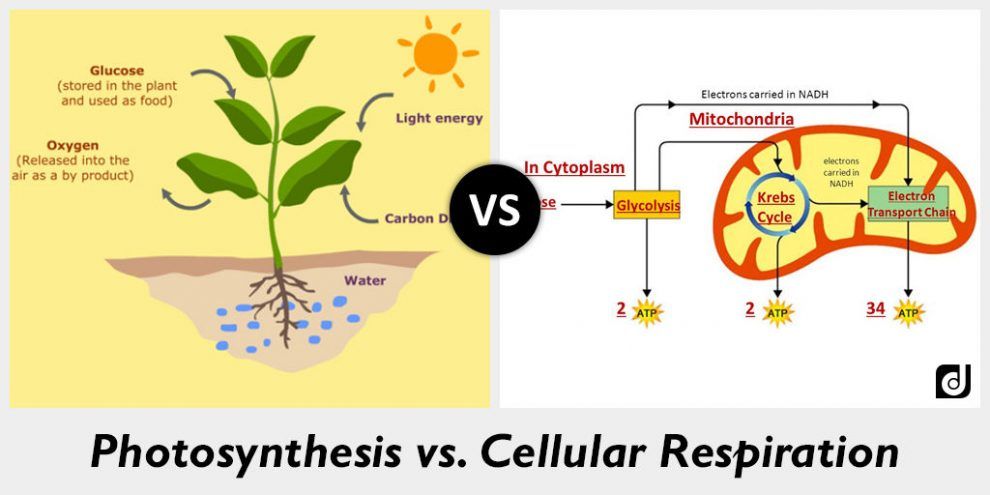
What are the reactants of cellular respiration in plants?
carbon dioxide and water
glucose and carbon dioxide
the reactants of the electron transport chain
oxygen and glucose
What are the products of photosynthesis?
Glucose
sunlight
water
In what organelle does Photosynthesis occur?
Chloroplast
Mitochondria
Ribosome
Nucleus
What are the products of Photosynthesis?
Carbon Dioxide and Water
Glucose and Oxygen
Oxygen and Carbon Dioxide
ATP and Water
What are the reactants for Photosynthesis?
Glucose and Water
Carbon Dioxide, Oxygen and Water
Carbon Dioxide, Water and Sunlight
Glucose and Oxygen
Why do plant cells perform Photosynthesis?
To produce carbon dioxide
To produce water
To convert solar energy into glucose molecules
To produce ATP
What is the correct overall equation for Photosynthesis?
6 CO2 + 6 O2 + Sunlight Energy --> 6 H2O + C6H12O6
6 O2 + C6H12O6 --> 6 CO2 + 6 H2O + Sunlight Energy
6 O2 + C6H12O6 + 6 CO2 --> 6 H2O + Sunlight Energy
6 CO2 + 6 H2O + Sunlight Energy --> 6 O2 + C6H12O6

Which organelle is responsible making food (Glucose) using sunlight?
Cell Membrane
Nucleus
Chloroplast
Mitochondria

What gas is released after photosynthesis?
carbon dioxide
water vapor
oxygen
carbon monoxide

What gas is taken in during photosynthesis?
oxygen
carbon dioxide
water vapor
carbon monoxide
What is the sugar made in photosynthesis?
galactose
sucrose
fructose
glucose
What molecule is the end PRODUCT of cellular respiration?
Glucose
ATP
NADH
Oxygen
What are the PRODUCTS of cellular respiration?
CO2 and C6H12O6
CO2 and H2O
C6H12O6 and O2
O2 and H2O
Which organelle inside the cell is responsible for cellular respiration?
Chloroplast
Cell Membrane
Mitochondria
Nucleus