
 Worksheets
FINAL EXAMINATION-SPE 112
Total questions: 60
Worksheet time: 45mins
Endocrine glands ________.
secrete hormones that travel through a duct to the target organs
release neurotransmitters into the synaptic cleft
secrete chemical messengers that travel in the bloodstream
include sebaceous glands and sweat glands
Chemical signaling that affects neighboring cells is called ________.
Autocrine
endocrine
paracrine
neuron
A newly developed pesticide has been observed to bind to an intracellular hormone receptor. If ingested, residue from this pesticide could disrupt levels of ________.
Melatonin
growth hormone
thyroid hormone
insulin
A student is in a car accident, and although not hurt, immediately experiences pupil dilation, increased heart rate, and rapid breathing. What type of endocrine system stimulus did the student receive?
Humoral
neural
Hormonal
positive feedback
Which of the following hormones contributes to the regulation of the body’s fluid and electrolyte balance?
adrenocorticotropic hormone
luteinizing hormone
antidiuretic hormone
all of the above
Which of the following statements about the thyroid gland is true?
It is located anterior to the trachea and inferior to the larynx.
The parathyroid glands are embedded within it.
It manufactures three hormones.
all of the above
The development of a goiter indicates that ________.
the anterior pituitary is abnormally enlarged
there is hypertrophy of the thyroid’s follicle cells
there is an excessive accumulation of colloid in the thyroid follicles
the anterior pituitary is secreting excessive growth hormone
The adrenal glands are attached superiorly to which organ?
Thyroid
kidneys
Liver
hypothalamus
What cells secrete melatonin?
Melanocytes
suprachiasmatic nucleus cells
Pinealocytes
retinal cells
Which of the following statements about insulin is true?
Insulin acts as a transport protein, carrying glucose across the cell membrane.
Insulin facilitates the movement of intracellular glucose transporters to the cell membrane.
Insulin stimulates the breakdown of stored glycogen into glucose.
Insulin stimulates the kidneys to reabsorb glucose into the bloodstream.
Which of the following statements about blood is true?
Blood is about 92 percent water.
Blood is slightly more acidic than water.
Blood is slightly more viscous than water.
Blood is slightly more salty than seawater.
Which of the following plasma proteins is not produced by the liver?
Fibrinogen
alpha globulin
beta globulin
immunoglobulin
Which of the following statements about mature, circulating erythrocytes is true?
They have no nucleus.
They survive for an average of 4 days.
They are packed with mitochondria.
All of the above
A molecule of hemoglobin ________.
is shaped like a biconcave disk packed almost entirely with iron
contains four glycoprotein units studded with oxygen
consists of four globin proteins, each bound to a molecule of heme
can carry up to 120 molecules of oxygen
A patient has been suffering for 2 months with a chronic, watery diarrhea. A blood test is likely to reveal ________.
a hematocrit below 30percent
anemia
hypoxemia
polycythemia
A patient has been experiencing severe, persistent allergy symptoms that are reduced when she takes an antihistamine. Before the treatment, this patient was likely to have had increased activity of which leukocyte?
Basophils
neutrophils
monocytes
natural killer cells
Thrombocytes are more accurately called ________.
clotting factors
megakaryoblasts
megakaryocytes
platelets
The first step in hemostasis is ________.
vascular spasm
activation of the intrinsic pathway
conversion of fibrinogen to fibrin
activation of the common pathway
Hemophilia is characterized by ________.
inadequate production of heparin
excessive production of fibrinogen
inadequate production of clotting factors
excessive production of platelets
People with ABO blood type O ________.
have both antigens A and B on their erythrocytes
lack both antigens A and B on their erythrocytes
have neither anti-A nor anti-B antibodies circulating in their blood plasma
are considered universal recipients
Which of the following is not important in preventing backflow of blood?
chordae tendineae
papillary muscles
AV valves
endocardium
Which valve separates the left atrium from the left ventricle?
Mitral
tricuspid
pulmonary
aortic
Which of the following lists the valves in the order through which the blood flows from the vena cava through the heart?
tricuspid, pulmonary semilunar, bicuspid, aortic semilunar
mitral, pulmonary semilunar, bicuspid, aortic semilunar
aortic semilunar, pulmonary semilunar, tricuspid, bicuspid
bicuspid, aortic semilunar, tricuspid, pulmonary semilunar
Which chamber initially receives blood from the systemic circuit?
left atrium
left ventricle
right atrium
right ventricle
The myocardium would be the thickest in the ________.
left atrium
left ventricle
right atrium
right ventricle
In which septum is it normal to find openings in the adult?
interatrial septum
atrioventricular septum
interventricular septum
all of the above
The cardiac cycle consists of a distinct relaxation and contraction phase. Which term is typically used to refer ventricular contraction while no blood is being ejected?
Systole
diastole
quiescent
isovolumic contraction
Most blood enters the ventricle during ________.
atrial systole
ventricular systole
atrial diastole
isovolumic contraction
The first heart sound represents which portion of the cardiac cycle?
atrial systole
closing of the atrioventricular valves
ventricular systole
closing of the semilunar valves
Ventricular relaxation immediately follows ________.
atrial depolarization
ventricular depolarization
ventricular repolarization
atrial repolarization


Which of the following is NOT part of the digestive system?
liver
gall bladder
kidney
pancreas


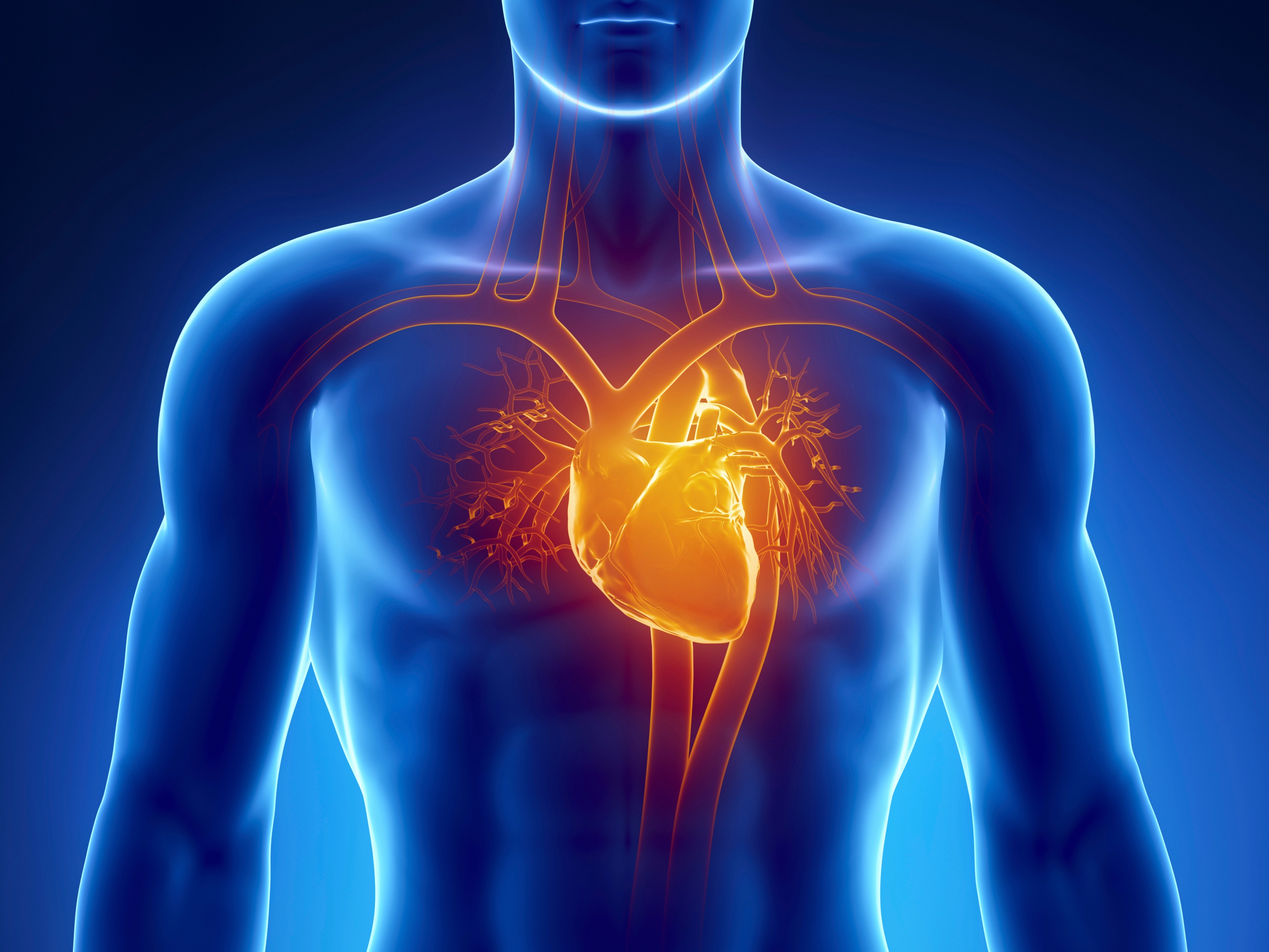
___ is a group of organs and tissues that act as transfer stations carrying needed materials to cells and removing their waste products.
circulatory system
respiratory system
nervous system

The two hormones that maintain the lining of the uterus are:
FSH and estrogen
LH and estrogen
estrogen
Progesterone and estrogen
What are the male sex cells called?
Eggs
Sperm
Testorone
Fallopian

What is the correct order of digestion?
Mouth - stomach - esophagus - Large intestine - Small intestine - anus - rectum
Mouth - esophagus - stomach - gall bladder - small intestine - rectum - anus - large intestine
Mouth - pancreas - stomach - rectum - gall bladder - small intestine - rectum - anus
Mouth - esophagus - stomach - small intestine - large intestine - rectum - anus


