
 Worksheets
Elements & The Periodic Table
Total questions: 142
Worksheet time: 2hrs 9mins


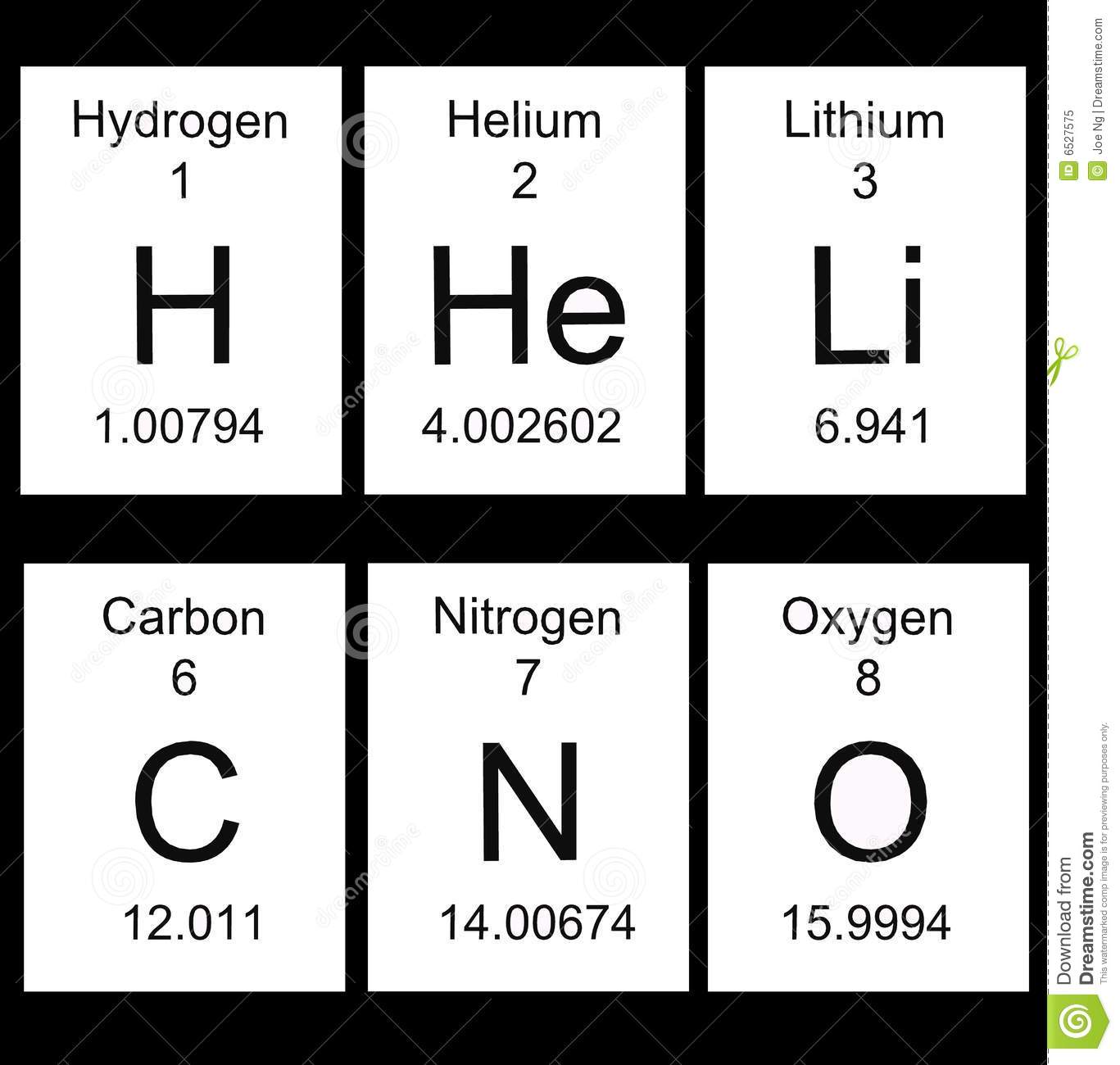
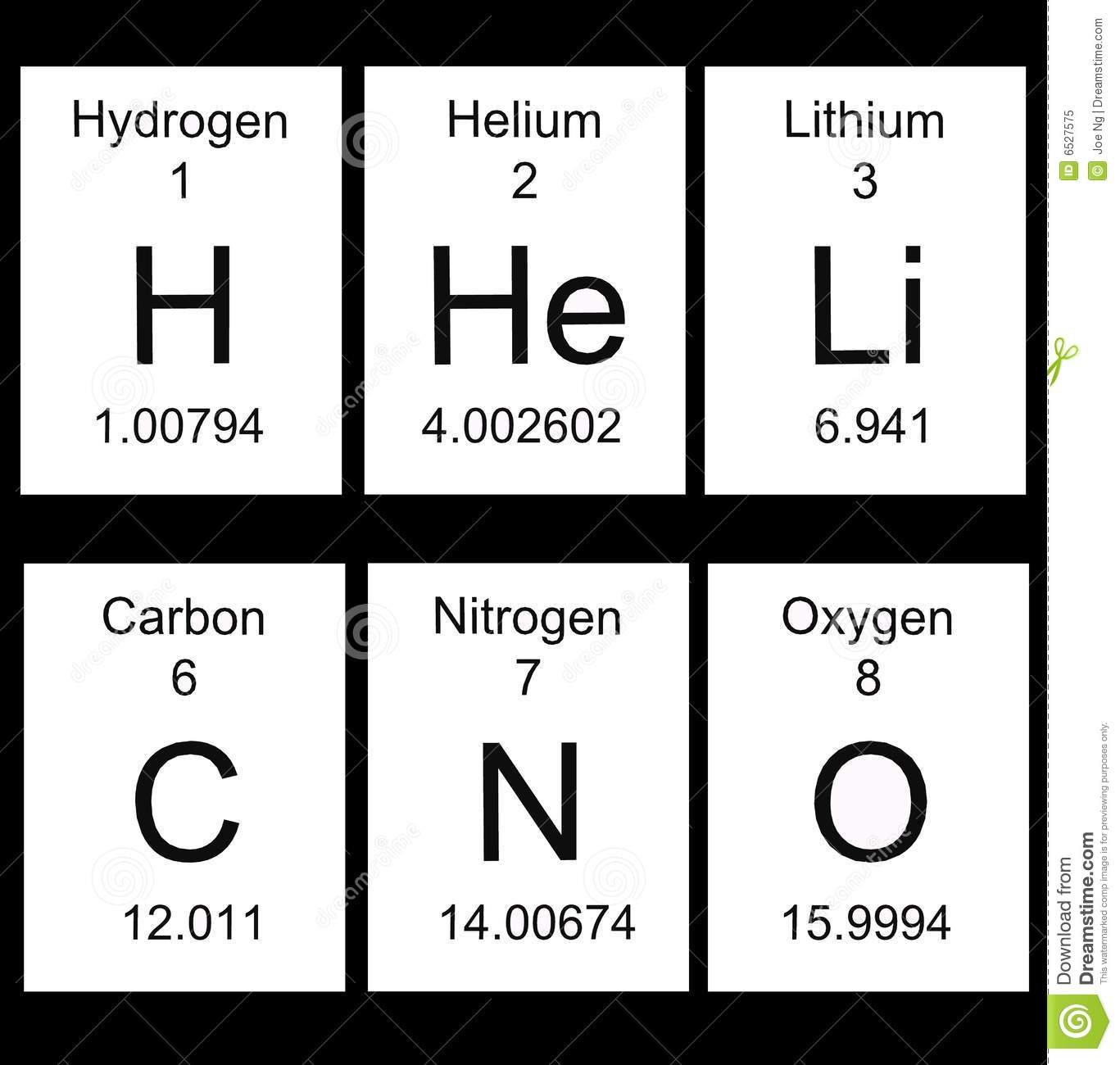
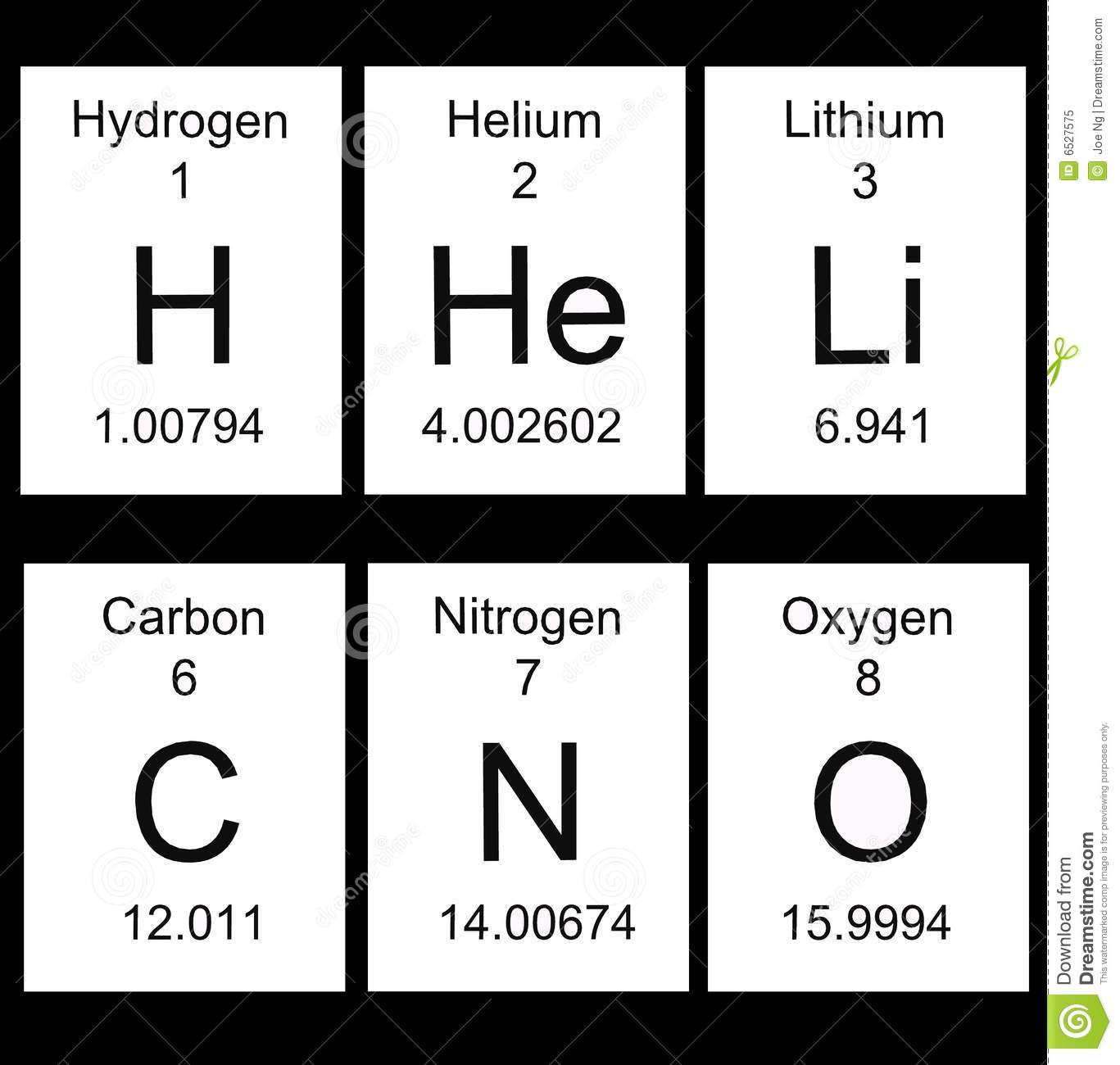

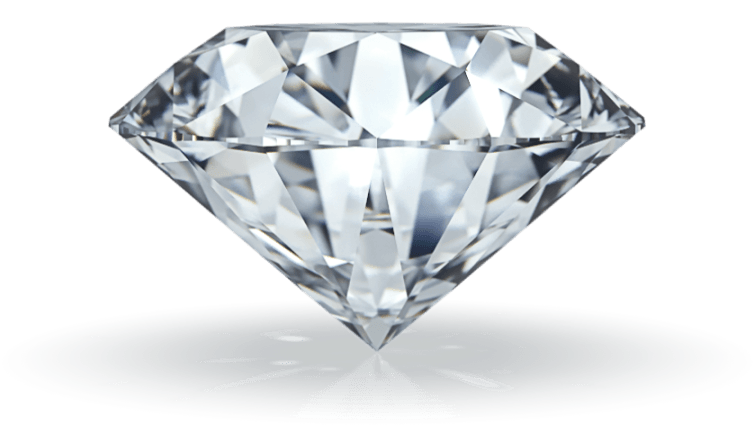

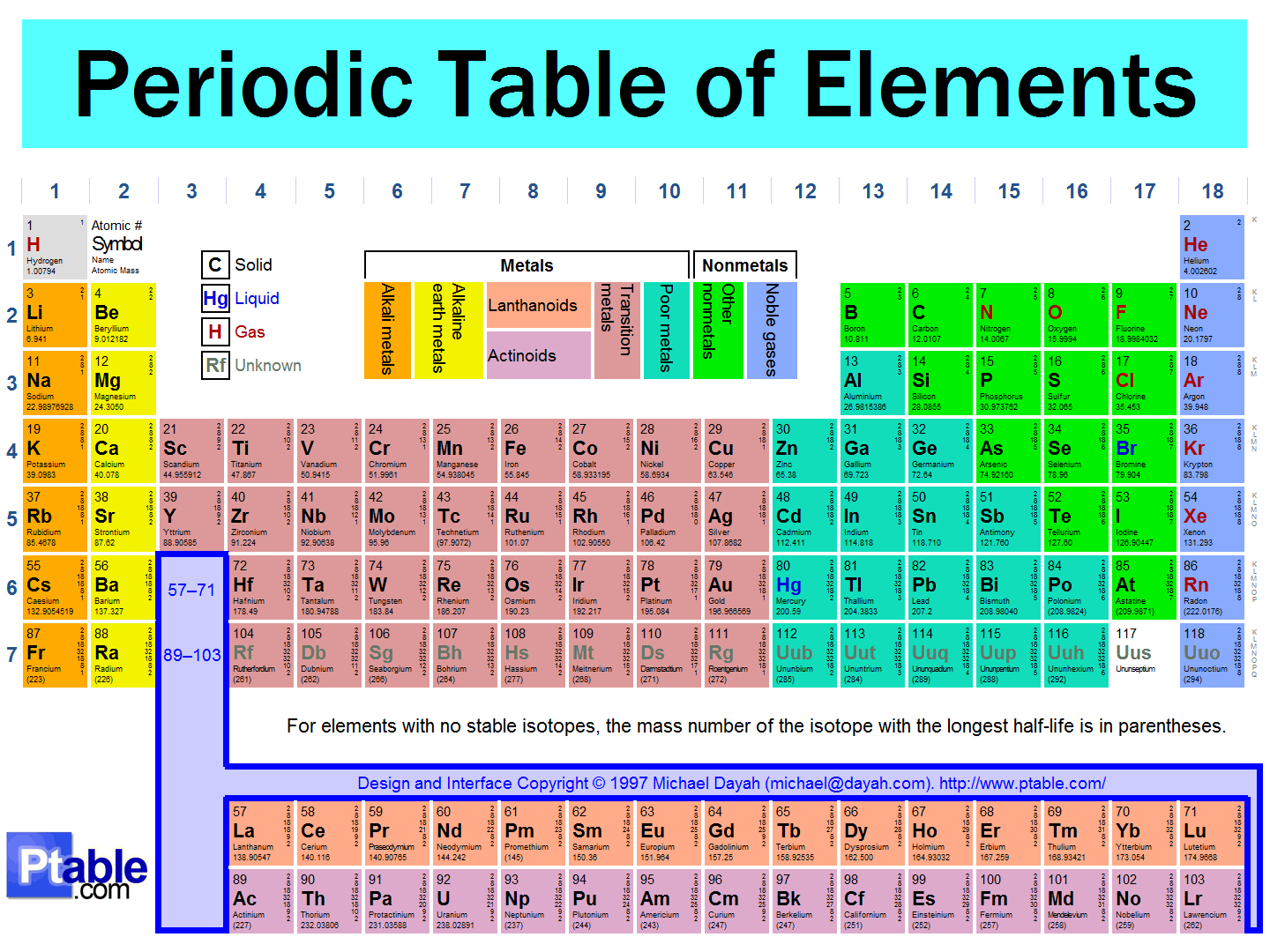
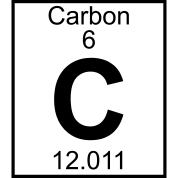
the basic structural unit of matter
atom
matter
element
nucleus
a collection of atoms of one type that cannot be broken down into simpler substances by ordinary chemical or physical means
element
subatomic particle
electron
matter
the positively charged subatomic particle contained in the nucleus of an atom
proton
neutron
electron
matter
a subatomic particle, contained in the nucleus of an atom, having the same mass as a proton but no electrical charge
proton
neutron
electron
matter
a negatively charged subatomic particle that orbits the nucleus of an atom
proton
neutron
electron
matter
a unique number for each element that equals the number of protons in an atom of that element
element name
element symbol
atomic number
atomic mass
the mass of an atom, calculated by adding the number of protons and neutrons in the nucleus of the atom
element name
element symbol
atomic number
atomic mass


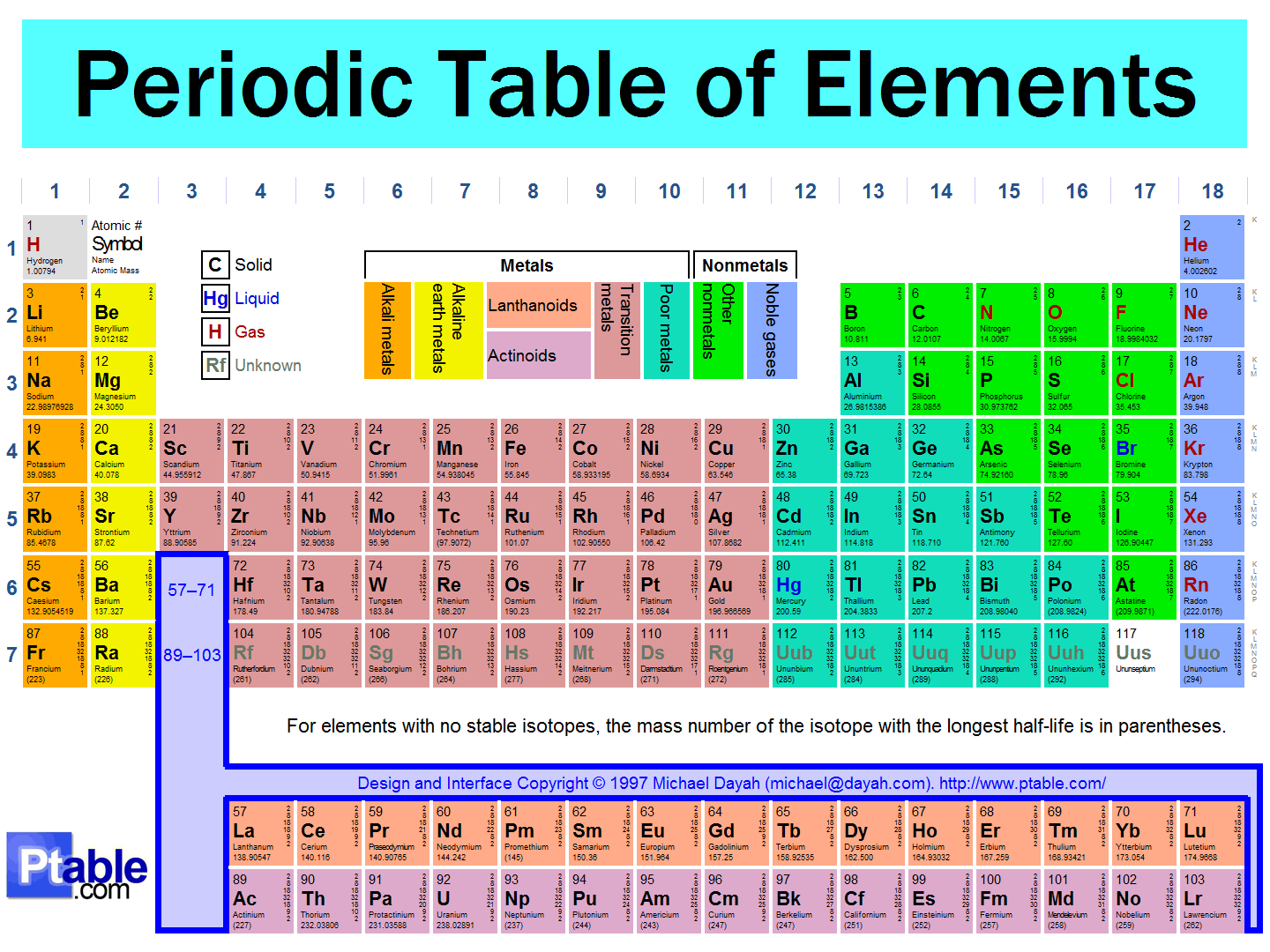
an arrangement of the elements according to their atomic numbers so that elements with similar properties are in the same column and properties repeat from row to row
Periodic Table of Elements
Atomic Theory
Isotopes
Subatomic Particles
a grouping of elements based on similar properties, arranged by columns in the periodic table; also known as a group
family
period
row
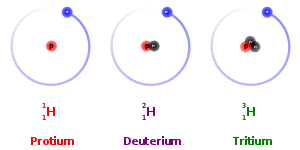
isotope
one of several forms of a single element, which contains the same number of protons, but different numbers of neutrons
isotope
ion
orbital
nucleus
an atom or group of atoms that has gained or lost one or more electrons and is now either positively or negatively charged
isotope
ion
orbital
nucleus
how many groups/families are on the table
15
16
17
18
how many rows are on the table
4
5
6
7
what is the name of group number 1
halogens
noble gases
alkali
alkaline earth
what is the name of group number 2
transition metals
halogens
metaloids
alkaline earth
what is the big group of metals called found within the metals
transition metals
nonmetals
noble gases
halogens
where are the metaloids found
far left, vertical
stair step/diagonal
far right horizontal
at the bottom
what group number are the halogens
18
1
2
17
what group number are the noble gases
17
18
14
15
what is the small group of elements called that include C,N,O
metals
nonmetals
metaloids
noble gases
symbols must have at least
1 cap. letter
2 cap. letters
2 lower case letters
any letter you want


In an element box, the number at top is the
atomic number
atomic name
atomic mass
atomic symbol
The number of neutrons in an atom can be found by
adding the number of neutrons and protons together.
adding the atomic mass and the atomic number.
subtratcting the atomic number from the atomic mass.
subtracting the atomic mass from the atomic number.

___________________ are positively charged particles located in the nucleus of an atom.
Electrons
Neutrons
Protons
Isotopes
Isotopes are atoms of the same element with different numbers of
electrons
neutrons
protons
nuclei
Elements on the Periodic Table are ordered according to their
element name
element symbol
number of atoms
atomic number

Rows in the Periodic Table are called
Periods
Groups/Families
Cousins
Metals

Column in the Periodic Table are called
Periods
Groups/Families
Cousins
Metals

The elements that touch the zigzag line on the Periodic Table are called
metals
nonmetals
metalloids
gasses

The nucleus of an atom is located in its
electron cloud
center
proton
backpack
What do atoms of the same periodic group have in common?
They have the same atomic number.
They have the same chemical symbols.
The have similar chemical properties.
They have the same atomic mass.
The smallest particle of an element that has the same chemical properties of the element is
a molecule of that element.
an atom of that element.
a proton of that element.
the nucleus of the element.

A scientist creates a hypothesis, but the data she collects fail to support that hypothesis. The scientist should then
change the data to support the hypothesis.
change the hypothesis to match the results.
forget the whole idea and walk away.
use the data to develop and test a new hypothesis.

Protons have a ____________ charge, neutrons have a ____________ charge, and electrons have a ____________ charge.
positive; negative, neutral
positive, neutral, negative
neutral, negative, positive
negative, neutral, positive

The history of the Atomic Theory involves many changes from its early form. Theories change because
people decide to no longer agree with them.
all theories must be changed after a certain time.
new evidence is found that allows the theory to be changed.
when scientists die, their theories are always changed.

The chemical symbol in this element box is
26
Fe
Iron
55.845
The variable that is changed in an experiment is the
independent variable.
the dependent variable.
the controlled variable.
the data variable
Models are used to study atoms because atoms are very
dangerous
sneaky
rare
small
The three kinds of elements are
metals, nonmetals, and liquid metals
metals, nonmetals, and metalloids
metals, solids, and liquids
metalloids, asteroids, and nonmetals
The Periodic Table of elements is arranged according to an element's
color
state of matter
place in the alphabet
properties
All matter is made of
electrons
protons
neutrons
atoms
What are the elements in group 1 (the far left) of the periodic table called?
Alkali metals
Alkaline earth metals
Halogens
Noble gases
What are the elements in group 18 (the far right) of the periodic table called?
Alkali metals
Alkaline earth metals
Halogens
Noble gases
What are the elements in group 17 of the periodic table called?
Alkali metals
Alkaline earth metals
Halogens
Noble gases
What are the elements in groups 3-12 of the periodic table called?
Transition metals
Non-metals
Metalloids
Metals
What are the elements found along the "staircase" called? They have properties of both metals and non-metals.
Metalloids
Non-metals
Transition metals
Metals
Hydrogen is a:
Alkali metal
Metalloid
Non-metal
Noble gas
___________ is a metal that is a liquid at room temperature.
Platinum
Water
Tin
Mercury
Which of the following elements is an alkali metal?
calcium
magnesium
mercury
sodium
80% of elements are
metals.
nonmetals.
metalloids.
semiconductors.
Metals tend to be
gases.
dull.
brittle.
good conductors.

The atoms to the right of the staircase that include Carbon and Selenium are called
metalloids
non-metals
halogens
noble gases

Which element is a halogen?
Helium
Chlorine
Oxygen
Neptune
Calcium is found in what period?
1
2
3
4
This group does NOT react with anything ever, they are already happy.
Metals
Transition Metals
Noble Gases
Halogens

What is the name of group number 1?
halogens
noble gases
alkali metals
alkaline earth metals
Which answer has the Chemical Symbols for the elements in Group 17?
F, Cl, Br, I, At, Ts
N, P, As, Sb, Bi, Uup
Be, Mg, Ca, Sr, Ba, Ra
Ab, Cd, Ef, Gh, Ij, Kz

The number 16 for the atomic element sulfur is the
ionic number
isotope
atomic mass
atomic number


The vertical (up and down) columns in the Periodic Table are called
groups
towers
periods
atomic numbers
The horizontal (side to side) rows in the Periodic Table are called
groups
families
periods
atomic numbers

What are the three main groups of the periodic table?
groups
metal
nonmetals
metalloids
periods


not able to conduct heat or electricity, little to no metallic luster
Non-metals
noble gases
atomic mass
Neutron


All matter is made up of __________.
elements
atoms
compounds
molecules

Matter that is made up of only one type of atoms is called a(n) ______________________.
molecule
compound
element
mixture

Subatomic particles with a negative charge are called ___________.
protons
neutrons
electrons
nucleus

Subatomic particles with no charge are called ______________.
protons
neutrons
electrons
nucleus

What is the atomic mass of the element shown?
79
196.967
118
275.967

What is the symbol of the element in the picture?
Silver
Ag
47
107.87

How many neutrons are in found in an atom of gold?
79
196.967
118
295.967

What is the atomic number of the element?
46
106.42
60
152.42

Which element is found in Period 1, Group 18?
H
He
Ar
Ne

Which period would the element in the picture be in on the periodic table?
1
2
4
6

Which element is most likely to share properties with Lithium?
Sodium (Na)
Carbon(C)
Nitrongen (N)
Neon (Ne)

How many neutrons are in one atom of Beryllium?
4
9
5
2
What Greek philosopher suggested that the universe was made of invisible units called atoms
Democritus
Dalton
Jefferson
A nucleus of an atom contains what two parts?
Electrons and Protons
Neutrons and Electrons
Protons and Neutrons
Isotopes of an element have different number of ___________ and therefore have different masses.
Proton
Neutron
Electon
If an atom has an atomic mass of 11 and contains 5 electrons, its atomic number would be______
11
5
6
The abbreviation is commonly used to express atomic masses?
amu
grams
protons

Which of the following subatomic particles is negatively charged?
neutron
proton
electron
megatron

Which particle does not have a charge?
neutron
proton
electron
megatron
In an element box, the number at top is the
atomic number
atomic name
atomic mass
atomic symbol
Rows in the Periodic Table are called
Periods
Groups/Families
Cousins
Metals
Column in the Periodic Table are called
Periods
Groups/Families
Cousins
Metals
The elements that touch the zigzag line on the Periodic Table are called
metals
nonmetals
metalloids
gasses
The smallest particle of an element that has the same chemical properties of the element is
a molecule of that element.
an atom of that element.
a proton of that element.
the nucleus of the element.
The history of the Atomic Theory involves many changes from its early form. Theories change because
people decide to no longer agree with them.
all theories must be changed after a certain time.
new evidence is found that allows the theory to be changed.
when scientists die, their theories are always changed.
The chemical symbol in this element box is
26
Fe
Iron
55.845
The three kinds of elements are
metals, nonmetals, and liquid metals
metals, nonmetals, and metalloids
metals, solids, and liquids
metalloids, asteroids, and nonmetals

