
 Worksheets
reproduction in organisms ca
Total questions: 112
Worksheet time: 57mins
WHAT IS LIFE SPAN?
PERIOD FROM BIRTH TO DEATH
PERIOD FROM PREGNANCY TO BIRTH
PERIOD FROM CONCEPTION TO PREGNANCY
NONE OF THE ABOVE
LIFE SPAN OF AN ORGANISM IS DETERMINED BY
SIZE OF THE ORGANISM
SHAPE OF THE ORGANISM
BOTH OF THE ABOVE
NONE OF THE ABOVE
WHICH OF THE FOLLOWING HAS NO NATURAL DEATH?
AMOEBA
FRUIT FLY
PARROT
TORTOISE
WHICH OF THE FOLLOWING BRINGS VARIATION
BINARY FISSION
SPORULATION
FRAGMENTATION
SEXUAL REPRODUCTION

THIS IS THE MODE OF ASEXUAL REPRODUCTION FOUND IN
SPIROGYRA
SACCHAROMYCES
EUGLENA
PARAMOECIUM

NAME THE ORGANISM IN THE PICTURES THAT REPRODUCES BY ZOOSPORE FORMATION
Aspergillus
Penicillium
Hydra
Chlamydomonas
WHICH OF THE FOLLOWING IS A RHIZOME?


WHICH OF THE FOLLOWING IS NOT CALLED AS TERROR OF BENGAL?
WATER HYACINTH
Eichhornia crassipes


IDENTIFY THE VEGETATIVE PROPAGULE PRODUCED IN Agave
BULB
BULBIL
SUCKER
TUBER
VEGETATIVE REPRODUCTION IN FLOWERING PLANTS IS ALSO CALLED AS ASEXUAL REPRODUCTION BECAUSE
SINGLE PARENT IS INVOLVED
OFFSPRINGS PRODUCED ARE CLONES
NEW INDIVIDUALS ARE MORPHOLOGICALLY AND GENETICALLY SIMILAR
ALL OF THE ABOVE
What describes a cell that has pairs of chromosomes called?
haploid cell
diploid cell
parent cell
daughter cell
What is formed when an egg cell and sperm cell are joined together?
zygote
diploid cell
haploid cell
sister cell
ALL ORGANISMS HAVE TO REACH CERTAIN STAGES,THEY ARE
JUVENILE, REPRODUCTIVE AND SENESCENT PHASE
REPRODUCTIVE,GROWTH AND MATURITY PHASE
CHILDHOOD,BOYHOOD AND ADULTHOOD
NONE OF THESE ABOVE

IDENTIFY THE IMAGE OF THE PLANT THAT FLOWERS ONCE IN 12 YEARS
BAMBOO
CITRUS
POTATO
STROBILLANTHUS
Human gametes differ from all other body cells in being
Haploid
Diploid
Motile
Without cell wall
Syngamy can occur outside the body of the organisms
Mosses
Algae
Ferns
Fungi
Roots are used in vegetative propagation of
Ginger
Sweet potato
Chrysanthemum
Potato
Gametogenesis refers to the process of
Fusion of two gametes
Fusion of two gametangia
Formation of two types of gametes
Formation of male gametes
Which of the following cell division is related to the gametogenesis?
Mitosis
Meiosis
Both
Reductional division
All of the offspring of an organism have the same genetic material, which is identical to the parent organism. From this, we can conclude that this organism -
makes its own food
is unicellular
live in a marine habitat
reproduces asexually
Prokaryotes (bacteria) reproduce asexually via -
spore formation
bud creation
vegetative propagation
binary fission
The offspring from asexually reproduced organisms are?
Different than their parents
Identical to parents
Like a combination from both parents
A different species
How many parents does asexual reproduction involve?
one
two
three
four
Which of the following is a correct match?
Onion-Bulb
Yeast-Zoospores
Ginger-Root
Chlamydomonas-Conidia
Meiosis takes place in
Conidia
Megaspore
Meiocyte
Gemmule
In seeded plants male gametes are transferred to the egg cell by
Air
Insects
Water
Pollen tube
Which of the following is considered as connecting link between the two generations
Gametes
Zygote
Embryo
Offspring
Factors responsible for the transition of the phases of life cycle in plants is/are
Hormones
Environmental factors
Mode of reproduction
None of the above
Menstrual cycle is found in
Primates
Humans
Non-Primates
All sexually reproducing organisms
Which of the following is considered as vegetative phase in plants
Juvenile Phase
Reproductive phase
Senescent Phase
More than one option is correct
Callus is .....
Tissue that forms embryo
An insoluble carbohydrate
Tissue that grows to form embryoid
Unorganised activity dividing mass of cells maintained in culture
Which animals have developed capacity of regeneration ?
Hydra, Starfish
Plasmodium
Earthworm
Spongilla
Roots are used in vegetative propagation of
Ginger
Sweet potato
Chrysanthemum
Potato
Bryophyllum daigremontianum reproduces by
Vegetative propagation
Budding
Fission
Fragmentation
Planaria’s most remarkable characteristics are its ability to
Hibernation
Survive without air Generate
bioluminescence
Regenerate
Fusion of unrelated gametes is called ________
Dichogamy
Fertilization
Autogamy
None of the above
When living tissue from a plant is extracted and placed in a medium, it is called ______
Horticulture
Transplantation
Explant
None of the above
Human gametes differ from all other body cells in being
Haploid
Diploid
Motile
Without cell wall
Syngamy can occur outside the body of the organisms
Mosses
Algae
Ferns
Fungi
Gametogenesis refers to the process of
Fusion of two gametes
Fusion of two gametangia
Formation of two types of gametes
Formation of male gamets only
ALL ORGANISMS HAVE TO REACH CERTAIN STAGES,THEY ARE
JUVENILE, REPRODUCTIVE AND SENESCENT PHASE
REPRODUCTIVE,GROWTH AND MATURITY PHASE
CHILDHOOD,BOYHOOD AND ADULTHOOD
NONE OF THESE ABOVE
IDENTIFY THE IMAGE OF THE PLANT THAT FLOWERS ONCE IN 12 YEARS
BAMBOO
CITRUS
POTATO
STROBILLANTHUS
MENSTRUAL CYCLE IS FOUND IN


GAMETES ARE FORMED DURING
PRE-FERTILIZATION
FERTILIZATION
POST-FERTILIZATION
ALL OF THE ABOVE

THESE TYPES OF GAMETES ARE FORMED IN
RICCIA
MARSILEA
CLADOPHORA
COCONUT
FOLLOWING ARE THE EXAMPLES OF DIOECIOUS PLANTS
CUCURBITS AND COCONUTS
PAPAYA AND DATE PALM
CHINAROSE AND BRINJAL
NONE OF THE ABOVE
WHICH OF THE FOLLOWING IS A HERMAPHRODITE?
LEECH
EARTHWORM
TAPEWORM
ALL OF THE ABOVE
IF THE NUMBER OF CHROMOSOME IN POTATO LEAF IS 48 THEN WHAT WILL BE THE NUMBER OF CHROMOSOME IN ZYGOTE,GAMETE AND ENDOSPERM RESPECTIVELY?
24,24,72
48,24,72
24,48,72
72,48,24
PARTHENOGENESIS OCCURS IN
ROTIFERS
HONEY BEES
TURKEY
ALL OF THE ABOVE
BOTH MITOSIS AND MEIOSIS NOT OBSERVED IN
BRYOPHYTES
PTERIDOPHYTES
ANGIOSPERMS
NONE OF THE ABOVE
The zygote is the only diploid cell in
the haploid life cycle
asexual reproduction
the diploid life cycle
animals
Which of the following is NOT a type of asexual reproduction?
budding
fragmentation
fission
alternation of generation
During an animal's life cycle, if the gametes are the only haploid cells, the life cycle is
alternation of generations
a haploid life cycle
a diploid life cycle
mutated
Asexual reproduction results in
genetic diversity
zygotes
fertilization
genetically identical offspring
Two parents each produce haploid gametes that fuse to produce a diploid offspring describes
fertilization
asexual reproduction
sexual reproduction
A single parent passes copies of all its genes to each offspring describes
fertilization
asexual reproduction
sexual reproduction
An organism in the diploid phase that produces spores
sporophyte
gametophyte
asexual reproduction
An organism in the haploid phase that produces gametes
sporophyte
gametophyte
sexual reproduction
The joining of two gametes to produce a diploid zygote.
gametophyte
sexual reproduction
fertilization
asexual reproduction
An advantage of sexual reproduction is that
many offspring are produced in a short time
it increases genetic diversity
production of gametes requires energy
organisms remain stable in a changing environment

A zygote is formed by ___________ of a male and female gamete.
fertilization
division
reduction
addition
Which describes a zygote cell?
diploid
haploid
monoploid
triploid

What process creates reproductive cells used in sexual production?
meiosis
mitosis
cellular respiration
photosynthesis
Crossing-over is an efficient way to produce _________ ____________which increases genetic diversity
genetic variation
genetic recombination
genetic elements
Which of the following describes the main advantages of sexual reproduction?
requires lots of time/energy
no new gene combos can arise
genetic diversity
looks identical to the parent
Which of the following is the female animal gamete?
Sperm
Egg
Pollen
Teste
Sexual reproduction results in
No variation
Large amounts of variation
Sexual reproduction results in
Genetically unique offspring
Genetically identical offspring
Many plants reproduce asexual. Which of the following is not a form of plant asexual reproduction?
Underground roots tubers or bulbs that can grow into new plants.
Binary Fission
Plant runners like the spider plant, and many berries
Budding
The form of asexual reproduction common to most prokaryotes by the division of the adult cell into two halves is known as (a) .
Some simple animals like the hydra can reproduce by growing small versions of themselves that break off and continue life on their own. This is known as (a) .
Organisms like the planarian and the starfish can regrow parts of their bodies. This is known as (a) .
All forms of asexual reproduction use _________________ to grow new cells and organisms.
mitosis
meiosis
Some organisms alternate between both asexual and sexual reproduction.
True
False

In the diagram below, which part of the diagram represents the asexual reproduction part of the cycle?
a
b


Name the type of asexual reproduction in bacteria.
binary fission
multiple fission
budding
all of these
Which of the following are involved in asexual reproduction?
fertilization
meiosis
sperm
zygote
none of these are involved in sexual reproduction
How many cells are formed as a result of binary fission?
2
3
1
4
Reproduction by budding takes place in
Hydra
Amoeba
Paramecium
Bacteria
A hydra reproduces when an outgrowth, or bud, forms and continues to develop until it falls off of the parent. This is an example of:
Binary Fission
Sporulation
Budding
Vegetative Propagation


This is an example of asexual reproduction by...
budding
binary fission
sporulation
vegetative propagation

What type of asexual reproduction is taking place?
Binary Fission
Budding
Fragmentation
Regeneration
Vegetative Reproduction
What do budding, binary fission and spore formation have in common ?
They require two parents
They require only one parent cell
They produce only one daughter cell
They are all forms of sexual reproduction
What are the end products of binary fission?
Two independent daughter cells that are identical to each other
One daughter cell that is genetically different from the parent
Two independent daughter cells that are different from each other
Two daughter cells that are genetically different from the parent cell
Yeast reproduce by
Budding
Binary fission
Spore formation
Vegetative reproduction
During budding, what is usually formed?
A bud from the daughter cell
New DNA from the parent cell
An outgrowth from the parent organism
New stems and roots
Asexual reproduction requires
Only one parent to produce offspring
Two parents to produce offspring
A combination of parents to produce offspring
Two clones to produce offspring
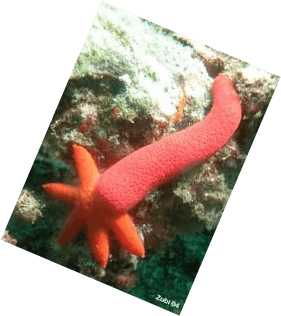
Fishermen work hard to catch and remove all the starfish that get into their favorite shell fishing beds and the “underwater farms” where they raise clams and oysters. In the past, they put the starfish into their boats, cut them up with knives, and then throw the pieces of starfish overboard. They thought this would kill the starfish. What they did not know was that each piece of starfish will grow into a whole new animal.
This is an example of asexual reproduction by...
budding
binary fission
sporulation
vegetative propagation
WHAT IS LIFE SPAN?
PERIOD FROM BIRTH TO DEATH
PERIOD FROM PREGNANCY TO BIRTH
PERIOD FROM CONCEPTION TO PREGNANCY
NONE OF THE ABOVE
LIFE SPAN OF AN ORGANISM IS DETERMINED BY
SIZE OF THE ORGANISM
SHAPE OF THE ORGANISM
BOTH OF THE ABOVE
NONE OF THE ABOVE
WHICH OF THE FOLLOWING HAS NO NATURAL DEATH?
AMOEBA
FRUIT FLY
PARROT
TORTOISE
THIS IS THE MODE OF ASEXUAL REPRODUCTION FOUND IN
SPIROGYRA
SACCHAROMYCES
EUGLENA
PARAMOECIUM
NAME THE ORGANISM IN THE PICTURES THAT REPRODUCES BY ZOOSPORE FORMATION
Aspergillus
Penicillium
Hydra
Chlamydomonas
WHICH OF THE FOLLOWING IS NOT CALLED AS TERROR OF BENGAL?
WATER HYACINTH
Eichhornia crassipes
IDENTIFY THE VEGETATIVE PROPAGULE PRODUCED IN Agave
BULB
BULBIL
SUCKER
TUBER
VEGETATIVE REPRODUCTION IN FLOWERING PLANTS IS ALSO CALLED AS ASEXUAL REPRODUCTION BECAUSE
SINGLE PARENT IS INVOLVED
OFFSPRINGS PRODUCED ARE CLONES
NEW INDIVIDUALS ARE MORPHOLOGICALLY AND GENETICALLY SIMILAR
ALL OF THE ABOVE
ALL ORGANISMS HAVE TO REACH CERTAIN STAGES,THEY ARE
JUVENILE, REPRODUCTIVE AND SENESCENT PHASE
REPRODUCTIVE,GROWTH AND MATURITY PHASE
CHILDHOOD,BOYHOOD AND ADULTHOOD
NONE OF THESE ABOVE
Which of the following is a correct match?
Onion-Bulb
Yeast-Zoospores
Ginger-Root
Chlamydomonas-Conidia
Which animals have developed capacity of regeneration ?
Hydra, Starfish
Plasmodium
Earthworm
Spongilla
Roots are used in vegetative propagation of
Ginger
Sweet potato
Chrysanthemum
Potato
Bryophyllum daigremontianum reproduces by
Vegetative propagation
Budding
Fission
Fragmentation
Planaria’s most remarkable characteristics are its ability to
Hibernation
Survive without air Generate
bioluminescence
Regenerate
Fusion of unrelated gametes is called ________
Dichogamy
Fertilization
Autogamy
None of the above

