Wayground logo

Free Printable Worksheets

Font size

S
M
L
XL
Worksheets

Cells Organelles and Transport for A & P

Total questions: 74

Worksheet time: 57mins

Name
Class
Date
1.
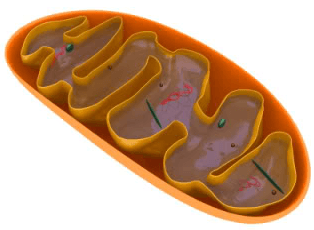
Functions in energy production, known as the energy factory of the cell
a)
mitochondria
b)
chloroplast
c)
vacuole
d)
cytoplasm
2.
The control center that controls all the functions of the cell
a)
cytoplasm
b)
cell wall
c)
cell membrane
d)
nucleus
3.

Which organelle allows the cell to obtain materials from outside the cell to help maintain homeostasis?

a)
Nuclear membrane
b)
Vacuole
c)
Cell Membrane
d)
Cell Wall
4.

Which organelle produces energy from glucose in the form of ATP?
a)
Chloroplast
b)
Mitochondria
c)
Lysosomes
d)
Nucleus
5.

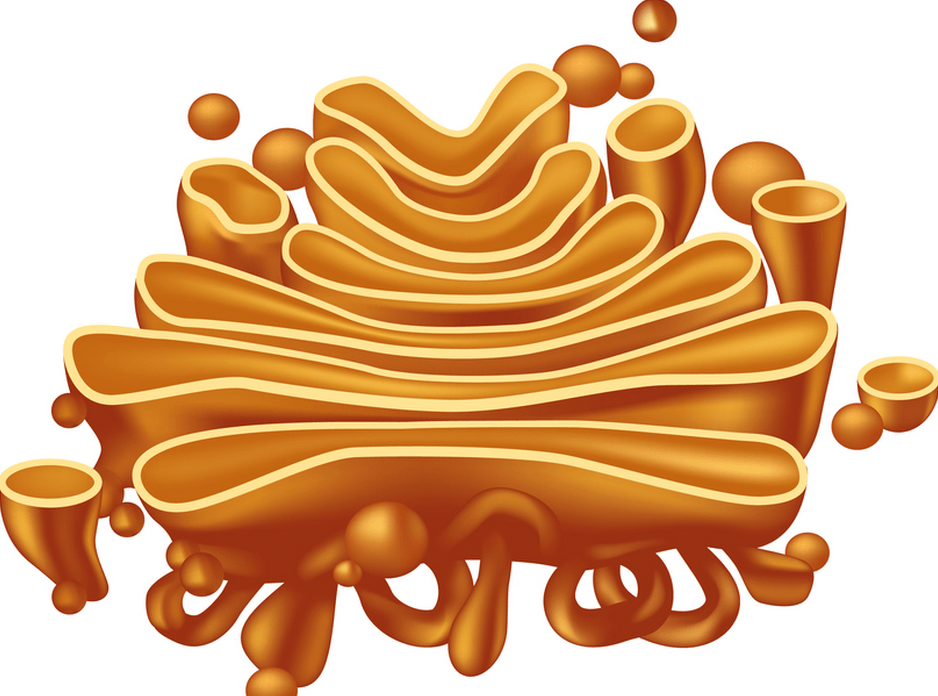
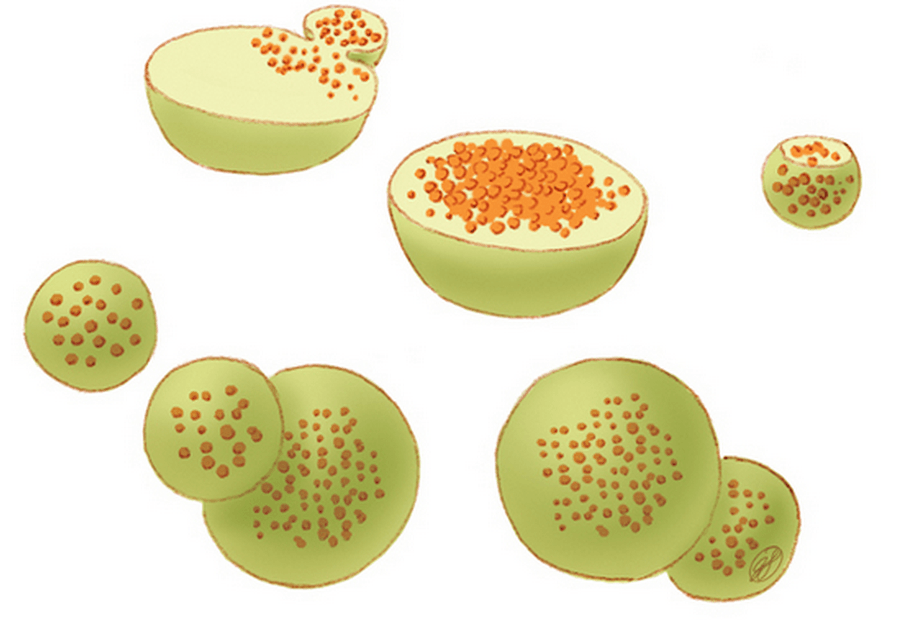
I am a protein packaging and shipping machine (mostly for export outside the cell)! Who am I?
a)
vacuole
b)
ribosome
c)
mitochondrion
d)
golgi apparatus
6.
You might think of me as the trash collector, but recycler is maybe more accurate. What am I?
a)
mitochondria
b)
lysosome
c)
vacuole
d)
ribosome
7.
Where are proteins made?
a)
Golgi body
b)
Mitoichondria
c)
Chromosomes
d)
Ribosomes
8.
What are tiny organelles that convert glucose into ATP?
a)
Ribosomes
b)
Vesicles
c)
Cytoskeleton
d)
Mitochondria
9.

Which of the following describes the function of the nucleolus?

a)

Command Center for the Cell

b)

Produce ribosomes

c)

To hold chromosomes

d)

To make DNA

10.

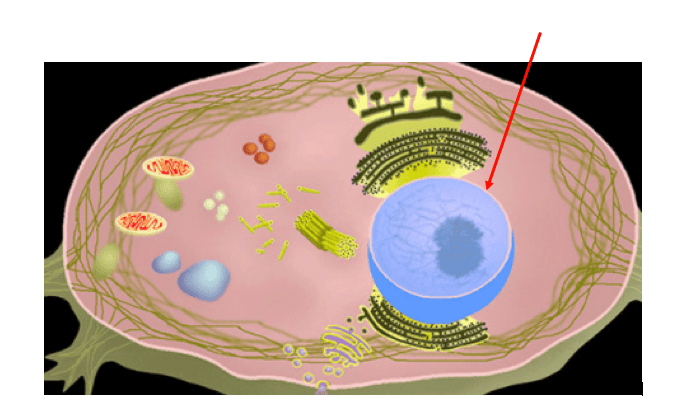
Identify the structure at the end of the arrow.

a)

Mitochondria

b)

Nucleus

c)

Ribosome

d)

Endoplasmic Reticulum

11.

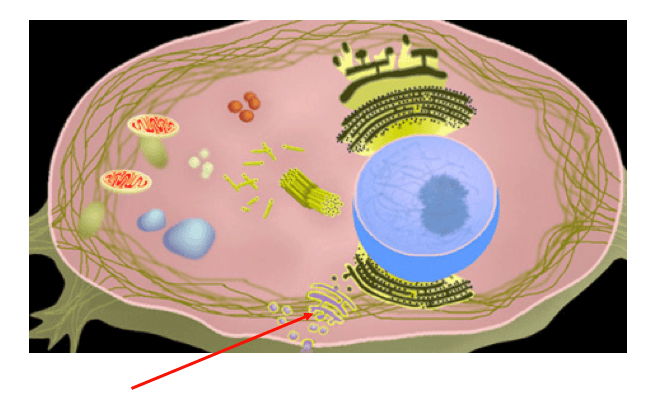
Identify the structure that the arrow is pointing to.

a)

Endoplasmic Reticulum

b)

Golgi Body

c)

Ribosome

d)

Mitochondria

12.
Selectively permeable barrier that controls what enters and leaves the cell.
a)
cell membrane
b)
cell wall
c)
cytoskeleton
d)
rough ER
13.
Modifies, collects, & packages macromolecules such as proteins.
a)
smooth ER
b)
golgi apparatus
c)
ribosome
d)
rough ER
14.
Site of protein synthesis.
a)
nucleus
b)
mitochondria
c)
vacuole
d)
ribomsome
15.
Contains digestive enzymes to break down worn out parts of the cell.
a)
vacuole
b)
lysosome
c)
ribosome
d)
nucleolus
16.
Which of the following are found in all living cells?
a)
ribosomes
b)
cytoplasm
c)
cell membrane
d)
all of the above
17.
What is number 3 pointing to?
a)
nucleus
b)
chloroplast
c)
mitochondria
d)
golgi apparatus
18.

The arrow is showing the fluid inside the cell containing cell organelles (except the nucleus). What is the arrow pointing to in the cell?

a)

cytoplasm

b)

mitochondria

c)

ribosomes

d)

endoplasmic reticulum

19.

If many of the ribosomes of a cell were destroyed, what effect would this most likely have on the cell?

a)

The cell would not be able to create energy.

b)

The cell would not be able to make proteins.

c)

The cell would not e able to photosynthesize.

d)

The cell would not be able to break down waste in the cell.

20.

If a cell is compared to a city, then the Golgi apparatus, which contains membrane-bound structures called cisternae, acts as the

a)

trash service of the cell as it removes waste from the cell

b)

post office of the cell by packaging and sorting proteins

c)

mayor of the cell as it controls all of the cell's activities

d)

electrical plant of the cell by making usable energy

21.
A process in which DNA has the unique ability to make an exact copy of itself.
a)
Replication
b)
Translation
c)
Transcription
22.
Which part of the cell cycle is the longest? 
a)
Cytokinesis 
b)
Mitosis 
c)
Interphase
d)
Prophase
23.
What is the correct order of the stages of mitosis? 
a)
Metaphase, prophase, telophase, anaphase 
b)
Telophase, prophase,  anaphase metaphase, 
c)
Prophase, metaphase, anaphase, telophase
d)
Anaphase,  telophase, metaphase, prophase
24.
Which phase of mitosis is this? 
a)
Metaphase
b)
Telophase
c)
Anaphase
d)
Prophase
25.
Which part of mitosis is shown in this picture? 
a)
Anaphase
b)
Metaphase
c)
Telophase
d)
Prophase
26.
Which part of mitosis is shown in the picture? 
a)
Anaphase
b)
Prophase
c)
Telophase
d)
Metaphase
27.
What phase of mitosis is shown in this picture? 
a)
Prophase
b)
Metaphase
c)
Telophase
d)
Anaphase
28.
What part of the cell cycle is shown in the picture? 
a)
Cytokinesis 
b)
Interphase
c)
Mitosis 
d)
Anaphase
29.
In which part of cell cycle do the chromosomes replicate themselves and prepare to divide
a)
Interphase
b)
Mitosis
c)
Cytokinesis 
30.
What part of mitosis do the chromosomes line up in the middle of the cell and prepare to divide.
a)
Anaphase 
b)
Telophase 
c)
Prohapse
d)
Metaphase
31.
Which part of mitosis do the chromosomes begin to pull apart? 
a)
Anaphase
b)
Prophase
c)
Metaphase
d)
Telophase 
32.
Which part of the cell cycle does the cytoplasm pinch off and a new daughter cell is formed that is identical to the parent cell. 
a)
Interphase
b)
Mitosis
c)
Cytokinesis 
33.
What is shown in this picture? 
a)
Chromosome
b)
A single chromatid
c)
Chromatin
34.
What are the red cylinder organelles? 
a)
Spindle Fibers 
b)
Centromeres 
c)
Chromatids
d)
Centriole 
35.
What are the lines in the picture called?
a)
Spindle Fibers
b)
Centromeres
c)
Chromsomes  
d)
Centriole 
36.
Which is Metaphase?
a)
A
b)
E
c)
C
d)
F
37.
The structure of coiled DNA and proteins that forms in the cells nucleus prior to mitosis is 
a)
centromere
b)
centriole
c)
chromosome
d)
chromatid
38.
What does NOT happen during interphase?
a)
growth
b)
DNA replication 
c)
obtaining nutrients
d)
cell divison
39.

Cells of organisms must go through cell division for?

a)

growth

b)

repair of damaged cells

c)

replacement of dying cells.

d)

All of these

40.

DNA is replicated during ______ of the cell cycle.

a)

Gap 1

b)

Synthesis (S phase)

c)

Gap 2

d)

Gap 0

41.
What is cytokinesis?
a)
This is when two cells merge together to make one giant cell.
b)
The stage where chromosomes migrate to the opposite ends of the cell. 
c)
The stage of the cell cycle where the rest of the cell divides after mitosis is complete.
d)
The stage in which DNA condenses into chromosomes.
42.
True or False:
Normal cells grow and divide continuously.
a)
True
b)
False
43.

During most of interphase, DNA is found in a relaxed and uncondensed form called

a)

chromosome

b)

centromere

c)

centriole

d)

chromatin

44.

During mitosis, DNA is found in the condensed form called a

a)

chromosome

b)

centromere

c)

centriole

d)

chromatin

45.

Which of the following is the basic type of E.R. ?

a)

Rough E.R.

b)

Smooth E.R.

c)

Both of above

d)

None of above

46.

Proteins synthesis and folding occurs in...

a)

Rough ER

b)

Smooth ER

c)

Lysosome

d)

Plasma membrane

47.

Detoxification is carried out in...

a)

Smooth ER

b)

Rough ER

c)

Both of above

d)

None of above

48.
Organelle that makes proteins.  They may be found floating in the cytoplasm or attached to the rough ER.
a)
ribosomes
b)
lysosomes
c)
Golgi comples
d)
nucleosome
49.

......is important in the creation and storage of lipids and steroids.

a)

Smooth ER

b)

Rough ER

c)

Lysosome

d)

Mitochondria

50.

What is the function of the cell membrane?

a)

To control what comes in and out of the cell

b)

To break down food inside the cell

c)

to not let any material in and out of the cell

d)

to eat the cells food

51.

What means of cellular transport requires energy?

a)
passive
b)
active
c)
facilitated
d)
osmosis
52.
What is the diffusion of water through a selectively permeable membrane?
a)
active transport
b)
osmotic pressure
c)
facilitated diffusion
d)
osmosis
53.
Diffusion is the movement of particles
a)
from low to high concentration
b)
from  high to low concentration
c)
from equilibrium to areas of high concentration
d)
all of the above
54.
What characteristic of the cell membrane allows only certain material to pass through?
a)
selective gating
b)
selective permeability
c)
hydrophilia
d)
selective service
55.
Facilitated diffusion requires
a)
no energy
b)
energy
56.
Placing a cell in an isotonic solution causes the cell to
a)
shrink
b)
swell
c)
stay the same
57.
Placing a cell containing 10% salt  into a solution containing 15% salt will cause the cell to
a)
shrink
b)
 swell
c)
stay the same
58.
Moving from areas of LOW concentration to areas of HIGH concentration is called?
a)
Passive Transport
b)
Active Transport
c)
Diffusion
d)
Osmosis
59.
My cells are Shriveled!    What state are my cells in?
a)
Hypertonic
b)
Hypotonic
c)
Isotonic
d)
Diffusion 
60.
When moving particles AGAINST their concentration gradient, this is called?
a)
Passive Transport
b)
Osmosis
c)
Active Transport
d)
Facilitated Diffusion
61.
If the question asks about Osmosis, I will look for an answer about?
a)
Particles
b)
Salt
c)
Sugar
d)
Water
62.
If the question asks about something being PUMPED, I will look for an answer about?
a)
Passive Transport
b)
Active Transport
c)
Facilitated Diffusion
d)
Osmosis
63.
My cells are swollen!   To fix this, I would want a solution that moves water from a ______ concentration to a ______ concentration of water.
a)
High, Low
b)
Low, High
64.
A solute traveling DOWN its concentration gradient using a protein channel does this by ________ diffusion.
a)
Facilitated
b)
Active
c)
Osmosis
d)
Endocytosis
65.
Which way is the water moving in this cell?
a)
The water level will increase on the right side
b)
The water level will increase on the left side
c)
The water level on both sides will increase
d)
The water level on both sides will decrease
66.
Which way is the water moving in this cell?
a)
Water will move out of the cell
b)
Water will move into the cell
67.
Endocytosis is defined as
a)
the movement of large molecules from the inside of the cell to the outisde of the cell using channel proteins. 
b)
the movement of large molecules from the inside of the cell to the outisde of the cell membrane vesciles. 
c)
 the movement of large molecules from the outside of the cell to the inside of the cell using membrane vesciles.
d)
the movement of large molecules from the outside of the cell to the inside of the cell using channel proteins. 
68.
Exocytosis is the movement of
a)
any type of substance from outside the cell to the inside of the cell. 
b)
very large substances from outside the cell to the inside of the cell. 
c)
any type of substance from inside the cell to the outside.
d)
very large substances from inside the cell to the outside.
69.
Active transport _______ and is the movement of a substance from _____ to _____ concentration
a)
requires energy, high to low
b)
requires no energy, low to high
c)
 requires no energy, high to low
d)
 requires energy, low to high
70.
If something goes "along" its concentration gradient it goes from
a)
an area of low concentration to an area of high concentration
b)
an area of high concentration to an area of low concetration
71.

Which term refers to the maintenance of a stable internal environment in an organism?

a)

homeostasis

b)

sweating

c)

respiration

d)

photosynthesis

72.
What type of transport is this?
a)
facilitated diffusion
b)
active transport
c)
diffusion
d)
osmosis
73.

Why is homeostasis a BIG DEAL for cells?

a)

Because it means maintaining a stable internal environment and if cells don't do that they will not thrive and may not survive!

b)

Because it means removing waste products.

c)

Because it describes how cells use energy and all cells need energy.

d)

Because it means cell death and no cell wants to die!

74.

Match the following types of passive transport with the correct diagram.

a)
1.

Simple diffusion

b)
2.

Facilitated Diffusion

c)
3.

Osmosis