
 Worksheets
Special Senses Practice Quiz
Total questions: 150
Worksheet time: 1hrs 16mins

Which part is #1?
sclera
cornea
retina
lens
Which part is #2?
iris
cornea
retina
lens
Which part is #3?
sclera
cornea
retina
lens
Which part is #4?
pupil
iris
cornea
lens
Which part is #5?
pupil
iris
cornea
lens
Which part is #6?
sclera
cornea
retina
lens
Which part is #7?
sclera
optic nerve
cornea
retina
What does the optic nerve do?
transmit impulses from retina to brain
helps the eye focus
receives light and sends it to brain
transmits light rays to retina
What does the retina do?
transmit impulses from retina to brain
helps the eye focus
receives light and sends it to brain
transmits light rays to retina
What does the cornea do?
transmit impulses from retina to brain
helps the eye focus
receives light and sends it to brain
transmits light rays to retina
What does the pupil do?
protects the eye
helps the eye focus
allows light to enter eye
regulates how much light enters the eye
What does the lens do?
transmits light rays to retina
helps the eye focus
allows light to enter eye
regulates how much light enters the eye
What does the iris do?
transmits light rays to retina
helps the eye focus
allows light to enter eye
regulates how much light enters the eye
What does the sclera do?
protects the eye
helps the eye focus
allows light to enter eye
transmits light rays to retina


The iris in a human can be
brown
green
blue
all of the above
The optic nerve transmits signals to the
temporal lobe
parietal lobe
occipital lobe
frontal lobe
The cornea
helps protect the eye
begins bending light to make an image
both of the above
none of the above
True/False: The vitreous humor helps give the cornea its rounded shape.
True
False
The pupil is located at the center of the
sclera
iris
retina
nothing
The vitreous humor is
gel like and gives the eyeball its shape
watery and gives the eyeball its shape
The blind spot is created by the
retina
optic nerve leaving the eye through the retina
nothing; we don't have one
The sclera is designed for
strength
clarity
What are the functions of eyelids and eyelashes
to protect and rehydrate the eyes
keep dirt out of the eyes
keep debris out of the eys
all of the above
The human eye is surrounded by how many muscles?
4
2
6
5


What happens in the tympanic membrane
?
Sound waves are converted to vibrations.
Sound waves make the tiny hairs in your ear move
Carries the message to the brain
What does the fluid inside your ears do when displaced?
Vibrates the skin in your ear
Sends sound waves to the brain
Displaces the hair cells.
Stimulates the hair cells to send an impulse
What is in the Semi-Circular canals?
Cilia (Tiny Hairs)
Liquid
Thin Skin
Where is the tympanic membrane located?
The Outer ear
The Inner Ear
The Middle Ear
Where is the Eustachian Tube connected to?
The back of the head
The back of the nose
The back of the Ear
When sound waves cause the tympanic membrane to vibrate, these vibrations are immediately passed on to the_________.
outer ear and ear canal
inner ear
tiny hairs
three small bones in the middle ear

What happens in the inner ear?
Sound waves are captured.
Sound waves move deeper into the ear.
Sound waves are reflected.
Sound waves are converted into nerve impulses.

What is #13?
tympanic membrane
Anvil
Hammer
Cochlea

What is #2?
Auditory canal
Pinna
Hammer
Anvil
Which of the following is NOT in the MIDDLE EAR?
Auricle
Eustachian tube
Malleus
Tympanic Membrane
The impulse is generated and is transmitted to the temporal lobe when what happens?
the eardrum vibrates
the basilar membrane vibrates
the oval window vibrates
the hair cells are bent
When sound waves vibrate the tympanic membrane what structure of the ear is moved next:
the vestibule
the cochlea
the semicircular canals
the malleus
The malleus, incus, and stapes are collectively called the
maculae
vestibulocochlear nerves
semicircular canals
auditory ossicles
Which of the below structures acts to convert sound waves to vibrations?
cochlea
pinna
tympanic membrane
vestibulocochlear nerve

The diagram above represents
Cupula
Ampulla
Utricle
Saccule
Sound is produce by
Vacuum
Sound wave
Hitting
Vibration

Senses that respond to chemicals in solution utilize which of the following:
Meissner's corpuscle
chemoreceptors
crista ampullaris
beta lactamase
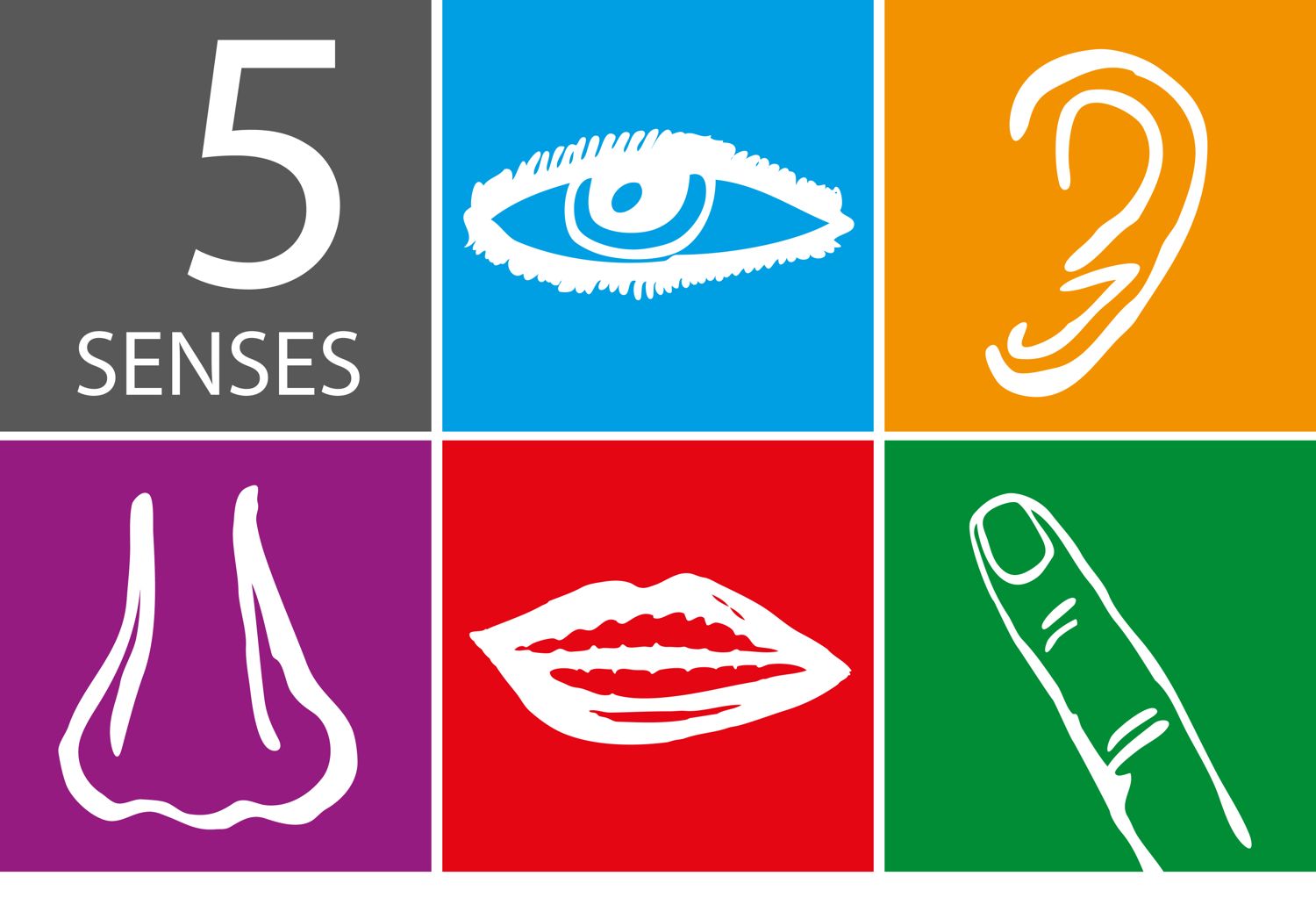
Which of the following senses are most closely related:
touch and smell
smell and taste
taste and hearing
hearing and smell

The nerves associated with smell are referred to as the:
olfactory receptor cells
smell cells
gustatory receptor cells
umami cells
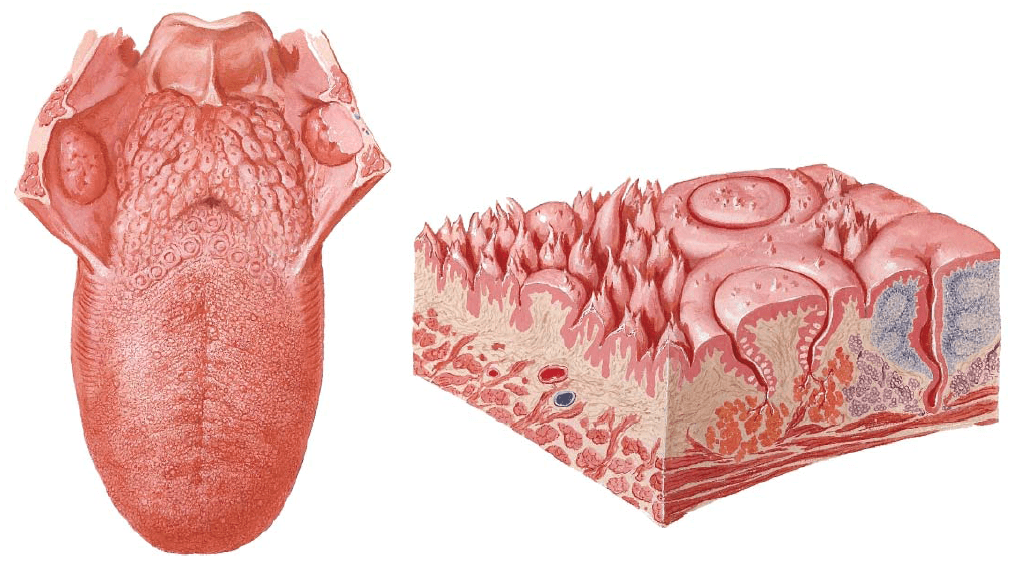
Small projections located on the tongue’s surface where taste buds are located are known as:
papillae
gustatory cells
olfactory epithelium
mucous producing glands
Our noses can detect chemicals in the air
True
False
NOT a primary taste sensation
bitter
salty
sweet
peppery
can detect the largest variety
taste buds
olfactory receptors
cones
rods
chemical sense of smell
ageusia
gustation
olfaction
anosmia
receptor of gustation; sweet, salty, sour, bitter, umami
cones
olfactory receptors
hair cells
taste buds
lobe of brain responsible for taste
frontal
occipital
parietal
temporal
chemical sense of taste
gustation
olfaction
anosmia
ageusia
decline in the transmission of a sensory neuron when receptor is continuously stimulated; smell is rapid
accommodation
adaptation
anosmia
ageusia

The papillae are:
The bumps on the tongue that contain the taste buds.
The taste buds.
Receptors which are found in the nose.
Receptors in the back of the eye which detect light.

Which of the following papillae do not contain taste buds:
fungiform
filiform
circumvallate
all of the above

Gustatory hairs protrude through which of the following:
olfactory epithelium
action potential
vagus nerves
taste pores

Which of the following receptors respond to nitrogen containing molecules:
sweet
sour
bitter
umami
salty

Which of the following receptors would guide the intake of minerals such as sodium, potassium, calcium, iron, etc:
sweet
sour
bitter
umami
salty
Which of the following is not a way to increase the "flavor" of food?
Add elements that stimulate as many different tastes (of the 5) as possible.
Eat slowly to allow the flow of saliva to keep up
Eat from a different food each bite
all of these will increase the flavor
Foods that taste sour are
toxic
sweet
acidic
none of these
Alkaloid molecules which include some plant toxins, typically taste
sweet
bitter
sour
umami
An earthy flavor found in meat and mushrooms is
sweet
sour
umami
bitter
Adaptation occurs in both olfactory and taste sensory neurons
true
false
only in olfactory
only in taste
Taste and smell neurons are
chemoreceptors
mechanoreceptors
photoreceptors
nociceptors
Which of the following about taste neurons is false?
they only respond to one sensory stimulus, i.e. sweet
molecules must be dissolved in saliva to be tasted
most, but not all, taste buds are on the tongue
we can taste about 10,000 different substances with our tongue
What is the effect of cold on the flavor of food?
enhances it
changes it
reduces it
hides it
Which hearing test is used to determine if the hearing is the same in both ears?
Weber
Rinne
Both
Neither
Which hearing test is used to determine if there is some conductive hearing loss?
Weber
Rinne
Both
Neither
If the sound is heard better through the air than through bone, as in the Rinne test, it means
the is neuronal hearing loss
there is no hearing loss
there is hearing loss in the left ear
there is hearing loss in the right ear
When the neurons that transmit sound wave information are damaged then the patient will
hear better by bone conduction than air conduction
hear better by air conduction than bone conduction
will hear better on the right side than the left
will hear better on the left side than the right
Why do we have two ears?
one is a back-up in case something happens to the other
they hear different sounds
so we can judge direction and distance of sounds
one is for high frequency and one is for low frequency
As people age, what sound frequencies are permanently lost first?
high
low
loud
soft
What is tinnitus and what causes it?
ringing in the ears caused by age, injury, medications, hearing loss
an infection, caused by bacteria
hearing loss caused by loud noises
vertigo caused by fluid build up

