wayground logo

Free Printable Worksheets

Font size

S
M
L
XL
Worksheets

Molecular Genetics Giant Review

Total questions: 148

Worksheet time: 6hrs 47mins

Name
Class
Date
1.
What is the purpose of DNA replication?
a)
Cut the DNA 
b)
Make more cells
c)
Apoptosis
d)
Duplicate the DNA
2.

Which enzyme seals okazaki fragments together on the lagging strand?

a)

Primase

b)

Helicase

c)

Polymerase

d)

Ligase

3.

This enzyme is capable of breaking Hydrogen bonds found between the bases of DNA

a)

Primase

b)

DNA Helicase

c)

DNA Polymerase

d)

Ligase

4.

This enzyme is used to remove short RNA bases

a)

Topoisomerase

b)

DNA Helicase

c)

Exonuclease

d)

Telomerase

5.
What do we call DNA replication since new DNA has 1 parent strand and 1 new strand?
a)
Conservative 
b)
Semiconservative 
c)
Dispersive
6.
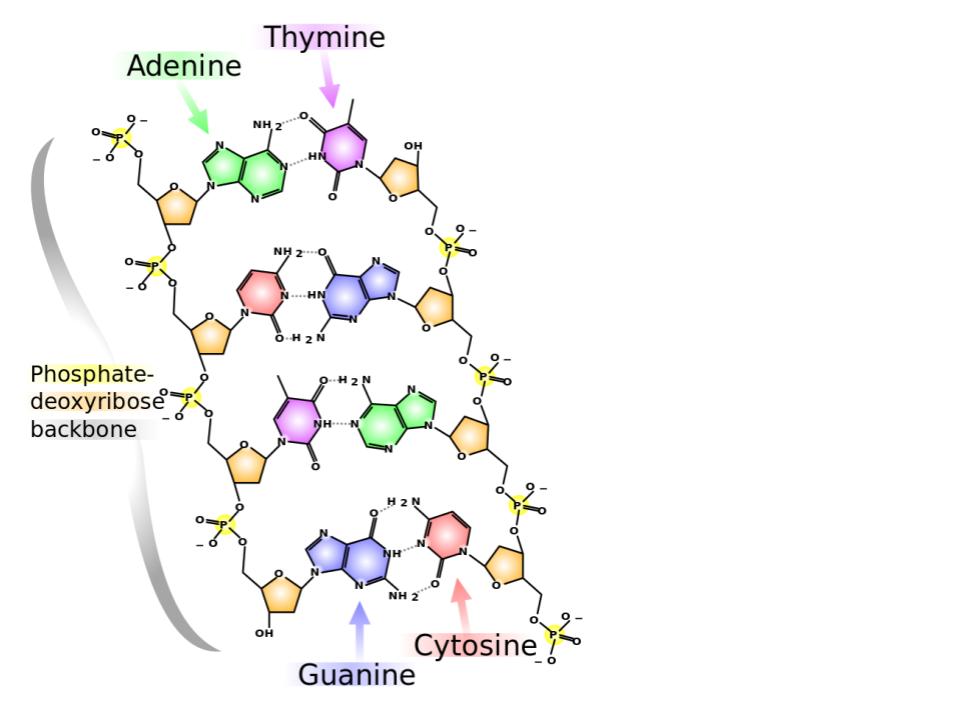
What is the backbone of DNA made of?
a)
Nitrogen bases
b)
Amino acids
c)
Double H
d)
Sugar & Phosphate
7.
Which enzyme is responsible for adding nucleotides?
a)
Topoisomerase
b)
DNA Polymerase
c)
Ligase
d)
Primase
8.

The separation of the two single strands of DNA creates a ‘Y’ shape?

a)

enzyme

b)

unzip

c)

A replication fork

9.

This enzyme synthesizes short RNA sequences to guide DNA Polymerase

a)

Primers

b)

DNA Primase

c)

DNA Polymerase

d)

Topoisomerase

10.

Which enzyme is responsible for checking DNA for errors, and fixing it?

a)

DNA Polymerase

b)

DNA Primase

c)

DNA Helicase

d)

RNA Polymerase

11.

Each DNA molecule created contain one NEW strand and one OLD strand

a)

True

b)

False

12.

Okazaki fragments are found on the _______________ strand

a)

Leading

b)

Lagging

13.

This enzyme ONLY works in one direction which is 5'------> 3'

a)

DNA Polymerase

b)

DNA Helicase

c)

Topoisomerase

d)

Telomerase

14.

Okazaki fragments are unified into a single continuous strand by the use of this enzyme

a)

DNA Helicase

b)

DNA Ligase

c)

Topoisomerase

d)

Telomerase

15.
Which sequence of DNA bases would pair with this partial strand
CAT TCA CTG
a)
ATG TGA CAG
b)
TAC ACT GTC
c)
GTA AGT GAC
d)
CAT TCA CTG
16.
Which of the following units are repeatedly joined together to form a strand of DNA?
a)
amino acids
b)
nucleotides
c)
fatty acids
d)
polysaccharides
17.
The enzyme that unwinds the DNA to prepare for replication
a)
helicase
b)
replicase
c)
polymerase
d)
synthase
18.
DNA replication results in two DNA molecules,
a)
each one with two original strands
b)
each one with two new strands
c)
each one with one new strand and one original strand
d)
one with two new strands and the other with two original strands
19.
order of replication
a)
3, 4, 2, 1
b)
3, 1, 4, 2
c)
2, 1, 4, 3
d)
3, 4, 1, 2
20.
A process in which DNA has the unique ability to make an exact copy of itself.
a)
Replication
b)
Translation
c)
Transcription
21.
In what phase of the cell cycle does DNA replication take place?
a)
G1
b)
S
c)
G2
d)
M
22.
Which enzyme is responsible for adding nucleotides?
a)
Topoisomerase
b)
DNA Polymerase
c)
Ligase
d)
Primase
23.
The process of DNA replication is called semi conservative because it results in
a)
none of these
b)
Two DNA molecules.  One original molecule and one with two new strands
c)
two exact copies with new strands
d)
two identical molecules, each with 1 original strand and one new.
24.
Based on the diagram, the enzyme (represented in gray) is most likely...
a)
DNA polymerase
b)
DNA Ligase
c)
Nuclease
d)
Helicase
25.
What will the first four bases of the new DNA strand look like if copying the template strand?
a)
TGGT
b)
ACCA
c)
GTTG
d)
CAAC
26.
Which of the following does DNA polymerase NOT do?
a)
connects nucleotides (in the new strand) through covalent bonds
b)
Matches the template nucleotides with free nucleotides
c)
proofreads
d)
It does all of these functions
27.

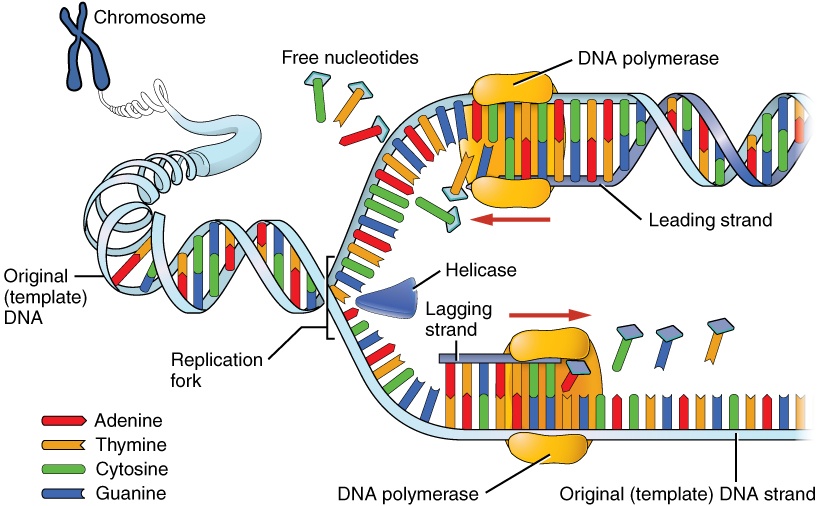
The picture below shows an enzyme unwinding and unzipping DNA.

​What is the name of this enzyme?

a)

DNA Helicase

b)

DNA Ligase

c)

DNA polyermase

d)

RNA Polymerase

28.

Match he nucleotide with its complementary nucleotide. (DNA to DNA).


Adenine -

a)

Thymine

b)

Guanine

c)

Cytosine

29.

Match he nucleotide with its complementary nucleotide. (DNA to DNA).


Cytosine-

a)

Thymine

b)

Guanine

c)

Adenine

30.

Which enzyme is responsible for adding the free nucleotides to the replicating DNA? ​

a)

DNA Helicase

b)

DNA Ligase

c)

DNA polyermase

d)

RNA Polymerase

31.

Which is the first step?

a)

DNA Helicase unwinds original DNA strand

b)

RNA Primase lays down RNA primer for new nucleotide bases.

c)

DNA polymerase builds new strands by bring in new nucleotide bases.

d)

Ligase knits together fragments on lagging strand

32.

Which is the second step?

a)

DNA Helicase unwinds original DNA strand

b)

RNA Primase lays down RNA primer for new nucleotide bases.

c)

DNA polymerase builds new strands by bring in new nucleotide bases.

d)

Ligase knits together fragments on lagging strand

33.

Which is the third step?

a)

DNA Helicase unwinds original DNA strand

b)

RNA Primase lays down RNA primer for new nucleotide bases.

c)

DNA polymerase builds new strands by bring in new nucleotide bases.

d)

Ligase knits together fragments on lagging strand

34.

Which is the fourth step?

a)

DNA Helicase unwinds original DNA strand

b)

RNA Primase lays down RNA primer for new nucleotide bases.

c)

DNA polymerase builds new strands by bring in new nucleotide bases.

d)

Ligase knits together fragments on lagging strand

35.

Which letter in the picture below depicts the leading strand in DNA replication?

a)

A

b)

C

c)

B

d)

None of the above

36.

Which letter in the picture below depicts the lagging strand in DNA replication?

a)

A

b)

C

c)

B

d)

None of the above

37.
What does DNA stand for?
a)
Deoxyribonucleic acid
b)
Denitrogenous acid
c)
Deribonucleic acid
d)
Diribonucleic acid
38.
Which of the following best describes a DNA molecule?
a)
double helix
b)
contains ribose
c)
made of amino acids
d)
contains Uracil
39.
DNA is a polymer made of:
a)
Nucleotides
b)
Ribosomes
c)
Purines
d)
Pyrimidines
40.
In a molecule of double-stranded DNA, the amount of Adenine present is always equal to the amount of
a)
cytosine
b)
guanine
c)
thymine
d)
uracil
41.
Which organelle is DNA usually found in?
a)
cell membrane
b)
vacuole
c)
ribosome
d)
nucleus
42.
What determines the code, or information, of a DNA molecule?
a)
the shape (structure) of the nitrogen bases
b)
the order (sequence) of the nitrogen bases
c)
the color of the nitrogen bases
d)
the frequency (number) of nitrogen bases
43.
What will the matching sequence be on a strand that reads AAGCTAT?
a)
AACGATA
b)
TTCGTTA
c)
CCTGATA
d)
TTCGATA
44.
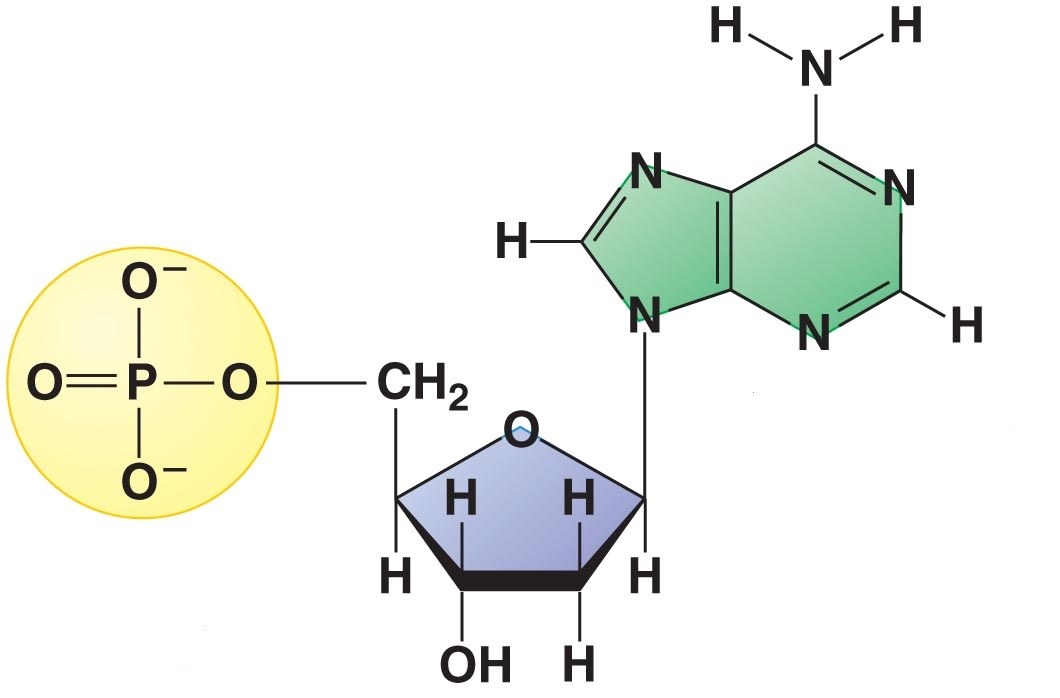
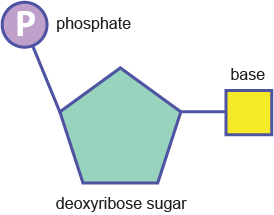
What are the three components of a nucleotide?
a)
sugar, hydrogen, nitrogen base
b)
sugar, oxygen, nitrogen base
c)
sugar, phosphate, nitrogen base
d)
sugar, phosphate, protein
45.
DNA polymerase is a(n)
a)
lipid
b)
enzyme
c)
sugar
d)
starch
46.
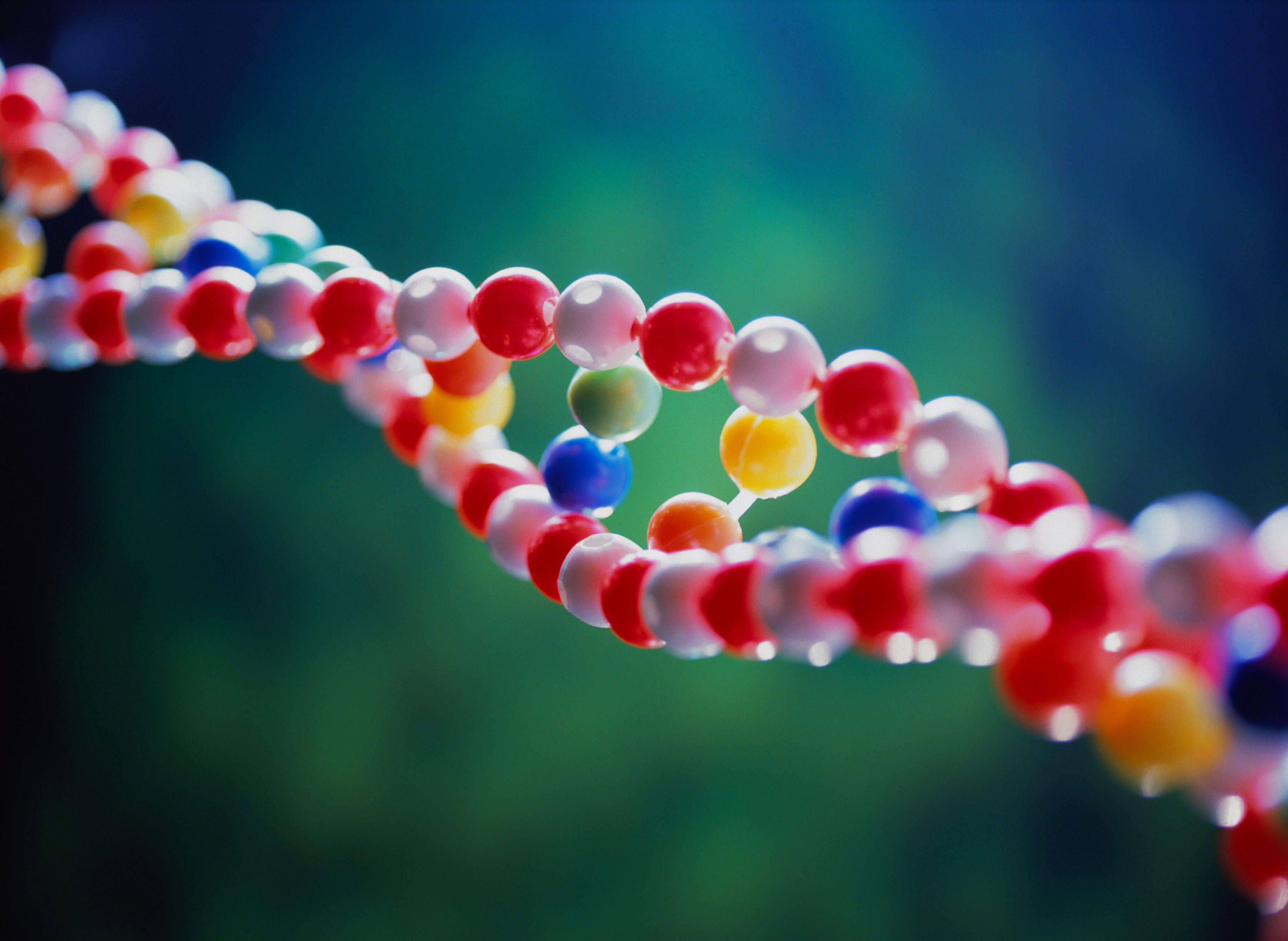
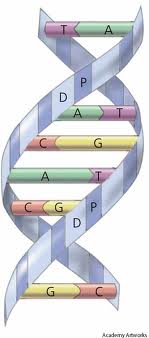
Name this structure
a)
double helix
b)
nucelotide
c)
twisted ladder
d)
hydrogen bond
47.
Nitrogenous bases are joined by which type of bond?
a)
polar bonds
b)
ionic bonds
c)
covalent bonds
d)
hydrogen bonds
48.
What are the three components of a nucleotide?
a)
sugar, hydrogen, nitrogen base
b)
sugar, oxygen, nitrogen base
c)
sugar, phosphate, nitrogen base
d)
sugar, phosphate, protein
49.
Which of the following would be a nucleotide found in DNA
a)
Ribose + phosphate + uracil
b)
Deoxyribose + phosphate + uracil  
c)
Deoxyribose + phosphate + adenine
d)
Ribose + phosphate + adenine
50.
An RNA molecule is
a)
double helix
b)
always double stranded
c)
usually double stranded
d)
single stranded
51.
In mRNA, each codon specifies a particular 
a)
nucleotide
b)
amino acid
c)
purine
d)
pyrimidine
52.

. What are the building blocks of proteins called?

a)

nucleotides

b)

proteins

c)

amino acids

d)

carbohydrates

53.
How many bases are in one codon?
a)
1
b)
2
c)
3
d)
4
54.
What is the correct sequence?
a)
RNA --> DNA --> Protein
b)
Protein --> RNA --> DNA
c)
DNA --> RNA --> Protein
d)
DNA --> Protein --> RNA
55.
What structure in a cell is the site for making proteins?
a)
ribosomes
b)
mitochondria
c)
lysosome
d)
Golgi body
56.
Which amino acid is made from the RNA codon UUA?
a)
Phenylalanine
b)
Leucine
c)
Serine
d)
Tyrosine
57.
Process in which amino acids are assembled into proteins at the ribosome?
a)
Translation
b)
Transcription
c)
Meiosis
d)
Replication
58.

An mRNA molecule is produced in which step of protein synthesis:

a)

replication

b)

transcription

c)

duplication

d)

translation

59.
If the mRNA sequence is AGA UUU CGA GCC,
what is the complementary tRNA anticodons?
a)
AGA TTT CGA GCC
b)
UCU AAA GCU CGG
c)
TCT AAA GCT CGG
d)
UCU AAA CGA GGG
60.
Brings the amino acids to the ribosome
a)
mRNA
b)
tRNA
c)
rRNA
d)
DNA
61.

Overall, protein synthesis consists of these steps

a)

DNA synthesis, RNA synthesis and transcription

b)

transcription and translation

c)

DNA synthesis, transcription and translation

62.
Where does transcription take place?
a)
nucleus
b)
cytoplasm
c)
ribosome
63.
Which RNA bases would pair with TACGAA in transcription
a)
AUGCUU
b)
ATGCTT
c)
GCATCC
d)
GCAUCC
64.
How many amino acids are coded for by this sequence of nucleotides:
ATG GGA ACT CCA
a)
4
b)
2
c)
6
d)
12
65.
What is the difference between DNA and RNA in terms of bases?
a)
RNA contains uracil in place of thymine
b)
RNA contains uracil in place of adenine
c)
RNA contains uracil in place of guanine
d)
RNA contains uracil in place of  cytosine
66.
What are the three components of a nucleotide?
a)
sugar, hydrogen, nitrogen base
b)
sugar, oxygen, nitrogen base
c)
sugar, phosphate, nitrogen base
d)
sugar, phosphate, protein
67.

TRANSCRIBE this DNA sequence into RNA: TAC GTT ACT

a)

AUG CAA UGA

b)

ATG CAA TGA

c)

AUG GAT UGA

d)

TAC GTT ACT

68.
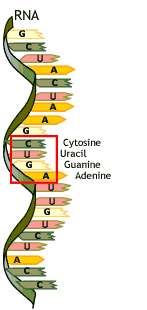
What is occurring in this picture?
a)
Translation
b)
Replication
c)
Translocation
d)
Transcription
69.

Which of the following are differences in the structure between RNA and DNA

a)

DNA uses deoxyribose sugar, RNA uses sugar ribose

b)

DNA pairs Adenine with Uracil, RNA pairs Adenine with Thymine

c)

DNA is a double helix, RNA is a single helix

d)

DNA pairs Adenine with Thymine, RNA pairs Adenine with Uracil

70.

Which organelle is the location where protein is made?

a)

Ribosome

b)

Nucleus

c)

Cytoplasm

d)

Nucleotide

71.

During transcription, this type of ribonucleic acid is responsible for copying the DNA and brining it out of the nucleus.

a)

tRNA

b)

mRNA

c)

rRNA

d)

dRNA

72.

When these bond together, they form a protein

a)

Amino Acids

b)

Peptide Bonds

c)

Ribose

d)

Nucleotides

73.

These building blocks consist of a sugar, phosphate, and nitrogen base.

a)

Ribose

b)

Nucleotide

c)

Gene

d)

Protein

74.

A string of nucleotides that contain the information to make a specific protein

a)

Ribose

b)

Amino Acids

c)

tRNA

d)

Gene

75.

During translation, this type of ribonucleic acid is responsible for delivering amino acids to help make a protein.

a)

mRNA

b)

rRNA

c)

tRNA

d)

dRNA

76.

There are a total of ____ different amino acids

a)

20

b)

1

c)

4

d)

unlimited

77.

How many amino acids are found on one tRNA?

a)

20

b)

4

c)

1

d)

3

78.

Which of the following is the complementary mRNA sequence to this DNA strand: AACTGAA

a)

UUGACUU

b)

TTGACTT

c)

AACTGAA

d)

AACUGAA

79.
The main function of tRNA is to...
a)
carry a message that, when translated, forms proteins
b)
form a portion of ribosomes
c)
string together complementary RNA and DNA strands
d)
bring amino acids from the cytoplasm to the ribosomes
80.
What is the term for a three-nucleotide sequence that codes for an amino acid?
a)
base
b)
codon
c)
amine
d)
serine
81.
Which phrase best describes translation?
a)
converts mRNA into a polypeptide
b)
catalyzes bonds between amino acids
c)
produces RNA from DNA molecules
d)
recycles tRNA molecules for reuse
82.
Which of the following is the site of transcription?
a)
vacuole
b)
lysosome
c)
nucleus
d)
ribosome
83.
Which of the following is created in the nucleus and carries the genetic code to the cytoplasm?
a)
DNA
b)
tRNA
c)
mRNA
d)
rRNA
84.
What would happen if we did not have start codons?
a)
Polypeptide chains would continue to grow
b)
Amino acids would bind to tRNA
c)
Protein synthesis wouldn't occur
d)
mRNA would form a double strand
85.
which process is shown?
a)
diffusion
b)
repiration
c)
recombination
d)
translation
86.
Which of the following best describes how DNA and RNA are similar?
a)
they both contain A and T
b)
They both have a double helix
c)
They are both composed of 5 different nucleotides
d)
they both have C and G
87.
The DNA sequence ATCAGCGCTGGC is part of a gene. how many amino acids are coded for by this message?
a)
4
b)
8
c)
12
d)
20
88.
What is the relationship between a protein, the cell, and DNA?
a)
DNA is produced by protein which is produced in the cell
b)
Protein is composed of DNA which is produced in the cell
c)
DNA controls the production of protein in the cell
d)
A cell is composed of DNA and protein
89.
Genetic info flows in one direction. Which best represents this flow?
a)
DNA-protein-RNA
b)
Protein-RNA-DNA
c)
RNA-protein-DNA
d)
DNA-RNA-protein
90.
Which process?
a)
mutation
b)
transcription
c)
respiration
d)
translation
91.
In RNA, Uracil pairs with ______. 
a)
cytosine
b)
adenine
c)
guanine
d)
thymine
92.
Choose the nucleotide sequence of the RNA strand that would be complementary to the following strand: 
GTAGTCA
a)
UATUAGA
b)
ACGACTG
c)
CAUCAGU
d)
CATCAGT
93.
Which component of DNA determines the traits of an organism? 
a)
Nitrogen Bases
b)
Sugar-Phosphate Backbone
c)
Hydrogen bonds
94.
Does the order of amino acids in a protein matter?
a)
YES!
b)
NO!
95.

Which of the following occurs when RNA polymerase attaches a promoter DNA?

a)

elongation of mRNA

b)

termination of mRNA

c)

initiation of a protein

d)

initiation of mRNA

96.

A gene is

a)

the same as a chromosome

b)

the info for making a polypeptide

c)

made of RNA

d)

made of protein

97.

During the process of translation, ____ matches a nucleic acid codon with the proper amino acid.

a)

a ribosome

b)

ATP

c)

polymerase

d)

mRNA

98.

When RNA is being made, the RNA base ____ always pairs with the base ___ in DNA.

a)

U-T

b)

T-G

c)

U-A

d)

A-U

99.

A polypeptide is a sequence of ____________________ held together by a ______________ bond.

a)

amino acids; peptide

b)

fatty acids; ionic

c)

proteins; hydrogen

d)

fatty acids; covalent

100.

What is the role of RNA polymerase in transcription?

a)

Unzips DNA strands and builds mRNA

b)

Unzips RNA Strands

c)

Builds mRNA

d)

Builds DNA

101.

Specific base sequences on a DNA strand that can bind to RNA polymerase to initiate transcription.

a)

primase

b)

promoter

c)

primer

d)

polymerase

102.

Each tRNA molecule can code for only one amino acid.

a)

True

b)

False

103.

After coping the code from DNA, mRNA goes through a process called ________. This is where introns are cut out and exons are put together to form the final mRNA sequence.

a)

translation

b)

transcription

c)

splicing

d)

replication

104.

A single gene can produce many different mRNA molecules to create different proteins for different tissues because of

a)

transcription

b)

translation

c)

duplication

d)

splicing

105.
Which amino acid is made from the RNA codon UUA?
a)
Phenylalanine
b)
Leucine
c)
Serine
d)
Tyrosine
106.
What are the three components of a nucleotide?
a)
sugar, hydrogen, nitrogen base
b)
sugar, oxygen, nitrogen base
c)
sugar, phosphate, nitrogen base
d)
sugar, phosphate, protein
107.
What is occurring in this picture?
a)
Translation
b)
Replication
c)
Translocation
d)
Transcription
108.

Which amino acid is made from the RNA codon UUU?
a)
Phenylalanine
b)
Leucine
c)
Serine
d)
Tyrosine
109.
Which of the following best describes a DNA molecule?
a)
double helix
b)
contains ribose
c)
made of amino acids
d)
contains Uracil
110.
Why is DNA important?
a)
it is very small and very complicated
b)
it's in everything
c)
it serves as the blueprint for traits of all living things
d)
because we eat it every day for energy
111.
Which 2 molecules form the sides (backbone) of the DNA ladder?
a)
deoxyribose sugar and adenine
b)
deoxyribose sugar and a hydrogen bond
c)
deoxyribose sugar and the nucleus
d)
deoxyribose sugar and phosphate
112.
Nitrogenous bases are joined by which type of bond?
a)
polar bonds
b)
ionic bonds
c)
covalent bonds
d)
hydrogen bonds
113.
Which 2 molecules forms the sides (backbone) of the DNA ladder?
a)
deoxyribose and adenine
b)
deoxyribose and a hydrogen bond
c)
sugar and the nucleus
d)
deoxyribose (sugar) and phosphate
114.
What are the three components of a nucleotide?
a)
sugar, hydrogen, nitrogen base
b)
sugar, oxygen, nitrogen base
c)
sugar, phosphate, nitrogen base
d)
sugar, phosphate, protein
115.
Cytosine always pairs with
a)
Adenine
b)
Thymine
c)
Uracil
d)
Guanine
116.
Name this structure
a)
double helix
b)
nucelotide
c)
twisted ladder
d)
hydrogen bond
117.
Which organelle is DNA usually found in?
a)
cell membrane
b)
vacuole
c)
ribosome
d)
nucleus
118.
Nucleotides are made up of a sugar, phosphate, and..?
a)
nitrogenous base
b)
nucleic acid
c)
cholesterol
d)
fatty acid
119.
Guanine bonds with ______________.
a)
Adenine
b)
Guanine
c)
Cytosine
d)
Thymine
120.
The two strands of DNA are held together by:
a)
Hydrogen Bonds
b)
Phosphodiester Bonds
c)
Glycolsyl Bonds
d)
Glycosidic Linkages
121.
What is the complement to the DNA strand below:
5'-ATGCCAT-3'
a)
5'-TACGGTA-3'
b)
3'-TACGGTA-5'
c)
3'-ATGGCAT-5'
d)
5'-ATGGCAT-3'
122.

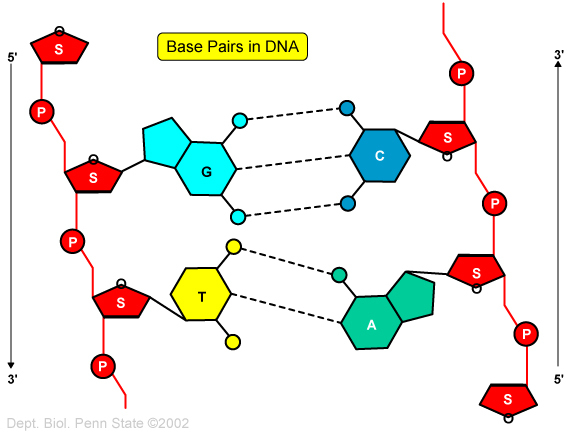
Which of the following is a base pair?

a)

Adenine - Cytosine

b)

Cytosine - Thymine

c)

Deoxyribose - Cytosine

d)

Cytosine - Guanine

123.
Which of the following is not a component of DNA?
a)
5 Carbon Sugar
b)
Phosphate Group
c)
Carbon Base
d)
Nitrogen Base
124.
Which of the following is not a nitrogen base found in DNA?
a)
Thymine
b)
Uracil 
c)
Guanine
d)
Adenine
125.

According to Chargaff's rule, Cytosine always pair with

a)

Adenine

b)

Uracil

c)

Thymine

d)

Guanine

126.
What is the significance of the sequence (order) of the Nitrogen Bases in DNA?
a)
The order of the Nitrogen Bases determines the number of chromosomes present in an organism.
b)
The order of the Nitrogen Bases determines the traits that an organism will possess (have).
c)
The order of the Nitrogen Bases determines the gender of an organism.
d)
The order of the Nitrogen Bases determines whether an organism is abiotic biotic.
127.
Assume that you have straight hair and your sibling has curly hair. What accounts for this difference?
a)
You have DNA and your sibling does not.
b)
The your sequence of nitrogen bases is different than your sibling.
c)
Your sibling has a weave. 
d)
Your sibling has a genetic mutation. 
128.

How is the instructions for your traits carried on a DNA molecule?

a)

Sequence of the nitrogen bases

b)

In the Deoxyribose Sugar

c)

In the bond between the phosphate and the sugar

d)

In the phosphate group

129.

Which of the following is not a component of DNA?

a)

Deoxyribose Sugar

b)

Phosphate Group

c)

Carbon Base

d)

Nitrogen Base

130.
Which of the following is not a nitrogen base found in DNA?
a)
Thymine
b)
Uracil 
c)
Guanine
d)
Adenine
131.

According to the Base Pair rule, Cytosine always pairs with

a)

Adenine

b)

Uracil

c)

Thymine

d)

Guanine

132.
What is the significance of the sequence (order) of the Nitrogen Bases in DNA?
a)
The order of the Nitrogen Bases determines the number of chromosomes present in an organism.
b)
The order of the Nitrogen Bases determines the traits that an organism will possess (have).
c)
The order of the Nitrogen Bases determines the gender of an organism.
d)
The order of the Nitrogen Bases determines whether an organism is abiotic biotic.
133.

The twisted ladder shape of DNA is known as a

a)

Double Helix

b)

Triple Helix

c)

Single Helix

d)

Double felix

134.
Assume that you have straight hair and your sibling has curly hair. What accounts for this difference?
a)
You have DNA and your sibling does not.
b)
The your sequence of nitrogen bases is different than your sibling.
c)
Your sibling has a weave. 
d)
Your sibling has a genetic mutation. 
135.

How is the instructions for your traits carried on a DNA molecule?

a)

Sequence of the nitrogen bases

b)

In the Deoxyribose Sugar

c)

In the bond between the phosphate and the sugar

d)

In the phosphate group

136.
The genetic material in cells is called......
a)
RNA
b)
Gene
c)
DNA
d)
Neuclotide
137.
What will the matching sequence be on a strand that reads AAGCTAT?
a)
AACGATA
b)
TTCGTTA
c)
CCTGATA
d)
TTCGATA
138.
Adenine bonds with ______________.
a)
Guanine
b)
Thymine
c)
Cytosine
d)
Adenine
139.
Guanine bonds with ______________.
a)
Adenine
b)
Guanine
c)
Cytosine
d)
Thymine
140.
What are the 4 nitrogen bases?
a)
adenine, thymine, cytoplasm, and guanine
b)
adenine, thymine cytosine, and guanine
c)
adenine, thymine, cytosine, and gylcerol
d)
adenine, thymine, cytosine, and glucose
141.
Name this structure
a)
double helix
b)
nucelotide
c)
amino acid
d)
protein
142.
Which 2 molecules forms the sides (backbone) of the DNA ladder?
a)
ribose (sugar) and nitrogen bases
b)
ribose (sugar) and phosphate
c)
deoxyribose (sugar) and nitrogen bases
d)
deoxyribose (sugar) and phosphate
143.
Which organelle is DNA usually found in?
a)
mitochondrian
b)
cell membrane
c)
chloroplast
d)
nucleus
144.
Which shows the correct complementary base pairing for DNA?
a)
C-A, T-G
b)
A-G, C-T
c)
C-G, U-A
d)
T-A, G-C
145.
What is the correct complementary strand for the following DNA?ATCGAG
a)
UAGCUC
b)
TAGCTC
146.
DNA codes for...
a)
bases
b)
proteins
c)
amino acids
d)
phosphates
147.
What does DNA stand for?
a)
deoxyribonucleic acid
b)
ribonucleic acid
148.

Which of the following is not a function of DNA?

a)

Stores genetic information

b)

Codes for proteins

c)

Helps determines your traits

d)

Tells your body when to move