
 Worksheets
Benchmark #1 Anatomy & Physiology Review
Total questions: 150
Worksheet time: 1hrs 29mins
Which organelle allows the cell to obtain materials from outside the cell to help maintain homeostasis?
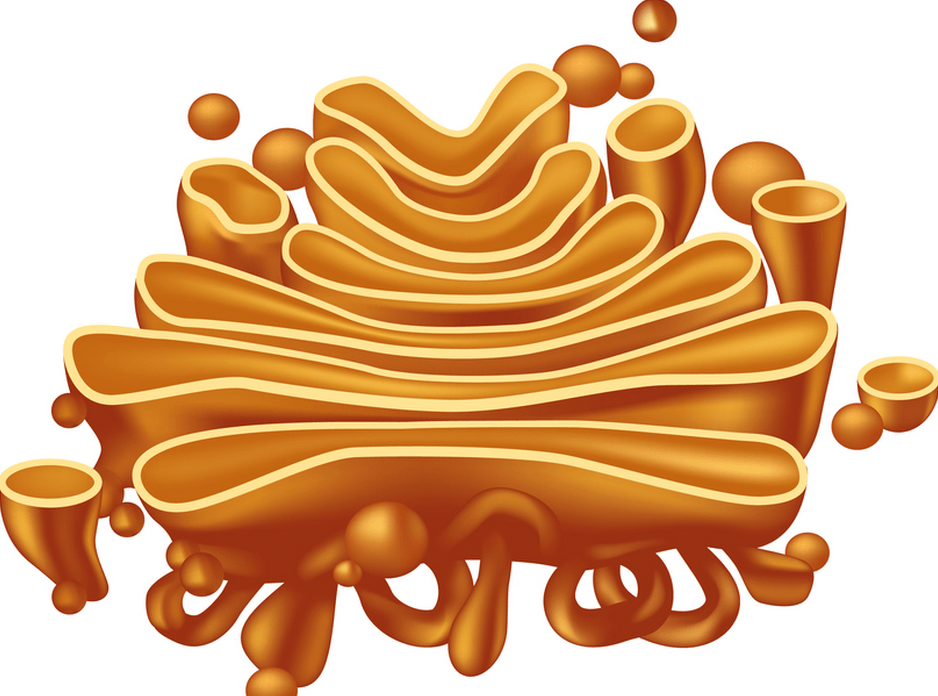
I am a protein packaging and shipping machine (mostly for export outside the cell)! Who am I?
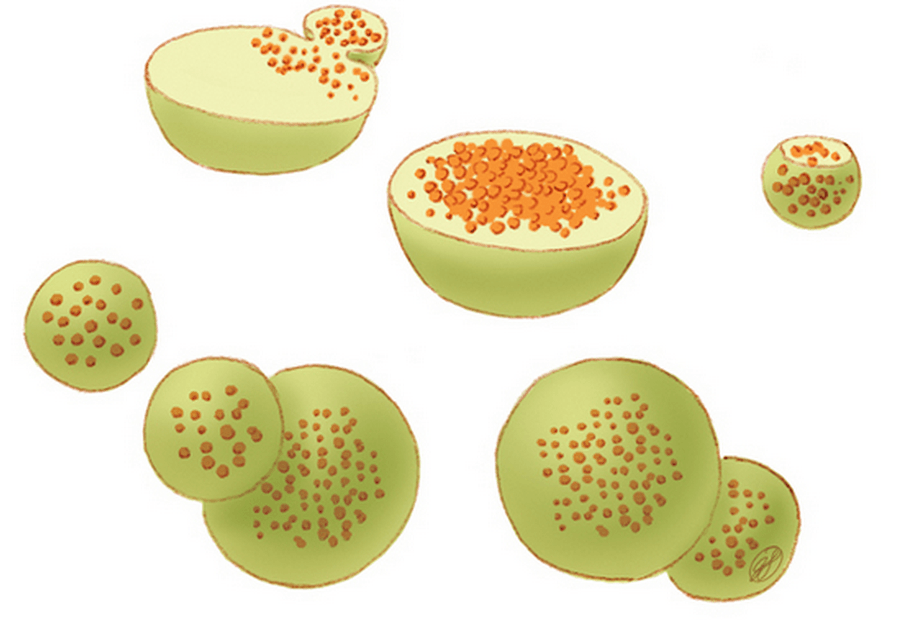
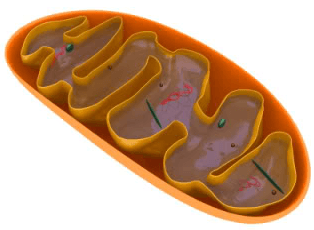
Which of the following describes the function of the nucleolus?
Command Center for the Cell
Produce ribosomes
To hold chromosomes
To make DNA
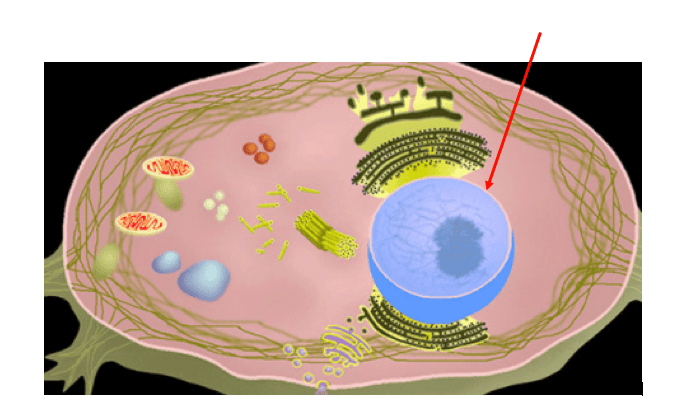
Identify the structure at the end of the arrow.
Mitochondria
Nucleus
Ribosome
Endoplasmic Reticulum
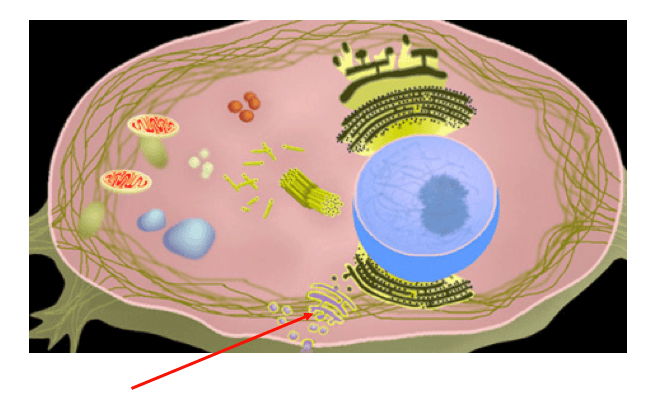
Identify the structure that the arrow is pointing to.
Endoplasmic Reticulum
Golgi Body
Ribosome
Mitochondria


The arrow is showing the fluid inside the cell containing cell organelles (except the nucleus). What is the arrow pointing to in the cell?
cytoplasm
mitochondria
ribosomes
endoplasmic reticulum
If many of the ribosomes of a cell were destroyed, what effect would this most likely have on the cell?
The cell would not be able to create energy.
The cell would not be able to make proteins.
The cell would not e able to photosynthesize.
The cell would not be able to break down waste in the cell.
If a cell is compared to a city, then the Golgi apparatus, which contains membrane-bound structures called cisternae, acts as the
trash service of the cell as it removes waste from the cell
post office of the cell by packaging and sorting proteins
mayor of the cell as it controls all of the cell's activities
electrical plant of the cell by making usable energy


Centrioles


Cells of organisms must go through cell division for?
growth
repair of damaged cells
replacement of dying cells.
All of these
DNA is replicated during ______ of the cell cycle.
Gap 1
Synthesis (S phase)
Gap 2
Gap 0
The stage of the cell cycle where the cell divides after mitosis is complete.
Normal cells grow and divide continuously.
During most of interphase, DNA is found in a relaxed form called
chromosome
centromere
centriole
chromatin
During mitosis, DNA is found in the condensed form called a
chromosome
centromere
centriole
chromatin
Which of the following is the basic type of E.R. ?
Rough E.R.
Smooth E.R.
Both of above
None of above
Proteins synthesis and folding occurs in...
Rough ER
Smooth ER
Lysosome
Plasma membrane
Detoxification is carried out in...
Smooth ER
Rough ER
Both of above
None of above

......is important in the creation and storage of lipids and steroids.
Smooth ER
Rough ER
Lysosome
Mitochondria


My cells are Shriveled! What kind of solution (environment) are my cells in?


What is the function of the cell membrane?
To control what comes in and out of the cell
To break down food inside the cell
to not let any material in and out of the cell
to eat the cells food

What is the function of the Vacuoles
Store food, water, and sometimes waste
Receive proteins
Assembles amino acids
Found inside the nucleus
any type of substance from outside the cell to the inside of the cell using vesicles.
very large substances from outside the cell to the inside of the cell using vesicles.
very large substances from inside the cell to the outside using vesicles.
Mouth area
Occipital
Orbital
Oral
Vertebral
Nose area
Acrominal
Cubital
Orbital
Nasal
Forehead area
Mental
Otic
Buccal
Frontal
Hip area
Coxal
Pelvic
Pubic
Lumbar
Naval area
Coxal
Abdominal
Umbilical
Pelvic
Genital area
Pelvic
Pubic
Sacral
Coxal
Wrist area
Tarsal
Carpal
Lumbar
Sacral
Upper arm area
Antebrachial
Brachial
Antecubital
Cubital

Cranial Cavity
Pleural Cavity
Pericardial Cavity
Vertebral Canal

The cavity surrounded by a box is?
Thoracic Cavity
Abdominal Cavity
Pelvic Cavity
Vertebral Canal

Number 3
pericardial cavity
pleural cavity
pelvic cavity
abdominal cavity

Number 4
abdominal cavity
pelvic cavity
spinal cavity
cranial cavity
The point of the shoulder
abdominal
acromial
antebrachial
antecubital
axillary
The forearm
abdominal
acromial
antebrachial
antecubital
axillary
the cheek
brachial
buccal
calcaneal
carpal
celiac
the heel
brachial
buccal
calcaneal
carpal
celiac
the head
cephalic
cervical
costal
coxal
crural
the neck
cephalic
cervical
costal
coxal
crural
Lower posterior region of the head
Cervical
Cephalic
Occipital
Orbital
Shoulder blade
Scapular
Acrominal
Cubital
Sternal
Armpit area
Acrominal
Axillary
Deltoid
Nasal
Mouth area
Occipital
Orbital
Oral
Vertebral
Eye cavity
Axillary
Buccal
Occipital
Orbital
Buttocks area
Flank
Gluteal
Umbilical
Lumbar
Back of leg (calf)
Calcaneal
Crural
Sural
Femoral
Ankle area
Tarsal
Carpal
Plantar
Femoral
Leg area
Calcaneal
Crural
Sural
Plantar
Sole of the foot
Crural
Sural
Plantar
Patellar
Thigh area
Crural
Sural
Calcaneal
Femoral

Antebrachial
Antecubital
Brachial
Femoral
The chest area
Area of the spine
Acrominal
Vertebral
Thoracic
Deltoid
anterior body; trunk inferior to the ribs (between thoracic and pelvic)
Abdominal
Dorsum
Coxal
Flank
anterior knee
Femoral
Popiteal
Patellar
Sural
Cephalic
Head Area
Thoracic
Abdomen
Upper Extremity
Lower Extremity
This cavity is within the thoracic and separates the lungs into right and left cavities. It also houses the heart and trachea
crural
buccal
mediastinum
abdominal
anterior surface of the elbow
abdominal
acromial
antebrachial
antecubital
axillary
breastbone area (center of chest)
Scapular
Sternal
Thoracic
Cervical

Shoulder area
Cervical
Deltoid
Cubital
Axillary
Region of lower back between the ribs and hips
Brachial
Gluteal
Lumbar
Coxal
Posterior region between the hips
Sacral
Coxal
Brachial
Lumbar
Imaginary midline dividing the body into equal right and left halves
Coronal
Midsagittal
Any plane (section) that is cut along lengthwise, or longitudinal plane of the body, dividing the body into right or left parts.
transverse section
frontal section
sagittal section
coronal section
A cut along a horizontal plane that divides the body (or an organ) into superior and inferior parts.
coronal section
transverse section
sagittal section
frontal section
The cephalic region is _________ to the thoracic region.
superior
inferior
laterial
medial
area where the thigh meets body trunk; groin
nasal
inguinal
sternal
umbilical
the lateral part of the leg
fibular
femoral
carpal
trasal
Posterior knee area
Femoral
Popliteal
Patellar
Sural
Finger or Toe area
Carpal
Coxal
Digital
Dorsum
Anterior of the knee
Femoral
Popiteal
Patellar
Sural
For arms and legs: A part is farther away from the point of attachment to the trunk of the body
For arms and legs: A part closer to the point of attachment to the trunk of the body
Which of the following is true of the integumentary system?
Provides protection from external stresses; helps regulate body temperature
absorbs nutrients and eliminates wastes
stores minerals and supports the body
creates sex cells
Which of the following is true of the skeletal system?
filters blood and produces urine
acts as a barrier against exgernal invasion
provides support and protection; stores minerals
removes fluid and proteins that have left the blood vessels
Which of the following is true of the muscular system?
stores fats and minerals
produces movement; generates heat; stabilizes body position
digests food and eliminates wastes
transports chemical messengers and nutrients to the cells
Which of the following is true of the nervous system?
helps regulate red blood cell production; eliminates wastes
creates sex cells
acts as a barrier against external invasion
detects, interprets and responds to changes in the environment; regulates homeostasis
Which of the following is true of the cardiovascular system?
detects, interprets and responds to changes in the environment
exchanges oxygen and carbon dioxide between the body and the atmosphere
transports oxygen, carbon dioxide, nutrients and wastes to and from cells
digests food and eliminates wastes
Which of the following is true of the endocrine system?
detects, interprets and responds to changes in the environment
exchanges oxygen and carbon dioxide between the body and the atmosphere
transports oxygen, carbon dioxide, nutrients and wastes to and from cells
regulates body activity via hormone secretion
Which of the following is true of the lymphatic system?
detects, interprets and responds to changes in the environment
returns proteins and fluids to the blood, transports fats and transports fats from the intestines to the blood
nourishes a developing fetus and embryo
regulates body activity via hormone secretion
Which of the following is true of the respiratory system?
transfers oxygen and carbon dioxide between air and the blood
returns proteins and fluids to the blood, transports fats and transports fats from the intestines to the blood
nourishes a developing fetus and embryo
digests food and eliminates wastes
Which of the following is true of the digestive system?
transfers oxygen and carbon dioxide between air and the blood; helps regulate the acid-base balance
returns proteins and fluids to the blood, transports fats and transports fats from the intestines to the blood
nourishes a developing fetus and embryo
breaks down food, absorbs nutrients and eliminates wastes
Which of the following is true of the urinary system?
transfers oxygen and carbon dioxide between air and the blood; helps regulate the acid-base balance
Eliminates nitrogenous wastes, regulates water, electrolyte, and acid-base balance of blood.
nourishes a developing fetus and embryo
stores fats and minerals
Which of the following is true of the male reproductive system?
creates sex cells
helps regulate body temperature
nourishes a developing fetus and embryo
stores fats and minerals
nails, hair, skin and glands
integumentary system
skeletal system
nervous system
cardiovascular system
respiratory system
nose, pharynx, trachea and lungs
integumentary system
skeletal system
nervous system
cardiovascular system
respiratory system
bones, joints, cartilage, tendons and ligaments
integumentary system
skeletal system
nervous system
cardiovascular system
respiratory system
brain, spinal cord and special senses
integumentary system
skeletal system
nervous system
cardiovascular system
respiratory system
Heart, blood, arteries and veins
integumentary system
skeletal system
nervous system
cardiovascular system
respiratory system
pituitary, adrenal grand, testes
male reproductive system
female reproductive system
urinary system
lymphatic system
endocrine system
testes, epididymis, scrotum
male reproductive system
female reproductive system
urinary system
lymphatic system
endocrine system
tonsils, spleen, thymus
male reproductive system
female reproductive system
urinary system
lymphatic system
endocrine system
kidneys, ureters, bladder
male reproductive system
female reproductive system
urinary system
lymphatic system
endocrine system
ovaries, uterus, fallopian tubes
male reproductive system
female reproductive system
urinary system
lymphatic system
endocrine system

