wayground logo

Free Printable Worksheets

Font size

S
M
L
XL
Worksheets

AP first semester exam review

Total questions: 146

Worksheet time: 2hrs 26mins

Name
Class
Date
1.
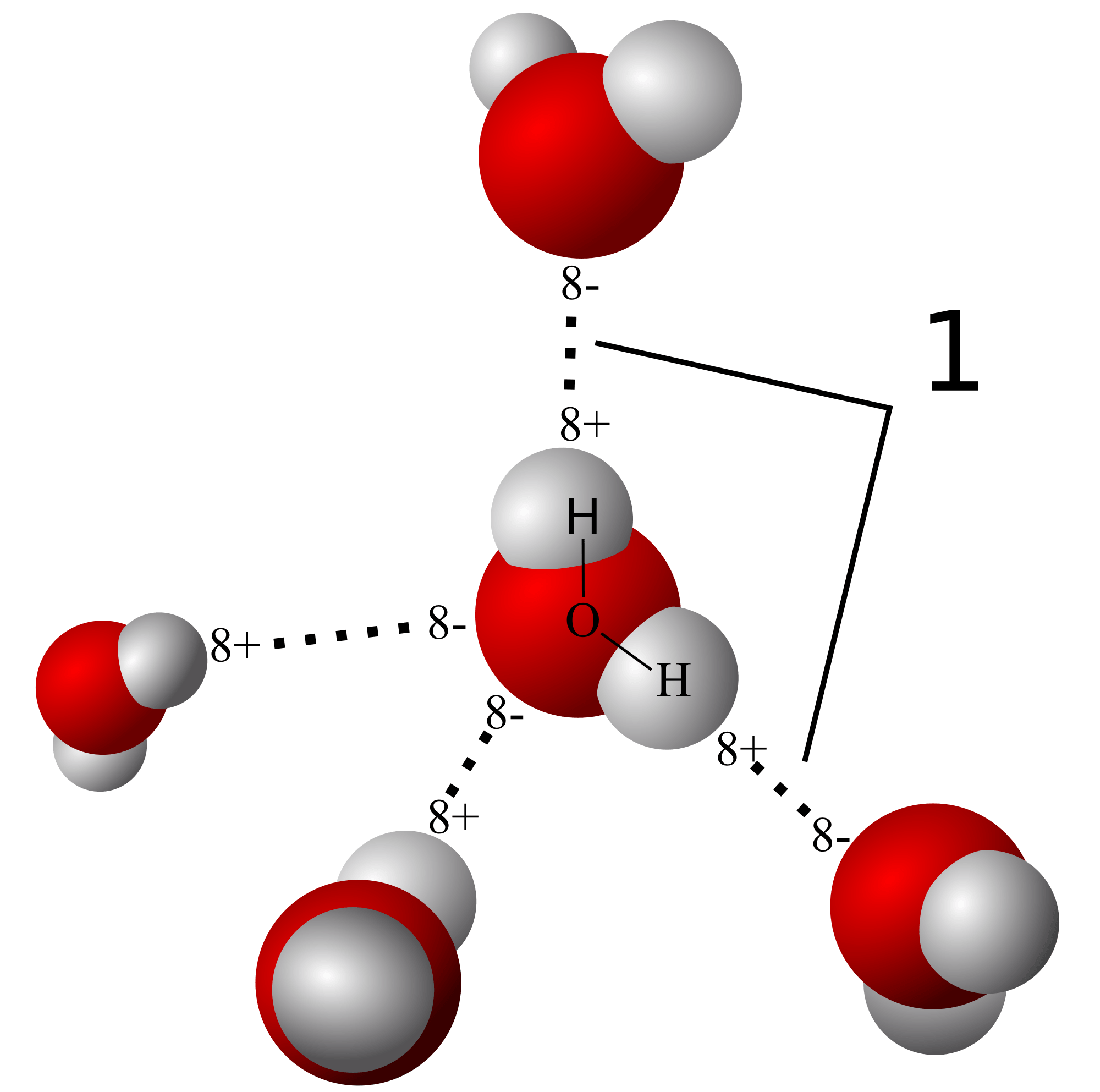
Which of the following shows the correct hydrogen bonding in water molecules?
a)
A
b)
B
c)
C
2.
Which of the following organic compounds is the main source of energy for living things?
a)
carbohydrates
b)
lipids
c)
nucleic acids
d)
proteins
3.
Animals store glucose in the form of
a)
cellulose
b)
glycogen
c)
wax
d)
lipids
4.
Polymers form through _____________
a)
hydrolysis
b)
dehydration synthesis
c)
ATP synthesis
d)
monomerization
5.
A "kinky structure" due to the double bonds between carbon atoms creates a lipid known as what?
a)
saturated fat
b)
wax
c)
steroid
d)
unsaturated fat
6.
The diagram shows a bond forming between two amino acids. What is the name of this reaction?
a)
Dehydration Synthesis
b)
Hydrolysis
c)
Pepysis
d)
Oxidation
7.
The diagram shows a bond forming between two amino acids. What is the name of the resulting bond?
a)
Peptide Bond
b)
Glycosidic Linkage
c)
Ester Bond
d)
Hydrogen Bond
8.
The primary sequence of a protein refers to the:
a)
Order of amino acids
b)
α-Helix or β-Pleated Sheet
c)
Interaction of subunits
d)
Hydrogen Bonding
9.
From the nucleotide on the right, which part is labeled 2?
a)
Phosphorous
b)
Nitrogenous Base
c)
DNA
d)
Sugar
10.
Attractions between water molecules are called
a)
Covalent bonds
b)
Ionic bonds
c)
Polar bonds
d)
Hydrogen bonds
11.
In a controlled experiment, the variable that IS changed between groups, is called the 
a)
control variable (s)
b)
independent variable 
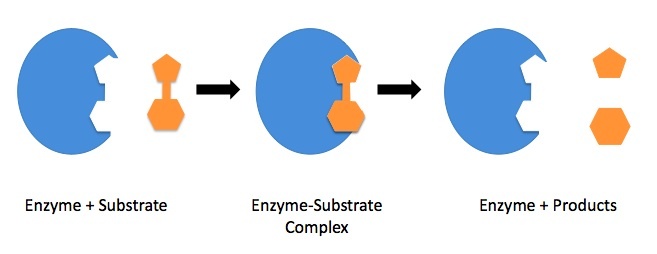
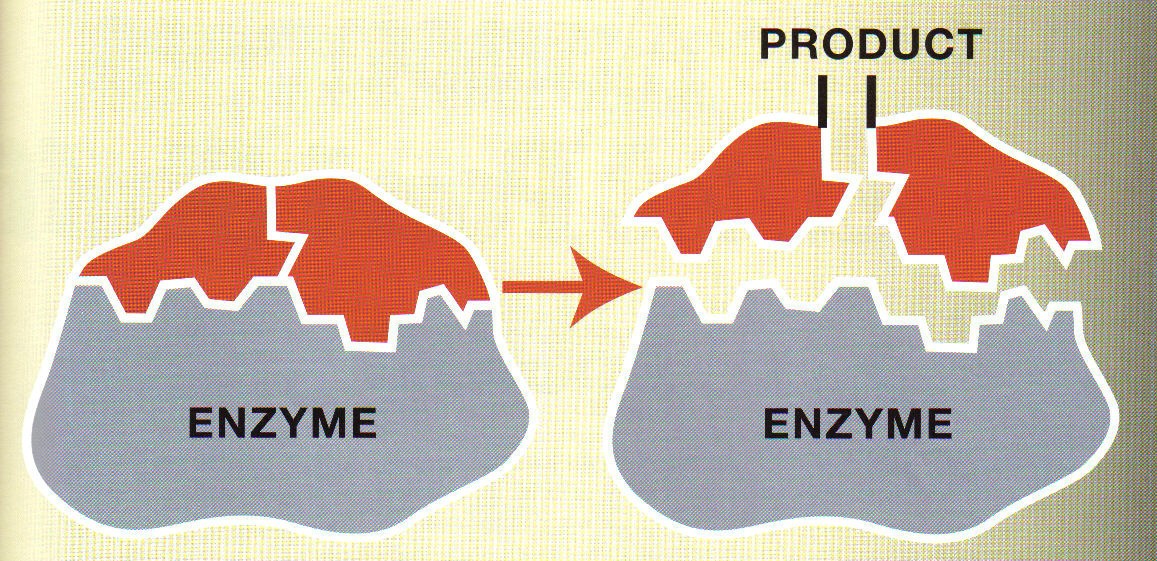
c)
dependent variable 
12.
The variables that are kept the same between groups in an experiment are called the 
a)
control variable (s) 
b)
independent variable (s) 
c)
dependent variable (s)
d)
experimental variable (s) 
13.
A pair of researchers are wanting to see the effect of carbon dioxide on the growth of plants.  They use a greenhouse to create an environment with an elevated carbon dioxide levels.  In another greenhouse, they monitor the gases to keep carbon dioxide levels to a normal level.  They keep the humidity, the sunlight levels, duration of light,  water, and fertilizer the same between both groups.  The researchers recorded the height, leaf numbers, and change in mass of the plants in each greenhouse.   In this experiment, what is the independent/experimental variable?
a)
the fertilizer
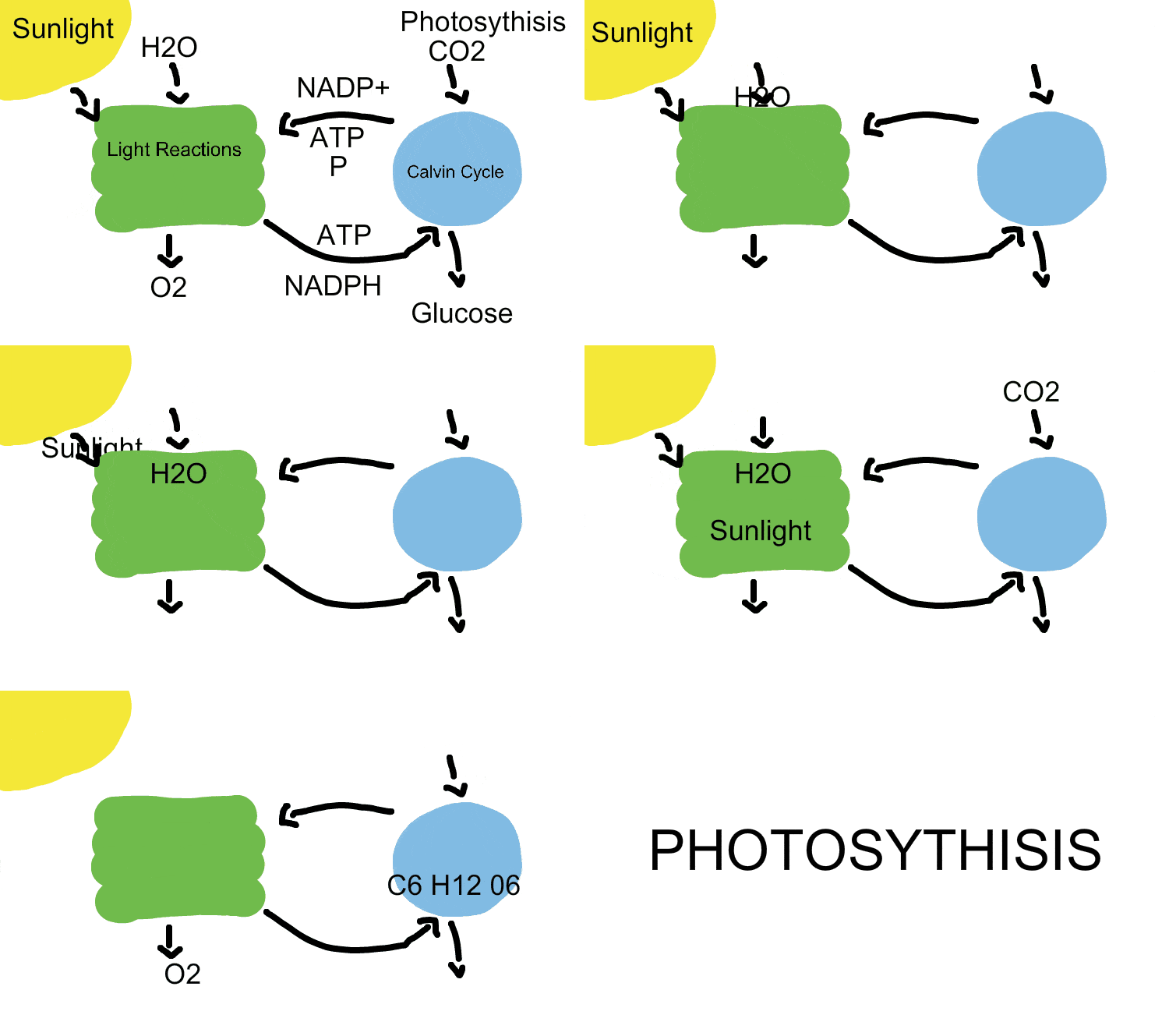
b)
the amount of carbon dioxide
c)
the number of leaves
d)
the amount of oxygen
14.
A pair of researchers are wanting to see the effect of carbon dioxide on the growth of plants.  They use a greenhouse to create an environment with an elevated carbon dioxide levels.  In another greenhouse, they monitor the gases to keep carbon dioxide levels to a normal level.  They keep the humidity, the sunlight levels, duration of light,  water, and fertilizer the same between both groups.  The researchers recorded the height, leaf numbers, and change in mass of the plants in each greenhouse.   In this experiment, what would be the control variable (s) 
a)
amount of water
b)
amount of light 
c)
both the water and the light
d)
neither the water or the light
15.
Packages proteins into vesicles and ships them out.
a)
Endoplasmic Reticulum
b)
Ribosomes
c)
Golgi Apparatus
d)
Nucleus
16.
In the diagram below, which section represents a cells that has been placed in a hypertonic solution?
a)
A
b)
B
c)
C
17.
Produces hormones and lipid molecules for cells
a)
smooth endoplasmic reticulum
b)
rough endoplasmic reticulum
c)
nucleus
d)
ribosome
18.
In what phase of the cell cycle does DNA replication take place?
a)
G1
b)
S
c)
G2
d)
M
19.
Fruit fly body cells have 8 chromosomes. After mitosis, you would expect a resulting fruit fly daughter cell to have ...
a)
16 chromosomes.
b)
46 chromosomes.
c)
8 chromosomes.
d)
4 chromosomes.
20.
Structure (b) is a ____.
a)
chromosome
b)
chromatid
c)
centromere
21.
Structure (a) is a ____.
a)
chromosome
b)
chromatid
c)
centromere
22.
In the G1 stage of the cell cycle, the cell
a)
Grows
b)
Matures
c)
Carries on normal activities
d)
All of the above
23.
In the S stage of interphase_______________
a)
the cell grows
b)
the nucleus divides
c)
the cell membrane divides
d)
the DNA is replicated
24.

What is the final electron acceptor in the electron transfer system in cell respiration?

a)

NADH

b)

FADH2

c)

O2

d)

H2O

25.
The ATP made during glycolysis is generated by 
a)
the breakdown of pyruvate 
b)
ATP synthase in the electron transport system 
c)
photophosphorylation 
d)
the creation of NADH 
26.
A molecule that blocks ATP synthase would have which effect?
a)
Fewer ATP would be generated because the proton gradient is lost
b)
Fewer ATP would be generated because protons can't diffuse through ATP synthase
c)
Even more ATP can be made through susbstrate level phosphorylation 
d)
More ATP could be generated as electrons donate their energy directly to ADP and Phosphate. 
27.
Which molecule enters Kreb's Cycle?
a)
Pyruvate
b)
Glucose
c)
Acetyl CoA
d)
reducing powers
28.
 Starting with one molecule of glucose, the "net" products of glycolysis are 
a)
2 NAD+, 2 H+, 2 pyruvate, 2 ATP, and 2 H2O. 
b)
2 NADH, 2 pyruvate, 2 ATP,
c)
2 FADH2, 2 pyruvate, 4 ATP, and 2 H2O.
d)
6 CO2, 6 H2O, 2 ATP, and 2 pyruvate. 
29.
What enzyme in the ETC is responsible for generating the ATP molecules?
a)
ATPase
b)
ATP synthase
c)
Hexokinase
d)
none of the above
30.
What is the correct equation for cellular respiration?
a)
6O2 + C6H12O6 -> 6CO2 + 6H2O + Energy
b)
6O2 + C6H12O6 + Energy -> 6CO2 + 6H2O
c)
6CO2 + 6H2O -> 6O2 + C6H12O6 + Energy
d)
6CO2 + 6H2O + Energy -> 6O2 + C6H12O6
31.
Where does glycolysis occur?
a)
Inner mitochondrial membrane
b)
Mitochondrial Matrix
c)
Cytosol
d)
At a ribosome
32.
Krebs Cycle takes place in the:
a)
Cytoplasm
b)
Matrix
c)
Ribsome
d)
InterMembrane Space
33.
Prior to entering the Krebs Cycle, each pyruvate molecule loses electrons, hydrogen ions, and a carbon, forming an energy-rich molecule of
a)
Acetyl-CoA
b)
Citrate
c)
Oxaloacetate
d)
Malate
34.
site of the krebs cycle
a)
1
b)
2
c)
3
d)
4
35.
If a hole was created in the inner mitochondrial membrane the result would be _________ ATP created from the ETC.
a)
Less
b)
More
36.
During the electron transport system
a)
H+ ions serve as the final electron acceptor
b)
a concentration gradient is generated when H+ ions are passively transported from the matrix to the intermembrane space of the mitochondrion
c)
energy is released as H+ ions move freely across the mitochondrial membrane
d)
ATP is synthesized when H+ ions move through a channel in ATP synthase
37.
Use the diagram to answer the question. Between which parts of the molecule must the bonds be broken to form an ADP molecule?
a)
A and B
b)
A and C
c)
B and C
d)
C and D
38.
When muscles work at their maximum ability, blood flow is often unable to provide enough oxygen to continue to produce ATP. Which process allows muscles to continue ATP production in this situation? 
a)
beta oxidation 
b)
aerobic respiration 
c)
lactic acid fermentation 
d)
alcoholic fermentation 
39.
What is happening at A?
a)
Oxygen is accepting an electron from the electron transport system
b)
NADH is dropping off an electron to the electron transport system
c)
ATP is being generated
d)
H+ ions are being pumped across
40.
What is happening at B?
a)
Oxygen is accepting an electron from the electron transport system
b)
NADH is dropping off an electron to the electron transport system
c)
ATP is being generated
d)
H+ ions are being pumped across
41.
What is happening at D?
a)
Oxygen is accepting an electron from the electron transport system
b)
NADH is dropping off an electron to the electron transport system
c)
H+ ions are diffusing through ATP synthase
d)
H+ ions are being pumped across
42.
Lactic acid fermentation occurs in your muscles after a workout because your cells are struggling to get...
a)
Glucose
b)
Sunlight
c)
Oxygen
d)
Water
43.

Fermentation regenerates what substance so glycolysis can continue to occur?

a)

ATP

b)

FAD

c)

NAD+

d)

FADH2

44.
When levels go above or below a set point a hormone is released to return the body to set point. When the body is restored to set point no more hormone is released. This is an example of...
a)
a positive feedback loop
b)
a negative feedback loop
c)
a neutral feedback loop
45.
1.  Name the protein that adds phosphate groups to proteins in cell communication.
a)
Protein Kinase
b)
Cyclase
46.
The 3 steps of signal transduction in order are
a)
reception, transduction, response
b)
response, transduction, reception
c)
reception, response, transduction
d)
transduction, reception, response
47.
Protein kinases activate other relay proteins by adding a(n) ____ to them.
a)
phosphate
b)
ATP molecule
c)
cAMP
d)
GTP
48.
Which of the following is an example of a second messenger?
a)
cAMP
b)
GTP
c)
insulin
d)
epinephrine
49.
Signal amplification is most often achieved by
a)
an enzyme cascade
b)
binding of multiple signals
c)
branching pathways
d)
action of adenylyl cyclase
50.
What do second messengers do?
a)
transport a signal through the lipid bilayer
b)
relay a signal from the outside to the inside of the cell
c)
relay message from the inside of the mebrane throughout the cytoplasm
d)
dampen the message
51.
When epinephrine binds to cardiac (heart) muscle cells, it speeds their contraction. When it binds to muscle cells of the small intestine, it inhibits their contraction. Which of the following best accounts for the fact that the same hormone can have different effects on muscle cells?
a)
Cardiac cells have more receptors for epinephrine than do intestinal cells
b)
Epinephrine circulates to the heart first and thus is in higher concentration around cardiac cells
c)
The two types of muscle cells have different signal transduction pathways for epinephrine and thus have different cellular responses
d)
Cardiac muscle is stronger than intestinal muscle and thus has a stronger response to epinephrine
52.
Each of the following numbered processes are involved in signal transduction pathways:  
 I.  Response
 
II.  Amplification
 
 III.  Reception
 
IV.  Transduction
Which represents the sequence of events in a typical signal transduction pathway?
a)
I, II, III, IV
b)
III, I, IV, II
c)
II, IV, I, III
d)
III, IV, II, I
53.
A signal molecule that binds to a plasma-membrane protein is a
a)
ligand
b)
second messenger
c)
protein kinase
d)
receptor protein
54.
What determines whether a cell is a target cell for a particular signal molecule?
a)
phosphorylation cascade
b)
cAMP
c)
signal receptors
d)
phosphatase
55.
Consider this pathway: epinephrine --> receptor --> cAMP --> protein kinase --> transcription factors. 

Identify the secondary messenger.
a)
epinephrine
b)
G protein-coupled receptor
c)
adenylyl cyclase
d)
cAMP
56.
Epinephrine (also known as adrenaline or adrenalin) is a hormone and a neurotransmitter. The model for the action of Epinephrine is shown below.
Which of the following would likely not be observed in a person injected with epinephrine?
a)
Decreased production of cAMP in liver cells
b)
Inactivation of glycogen synthase
c)
Increased glucose mobilization
d)
Activation of G proteins
57.
G proteins are a family of proteins involved in transmitting chemical signals originating from outside a cell into the inside of the cell. G proteins function as molecular switches.
Which of the following best describes the role in which the G protein is most intimately involved in the process shown above?
a)
Production of the ligand molecule.
b)
Reception of the signal.
c)
Transduction of the signal.
d)
Production of response to signal.
58.
What activates adenylyl cyclase?
a)
epinephrine binding to it
b)
an activated G protein
c)
cAMP
d)
a protein kinase
59.
A G protein is active when (Chapter 11)
a)
GTP is bound to it
b)
GDP replaces GTP
c)
It is phosphorylated by a protein kinase
d)
It is bound by its ligand and transported to the nucleus
60.
G proteins are a family of proteins involved in transmitting chemical signals originating from outside a cell into the inside of the cell. G proteins function as molecular switches.
Investigations into the causes behind symptoms in Alzheimer’s patients have led to the hypothesis that the disease may be caused by excessive activity of IP3 second messengers in brain cells. When comparing cell samples of Alzheimer’s patients to those taken from the control group, which of the following pieces of evidence would support this hypothesis?
a)
A lower number of receptor proteins in the Alzheimer cell samples.
b)
A greater volume of endoplasmic reticulum membrane in the control group cell samples.
c)
A higher concentration of calcium ions in the cytosol of the Alzheimer cell samples.
d)
A lower number of activated proteins in the cytosol of the Alzheimer cell samples
61.
Which areas in the diagram depict the process of transduction in the signal transduction pathway of cell communication?
a)
Q and R
b)
Q and U
c)
S and T
d)
T and U
62.
The data shown was collected in an experiment designed to test the hypothesis that a second messenger mediates between receptor activation at the plasma membrane and enzyme activation in the cytoplasm. Liver tissue was homogenated and used to make three test solutions; a whole homogenate, a fraction containing plasma membrane and a fraction containing cytoplasm but no plasma membrane. Which of the following would be a reasonable conclusion based on the data collected?
a)
All cells in an organism respond to the presence of epinephrine via second messengers present in the homogenate
b)
A soluble second messenger, produced by hormone-actived membranes is present in the solution and activates enzymes in the cytoplasm
c)
Epinephrine is a hormone found bound in the membrane of cells and requires a ligand to stimulate its transduction
d)
An epineprine signal transduction pathway works more efficiently at warmer temperatures
63.

According to the diagram, if the levels of thyroxine increases, then

a)

the level of TSH (thyroid stimulating hormone) will also increase

b)

the Temperature will continue to increase

c)

the level of TSH will decrease

d)

the amount of thyroxine will increase

64.

What is being depicted in the image?

a)

Amplification of the signal molecule

b)

Enzymatic proteins inhibiting process of the signal transduction pathway

c)

Kinase groups adding dimer groups to other enzymes

d)

Diffusion of molecules within the cell due to the signaling molecule

65.
What determines whether a signal molecule binds on the surface or enters the cell?
a)
size
b)
polarity
c)
ability to cross the membrane
d)
all of these are correct
66.
Which of the following correctly describes the reception stage of this signal transduction pathway?
a)
epinephrine binds to a g-protein coupled receptor protein present in the cell membrane
b)
the g protein changes shape, is activated, activates adenyl cyclase, which activates cAMP, which activates protein kinases
c)
protein kinases phosphoylate molecules
d)
glycogen synthesis is inhibited and glycogen breakdown is promoted
67.
Which of the following correctly describes the response stage of this signal transduction pathway?
a)
epinephrine binds to a g-protein coupled receptor protein present in the cell membrane
b)
the g protein changes shape, is activated, activates adenyl cyclase, which activates cAMP, which activates protein kinases
c)
cAMP binds to the g-protein coupled receptor protein
d)
glycogen synthesis is inhibited and glycogen breakdown is promoted
68.
Where are receptors located for steroid hormones?
a)
in the cell membrane
b)
in the cytoplasm
c)
in the extracellular environment
d)
at the ribosomes
69.
What type of transmembrane receptor is being shown?
a)
 tyrosine kinase receptor
b)
G-protein receptor
c)
gated ion channel
70.

A vervet monkey baby will cry an alarm call at every little noise and movement. The adults around him ignore the alarms when there is nothing to respond to. According to habituation,

a)

we would see the baby increase his alarm calls to get his parents attention

b)

we would see the baby vervet monkey reason through why his parents are ignoring him

c)

we should expect a decrease in false alarm calls

d)

We should see the number of alarm calls stay the same. The adults have no influence

71.

A Mocking bird captures and starts to eat a frog that secretes a distasteful mucus. If that mockingbird sees colors, then would should we predict about the frog?

a)

frogs that are brightly colored will be better at warning the mockingbird

b)

frogs that are brightly colored will attract the bird more

c)

frogs that have camouflage coloring will be better at warning the bird

d)

the mocking bird will still try to eat the frogs

72.

As the mockingbird attempts to eat the frog, the birds learns that red frogs do not taste good. The association with red would be a natural example of

a)

classical conditioning

b)

operant conditioning

c)

fixed action pattern

d)

reasoning

73.

In some areas of the United States, we see both venomous coral snakes and their harmless mimics scarlet kingsnakes. Which of the following would be a good prediction? (two are correct)

a)

In areas where both snakes are present predators will attempt to eat both

b)

In areas where both snakes are present, predators will avoid both the coral snake and kingsnake

c)

In areas where the coral snake is absent, predators will not learn to avoid them and will eat the kingsnake

d)

In areas where the kingsnake is absent, the predators will still eat the coral snake.

74.

A researcher observes a chick pecking at a red spot on the beak of the mother bird. The mother bird invariably regurgitates its food once a chick has pecked at the red spot. The researcher decides to create an experiment where they use a blunt probe and a fake baby beak to touch the red spot. In both cases, the mother bird regurgitates the food. The best conclusion to this is that the behavior is a

a)

fixed action pettern

b)

a conditioned response to the pecking

c)

a learned response to the chicks peeping

d)

reasoned response, the mother birds knows it's her offspring

75.

What is the purpose the the cell cycle checkpoints?

a)

To repair damaged cells before they enter cell division.

b)

To remove damaged cells from an organism.

76.

What is the first checkpoint of the cell cycle?

a)

Mitosis checkpoint

b)

G1 checkpoint

c)

G2 checkpoint

77.

When is apoptosis initiated?

a)

When DNA damage is repaired.

b)

When cells are removed from the cell cycle.

c)

When DNA damage cannot be repaired.

78.
Which is an example of a tumor suppressor gene?
a)
apoptosis
b)
proto-oncogenes
c)
p53
d)
oncogenes
79.
p53 activates which of the following?
a)
Tumor suppressor genes
b)
cell cycle
c)
DNA repair proteins
d)
uncontrolled cell division
80.
This is the cell cycle checkpoint that makes sure the correct number of chromosomes are present and attached to microtubules.
a)
G1 Checkpoint
b)
G2 Checkpoint
c)
M Checkpoint
d)
I Checkpoint
81.
In the G1 stage of the cell cycle, the cell
a)
grows
b)
matures
c)
carries on normal activities 
d)
all of the above
82.

The passage of a cell through the stages of the cell cycle is controlled by protein kinases that phosphorylate many different proteins at appropriate times. What are these protein kinases called?

a)

Cdk activating kinases

b)

Cyclin-dependent kinases

c)

Cyclins

d)

Tyrosine kinases

83.
Which of the following shows the correct hydrogen bonding in water molecules?
a)
A
b)
B
c)
C
84.

When a tree starts to leaf out in the spring, it must use the store of starches as it's source for glucose. Which of the following is the best description of the process?

a)

plant cells must use dehydration synthesis to build glucose molecules from the starch molecules

b)

plant cells much use hydrolysis to break down the starches completely into carbon, hydrogen, and oxygen atoms and then dehydration synthesis to rebuild glucose.

c)

plant cells will use hydrolysis to break down starch molecules into glucose molecules

d)

plant cells will use dehydration synthesis to build glucose from protein molecules.

85.

A bear preparing for hibernation will eat large quantities of berries (sugars), fish (protein), and may gain a hundred pounds of fat tissue. What is the best explanation for this?

a)

metabolic pathways within the bears tissues can convert carbohydrates and proteins into fat molecules

b)

The fat tissue stores not only fat but sugar and protein

c)

The carbohydrates and proteins are broken down into separate atoms and then rebuilt into fat molecules

d)

The carbohydrates and proteins are used immediately but fat is stored.

86.

Which of the following diagrams best shows the parts of the molecules that would undergo dehydration synthesis?

a)
b)
c)
d)
87.

Plants synthesis chlorophyll in a complicated metabolic process. To build the portion with nitrogen, it could use

a)

monosaccharides

b)

lipids

c)

amino acids

d)

water

88.

What is the best description of the difference between starch and cellulose?

a)

both starch and cellulose are made of glucose, but the glucose in cellulose alternates rotation every other glucose

b)

starch is made of glucose monomers and cellulose is made of lactose monomers

c)

starch is made of glucose monomers but cellulose is made of alternating glucose and lactose monomers

d)

they are both made of glucose but the glucose in cellulose has been stripped of hydrogen.

89.

Which of the following would be an accurate description of this model?

a)

it would show adhesion with water molecules due to its polarity

b)

it would be non-polar and not mix with water

c)

it lost its polarity when the monomers were bonded together

d)

it would mix with oil

90.

Which of the following models correctly shows a dehydration synthesis reaction occurring between two amino acids?

a)
b)
c)
d)
91.

If a plant is in nitrogen deprived soil, then what is the most affected?

a)

The production of sucrose

b)

The production of starch

c)

The production of carbohydrates and proteins

d)

The production of proteins and nucleic acids.

92.

Plants synthesis chlorophyll in a complicated metabolic process. To build the portion with hydrocarbon tail, it could use

a)

monosaccharides

b)

lipids

c)

amino acids

d)

water

93.

For organic molecules, what is true regarding dehydration synthesis reactions?

a)

they occur between two of the same type of monomer

b)

they result in an ionic bond and a water molecule

c)

a covalent bond is formed by removing a -H from one molecule and a -OH from the other molecule.

d)

a monosaccharide is bonded to an amino acid

94.

Which of the following describes all amino acids ?

a)

all amino acids have a -NH2 and -COOH group

b)

all amino acids have a ration of 2 hydrogen to 1 oxygen

c)

all amino acids have non-polar R groups

d)

all amino acids have a -COOH group and a phosphate group

95.

Which of the parts of an amino acid would need to be changed in order to make it a different amino acid?

a)
b)
c)
d)
96.

Which bond/s would need to be broken to break apart one amino acid in this polypeptide?

a)

bond 1 only

b)

bond 2 only

c)

bond 2 and 4

d)

bond 3

97.
Which of the following contains the highest water potential? 
a)
A
b)
B
c)
C
d)
D
98.
If a student was going to draw an arrow indicating the solution from the highest water potential to the lowest water potential, the arrow would be pointing 
a)
from the left to the right
b)
from the right to the left
99.
A protein that is destined for the membrane would be made 
a)
on a ribosome that is in the cytoplasm
b)
within a lysosome
c)
on a ribosome attached to the rough endoplasmic reticulum 
d)
within the Golgi body
100.
A protein that will be modified with carbohydrates will pass through 
a)
the lysosome and the rough ER
b)
the rough ER and the Golgi body
c)
the rough ER and smooth ER
d)
the Golgi body and the smooth ER
101.
Which of the following cells would have the highest surface area to volume ratio?
a)
1
b)
2
c)
3
d)
they are all the same
102.
Which of following correctly represents the packaging of a protein within a vesicle . 
a)
1
b)
2
c)
3
d)
4
103.
An organism lives in the Arctic waters.  A researcher examines the cell membrane.  Which of the following represents the membrane that would be found. 
a)
A
b)
B
c)
C
d)
D
104.
In the membrane section seen, which section would represent the non-polar section of a protein?
a)
A
b)
B
c)
C
d)
D
105.
A muscle cell receives the signal from insulin to absorb more glucose.  Choose the statement that best describes the rapid response 
a)
The cell starts making more Glucose transporter (GLUT) proteins at the ribosomes
b)
Smooth ER enzymes start building the glucose transporters
c)
Vesicles storing GLUT proteins within their membrane are transported to the membrane and fuse. 
d)
GLUT proteins floating in the cytoplasm are directed to the membrane by kinesin molecules
106.
A researcher uses fluorescently labeled amino acids to track the proteins being produced in a cell.  The cell being studied secretes antibodies.  She notices that the fluorescence is outside the nucleus.  What will she notice next?
a)
The fluorescence moves into the nucleus
b)
The fluorescence moves to the smooth ER
c)
The fluorescence moves to the Golgi body
d)
The fluorescence moves directly to the mombrane
107.
What area would have the lowest water potential?
a)
A
b)
B
c)
C
d)
D
108.
A receptor protein on a membrane is thought to be a crucial part of a signaling system in normal cells.  A disease is thought to be caused by a problem in this receptor.  The researchers examine the genes in patients who have the disease but there are no differences in the protein.  Which of the following is a valid hypothesis?
a)
Lysosomes digested the protein after it was made
b)
Smooth ER enzymes aren't working properly and the receptor protein isn't made properly
c)
The receptor is made by ribosomes but isn't transported to the membrane
d)
There are no working ribosomes in the cell
109.
1.  If the water potential of a cell is higher than the surrounding solution.  The water will ____.
a)
Move into the cell.
b)
Move equally in and out of the cell.
c)
Move out of the cell.
110.
Carrot and potato cores were placed in various sucrose solutions for 24 hours and the % change in mass was recorded and graphed.  The temperature in the room was 24 degrees celcius.  Identify the approximate concentration of sucrose in the potato cells.
a)
0.13 M
b)
0.0 M
c)
0.4 M
d)
0.33 M
111.
Carrot and potato cores were placed in various sucrose solutions for 24 hours and the % change in mass was recorded and graphed.  The temperature in the room was 24 degrees celcius.  Sucrose is too large of a molecule to cross the membrane of potato and carrot cells.  Calculate the water potential for the carrot cells.  The ionization constant for sucrose is 1.0 M.  The pressure potential is 0.
a)
-8.1 bars
b)
-8.1 M
c)
8.1 bars
d)
-3.5 bars
112.

A researcher observes a cell from a adrenal gland under an electron mictoscope. Adrenal glands produce several type of steroid hormones. What should the researcher expect to see in the cell?

a)

a high number of mitochondria

b)

large prominent rough ER

c)

large prominent smooth ER

d)

a high number of centrioles

113.

In a slide from an intestinal lining, the histologist finds both bacteria and intestinal cells. Which of the following would be accurate?

a)

the histologist would notice a dark nucleus in the intestinal cell and the bacteria cell

b)

the histologist would only notice a nucleus in the intestinal cell

c)

Neither the intestinal cell nor the bacteria would have a nucleus

d)

both of them have a nucleus but the bacteria have only one chromosome

114.

Fluoresently labeled amino acids are used in an experiment in pancreas cells which secrete protein hormones. Which of the following correctly places the organelles using the amino acids in the right order?

a)

mitochondria , Rough ER, ribosomes, nucleus, smooth ER

b)

ribosomes, Rough ER, vesicle, Golgi body, outside the cell

c)

smooth ER , ribosomes, mitochondria, outside the cell

d)

ribosomes, smooth ER, lysosomes, outside the cell

115.

An intestinal virus infects and destroys cells lining the intestine. Normal intestinal cells have infoldings of the plasma membrane call microvilli where the cells absorb nutrients through the membrane. As cells regrow, the microvilli are short and incomplete. Affected cells are on the left. Which of the following would best describe the effect of the shorter microvilli

a)

it decreases the space for more Golgi bodies , which reduces production of proteins

b)

it decreases the number of mitochondria, which affects energy production

c)

shorter microvilli decrease the surface area of the membranes, which means less absorption of nurtients

d)

shorter microvilli reduces the amount of lipids, affecting the fluidity of the membrane

116.

Healthy intestinal cells absorb nutrients through their membrane. Above are measurements of 4 different cells. Which of the following would provide the most efficient absorption of nutrients?

a)

cell 1

b)

cell 2

c)

cell 3

d)

cell 4

117.

What happens to an enzyme when it denatures?

a)

The activation energy of the reaction is doubled.

b)

The activation energy of the reaction is lowered.

c)

It's optimal conditions for temperature of the enzyme are doubled.

d)

The shape of the enzyme molecule is changed.

118.
Where do substrates bind on an enzyme?
a)
voltage-gated channels
b)
surface receptor
c)
calcium channels
d)
active site
119.
What happens when enzymes are heated to a high temperature?
a)
The enzymes die.
b)
The shapes of the enzyme are altered denature
c)
The enzymes' amino acid sequence changes.
d)
The enzymes remain the same
120.

The part of the enzyme that the non-competitive inhibitor binds to.

a)

Active site

b)

Allosteric site

c)

Construction site

d)

Binding site

121.
When a molecule can occupy the same active site as the substrate, a situation called __________________ can result
a)
Competitive lnhibition
b)
Allosteric Regulation
c)
Non-Competitive Inhibition
d)
Feedback Inhibition
122.
Molecules that bind to enzymes and enhance an enzyme's ability are called:
a)
CoFactors
b)
CoEnzymes
c)
Allosteric Inhibitors
d)
Allosteric Activators
123.

How might an amino acid change at a site distant from the active site of the enzyme alter the enzyme's substrate specificity?

a)

by changing the enzyme's stability

b)

by changing the enzyme's location in the cell

c)

by changing the shape of the protein

d)

by changing the enzyme's pH optimum

124.

In Figure 6.2, why does the reaction rate plateau at higher reactant concentrations?

a)

Feedback inhibition by product occurs at high reactant concentrations.

b)

Most enzyme molecules are occupied by substrate at high reactant concentrations.

c)

The reaction nears equilibrium at high reactant concentrations.

d)

The activation energy for the reaction increases with reactant concentration.

125.

Succinate dehydrogenase catalyzes the conversion of succinate to fumarate. The reaction is inhibited by malonic acid, which resembles succinate but cannot be acted upon by succinate dehydrogenase. Increasing the ratio of succinate to malonic acid reduces the inhibitory effect of malonic acid.


Based on this information, which of the following is correct?

a)

Succinate dehydrogenase is the enzyme, and fumarate is the substrate.

b)

Succinate dehydrogenase is the enzyme, and malonic acid is the substrate.

c)

Succinate is the substrate, and fumarate is the product.

d)

Fumarate is the product, and malonic acid is a noncompetitive inhibitor.

126.

Succinate dehydrogenase catalyzes the conversion of succinate to fumarate. The reaction is inhibited by malonic acid, which resembles succinate but cannot be acted upon by succinate dehydrogenase. Increasing the ratio of succinate to malonic acid reduces the inhibitory effect of malonic acid.


What is malonic acid's role with respect to succinate dehydrogenase?

a)

It is a competitive inhibitor.

b)

It is a noncompetitive inhibitor.

c)

It is able to bind to succinate.

d)

It is an allosteric regulator.

127.

How do competitive and noncompetitive enzyme inhibitors differ?

a)

Competitive inhibitors bind to the active site, whereas noncompetitive inhibitors may change the shape of the active site.

b)

Competitive inhibitors have a higher energy of activation than noncompetitive inhibitors.

c)

Competitive and noncompetitive inhibitors function at different pH values.

d)

Noncompetitive inhibitors contain magnesium, whereas competitive inhibitors contain iron.

e)

Noncompetitive inhibitors are reversible, whereas competitive inhibitors are irreversible.

128.
The diagram shows the series of a reactions that convert lactose into a usable form .
If enzyme 4 is denatured (stops working), the levels of which substance will increase?
a)
Lactose
b)
Galactose
c)
Glucose-1-Phosphate
129.
What is occurring at point A?
a)
hydrogen ions are pumped into the thylakoid
b)
electrons are transported along molecules
c)
an electron in chlorophyll is absorbing energy from light wavelengths 
d)
ATP is being generated from ADP and a phosphate 
130.
What is occurring at part B?
a)
an electron is absorbing light energy
b)
hydrogen ions are being pumped into the thylakoid space
c)
water is being split by an enzyme
d)
ATP is generated from ADP and a phosphate 
131.
What is occurring at point D?
a)
electrons are being transported along a transport system
b)
ATP is being generated from ADP and a phosphate
c)
an electron is absorbing light energy 
d)
NADPH is being generated
132.
In which part would you find a high concentration of hydrogen ions?
a)
outside the thylakoid, in the beige area
b)
within the membrane, the orange area
c)
inside the thylakoid, the green area
d)
within the chlorophyll molecules
133.
Chlorophyll absorbs a higher percentage of _____ and _______ light.
a)
purple and green
b)
red and blue
c)
black and orange
d)
yellow and green
134.
What is the first step in the Calvin cycle?
a)
light energy is absorbed by an electron in chlorophyll 
b)
carbon dioxide is fixed/attached to an RuBP molecule
c)
G3P (3 carbon sugar) is used by the plant
d)
ATP and NADPH are used to generate G3P
135.
Which best describes the process shown?
a)
mutation in which the DNA content of the gene is ltered
b)
segregation of sister chromatids
c)
condensation and segregation of the alleles
d)
crossing-over which alleles are exchanged
136.
This produces 2 identical cells.
a)
mitosis
b)
meiosis
137.
Unlike mitosis, meiosis in male mammals results in the formation of
a)
one haploid gamete
b)
three diploid gametes
c)
four diploid gametes
d)
four haploid gametes
138.
What phase is  shown in the picture?
a)
anaphase 1
b)
anaphase 2
c)
metaphase 1
d)
telophase 1
139.

Which letter represents Prophase?

a)

A

b)

B

c)

C

d)

D

140.
If a somatic cell in a butterfly contains 24 chromosomes, a butterfly egg would contain
a)
3
b)
6
c)
12
d)
24
141.
The process of crossing over occurs in what phase of meiosis?
a)
anaphase 1
b)
prophase 1
c)
prophase 2
d)
telophase 1
142.
The chromosomes that pair up during meiosis, are called __________ chromosomes.  
a)
homozygous 
b)
asexual
c)
homologous
d)
genes
143.
Identify the phase.
a)
Metaphase I
b)
Metaphase II
c)
Prophase I
d)
Anaphase II
144.
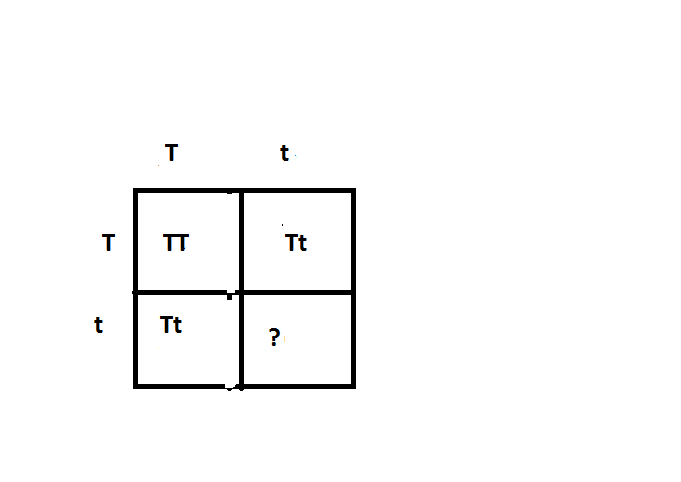
T - tall and t = short
In the punnett square below, what belongs in the missing square

a)
tt
b)
Tt
c)
Bb
d)
TT
145.
What fraction of offspring from the cross AaBB x Aabb will be heterozygous for both traits?
a)
1/16
b)
1/4
c)
1/2
d)
3/16
146.
A male beetle has the genotype Ttbb. If this beetle mates with a female with genotype TTBb, what is the chance their offspring will have the genotype TtBb?
a)
12.5%
b)
25%
c)
50%
d)
75%