wayground logo

Free Printable Worksheets

NEW

Font size

S
M
L
XL
Worksheets

Tissues

Total questions: 61

Worksheet time: 25mins

Name
Class
Date
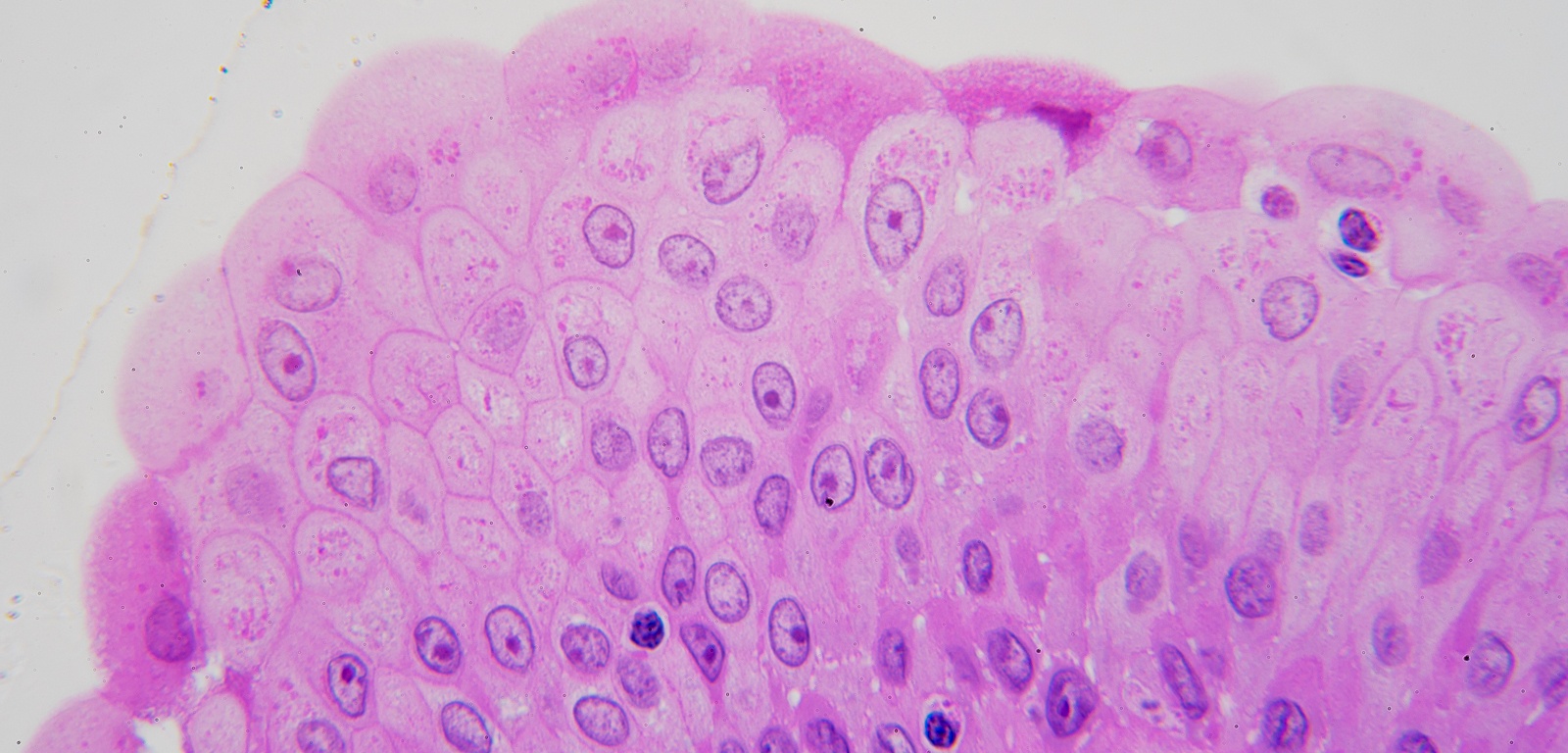
1.

Which epithelial tissue has more than one layer of flattened cells?

a)

simple squamous

b)

stratified squamous

c)

transitional

d)

simple columnar

2.

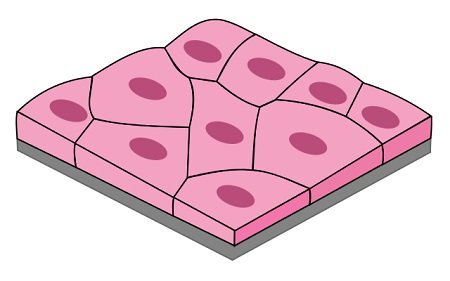
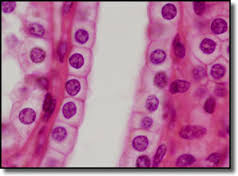
Name the type of epithelium

a)

simple cuboidal

b)

simple squamous

c)

simple columnar

d)

stratified squamous

3.

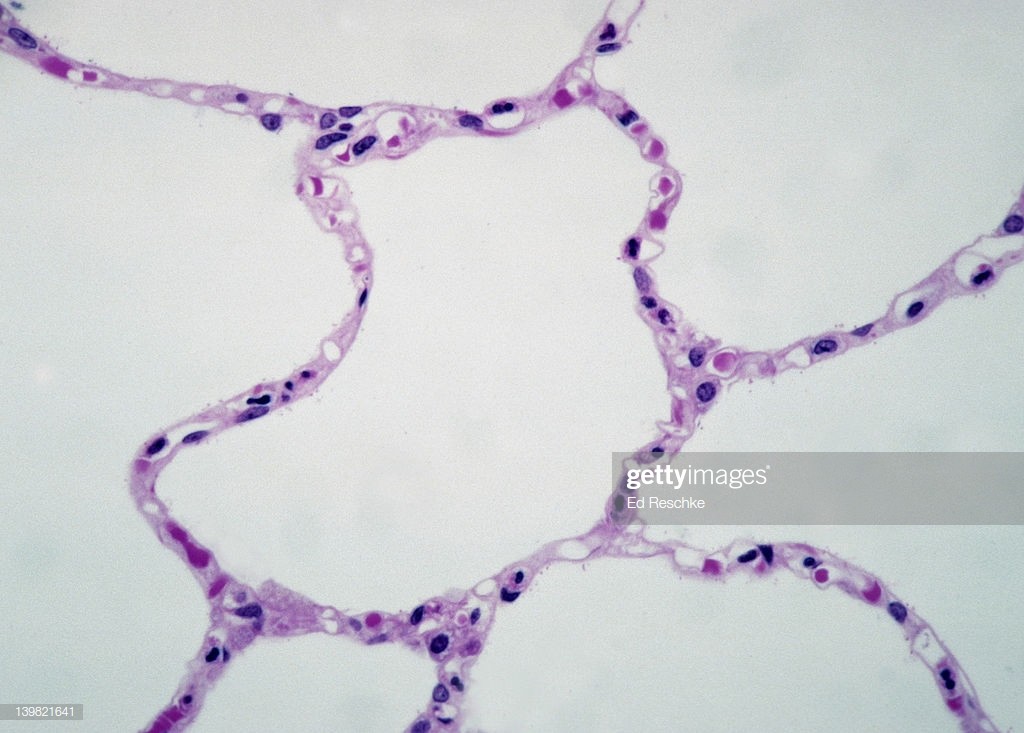
What type of epithelium lines the air sacs in this slide of lung tissue?

a)

simple cuboidal

b)

simple columnar

c)

simple squamous

d)

pseudostratified columnar

4.

What feature found on the surface of this epithelial layer greatly increases the surface area for absorption?

a)

nuclei

b)

microvilli

c)

endoplasmic reticulum

d)

multiple nuclei

5.

What type of epithelial tissue is this and where might you find it?

a)

stratified cuboidal ; small intestine

b)

simple squamous ; lung

c)

pseudostratified columnar ; trachea

d)

transitional ; bladder

6.
Identify:
a)
Pseudostratified
b)
Smooth Muscle
c)
Transitional
d)
Stratified Squamous
7.
Identify:
a)
Smooth Muscle
b)

Columnar

c)
Transitional
d)
Pseudostratified
8.
Identify:
a)
Columnar
b)
Cuboidal
c)
Pseudostratified
d)
Transitional
9.

Stratified epithelium is typically used for

a)

excretion

b)

secretion

c)

protection

d)

absorption

10.

Which epithelial cell is best suited for diffusion?

a)

simple squamous

b)

simple columnar

c)

stratified squamous

d)

stratified columnar

11.

Epithelial cells that can stretch from a cuboidal or columnar shape to a squamous shape are called

a)

Transitional epithelium

b)

Simple cuboidal epithelium

c)

Stratified keratinized squamous epithelium

d)

Stratified non-keratinized squamous epithelium

12.
The top surface of an epithelial tissue
a)
Apical Suface
b)
Basement membrane
13.
Which tissue is this?
a)
Simple squamous
b)
simple columnar
c)
transitional
d)
simple cuboidal
14.
Which type of muscle tissue would line the intestines?
a)
Smooth
b)
Cardiac
c)
Skeletal
d)
Transitional
15.
What type of Connective Tissue are TENDONS and LIGAMENTS
a)
Dense Connective Tissue
b)
Osseous Tissue
c)
Loose connective Tissue
d)
Cartilage
16.
What type of Connective tissue is found at the ends of bones to reduce friction?
a)
Cartilage
b)
Dense connective tissue
c)
Adipose Tissue
d)
Loose connective tissue
17.
What type of tissue SIGNALS the intestines to move food along?
a)
Nervous Tissue
b)
Blood Tissue
c)
Smooth muscle tissue
d)
Skeletal Muscle Tissue
18.
What is the MATRIX of Blood tissue?
a)
Collagen
b)
Calcium and Salts
c)
Plasma
d)
Fat
19.
What type of muscle tissue is VOLUNTARILY controlled
a)
Skeletal Only
b)
Skeletal and Cardiac
c)
Smooth and Cardiac
d)
Cardiac Only
20.
What  type of connective tissue has a hard matrix of calcium and salts?
a)

Bone

b)
Adipose
c)
Blood
d)
Dense Connective
21.
Where is epithelial tissue found?
a)
glands
b)
covering body surfaces
c)
lines organs
d)
all of the above
22.
Identify:
a)
Pseudostratified
b)
Simple cuboidal
c)
Transitional
d)
Simple Squamous
23.

Which types of cells found in this epithelium produce mucus?

a)

goblet cells

b)

goblin cells

c)

neutrophils

d)

eosinophils

24.

Which of the following is NOT a main function of epithelial tissues?

a)

covering exposed surfaces

b)

lining internal passageways

c)

producing glandular secretions

d)

contracting to produce movement

25.

Which muscle type is striated?

a)

cardiac

b)

skeletal

c)

smooth

d)

cardiac and skeletal

26.

What type of muscle lines the inside of the stomach?

a)

cardiac

b)

skeletal

c)

smooth

27.

What type of muscle is voluntary?

a)

smooth and cardiac

b)

smooth

c)

skeletal and smooth

d)

skeletal

28.

What type of muscle(s) is involuntary?

a)

skeletal and smooth

b)

cardiac and skeletal

c)

smooth and cardiac

d)

skeletal

29.

Which muscle tissue has intercalated discs?

a)

Cardiac

b)

Smooth

c)

Skeletal

d)

Visceral

30.

Which muscle tissue is located inside blood vessels?

a)

Cardiac

b)

Smooth

c)

Skeletal

d)

Vestibular

31.

Which is NOT a type of connective tissue?

a)

Dense connective tissue

b)

Areolar tissue

c)

Compact bone

d)

Smooth muscle

32.

the functions of muscle tissue include

a)

binding structures together

b)

forms glands

c)

help move substances and structures in the body

d)

conduct impulses

33.

Muscles are located in all the following EXCEPT

a)

in the digestive tract

b)

in the heart

c)

attached to bones

d)

inside bones

34.

The two ways to classify epithelium cells are

a)

number and size

b)

shape and color

c)

shape and number of layers

d)

color and number

35.

Connective tissue are the most abundant tissue in the body.

a)

True

b)

False

36.

What type of muscle tissue is this?

a)

cardiac

b)

skeletal

c)

smooth

37.

What type of muscle tissue is this?

a)

cardiac

b)

skeletal

c)

smooth

38.
Lines ducts and glands
a)
Columnar
b)
Cuboidal
c)
Simple Squamous
d)
Transitional
39.
Absorbs nutrients in the digestive tract
a)
Columnar
b)
Cuboidal
c)
Simple Squamous
d)
Pseudostratified
40.
Used in places where diffusion needs to occur, such as blood vessels and air sacs in the lungs
a)
Cuboidal
b)
Columnar
c)
Simple Squamous
d)
Stratified Squamous
41.
Used in places needing protection from scrapes and abrasions such as the skin and esophagus
a)
Cuboidal
b)
Pseudostratified
c)
Simple Squamous
d)
Stratified Squamous
42.
What type of connective tissue is this?
a)
Bone
b)
Cartilage
c)
Blood
d)
Adipose
43.
Name this tissue
a)
Bone
b)
Hyaline cartilage
c)
Fibrocartilage
d)
Adipose
44.
Name this tissue
a)
Bone
b)
Cartilage
c)
Blood
d)
Adipose
45.
This type of cartilage forms a cushion-like disk between the vertebrae.
a)
Fibrocartilage
b)
Elastic cartilage
c)
Hyaline cartilage
46.
Most connective tissue is well vascularized. What does that mean?
a)
Poor blood supply
b)
Good blood supply
47.
Which of the following represents the reason that cartilage repairs itself so slowly?
a)
it is never damaged
b)
it is vascular
c)
it is avascular
d)
hormones are present
48.

Wraps and cushions organs; its macrophages phagocytize bacteria; holds tissue fluid.

a)

adipose

b)

pseudostratified squamous

c)

areolar

d)

dense connective

49.

The movement of substances through the cell membrane against their concentration gradient is a type of ________ process

a)

active

b)

passive

c)

diffusion

d)

filtration

50.
a)

blood

b)

reticular

c)

Areolar

d)

bone

51.

Epithelial tissues have one free surface or edge known as the ________ surface.

a)

basal

b)

apical

c)

free

d)

basement

52.
a)

simple cuboidal

b)

simple columnar

c)

simple squamous

d)

stratified squamous

53.
a)
nerve
b)
elastic cartilage
c)
fibrocartilage
d)
cardiac muscle
54.

The tissue shown is called ______.

a)

Skeletal muscle

b)

Cardiac muscle

c)

Smooth muscle

d)

Dense connective

55.
Name this tissue
a)
Bone
b)
Cartilage
c)
Blood
d)
Adipose
56.
What type of Connective Tissue are TENDONS and LIGAMENTS
a)
Dense Connective Tissue
b)
Osseous Tissue
c)
Loose connective Tissue
d)
Cartilage
57.
What tissue is this
a)
Transitional epithelium
b)
Cartilage
c)
Dense Fibrous
d)
Areolar
58.

Which tissue is loosely woven and absorbs fluids?

a)

Reticular

b)

Areolar

c)

Adipose

d)

Cartilage

59.

Which tissue forms your tendons and ligaments?

a)

Osseous

b)

Dense

c)

Areolar

d)

Reticular

60.

Which tissue is found between the vertebrae?

a)

Hyaline Cartilage

b)

Fibrocartilage

c)

Elastic Cartilage

61.

Which tissue transports nutrients, O2, CO2, and waste products?

a)

Blood

b)

Osseous

c)

Elastic Cartilage

d)

Reticular