wayground logo

Free Printable Worksheets

Font size

S
M
L
XL
Worksheets

Chemistry - Final Exam Review

Total questions: 85

Worksheet time: 38mins

Name
Class
Date
1.
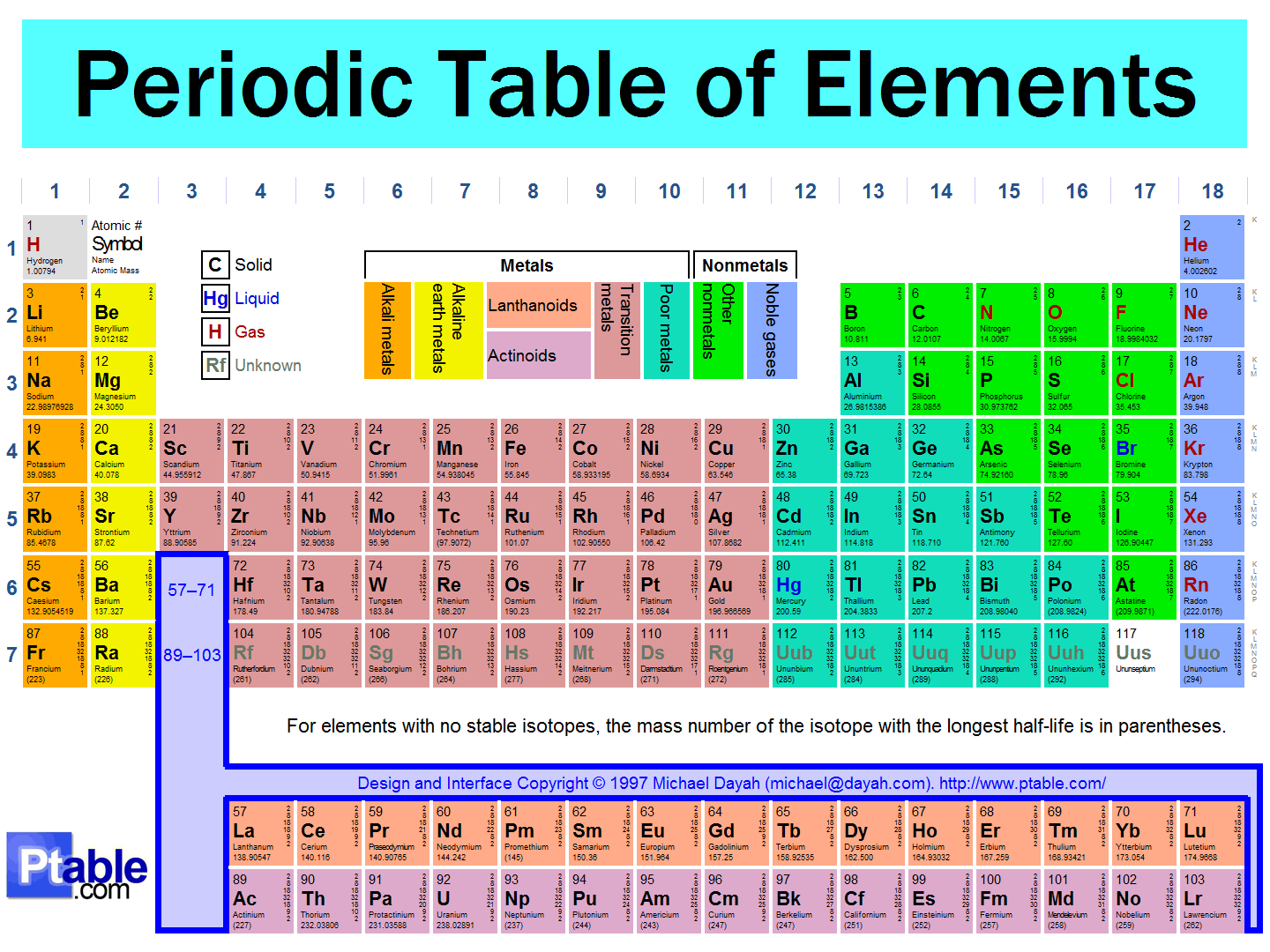
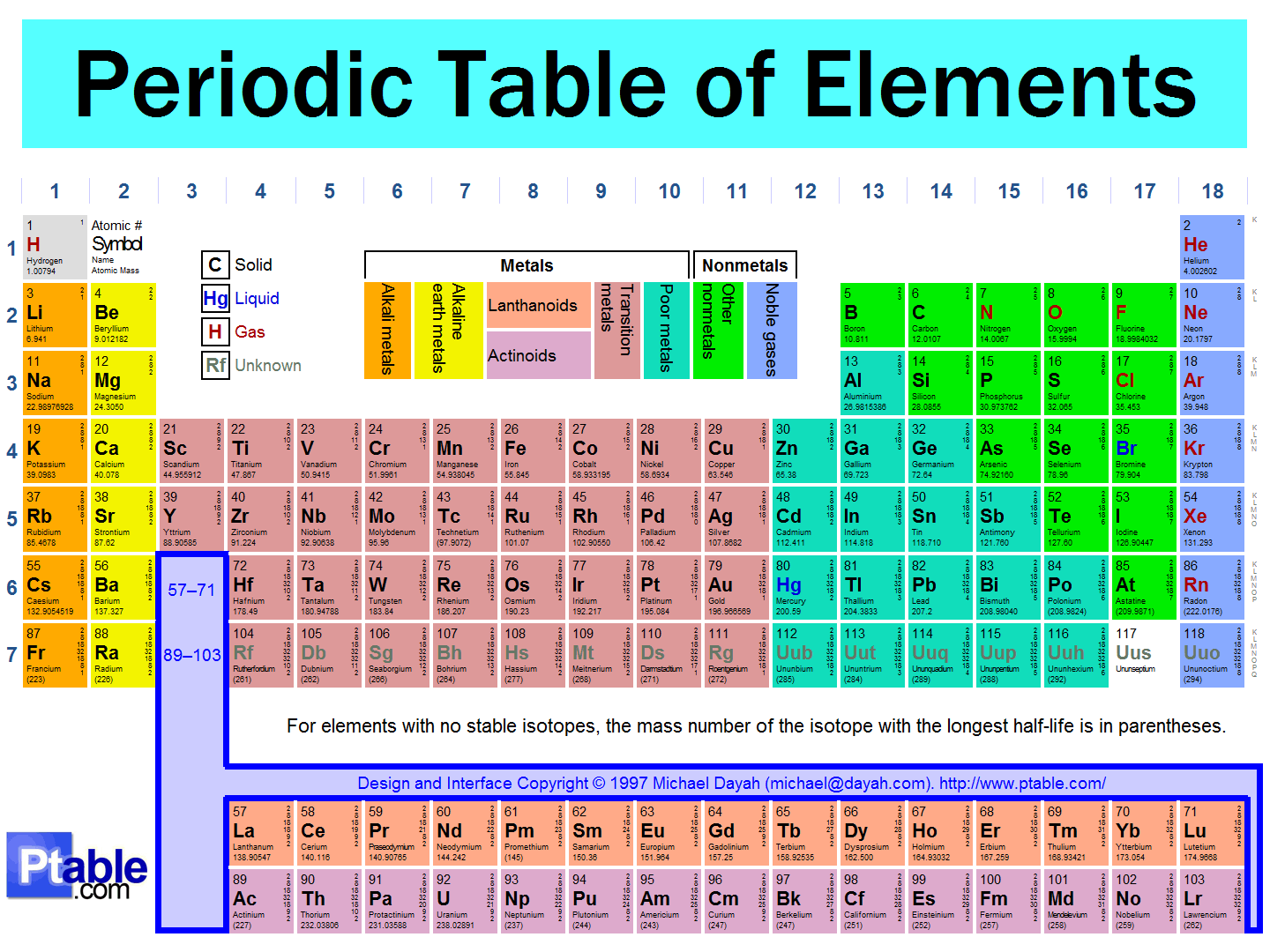
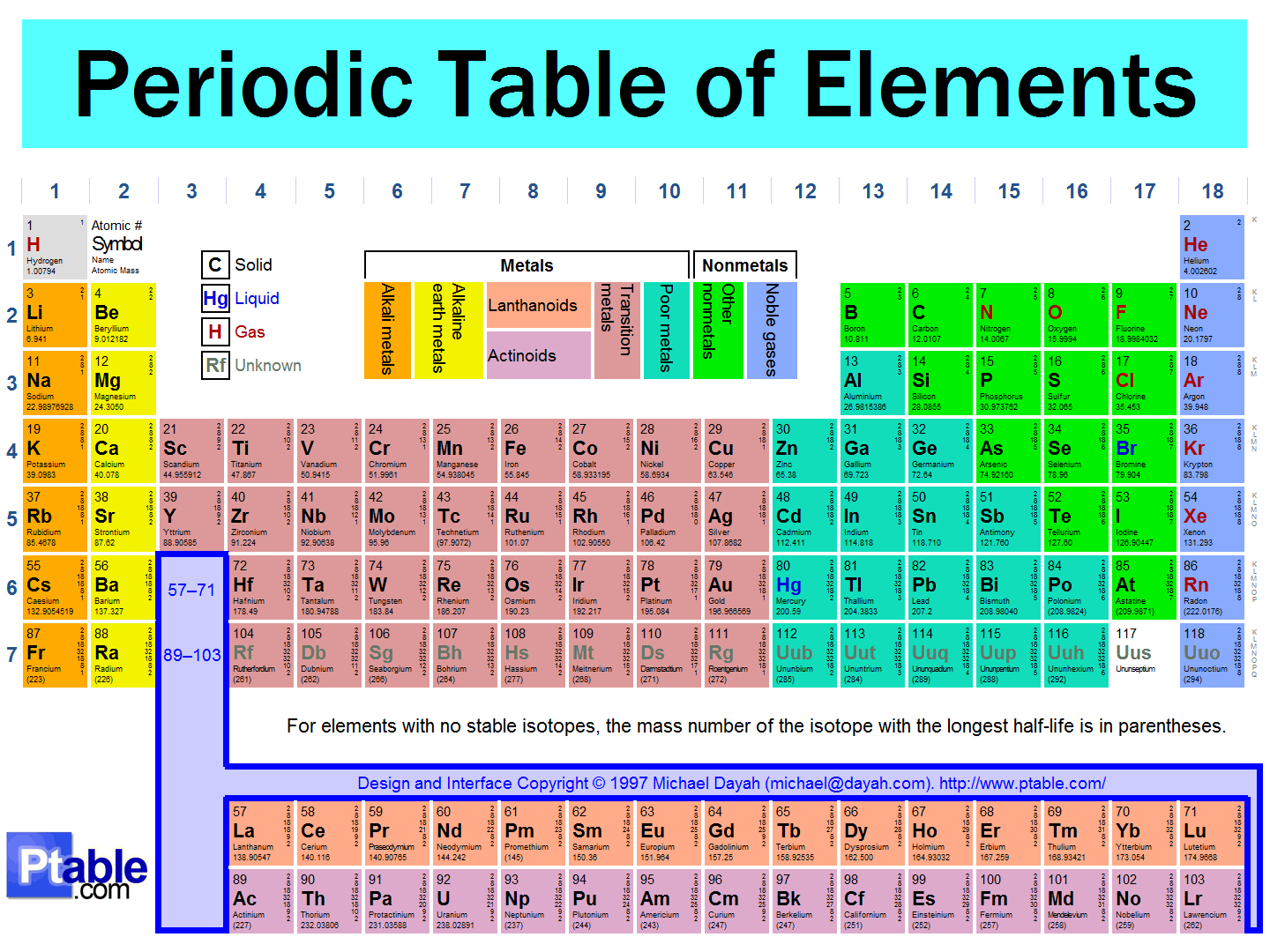
How did Mendeleev arrange the elements?
a)
alphabetical 
b)
density
c)
melting point
d)
atomic mass
2.
The horizontal row on the periodic table is called a
a)
group
b)
family
c)
period
d)
atomic number
3.
A vertical column is called...
a)
group
b)
tower
c)
period
d)
crew
4.
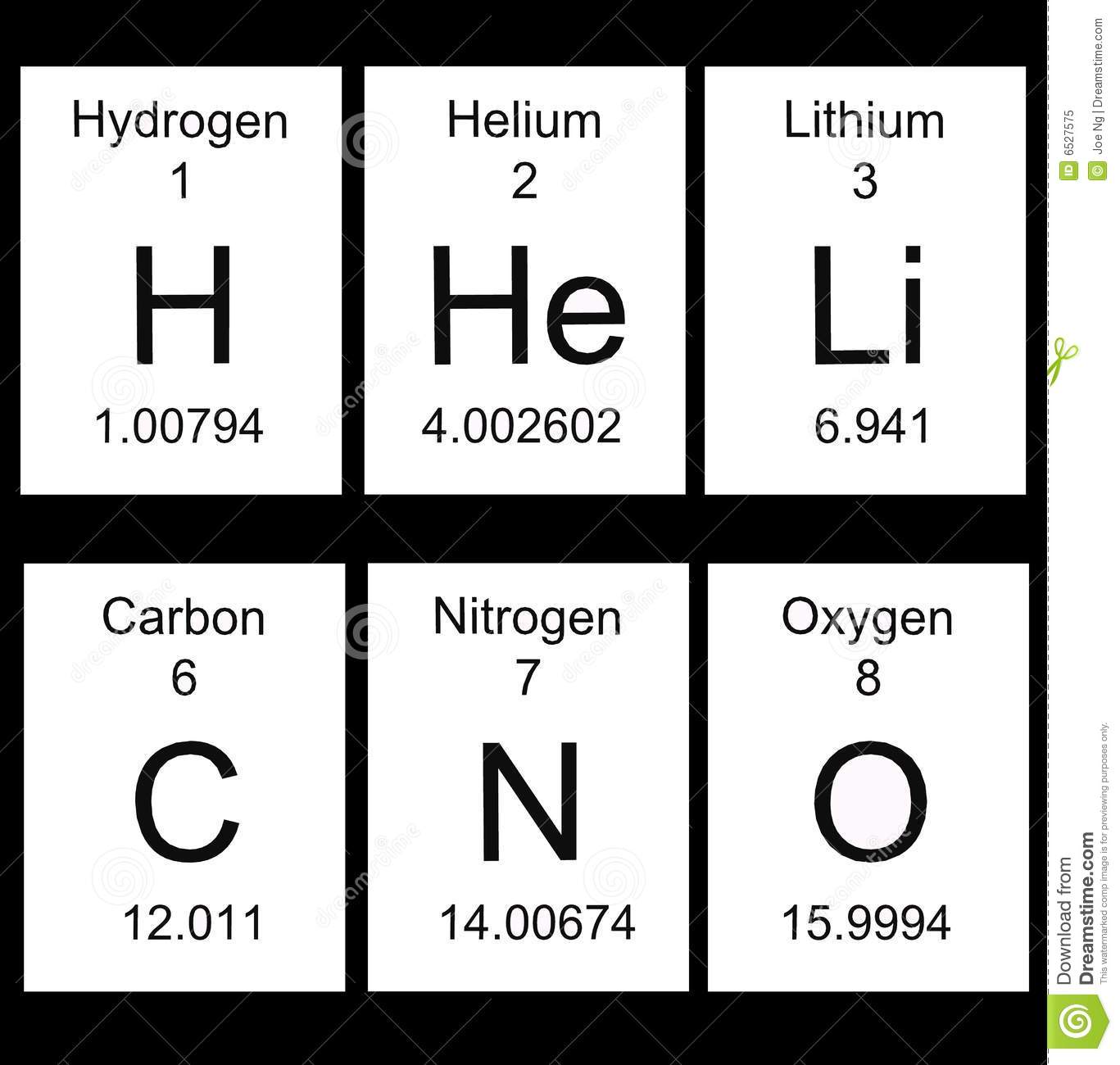
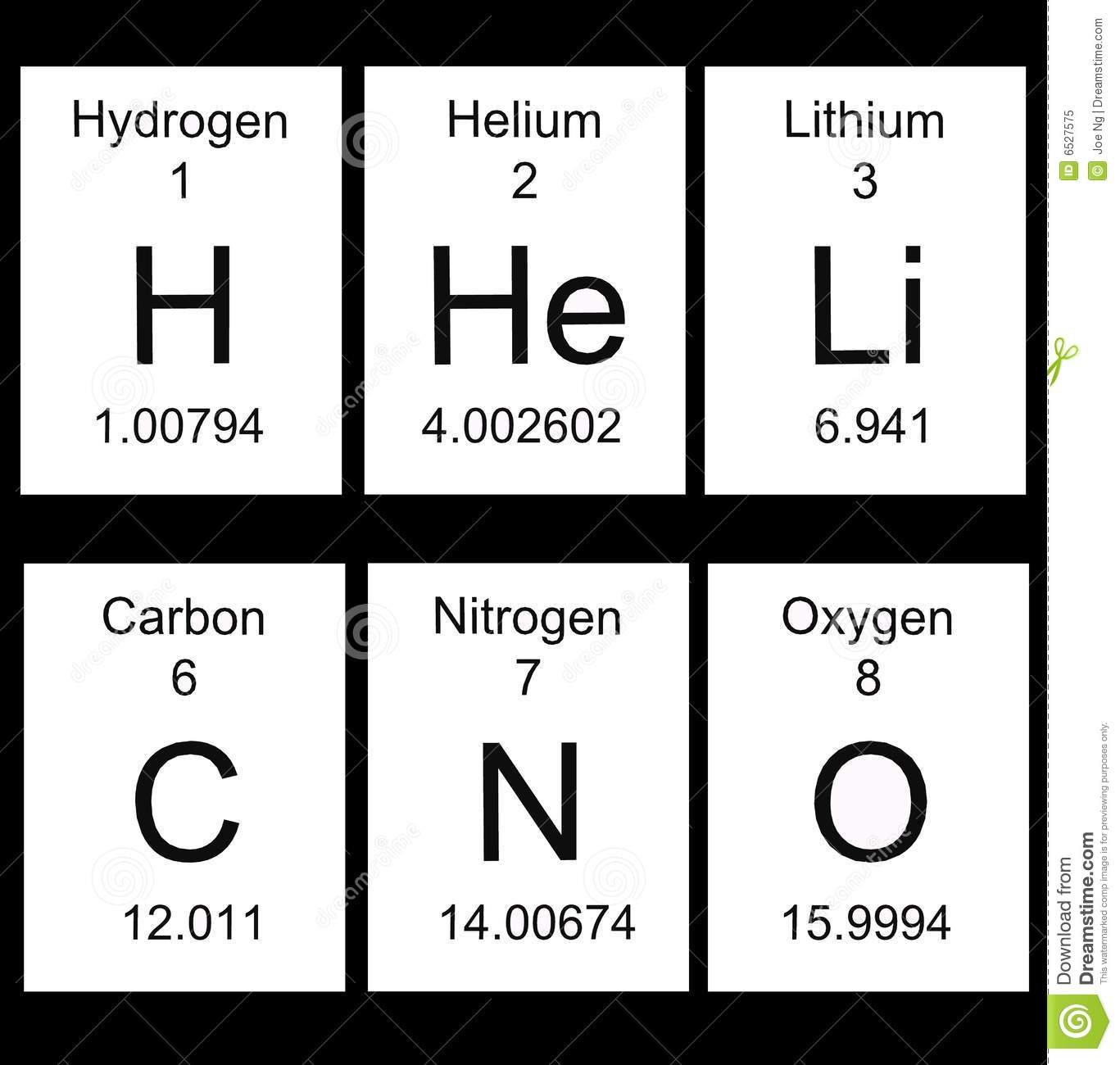
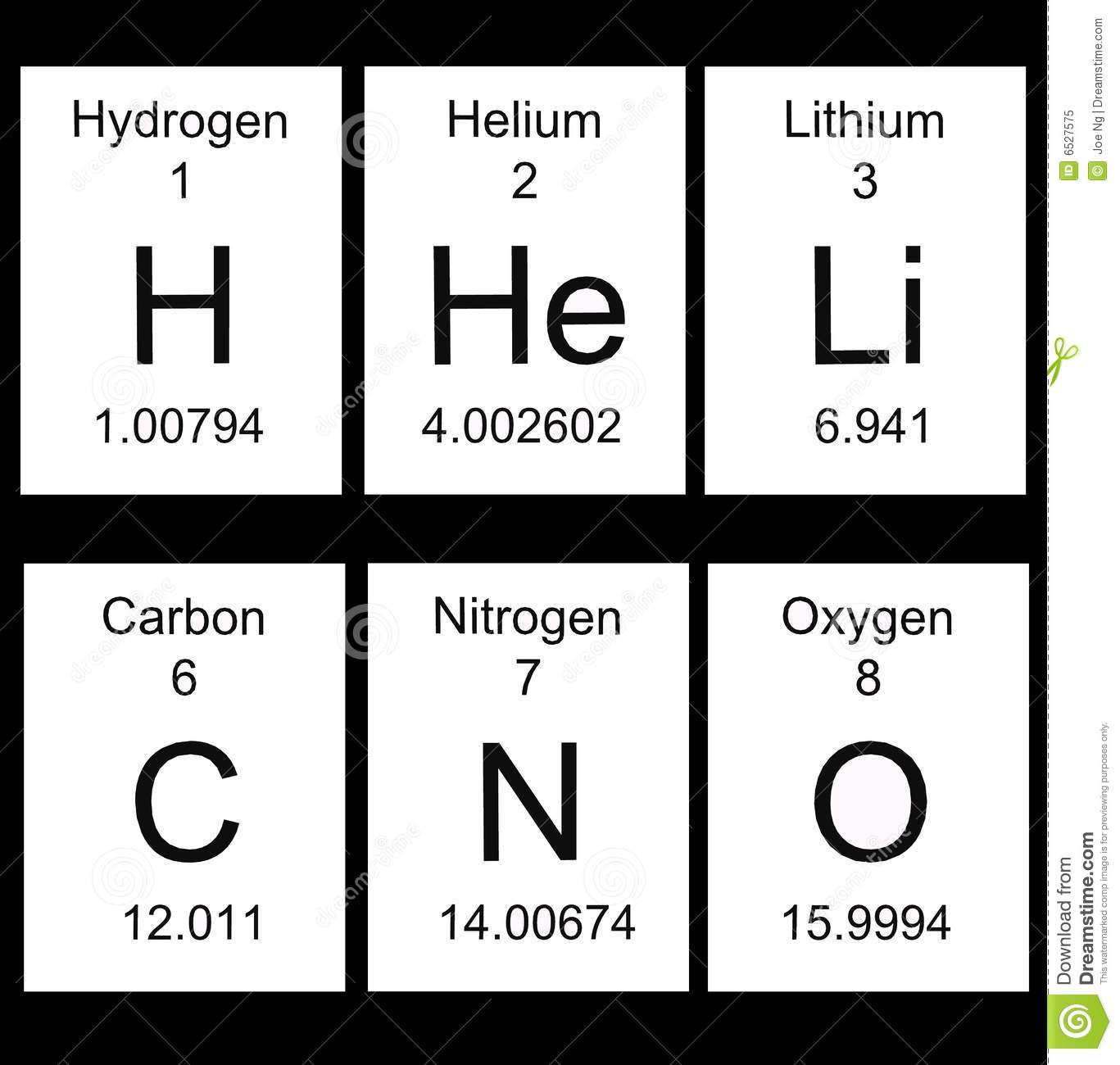
The number at the bottom of each square on the periodic table is the ...
a)
atomic number
b)
atomic mass
c)
chemical symbol
d)
element name
5.
The number at the top of each square on the periodic table is the ...
a)
atomic number
b)
atomic mass
c)
Chemical Symbol
d)
Element Name
6.
What is the chemical symbol for Lithium?
a)
H
b)
He
c)
Li
d)
N
7.
Most of the elements on the periodic table are classified as _____.
a)
Metals
b)
Nonmetals
c)
Metalloids
d)
Periods
8.
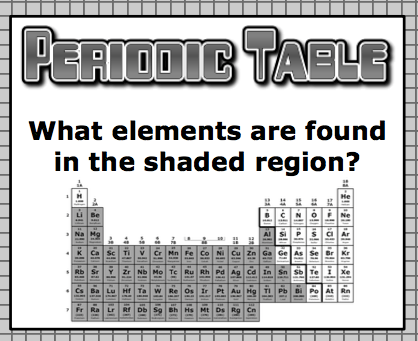
This class of elements are sometimes called "semiconductors."
a)
Metals
b)
Nonmetals
c)
Metalloids
d)
Groups
9.

The name of the elements in groups 3-12 (middle section) of the periodic table is the...

a)

Halogens

b)

Alkali Metals

c)

Transition Metals

d)

Solid Metals

10.
All nonmetals are gases, but not all gases are nonmetals.
a)
True
b)
False
11.
The period for Bromine is ___________.
a)
3
b)
2
c)
4
12.
Beryllium is in group number______.
a)
Group 2
b)
Group 3
c)
Group 4
d)
Group 7
13.
Elements in the same ________ are more chemically similar.
a)
group
b)
period
c)
club
d)
table
14.
Which of the following is not a property of metals?
a)
brittle
b)
malleable
c)
lustrous
d)
conductive
15.
Name group 8A on the periodic table.
a)
alkali metals
b)
alkaline earth metals
c)
transition metals
d)
noble gases
16.

Which element has 6 protons?

a)

Lithium

b)

Carbon

c)

Boron

d)

none of the above

17.

Calcium has ____ Electrons

a)

20

b)

40

c)

60

d)

It depends

18.

How many Valence Electrons (outer) does chlorine have?

a)

17

b)

7

c)

35

19.
A class of elements characterized by physical properties that include shininess, malleability, ductility, and conductivity.
a)
nonmetals
b)
metalloids
c)
metals
d)
gases
20.
An element that has some characteristics of both metals and nonmetals.
a)
nonmetal
b)
metalloid
c)
Alkali metal
d)
mystery metal
21.
A substance that can conduct electric current under some conditions.
a)
Transition metal
b)
Semiconductor
c)
Metalloid
d)
Super conductor
22.

An element that is dull and is a poor conductor of heat and electricity

a)

proton

b)

metal

c)

nonmetal

d)

subatomic particles

23.
All matter is made of
a)
atoms
b)
cells
24.
The atomic number tells you what?
a)
number of electrons
b)
number of protons
c)
number of neutrons
d)
both electrons and protons in an atom.
25.
A neutron has a charge of
a)
+2
b)
No charge
c)
-1
d)
+1
26.

A nucleus of an atom contains what two parts?

a)

Electrons and Protons

b)

Neutrons and Electrons

c)

Protons and Neutrons

27.
Which type of subatomic particles have the LEAST amount of mass?
a)
protons
b)
electrons
c)
neutrons
d)
nucleus
28.
What gives an atom mass?
a)
Protons & electrons in the nucleus
b)
electrons in the cloud
c)
protons & neutrons in the nucleus
d)
Protons & electrons in the cloud
29.
The number of protons is equal to 
a)
the atomic number
b)
the number of neutrons
c)
the energy levels
d)
the periodic table groups
30.
A substance composed of two or more elements chemically bonded together.  Examples are H2O and CO2.
a)
Element
b)
Compound
c)
Electron Cloud
d)
Metalloid
31.
What does an atom's period tell us?
a)
Number of protons
b)
Number of electrons
c)
Number of valence electrons
d)
Number of shells
32.
The part of the atom that determines the identity of the atom is the ____________.
a)
proton
b)
nucleus
c)
electron
d)
neutron
33.
A proton is....
a)
A negatively charged subatomic particle
b)
A positively charged subatomic particle
c)
A neutrally charged subatomic particle
d)
The only subatomic particle located in the nucleus
34.
a)
Metals
b)
Nonmetals
c)
Metalloids
35.
a)
Metals
b)
Nonmetals
c)
Metalloids
36.
a)
Metals
b)
Nonmetals
c)
Metalloids
37.

The number of valence shell electrons increases across the...

a)

group

b)

period

c)

cluster

d)

periodic table

38.

Which of the following is the simplest form of matter?

a)

molecules

b)

nanoparticles

c)

atoms

d)

simple substances

39.

What happens to the atomic numbers as you move from left to right on the periodic table?

a)

Increase

b)

Decrease

c)

Stay the same

d)

Nothing

40.

Which element is located in period 4?

a)

Zirconium (Zr)

b)

Silicon (Si)

c)

Beryllium (Be)

d)

Iron (Fe)

41.

Two elements that have similar physical and chemical properties are most likely in the same...

a)

period

b)

row

c)

group

42.

Which element is most likely to have six valence electrons?

a)

Barium (Ba)

b)

Carbon (C)

c)

Oxygen (O)

d)

Americium (Am)

43.

Which element is most likely to have three electron energy levels?

a)

Argon (Ar)

b)

Lithium (Li)

c)

Boron (B)

d)

Europium (Eu)

44.

Which element is located in period 4 and group 5?

a)

Vanadium (V)

b)

Zirconium (Zr)

c)

Niobium (Nb)

d)

Titanium (Ti)

45.

In which group would an element that is a gas most likely be located?

a)

1

b)

3

c)

12

d)

18

46.

What is the atomic mass of an element with 16 protons, 13 neutrons, and 16 electrons?

a)

13 amu

b)

16 amu

c)

29 amu

d)

45 amu

47.

How many neutrons are located in the nucleus of an atom that has 12 protons, 12 electrons, and an atomic mass of 28 amu?

a)

12

b)

16

c)

28

d)

40

48.
Elements in the same family have similar _______________.
a)
Protons
b)
Physical and Chemical Properties
c)
Shape
d)
Size
49.

Transition Metals are ___________.

a)

Good Conductors of heat and electricity

b)

Noble Gasses

c)

Bad Conductors of heat and electricity

d)

sometimes a gas

50.

A ________________________ is an electron located in the outer most shell.

a)

Alkali electron

b)

Halogen electron

c)

Noble electron

d)

Valence electron

51.

The __________________ of an element is the tendency to release energy.

a)

Alkaline reaction

b)

Valence reactivity

c)

Periodic reactivity

d)

Reactivity

52.
What is the name of this element?
a)
Helium
b)
Hydrogen
c)
Argon
d)
Silver
53.
What's a valence electron?
a)
electrons in the second energy level
b)
electrons in the outermost energy level
c)
the atomic number
d)
electrons in the first level
54.

What does the Bohr Model represent?

a)

The structure of molecules

b)

The structure of the Solar System

c)

The structure of an atom

d)

The structure of East Hills

55.

This is the location of electrons in an atom.

a)

nucleus

b)

protons

c)

orbitals

d)

neutrons

56.

A __________ is a subatomic particle with a positive charge.

a)

proton

b)

neutron

c)

electron

d)

nucleus

57.

A __________ is a subatomic particle with a negative charge.

a)

proton

b)

neutron

c)

electron

d)

nucleus

58.

What is the mass number of this atom of Chlorine?

a)

17

b)

18

c)

35

d)

35.453

59.

Protons + Neutrons =

a)

the average atomic mass

b)

mass number

c)

number of electrons

d)

APE MAN

60.
Isotopes are elements with a different amount of
a)
protons
b)
neutrons
c)
electrons
d)
atoms
61.
an element will always have the same number of 
a)
neutrons
b)
protons
c)
isotopes
d)
atoms
62.
What does the nucleus of an atom contain?
a)
Electrons and neutrons
b)
Protons and neutrons
c)
Neutrinos and positrons
d)
Electrons and megatrons
63.

In a Bohr Model, the number of rings (electron shells) is determined by the....

a)

Period

b)

Group

64.

In a Bohr Model, the number of valence electrons can be counted by the....

a)

Period

b)

Group

65.

How much does 1 proton weigh?

a)

1 AMC (atomic mass count)

b)

1 AMU (atomic mass unit)

c)

Depends on the proton

d)

They are so small that their mass is insignificant.

66.

What is the goal of the Lewis Dot Structure?

a)

To determine the electron position.

b)

To show the element's valence electrons & bonding capabilities.

c)

To find the atomic mass of an element.

d)

To search for the number of electrons in an individual atom.

67.

How many valence electrons should Lithium have in its Lewis dot model?

a)

1

b)

2

c)

3

d)

4

68.

How many valence electrons should Oxygen have in its Lewis dot model?

a)

5

b)

6

c)

7

d)

8

69.

How many valence electrons should Magnesium have in its Lewis dot model?

a)

1

b)

2

c)

3

d)

4

70.

This is a correct dot diagram for carbon (C)

a)

true

b)

false

71.

This is a correct dot diagram for neon (Ne)

a)

true

b)

false

72.

How many electrons should Boron have around its Lewis dot model?

a)

1

b)

2

c)

3

d)

4

73.

What law governs the balancing of chemical equations?

a)

Law of Energy

b)

Law of Conservation of Matter/Mass

c)

Law of Gravity

d)

Law of Matter Movement

74.

Chemical Reaction

a)

a substance formed as a result of a chemical reaction

b)

a change in matter that produces one or more new substances

c)

the process in which substances undergo chemical changes that result in the formation of new substances

d)

a substance that enters into a chemical reaction

75.

The Law of Conservation of Matter

a)

tells how many atoms of an element are contained in one molecule or formula unit.

b)

the starting materials in a chemical reaction

c)

the new substances that are formed in a chemical reaction

d)

A law stating that atoms are not created or destroyed during a chemical reaction.

76.

The coefficient in 3H2O is

a)

6

b)

5

c)

2

d)

3

77.
How many atoms of carbon (C) are in C6H12O6?
a)
3
b)
6
c)
12
d)
24
78.
How many Sodium (Na) are in 6NaCl?
a)
1
b)
12
c)
6
79.
How many Hydrogen are in 4H2O?
a)
6
b)
8
c)
2
d)
4
80.
The substances listed on the right side of a chemical equation are the
a)
Yields
b)
Reactants
c)
Products
d)
Precipitates
81.
CaCO3 represents a chemical
a)
Symbol
b)
Formula
c)
Subscript
d)
Reaction
82.
The substances listed on the left side of a chemical equation are the
a)
Products
b)
Coefficients
c)
Precipitates
d)
Reactants
83.
How many oxygen atoms are present in the following? 
4Ca(OH)2
a)
4
b)
6
c)
8
d)
1
84.
How many Iron (Fe) atoms are in this chemical formula?
a)
2 iron atoms
b)
6 iron atoms
c)
5 iron atoms
d)
4 iron atoms
85.
How many Mn atoms are found in the following compound?
3Cr(MnO4)6
a)
3
b)
4
c)
6
d)
18