wayground logo

Free Printable Worksheets

NEW

Font size

S
M
L
XL
Worksheets

Solid liquid and gases

Total questions: 68

Worksheet time: 1hrs 1mins
Name
Class
Date
1.
What are the three states of matter? 
a)
boxes, solids, and gases
b)
square, circle and triangle
c)
solids, liquids and gases
2.
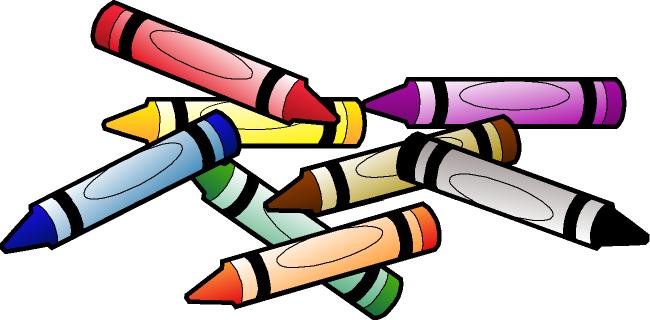
Is this a solid, liquid or gas?  
a)
Solid
b)
Liquid
c)
Gas
3.
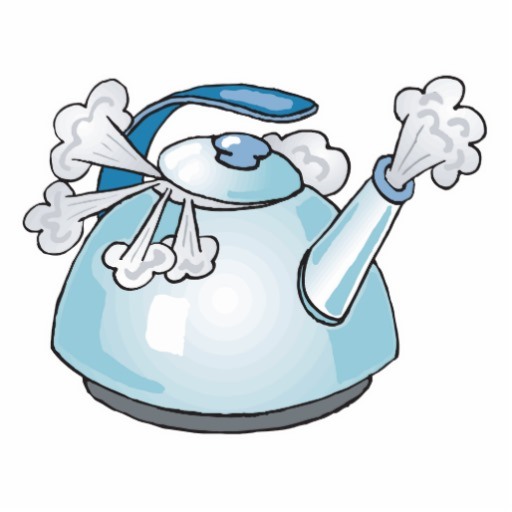
Is this a solid, liquid or gas?
a)
Solid
b)
Liquid
c)
Gas
4.
Is this a solid, liquid or gas?
a)
Solid
b)
Liquid
c)
Gas
5.
Is this a solid, liquid or gas?
a)
Solid
b)
Liquid
c)
Gas
6.
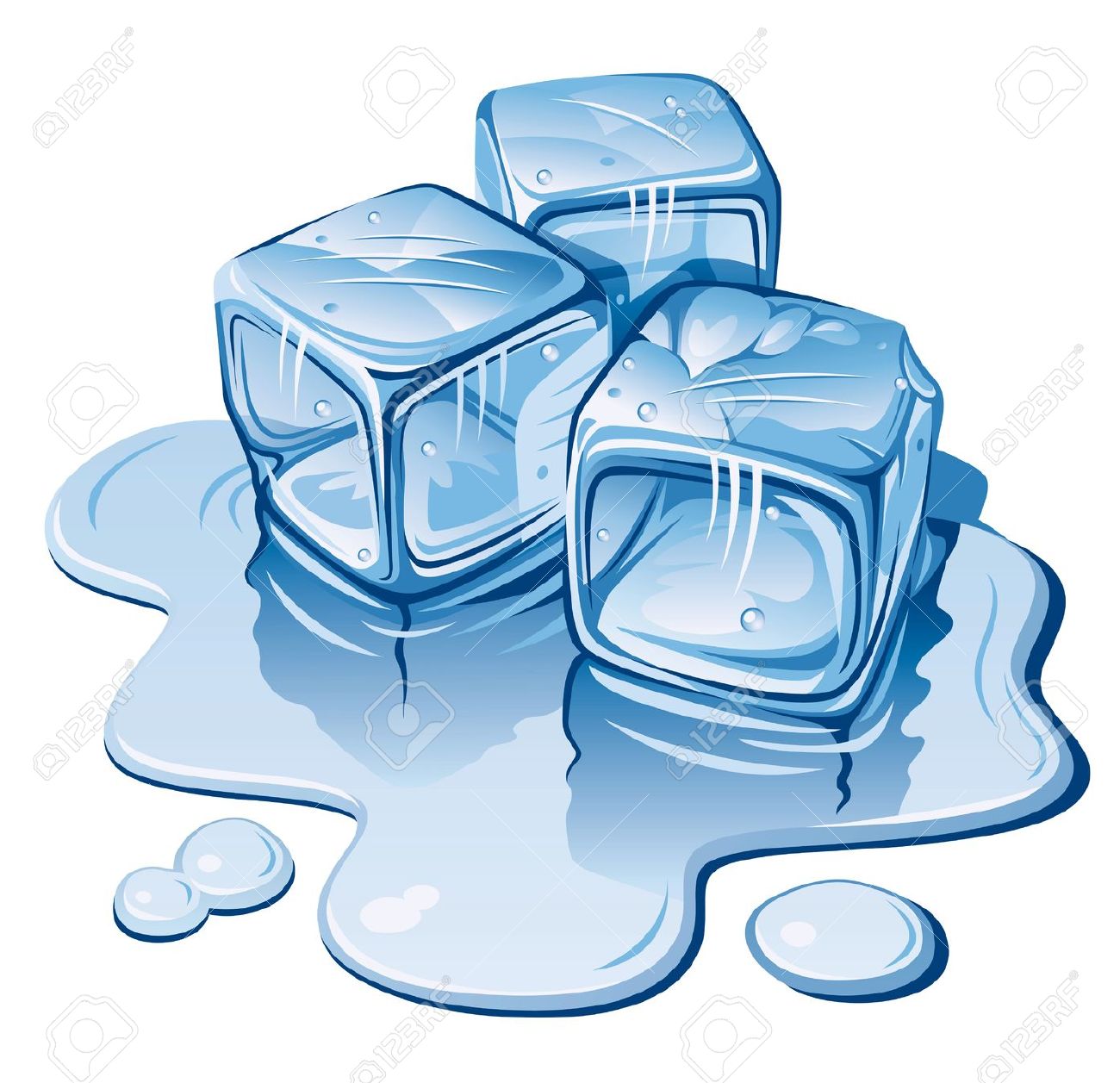
This ice cube is changing from a solid to a ______? 
a)
Solid
b)
Liquid
c)
Gas
7.
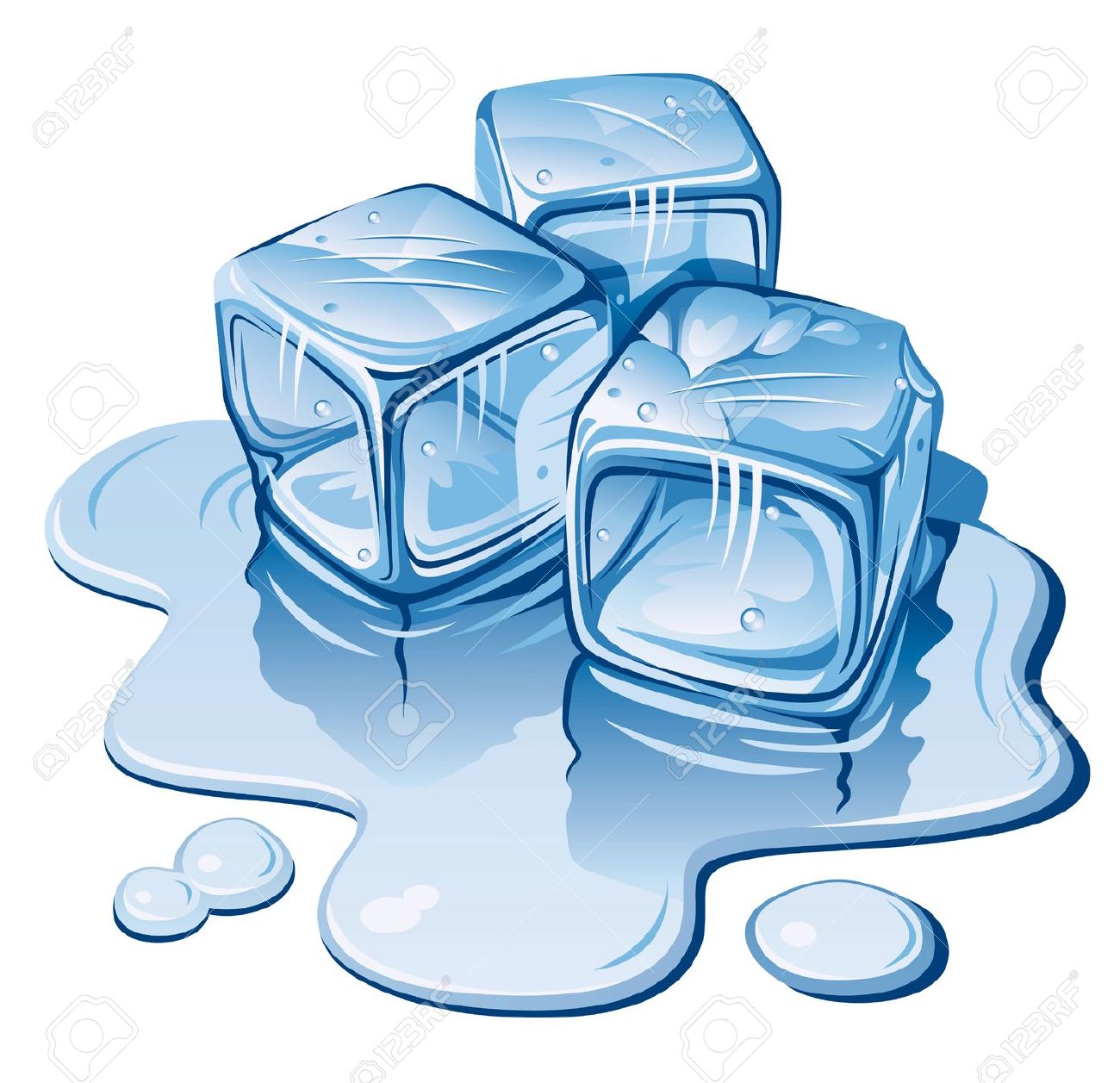
What type of energy is changing this solid to a liquid? 
a)
Light
b)
Sound
c)
Heat
8.
This water is changing from a liquid to a ________? 
a)
Solid
b)
Liquid
c)
Gas
9.
A solid can change its shape easily. 
a)
True
b)
False
10.
A liquid can change its shape easily. 
a)
True
b)
False
11.
What happens when the motion of particles slows?
a)
The particles split.
b)
The particles move further apart.
c)
The particles move closer together
d)
The particles no longer move randomly.
12.
Which phrase best describes the particles in a solid?
a)
not moving
b)
very far apart
c)
vibrating in place
d)
able to slip past one another
13.
What causes surface tension?
a)
gaps between particles
b)
rapid movement of particles
c)
attractive forces between particles
d)
crystalline arrangement of particles
14.
Which grouping lists the states of matter in order of increasing distance between particles?
a)
gas, liquid, solid
b)
liquid, solid, gas
c)
solid, gas, liquid
d)
solid, liquid, gas
15.
A gas has a no definite shape and ________.
a)
a definite shape
b)
a definite volume
c)
no definite shape
d)
no definite volume
16.
A liquid has no definite shape and ________.
a)
a definite shape
b)
a definite volume
c)
no definite shape
d)
no definite volume
17.
A solid has ________ and a definite volume.
a)
a definite shape
b)
a definite volume
c)
no definite shape
d)
no definite volume
18.

The energy an object has due to its motion

a)

thermal energy

b)

temperature

c)

kinetic energy

19.

Measure of the average kinetic energy of the particles in an object

a)

thermal energy

b)

temperature

c)

kinetic energy

20.

The total potential and kinetic energy of an object

a)

thermal energy

b)

temperature

c)

kinetic energy

21.

Changing from a liquid to a gas

a)

condensation

b)

vaporization

c)

sublimation

d)

melting

22.

Changing from a gas to a liquid

a)

condensation

b)

vaporization

c)

sublimation

d)

melting

23.

Changing directly from a solid to a gas

a)

condensation

b)

vaporization

c)

sublimation

d)

melting

24.

Evaporation and boiling are two kinds of _______

a)

condensation

b)

vaporization

c)

sublimation

d)

melting

25.

Deposition is a change from a __________

a)

gas to a solid.

b)

solid to a gas.

c)

liquid to a gas.

d)

gas to a liquid.

26.

Vaporization that occurs within a liquid is _________

a)

boiling.

b)

evaporation.

c)

sublimation.

d)

condensation.

27.
Milk is a _____. It can take the shape of any container that it is in.
a)
Solid
b)
Liquid
c)
Gas
28.
What is the missing word? When water is...., it starts to change from a liquid to a solid.
a)
Cooled
b)
Heated
c)
Boiled
29.
Gases __________.
a)
have a fixed shape
b)
are easily compressed
c)
have particles that do not flow easily
d)
have a definite volume
30.

These particles are representing which state of matter?

a)

gas

b)

solid

c)

liquid

31.

These particles are representing which state of matter?

a)

liquid

b)

solid

c)

gas

32.

The air you breathe is in which state?

a)

gas

b)

liquid

c)

solid

33.

Any substance that has mass and occupies space is called____________________

a)

atom

b)

matter

c)

volume

34.

Which state of matter has a definite shape and volume?

a)

solid

b)

liquid

c)

gas

35.

Molecules in _______________are very loosely packed.

a)

solids

b)

liquids

c)

gases

36.

Matter exist in _________________states.

a)

Two

b)

Three

c)

Four

d)

Five

37.
Which of these will flow and fill up any shape of container?
a)
solid
b)
liquid
c)
gas
d)
cats
38.
How do gases move?
a)
They flow into any container.
b)
The keep their shape and are rigid.
c)
They vibrate and move freely at high speeds.
39.
Is sand a solid, liquid or gas?
a)
Solid
b)
Liquid
c)
Gase
40.
True or false: Gases can be squashed or forced into a smaller space
a)
True
b)
False
41.
Which of these is true?
a)
Solids hold their shape.
b)
Liquids hold their shape.
c)
Gases hold their shape.
d)
Penguins eat pineapples.
42.
True or false: Solids can be squashed or forced into a smaller space
a)
True
b)
False
43.
Which of these is a liquid?
a)
Steam
b)
Ice
c)
Water
d)
Flour
44.
Milk is a _____. It can take the shape of any container that it is in.
a)
Solid
b)
Liquid
c)
Gas
45.
Which of the following statements describe gas the BEST.
a)
Gas has a packed shape.
b)
Gas cannot change shape.
c)
Gas has a definite shape.
d)
Gas spreads out to fill a space.
46.
______ is an example of liquid water.
a)
Rain
b)
Water vapor
c)
Ice
d)
None of the above
47.
Ice cubes are the ___ form of water.
a)
Liquid
b)
Solid
c)
Gas
d)
None
48.
Water vapor is a __________.
a)
solid 
b)
liquid
c)
gas
49.
Solids __________.
a)
take the shape of their container
b)
have a fixed shape
c)
are compressible
d)
have particles that flow easily
50.

Does liquid have one solid shape

a)

no

b)

yes

c)

maybe

51.

Molecules in a __________ have very little movement and the object keeps its shape and volume.

a)

solid

b)

liquid

c)

gas

52.
You blow up a balloon. Is it heavier or lighter than the uninflated balloon?
a)
Heavier
b)
Lighter
c)
The same
53.
When you squeeze a sponge under water. What are the bubbles that escape?
a)
Pieces of sponge.
b)
Air escaping.
c)
Water.
54.
Which of these IS a liquid?
a)
Sponge
b)
Shampoo
c)
Salt
55.
Which material IS a solid?
a)
Syrup
b)
Oil
c)
Wood
56.
To change a solid to a liquid you...
a)
Heat it
b)
Cool it
c)
Bend it
57.
Which of these best describes a solid?
a)
My particles are packed tightly together. I keep my shape.
b)
My particles are loosely packed. I take the shape of my container.
c)
My particles have lots of room. I try to spread out in every direction.
58.
Which of these best describes a liquid?
a)
My particles have lots of room. I try to spread out in every direction.
b)
My particles are packed tightly together. I keep my shape.
c)
 My particles are loosely packed. I take the shape of my container.
59.
Which of these best describes a gas?
a)
My particles are packed tightly together. I keep my shape.
b)
My particles are loosely packed. I take the shape of my container.
c)
 My particles have lots of room. I try to spread out in every direction.
60.
Butter going soft and runny on a hot day is an example of ...
a)
Freezing
b)
Melting
c)
Condensing
61.
What is the missing word? When water is...., it starts to change from a liquid to a solid.
a)
Cooled
b)
Heated
c)
Boiled
62.
Once a solid is turned in to a liquid, can it ever be turned back in to a solid?
a)
Yes
b)
No
63.
Clouds are formed by...
a)
Rain falling
b)
Hot air rising
c)
Water vapour condensing
64.
A gas changes in to a liquid when it is...
a)
Heated
b)
Cooled
c)
Boiled
65.
What is evaporation?
a)
When a solid becomes a liquid?
b)
When a liquid becomes a gas?
c)
When a gas becomes a solid?
66.
The movement of water around the world is called...
a)
The water cycle.
b)
Condensation.
c)
Evaporation.
67.
Which of these is NOT part of the water cycle?
a)
The Sun evaporates water on the Earth's surface into water vapour
b)
 The water vapour rises, and cools and condenses into clouds
c)
 When it rains, the clouds melt
68.
Which of these is NOT a gas.
a)
Air
b)
The sea
c)
Carbon dioxide