
Font size
 Worksheets
Science 14.2/15.1 and Element Name/Symbol Quiz Review
Total questions: 89
Worksheet time: 3hrs 58mins



What is electrical conductivity?
electricity currents
a measure of how well electricity can move through a material
a measure of how much electricity there is
being able to turn lights off anf on
Which two are examples of electrical conductors?
copper and gold
peanut butter and jelly
gloves and glass
rubber and wood
What is thermal energy?
the energy of moving people
the energy of moving particles
the energy of thermoses
energy
Which is true about thermal conductors?
they move
they allow thermal energy to flow easily through them as heat
they can conduct a train
they are cold
Which are examples of thermal conductors?
cotton and polyester
copper, aluminum and iron
wood and rubber
glass and plastic
Brass is an alloy made of
copper and zinc
copper and tin
copper and nickel
copper and aluminum
Which of the following is a property of a non-metal?
Lustrous
Low melting and boiling points
Malleable
Ductile
Which of the following is not a property of a metal?
Lustrous
Ductile
Brittle
Dense

All metal elements melt at the same boiling point.
True
False
Which is a liquid metal
Mercury
Gold
silver
brass
What is an alloy
A mixture of metals and gas
A mixture of carbon and steel
A homogenous mixture of metals and non metals
mixture of metals and non metals
Why do jewelers not create jewelry with pure gold, silver, or copper?
It is a soft metal, so it will rub or scratch away over time.
It will not be shiny.
It is impossible to find a pure form of these metals.
It is too hard to shape into a design.
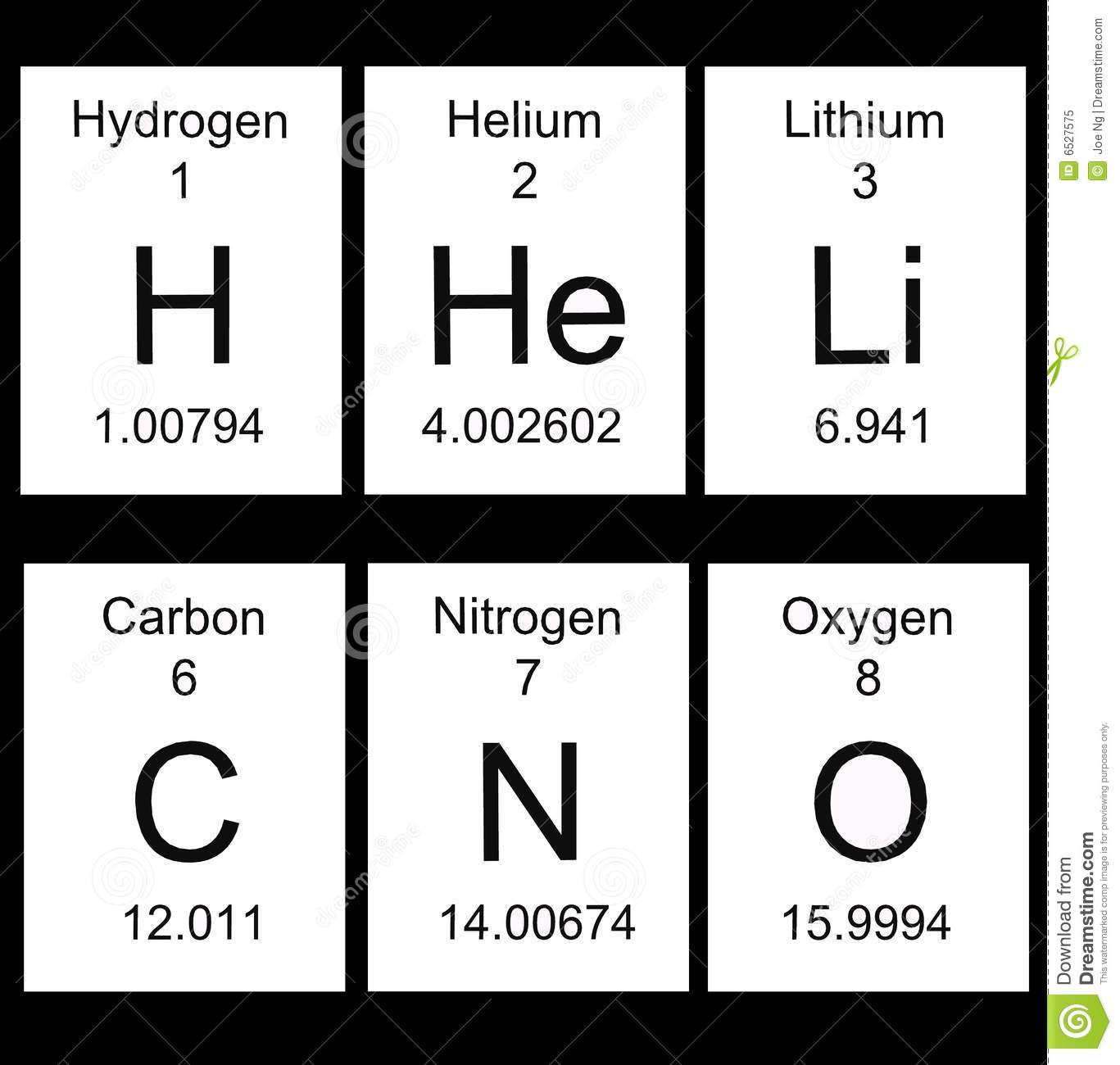
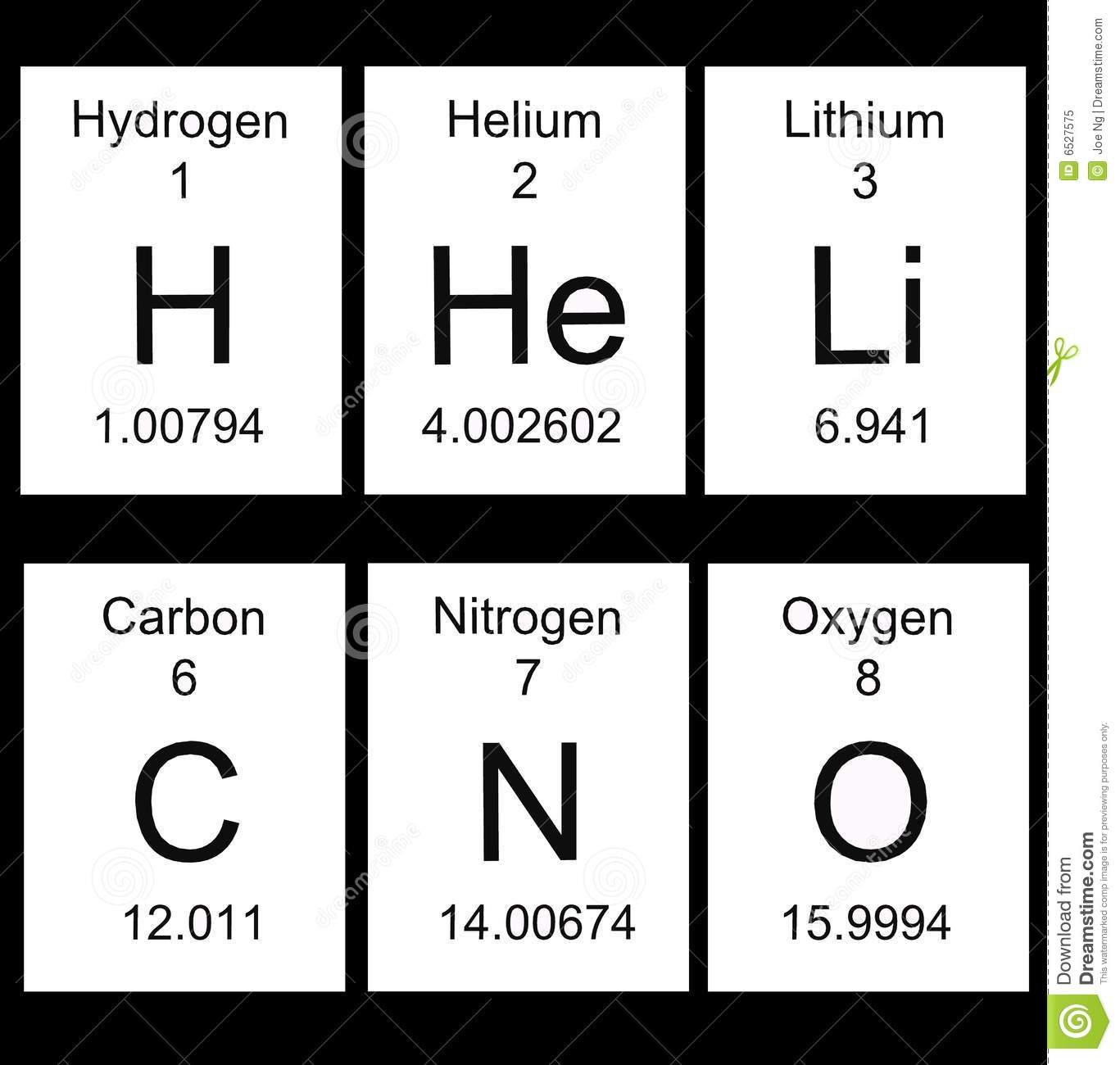
Hydrogen
Hy
Hi
Hd
H
Iron
Fe
Ir
On
Li
Copper
Co
Cp
Cr
Cu
Zinc
Zn
Zi
Zc
Ak
Al
aluminum
antimony
argon
silver
Au
Tin
Sulfur
Gold
sliver
What is the symbol for the element lead?
Pb
Sn
Le
Ld
Hg
What is the symbol for the element fluorine?
Fl
F
Fo
fl
f
What is the difference between elements and compounds?
they are the same
elements make up compounds
compounds make up elements
compounds are made of the same type of atoms while elements are mad up of two or more types of atoms
If an atom gains an electron, what charge will it have?
positive
negative
neutral

A _______ is the force that holds atoms together in a compound.
Chemical Formula
Chemical Reaction
Chemical Bond
Synthesis Reaction

An atom with a different number of electrons than it should have (more or less) is called an ---
isotope
valence electron
ion
octet
Why do chemical bonds form?
so the number of protons equals the number of electrons
to fill the outermost electron level
so an atom can become unstable
A proton has a ___ charge.
positive
negative
no charge
it depends
An electron has a ___ charge.
no charge
positive
negative
it depends

Chicken soup is an example of a _________ mixture.
heterogeous
homogenous
A can of soda is an example of a homogeneous mixture.
TRUE
FALSE
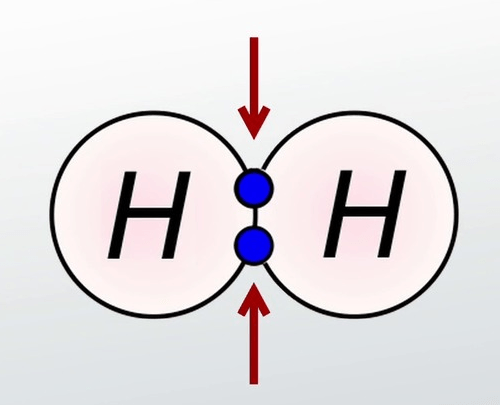
A covalent bond is formed when atoms ______ electrons.
exclude
duplicate
share
A group of atoms held together by covalent bonds is called a/an ________
atom
element
co-valence
molecule
In chemistry, ________means an element readily (easily) forms chemical bonds.
molecule
reactivity
atom
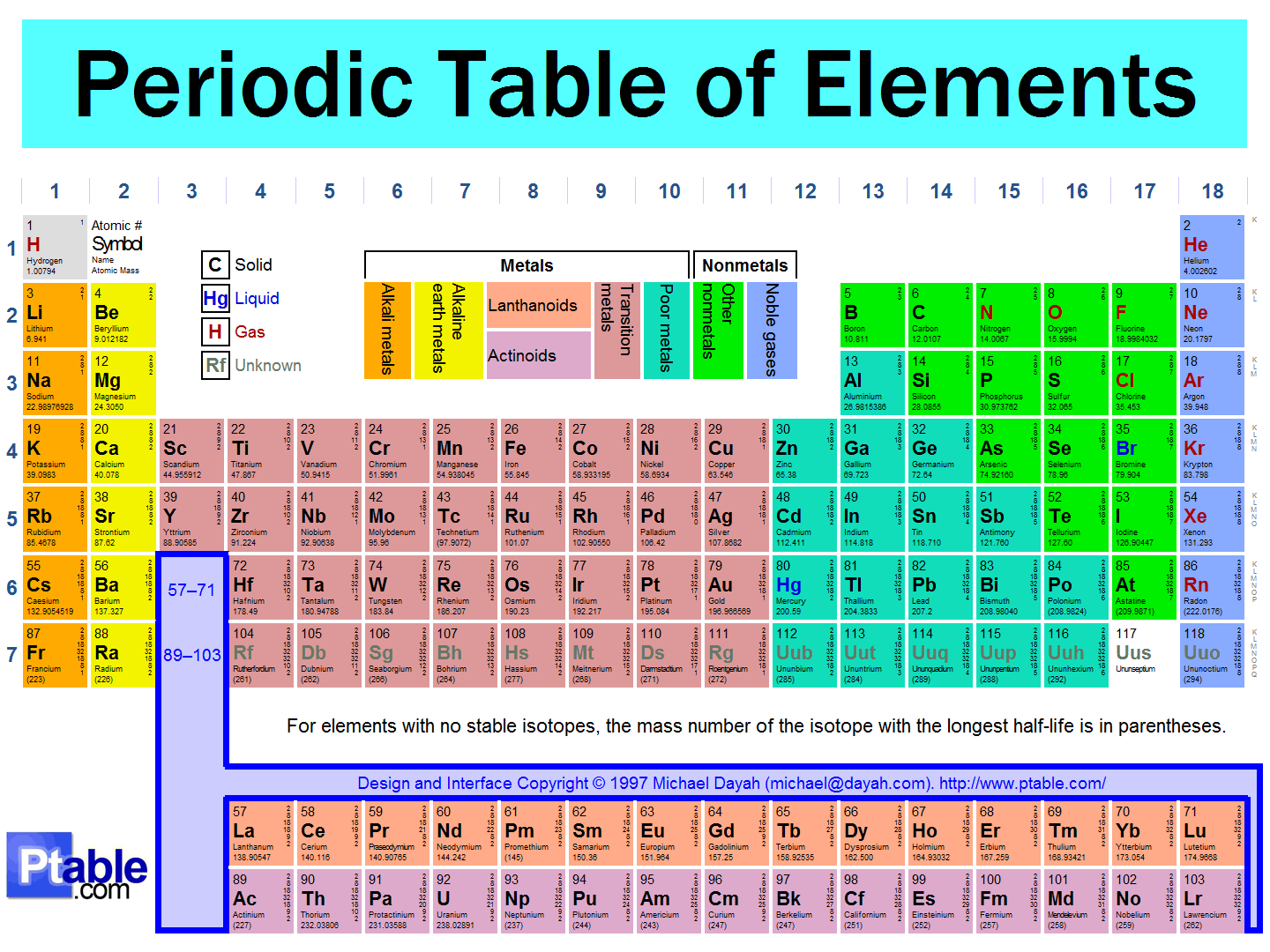
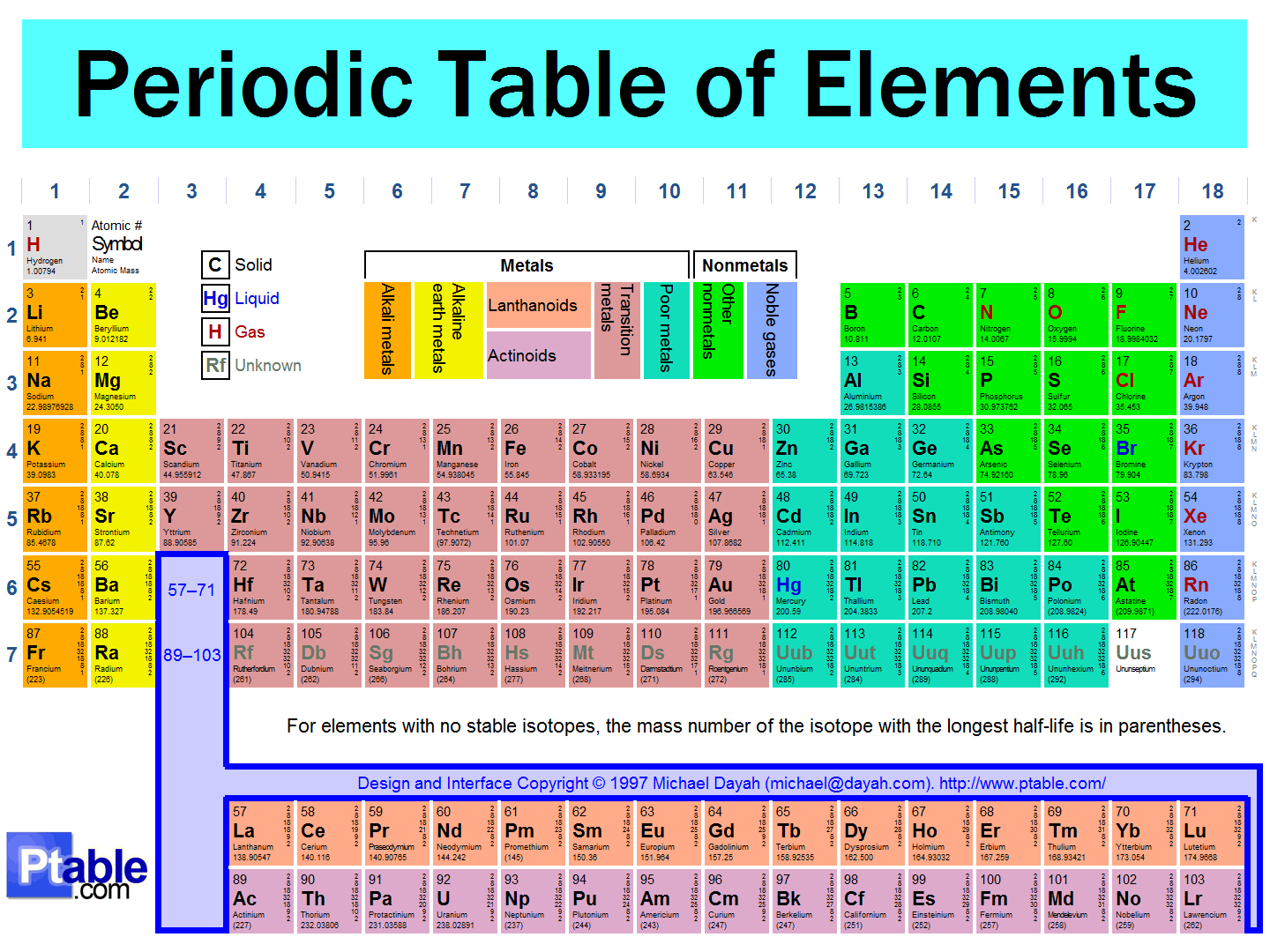
The Periodic Table
NaCl = Salt
This is an example of:
a bond
an element
a compound
Most matter is in the form of:
compounds
elements
chemicals
In a covalent bond, electrons are:
malleable
taken away
shared
positively charged
The number of pairs of electrons shared in triple covalent bond
Two
Three
One
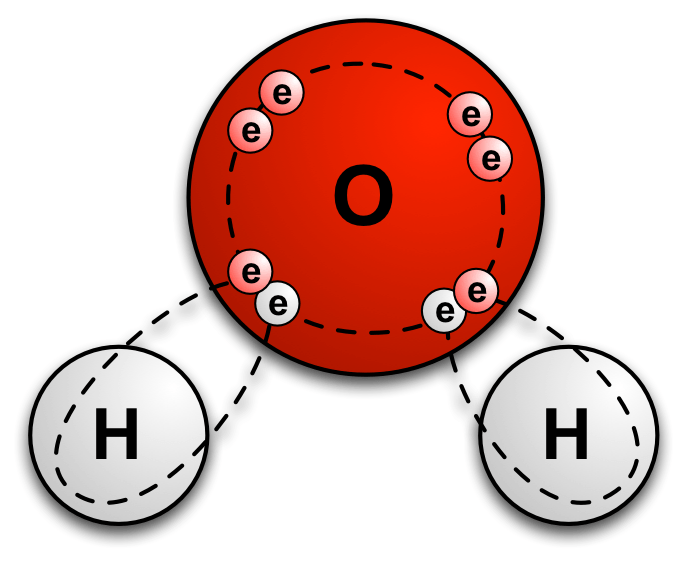

Ionic Bonding involves...
The transfer of protons
The transfer of nuetrons
The transfer of electrons
None Of the above

Typically, atoms gain or lose electrons to achieve
an exchange of energy.
ionization.
a stable electron configuration
vaporization
How are ions formed?
Gaining or losing protons
Gaining or losing neutrons
Gaining or losing electrons
Gaining of losing mass


ZINC
Zn
Z
Zi
Zc

MANGANESE
Mg
Ma
Mn
M
Iodine
Io
I
In
Ie
Platinum
Pm
Pt
Pa
Pl
Mercury
Me
Hg
My
Mc

