
 Worksheets
A & P 3rd Nine Weeks REVIEW
Total questions: 110
Worksheet time: 58mins
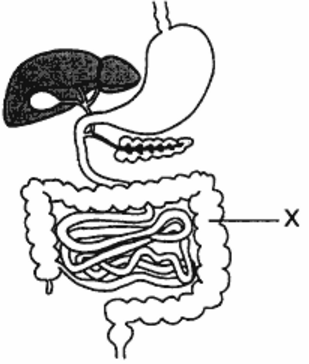
What is the function of a liver?
To call Raegan a gweeb
to transfer foods
to produce enzymes
to produce bile
What is the function of a small intestine
to crunch the food
To add enzymes
Contains hydrochloric acid
To absorb nutrients and water
What is the function of pancreas
To produce insulin and other important enzymes
To produce bile
To produce the next Albert Enstine
To produce saliva
The main function of the stomach is to:
Store food
Produce hydrochloric acid
Break down food
All the above
Digestion begins in the where?
Mouth
Stomach
Pancreas
Gallbladder
Large food molecules need to be broken down to be small enough to pass through cell membranes.
True
False
Which enzyme does the stomach produce?
amylase
lipase
maltase
protease
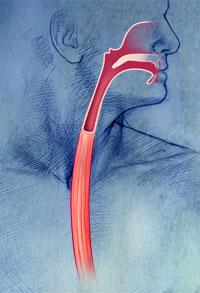
Why is the esophagus muscular?
To break the food into even smaller pieces
To produce enzymes to digest food
To push food from the mouth into the stomach
To move the food back and forth in two directions
The breaks down the food we eat.
respiratory system
digestive system
skeletal system
Digestion begins in the when you chew and swallow food.
stomach
esophagus
mouth
A watery liquid called makes the food wet and soft, and it has a chemical that helps digest the food.
blood
urine
saliva
The connects the bottom of your throat to your stomach.
mouth
oesophagus
small intestine


Chemical used to digest food
enzyme
saliva
The PROCESS by which food is broken down
digestion
enzyme
LIQUIDS that help soften and BREAK DOWN food
digestive juices
enzyme
The longest part of the digestive system is the …………………..
esophagus
small intestine
stomach
large intestine
……………….. Secretes gastric juice that changes protein into a semi-liquid substances
large intestine
stomach
mouth
small intestine
the undigested food is assembled in the ………………..
Stomach
Duodenum
Small intestine
large intestine
bile juice is secreted by ……………………
liver
Stomach
Salivary glands
Pancreas
........... is the process of changing food from complex form into simple to get benefit from it
Respiration
Digestion
Absorption
Sensation
The teeth and tongue of the oral cavity break foodstuff down physically. This is an example of
mechanical digestion
chemical digestion
absorption
peristalsis
Which of the following is an accessory organ of the digestive system?
stomach
small intestine
esophagus
liver
Which of the following answers correctly sequences the pathway food takes from the beginning to end?
mouth, esophagus, stomach, small intestine, large intestine
mouth, esophagus, stomach, large intestine, small intestine
mouth, stomach, esophagus, small intestine, large intestine
mouth, stomach, esophagus, large intestine, small intestine

Structure 12 is the
pancreas
salivary glands
mouth
esophagus
Structure 16 is the
pancreas
salivary glands
larynx
esophagus
Structure 4 is the
pancreas
liver
stomach
gall bladder
Structure 17 is the
pancreas
liver
stomach
gall bladder
Structure 5 is the
pancreas
appendix
salivary gland
gall bladder
Structure 20 is the
pancreas
stomach
large intestine
small intestine
Structure 8 is the
pancreas
stomach
large intestine
small intestine
Structure 11 is the
gall bladder
appendix
large intestine
small intestine
Structure 22 is the
anus
rectum
large intestine
small intestine
Structure 23 is the
anus
rectum
large intestine
small intestine
Solid waste eliminated by the body, specifically the digestive system.
feces
chyme
bolus
bile
Soup-like mixture found in the stomach made up of food and digestive juices
chyme
bolus
feces
bile
Ball-like mixture of food and saliva formed by the mouth before swallowing.
bolus
chyme
bile
feces
Which of the following is NOT a step in the digestion of food?
absorption
expiration
ingestion
secretion
Which of the following is NOT part of the digestive system?
gall bladder
pancreas
spleen
liver
Removing liquid wastes from your body
A) Urine passes through the ureters
B) Urea enters the kidneys
C) Urine enters the urethra
The process of artificially filtering the blood to remove waste is known as
kidney failure
kidney stones
lithotrypsy
dialysis
The treatment for most kidney stones is
to wait until it passes.
lithotrypsy
break it down with a laser
surgery


The ________________ arteries supply the kidneys with blood.
Renal
Urethral
Pulmonary
Pelvic
UTI stands for:
Upper respiratory infection
Upper tract infection
Urinary tract infection
What are the symptoms of a UTI?
frequent need to urinate
painful/burning sensation when urinating
dark urine
blood in urine
cramps
Incontinence is when you can't hold in your urine
True
False
Men have a longer urethra than women, which is why they are less likely to get a UTI
True
False

What is the name of these organs?
Lungs
Kidneys
Ureters
None of the above

What is #1?
Kidney
Ureters
Bladder
Urethra
What makes up around 55% of the blood?
Plasma
Red Blood Cells
White Blood Cells
Platelets
What carries oxygen around the body?
Plasma
Red Blood Cells
Platelets
White Blood Cells
What causes the blood to be the distinct red colour?
Haemoglobin
Glucose
Hormones
Oxygen
What is the function (job) of the platelets?
To form clots (i.e. scabs) when you have cuts and grazes.
To transport oxygen to the muscles
To carry dissolved sugars.
To produce antibodies
What is the function (job) of the white blood cells?
To transport oxygen around the body.
To carry dissolved sugars.
To clot and cover wounds like cuts and grazes.
To release antibodies to help destroy infections.
What is the function (job) of the plasma?
To release antibodies to fight infections.
To transport oxygen around the body.
To carry dissolved nutrients and sugars.
To transport oxygen around the body.
What is the function (job) of the red blood cells?
To transport oxygen around the body and to the muscles.
To release antibodies to fight infections.
To carry dissolved nutrients and sugars.
To clot and form scabs if there is a wound on the body.

What is blood made of?
oxygen and plasma
red blood cells and white blood cells
plasma, red blood cells, white blood cells, and platelets.
plasma and platelets

What is plasma?
only white blood cells
only red blood cells
fluid part of blood
hemoglobin


Why do platelets clump together?
to produce oxygen
to reduce oxygen
to produce blood loss
to reduce blood loss

What destroys pathogens?
antibodies
red blood cells
platelets
plasma

What part of the blood destroys dead and damaged cells?
White blood cells
red blood cells
platelets
pathogens

