
 Worksheets
Rocks and Rock Cycle for Twins
Total questions: 101
Worksheet time: 3625secs


Which sedimentary rock has a fine-grained texture?
1
2
3
4
Rock made from fossils of once living plants or animals.
Intrusive Igneous
extrusive Igneous
clastic Sedimentary
organic Sedimentary


The process by which metamorphic rock changes to igneous rock begins with
melting
erosion
deposition
crystallization
Name of the impression of a plant or animal, in the soil, that existed in the past
diamond
hardness
fossil
Geologist use this to study different minerals that make up rock composition.
mineral
fossil
microscope
hardness
What is underground molten rock?
Lava
Magma
Soil
Intrusive
What is aboveground molten rock?
Extrusive
Magma
Lava
Sedimentary

Sandstone is an example of...
Metamorphic
Sedimentary
Igneous
What is the parent material of all rocks?
Magma
Lava
Sedimentary
Organic matter


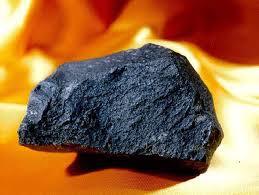


Which missing rock type is the arrow pointing at?
Igneous
Sedimentary
Metamorphic

Which missing rock type is the arrow pointing at?
Igneous
Sedimentary
Metamorphic

Which missing rock type is the arrow pointing at?
Igneous
Sedimentary
Metamorphic

How does a metamorphic rock become an igneous rock?
Heat and pressure
Melting and cooling
Weathering/Erosion and Cementation
Cycle

How does an igneous rock become a sedimentary rock?
Heat and pressure
Melting and cooling
Weathering/Erosion and Cementation
Cycling

How does a sedimentary rock become a metamorphic rock?
Heat and pressure
Melting and cooling
Weathering/Erosion and Cementation
Cycling

Which material is melting and cooling to become an igneous rock?
Sediments
Sedimentary rocks
Magma
Igneous rocks

Which material is being broken down through weathering and erosion?
Igneous
Magma
Sediments
Sedimentary
What can happen to an igneous rock after it is formed?
It can be transformed to metamorphic rock.
It can harden and remain the same size and texture permanently.
It can eventually weather into limestone.
It can form rock that eventually becomes amethyst.
How long does it usually take for a rock to make a complete trip through the rock cycle?
Thousands of years
Centuries
Millions of years
Decades
If you wanted to collect sedimentary rocks, what sort of characteristics would you look for in a rock's composition?
Rock made from eroded material broken off other rocks and cemented together.
Rock that formed from magma or lava during a volcanic eruption.
Rock that includes sparkly crystals and other types of gemstones
Rock that has been transformed into new substances due to intense heat and pressure.
In which type of rock might you see a fossil?
Marble
Igneous rock
Metamorphic rock
Sedimentary rock
What rock type is formed from the slow cooling of magma under the earth's surface?
Extrusive igneous
Intrusive igneous
Metamorphic
sediment

Which of the following CAN be inferred from the diagram?
Rocks can change over time
Metamorphic rock can form from any other type of rock.
Different types of rock will be made of different minerals.
New rocks can be formed from older rocks of different ages.
Which of these actions must take place in order for sedimentary rock to change into igneous rock ?
The sedimentary rock melted and became magma.
Sedimentary minerals dissolved in water to form igneous rock
The sedimentary rock broke down into smaller pieces and then was melted into igneous rock
The sedimentary rock was exposed to extreme heat and pressure.
A piece granite formed from slowly cooling magma in then it is then buried and compacted, and will become sandstone. The sandstone may be moved deeper underground where it will be subjected to heat and pressure to become quartzite. The quartzite is then exposed at the Earth's surface, is broken apart due to weathering, and then cemented back together to form sandstone. What is the rock cycle for this sequence of transformations?
metamorphic rock to igneous rock to sedimentary rock
igneous rock to sedimentary rock to metamorphic rock
igneous rock to metamorphic rock to sedimentary rock
sedimentary rock to igneous rock to metamorphic rock
The rock cycle is a visual illustrations that helps us understand how different types of rock form. Which of the following is true about the rock cycle
weathering only occurs in metamorphic rock
the rock cycle is always predictable
It stops after igneous rock forms
It involves weathering, heating, pressure, and cooling.
If a scientist is observing rocks near a volcano, she is most likely observing what kind of rock?
igneous rock
sedimentary rock
sediment
metamorphic rock
Shale, Limestone, and Sandstone all contain layers . These types of rock are most likely classified as.....
igneous rock
sediment
sedimentary rock
metamorphic rock
What has to happen to magma for it to transform into igneous rock?
weathering
erosion
melting
cooling
What has to happen for igneous rock to change into metamorphic rock
cooling
melting
weathering
extreme heat and pressure
During which part of the rock cycle does sediment get stuck together?
melting
weatheirng
cooling
cementing
Which is responsible for buried rock becoming exposed at Earth's surface?
melting
weathering and erosion
Falling volcanic ash
cooling
How are rocks broken into smaller pieces?
weathering
melting
cooling
cementing
Which of the following processes allow sedimentary rocks to be produced?
melting
Compaction and cementing
extreme heat and pressure
melting so that magma can be produced
Rock sediments are carried to other places by the wind, running water, and gravity. As these forces lose energy settling takes place. The sediments settle out of the air or water in rock particles graded by size with heavier pieces settling out first. Which term best describes this process of sedimentary rock formation?
weathering
erosion
deposition
melting

Which type of rock was MOST LIKELY formed by the Tennessee River over the last 100 million years?
Igneous
Sedimentary
Mountainous
Metamorphic
Which kind of rock is produced by deposition compaction and cementation?
Igneous
Sedimentary
Mountainous
Metamorphic
Which best describes one way igneous rocks form?
Sedimentary rocks erode.
Sedimentary rocks are compacted.
Metamorphic rocks are melted, then cooled.
Metamorphic rocks are deposited and cemented
Which terms best describe igneous rocks?
light and easily broken
soft and smooth
hard and dense
soft dense
Which statement is the best description of what
happens in the rock cycle?
Rocks on old mountains are gradually weathered away, while mountain building and volcanism form new mountains.
Once formed, rocks stay in place until rocks above them are weathered away and they reach the surface.
As sedimentary rocks are buried deep below other rocks, they are changed by heat and pressure, eventually return to the surface, and are weathered again.
Younger sedimentary rocks are always deposited on top of older metamorphic or igneous rocks.
Fossils found in layers of sedimentary rocks help scientists understand
why volcanoes exist
why rocks are formed
how igneous rocks are made
how species change over time
A group of students found metamorphic rocks near a campsite. The presence of metamorphic rocks is most likely evidence of
dinosaur activity
sediment deposition
high pressure
wind-borne sand

Which process is best illustrated by the diagram?
igneous rock formation
sedimentary rock formation
igneous rocks changing into metamorphic rocks
sedimentary rocks changing into metamorphic rocks

Sedimentary rocks have visible layers of small pieces of other rocks. Based on the information in the rock sample table, which is a sedimentary rock?
pumice
granite
obsidian
limestone
Schist and quartzite are examples of metamorphic rocks. Which processes are necessary for the formation of metamorphic rocks?
cooling and weathering
cooling and pressure
heating and pressure
weathering and heating
Why are most fossils found in sedimentary rocks?
Sedimentary rocks are not very old.
Organisms live only in areas with sedimentary
rock
Organisms can be preserved in sedimentary
rock.
Sedimentary rocks are found only at the
surface of the ground.


What type of rock is formed from slow cooling magma UNDER the earth's surface?
Extrusive Igneous
Intrusive Igneous
Metamorphic
Sediment
Identify the series of geologic processes that can transform sediment into shale (sedimentary rock), shale into slate (metamorphic), and slate into magma
Cooling; Melting; Heat and Pressure
Compacting and cementing; heat and pressure; melting
Melting; heat and pressure; cooling
Weathering and erosion; compacting and cementing; cooling

The Mount Rushmore National Monument is carved from the granite (formed from magma underground) of South Dakota's Black Hills. What type of rock is granite?
Igneous
Metamorphic
Sedimentary
None of the above

The seated sculpture of President Lincoln inside the Lincoln Memorial was carved out of white Georgia marble (formed from Earth's pressure and heat). What type of is marble?
Igneous
Metamorphic
Sedimentary
None of the above
Which characteristic is common to EXTRUSIVE igneous rocks?
Crystals
Fossils
Glassy surface
Ribbonlike layers

Which type of rock is made from lava cooling on the surface of Earth?
EXTRUSIVE Igneous
Metamorphic
Sedimentary
INTRUSIVE Igneous


Limestone is an example of...
Sedimentary
Igneous
Metamorphic

Granite is an example of...
Igneous
Metamorphic
Sedimentary

Marble is an example of...
Igneous
Sedimentary
Metamorphic
Sandstone is an example of...
Metamorphic
Sedimentary
Igneous

Quartzite is an example of...
Metamorphic
Igneous
Sedimentary

Basalt is an example of...
Igneous
Sedimentary
Metamorphic

Shale is an example of...
Metamorphic
Sedimentary
Igneous

Gneiss is an example of...
Igneous
Sedimentary
Metamorphic
Which of these actions must take place in order for igneous rock to change into sedimentary rock ?
The igneous rock melted and became magma.
Igneous rock dissolved in water to form sedimentary rock.
The igneous rock broke down into smaller pieces and then was eroded and deposited to form sedimentary rock.
The igneous rock was exposed to extreme heat and pressure.

