wayground logo

Free Printable Worksheets

Font size

S
M
L
XL
Worksheets

Unit 8 8th Grade

Total questions: 65

Worksheet time: 3hrs 58mins

Name
Class
Date
1.
All the non-living things in an ecosystem are called ______________________ factors.
a)
Ecosystem
b)
Environment
c)
Biotic
d)
Abiotic
2.
All the living things in an ecosystem are called ______________________ factors.
a)
Ecosystem
b)
Environment
c)
Biotic
d)
Abiotic
3.
Is the following factor Biotic or Abiotic?
Tree
a)
Biotic
b)
Abiotic
4.
Is the following factor Biotic or Abiotic?
Insects
a)
Biotic
b)
Abiotic
5.
Is the following factor Biotic or Abiotic?
Fallen Leaves
a)
Biotic
b)
Abiotic
6.
Is the following factor Biotic or Abiotic?
Temperature
a)
Biotic
b)
Abiotic
7.

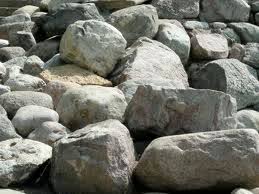
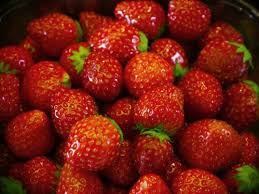
Biotic or abiotic?

a)

Biotic

b)

Abiotic

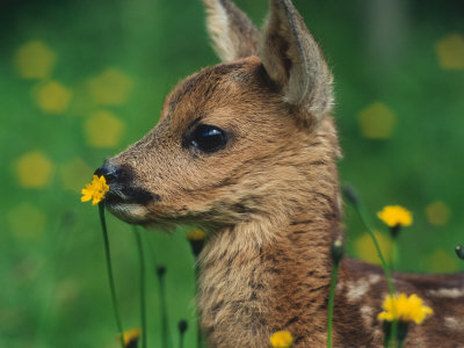
8.

Biotic or abiotic?

a)

Biotic

b)

Abiotic

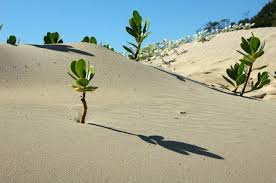
9.

Biotic or abiotic?

a)

Sand: Biotic

b)

Sand: Abiotic

c)

Plant: Abiotic

d)

Plant: Biotic

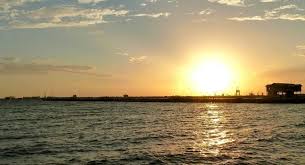
10.

Biotic and abiotic?

a)

Abiotic

b)

Biotic

11.

Biotic or abiotic?

a)

Abiotic

b)

Biotic

12.

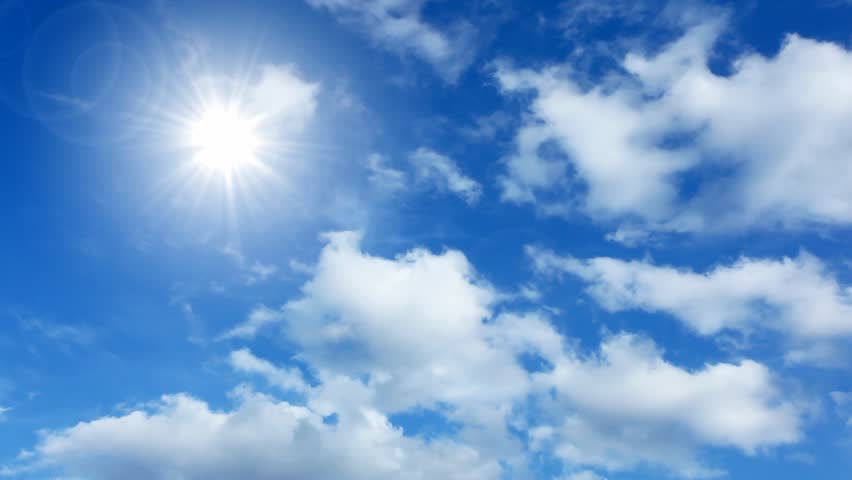
Biotic or abiotic?

a)

Sunlight: Abiotic

b)

Sunlight: Biotic

c)

Clouds: Abiotic

d)

Clouds: Biotic

13.

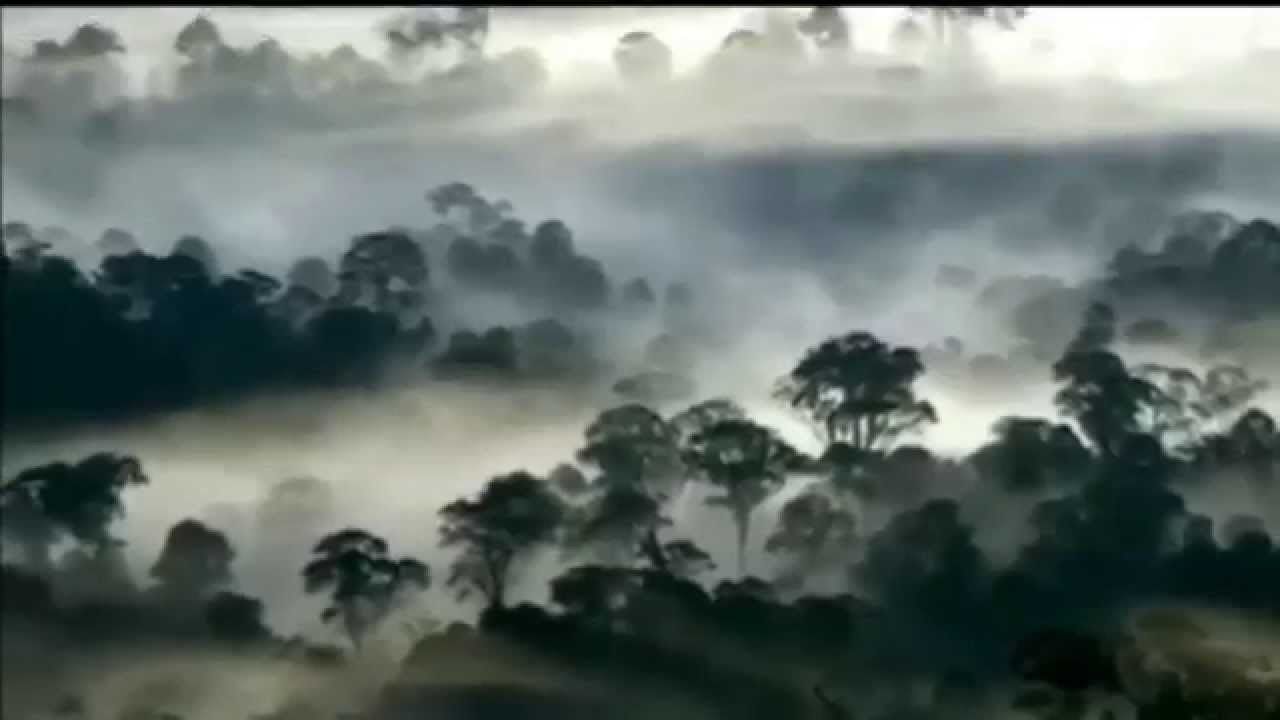
Biotic or abiotic ?

a)

Fog: Abiotic

b)

Fog: Biotic

14.

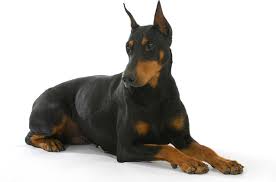
Biotic or abiotic?

a)

Biotic

b)

Abiotic

15.

Biotic or abiotic?

a)

Abiotic

b)

Biotic

16.
A living or once-living thing in an ecosystem is a(n) _______.
a)
biotic factor
b)
population
c)
abiotic factor
d)
resource
17.
All the organisms of a particular type living in the same place at the same time is called a _______.  An example is a herd of deer.
a)
population
b)
community
c)
resource
d)
ecosystem
18.
Temperature, light, air, water, and soil are all ___________ parts of the environment.
a)
biotic
b)
abiotic
c)
dead
d)
scavenged
19.

All living things or organisms in an ecosystem are

a)

None

b)

biotic factors

c)

abiotic factors

20.

What is the difference between the biotic and abiotic factors?

a)

Biotic factors are living things and abiotic factors are nonliving things.

b)

Biotic factors are nonliving things and abiotic factors are living things.
21.
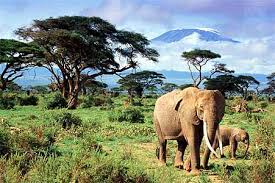
What are the biotic factors in this image?
a)
sunlight, elephants, and grasses
b)
sunlight, water,  and air
c)
elephants, plants, trees 
22.

What are the abiotic factors in this image?

a)

water, sunlight, dirt, air

b)

birds, trees, and sunlight

c)

water, trees, and birds

23.

Lizards and cacti are biotic factors in a desert ecosystem that would rely on which abiotic factors?

a)

insects and sun

b)

water and insects

c)

snakes and temperature

d)

water and soil

24.

Which is an example of a biotic factor in the environment?

a)

The climate in the region

b)

Carnivores that consume other animals

c)

Amount of helium gas in the air

d)

Flow of water in a river

25.

Which of the following shows an abiotic factor interacting with a biotic factor in the environment?

a)

Lamprey eels survive by attaching themselves to trout.

b)

Water temperature affects its oxygen level.

c)

Low light intensity affects the growth of forest pine trees.

d)

Gypsy moth caterpillars eat the leaves of apple tree.

26.

What is an example of how organisms respond to short term changes in the environment?

a)

Animals tend to eat a lot more.

b)

Animals will hibernate.

c)

Animals must be able to adapt to a new environment.

d)

Animals will go extinct or die due to the short term change.

27.

What kind of environmental change is shown in the picture above?

a)

Short term

b)

Long term

28.

What two environmental changes can be found in this image?

a)

pollution and climate change

b)

climate change and urbanization

c)

deforestation and pollution

d)

urbanization and deforestation

29.

Natural Disasters such as, earthquakes, flooding, and volcanic eruptions can cause ...

a)

short term changes

b)

long term changes

30.

which one of these is a solution that can help resolve/reduce global warming? Select all that apply.

a)

Reuse, Reduce and Recycle!

b)

Share a ride, ride the bus, bike to school!

c)

Plant a tree!

d)

Blow into the air to produce more Carbon Dioxide in order to help plants live longer!

31.

A great amount

a)

abundance

b)

inherited characteristic

c)

variety of life

32.

an inherited characteristic that increases an organism's chance of survival

a)

biodiversity

b)

environmental change

c)

adaptation

33.

Biodiversity is

a)

changes in an environment

b)

variety of life

c)

characteristics of organisms

34.

environmental change is described as

a)

breeding of organisms

b)

a disturbance in the environment

c)

changes in genetic material

35.

changes in the genetic material of a cell

a)

mutation

b)

adaptation

c)

variation

36.

no longer living or existing

a)

endangered

b)

mutated

c)

extinct

37.

A natural process resulting in changes to an organism leading to adaptations.

a)

Natural Selection

b)

selective breeding

c)

environmental change

38.

breeding organisms for a desired trait

a)

variation

b)

Natural Selection

c)

selective breeding

39.

differences between members of the same species

a)

variation

b)

selective breeding

c)

abundance

40.

An _______________ is made up of the living and nonliving things in an environment that work together for a purpose.

a)

habitat

b)

biotic

c)

ecosystem

d)

economy

41.
A living or once-living organisms in an ecosystem is a
a)
population
b)
biotic factor
c)
abiotic factor
d)
community
42.
All the organisms of a particular type living in the same place at the same time is called a _______.  An example is a herd of deer.
a)
population
b)
community
c)
resource
d)
ecosystem
43.
Field mice eat corn. Which would most likely happen if the field mouse population grew?
a)
There would be more corn to feed the field mice.
b)
There would be less corn due to the mice eating it.
c)
The habitat would get overpopulated because the mice woudl eat too much.
44.
The environmental impact of mining includes erosion, loss of biodiversity,contamination of soil and water
a)
This is a short term impact.
b)
This is a long term impact.
45.
Which of the following will have the longest term impact on organisms in an ecosystem?
a)
flooding
b)
oil spill
c)
blizzard
d)
global warming
46.
Due to several days of downpours the rivers have overflowed their banks causing localized flooding.
a)
This is a long term impact.
b)
This is a short term impact.
47.
A connection between terrestrial and aquatic food webs is best exemplified by which pair of animals?
a)
dolphins and fish
b)
lions and gazelles
c)
pelicans and fish
d)
spiders and flies
48.
Which statement best describes an estuary?
a)
An estuary is the extension of a continent located underwater.
b)
An estuary is land that is exposed at low tide and is underwater at high tide.
c)
An estuary is a partly enclosed body of water where a river meets the ocean.
d)
An estuary is a deep body of water that contains large animals.
49.
Review the graph showing marine fishing rates.If the fishing rate in Asia continues to grow, what will most likely happen as a result?
a)
The fish population will continue to rise.
b)
The U.S. human population will decline.
c)
A wide range in ocean temperatures will be seen worldwide.
d)
The overfishing will cause an imbalance in marine ecosystems.
50.
The diagram shows a boat using sonar to gather information in the ocean. What is most likely being measured with this technology?
a)
ocean depth
b)
ocean temperature
c)
pH level
d)
turbidity level
51.
The population of photosynthetic organisms is higher in the neritic zone and surface waters than in the deep ocean. Which statement best explains the reason for this?
a)
There is more space for plants to grow in these areas of the ocean.
b)
There is more dissolved oxygen for plants in these areas of the ocean.
c)
The availability of sunlight and nutrients supports photosynthetic organisms.
d)
The high salinity and cool temperature supports photosynthetic organisms.
52.
Which statement about oceans is true?
a)
Pressure is lower on the ocean floor.
b)
Water temperature increases with depth.
c)
More photosynthesis occurs in the warmer surface waters.
d)
The colder, deeper waters are less dense than the surface waters.
53.
Use the marine food web to answer the question. Which organism most accurately represents a link between an aquatic and terrestrial environment?
a)
fish
b)
pelican
c)
plankton
d)
shark
54.
Which statement best describes how nutrients move in the ocean as a result of upwelling?
a)
Nutrients move from estuaries into the intertidal zone.
b)
Nutrients move from warm, shallow areas to deep, colder areas.
c)
Nutrients move from the neritic zone to the intertidal zone.
d)
Nutrients move from deep, colder areas to warm, shallow areas.
55.
A snaggletooth fish has a glowing lure that extends from its chin to attract prey. In which ocean zone does this fish most likelylive?
a)
bioluminescent zone
b)
intertidal zone
c)
neritic zone
d)
oceanic zone
56.
In what ocean zone do coral reefs grow?
a)
estuarial zone
b)
intertidal zone
c)
neritic zone
d)
oceanic zone
57.
In what ocean zone are tide pools located?
a)
estuarial zone
b)
intertidal zone
c)
neritic zone
d)
oceanic zone
58.
The diagram shows an organism that lives in the ocean.What is true about the organism shown?
a)
It is algae.
b)
It is benthos.
c)
It is nekton.
d)
It is plankton.
59.
Which organism is an example of a benthos?
a)
jellyfish
b)
seal
c)
shark
d)
starfish
60.
Which organism would be found in an intertidal zone?
a)
coral
b)
crab
c)
dolphin
d)
squid
61.
Which organisms could live on the floor of the oceanic zone?
a)
algae
b)
clams
c)
sharks
d)
worms
62.
Which tool would most likely  be used by scientists to explore a hydrothermal vent at the Mid-Atlantic Ridge?
a)
buoy
b)
remote operated vehicle
c)
satellite imagery
d)
sonar
63.
A group of students developed a model to represent the different zones of an ocean. Which factor prevents the growth of aquatic plants in the aphotic zone?
a)
absence of tides
b)
absence of sunlight
c)
underwater volcanoes
d)
salinity of water
64.
A scientist observed that the Arctic Ocean had less dissolved oxygen in the winter as compared to the summer. What could be a reason for this?
a)
less salinity
b)
high temperatures
c)
an increase in upwelling
d)
poor phytoplankton growth
65.
Which process occurs in the ocean and contributes large amounts of oxygen to the atmosphere?
a)
digestion by fish
b)
decomposition by bacteria
c)
respiration by zooplankton
d)
photosynthesis by phytoplankton