
Font size
 Worksheets
Unit 2: Origin of Life
Total questions: 100
Worksheet time: 2hrs 8mins

contains DNA, which has the information on how to make the cell's proteins
control center for the cell
nucleus
lysosome
mitochondria
endoplasmic reticulum
What is the function of cell membrane ?
responsible for making proteins
responsible for storage
responsible for materials going in and out of cell
responsible for DNA

Identify the structure (A)
Cell Membrane
Ribosome
Chloroplast
Nucleus
Identify the structure (B)
Cell Membrane
Ribosome
Chloroplast
Nucleus
Identify the structure (D)
Cell Membrane
Ribosome
Chloroplast
Nucleus

Animal cell or plant cell
Animal
Plant
Least complex to most complex
mitochondria, leaf, plant cell, tree
mitochondria, plant cell, leaf, tree
tree,leaf, plant cell, mitochondria
plant cell, leaf, mitochondria , tree
What is the term for the smallest unit of life?
cell
tissue
organ
organ system

Which of the following shows the order from simplest to most complex?
organelle -> cells->tissue->organs->organ systems-> organism
tissue->cells->organelle -> organs->organ systems-> organism
organelle -> organs->organ systems-> organism->cells->tissue
organism -> organ systems -> organs -> tissues -> cells -> organelle
Which of the following shows the order from most complex to least complex?
Organelle -> cells->tissue->organs->organ systems-> organism
tissue->cells->organs->organ systems-> organism
organs->organ systems-> organism->cells->tissue
organism -> organ systems -> organs -> tissues -> cells -> organelles

breaks down glucose to produce energy (ATP) during cellular respiration
mitochondria
nucleus
cytoplasm
chloroplast
Identify the structure for "A"
Nucleus
Cell membrane
Mitochondria
Vacuole
Identify the structure for "B"
Nucleus
Cell membrane
Mitochondria
Vacuole
Identify the function for "A"
stores genetic information
transports materials in and out
makes ATP (energy)
Storage of waste
Identify the structure for "C"
Nucleus
Cell membrane
Mitochondria
Vacuole
Identify the function for "C"
stores genetic information
transports materials in and out
releases energy
Storage of waste
Enzymes are an example of
Lipids
Carbohydrate
Protein
Nucleic Acid
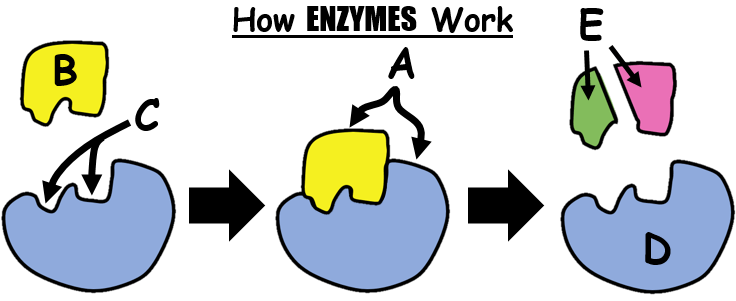
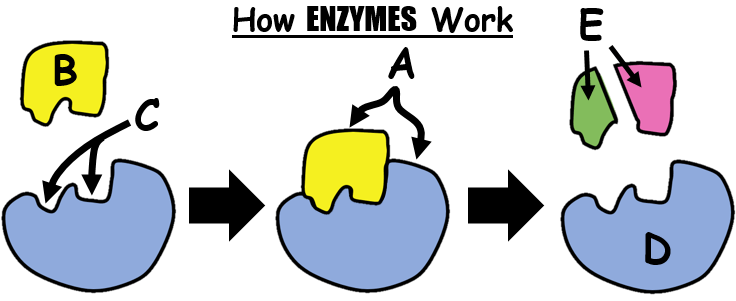

What is structure "A"
an inorganic substance
a chemical
ribosome
a receptor molecule
Which of the following ways is NOT how our bodies use homeostasis for balance?
uses energy
detect changes in the environment
rearrange and synthesize chemical compounds
the body making force and inertia
Which of the following organisms can this cell belong to?
Chicken
Flower
What are the 4 most abundant elements in living things?
hydrogen, oxygen, nitrogen, carbon
hydrogen, helium, oxygen, carbon
carbon, manganese, iron, hydrogen
The element(s) _______is found in all of the organic compounds.
Iron
Nitrogen & Carbon
Carbon& Hydrogen
Oxygen & Hydrogen
Carbon

organic
inorganic

Identify the characteristic: A camel has eyelashes that work to keep the dust and sand out of its eyes.
All living things adapt/respond to their environment
All living things grow
All living things have cells
All living things use energy
Identify the characteristic: Green plants produce their own food through the process of photosynthesis.
All living things use energy
All living things contain cells
All living things maintain homeostasis
All living things grow
Fire is living because it has 6 of the 8 characteristics of life.
True
False
In order for something to be considered a living organism, it must display _____ of the eight characteristics of living things.
all
some
one
more than half
The element(s) _______is found in all of the organic compounds.
Iron
Nitrogen & Carbon
Carbon& Hydrogen
Oxygen & Hydrogen
Carbon

organic
inorganic
Identify the characteristic: A camel has eyelashes that work to keep the dust and sand out of its eyes.
All living things adapt/respond to their environment
All living things grow
All living things have cells
All living things use energy
Identify the characteristic: Green plants produce their own food through the process of photosynthesis.
All living things use energy
All living things contain cells
All living things maintain homeostasis
All living things grow
Fire is living because it has 6 of the 8 characteristics of life.
True
False
In order for something to be considered a living organism, it must display _____ of the eight characteristics of living things.
all
some
one
more than half
Butterflies go through four stages of metamorphosis ( egg, larva, pupa, and adult.) Humans also grow and develop with many stages ( germinal stage, embryonic stage, fetal stage, infancy, childhood, adolescence, and adulthood.) What does the similarity in these organism demonstrate about life?
Living things have different process, and accomplish them differently
Living things have different process, but accomplish them the same way
Living things have similar processes, but accomplish them differently
Living things have similar processes, and accomplishes them exactly the same
True or False:
All organism must maintain internal stability
True
False
True or False:
All organisms have organs systems
True
False
A train is a non-living thing. Identify which of the reasons explain why.
It can't move
It can't reproduce
It can't grow
It doesn't require energy
Identify whether the following statement is true or false.
Non-living things were once alive but are now dead.
True
False
TRUE OR FALSE:
ALL LIVING THINGS HAVE MORE THAN ONE CELL
TRUE
FALSE
TRUE OR FALSE:
LIPIDS STORE ENERGY
TRUE
FALSE
CHECK ALL THE FUNCTIONS OF LIPIDS
Energy storage
Fight bacteria
Fight COVID
Sends messages
Help keep animals warm (insulation)
What is the building block of a protein?
Amino acid
Nucleic acid
sugar
DNA
What happens if the sequence of a protein is changed?
CHECK ALL OF THE POSSIBLITIES:
protein has a different function
protein shape will change
protein will be different
protein will turn to fat
True or False:
All organisms have organs systems
True
False
How do lipids function for cells?
store information and stores energy
store energy and sends message
stores and then breakdown wastes
Stores and join with substrates
What is the building block of a protein?
monosaccharide
amino acid
nucleotide
fatty acids
What is the building block of a Nucleic Acid ?
monosaccharide
amino acid
nucleotide
fatty acids
Unicellular organisms are alive
true
false
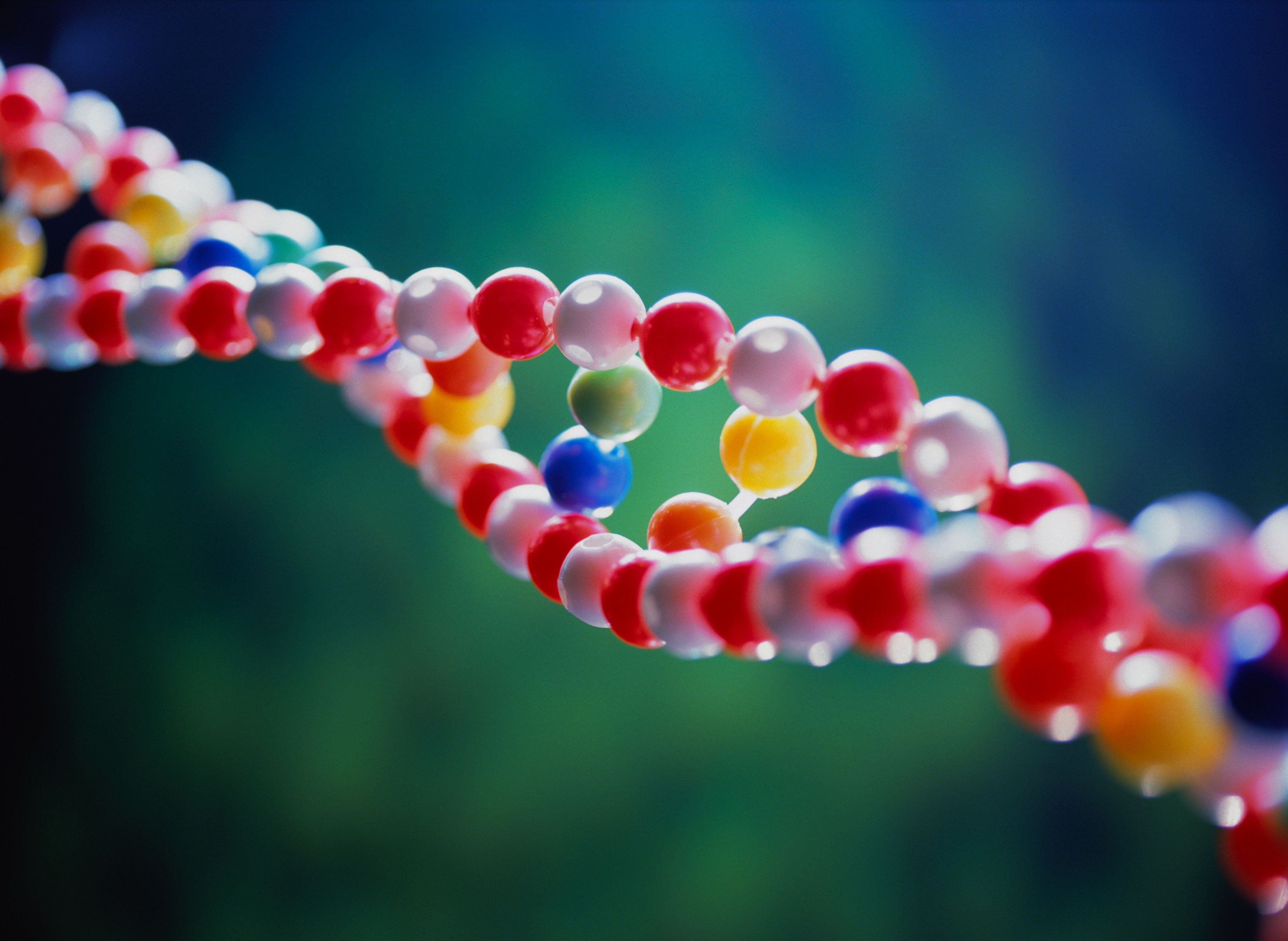
Which shows the correct complementary base pairing for DNA?
C-A, T-G
A-G, C-T
C-G, U-A
T-A, G-C

DNA carries the genetic information for making (a) .
Enzymes are __________ and made of ________.
Proteins, amino acids
Proteins, Nucleic acids
Carbohydrates, amino acids
DNA, Nucleic acids
Lipids, Fat
What is the function of an enzyme?
speed up chemical reactions in the body
store genetic information
supply the main source of energy
provide thermal insulation (heat)
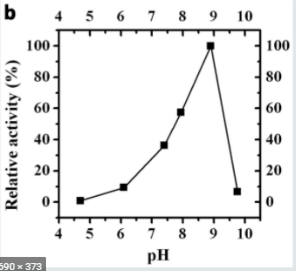
What is the optimal pH for this enzyme?
6
10
9
7
The ____________________ mechanism describes how each substrate must fit into the enzyme.
lock and key
hammer and nail
jigsaw puzzle
seesaw
A baby is locked in the car on a hot day. What is most likely to happen to the child?
The child's body will adjust and cause it to maintain homeostasis
The child's enzymes will denature causing chemical reactions to speed up in the body, which will lead to death.
The child's enzymes will denature causing chemical reactions to slow down in the body, which will lead to death.
The activation energy for chemical reactions will remain unchanged and therefore the child will live.

What is the optimal temperature of this enzyme?
60
40
70
30

Enzymes are composed of which of the following monomers?
amino acids
carbohydrates
nucleotides
monosaccharides

An enzyme and four different molecules are shown in the diagram below. The enzyme would most likely affect reactions involving?
Molecule A, only
Molecule D only
Molecule B and D
Molecule C and D
How does a high temperature (fever) effect enzyme activity?
speeds up activity
slows down activity
activity remain the same
Why can high body temperature result in death?
the heat can cause the enzyme shape to change
the heat can cause the enzyme to get sick
the heat can cause the molecules to speed up too fast
the heat can cause the pH to change
TRUE OR FALSE
A difference in the pH of an environment changes enzyme activity.
TRUE
FALSE
TRUE OR FALSE:
LIPIDS STORE ENERGY
TRUE
FALSE
CHECK ALL THE FUNCTIONS OF LIPIDS
Energy storage
Fight bacteria
Fight COVID
Sends messages
Help keep animals warm (insulation)
Where do the stem and leaves get their green color from?
glucose
carbon dioxide
oxygen
Chlorophyll

Which sequence of terms is in the correct order from simplest to most complex?
organelle --> cells --> tissues--> organs -->> organ systems
organelle --> tissues --> organisms --> cells --> organ systems
cells --> organelle --> tissues --> organ systems --> organs
organs --> organisms --> organ systems --> cells --organelle
cells --> tissues--> organelle -->organs -->> organ systems

Identify organelle X
vacuole
mitochondria
chloroplast
nucleus

Chloroplasts and mitochondria are the same in that they both...
are green in color.
are found in plant and animal cells.
have a liquid stroma.
produce energy.

