
 Worksheets
8th grade Physical Science Milestone review Part 1
Total questions: 103
Worksheet time: 1hrs 11mins
An electromagnet can be made with a coil of wire around a nail if
the wire is magnetized by a compass
the wire has a current running through it
the wire is touching 2 magnet
the nail is touching a battery on the anode
The greater the number of windings (the number of times it is wrapped around) in an electromagnet's coil
the stronger the magnet is
the less the magnet will pick up
the more current it takes to create the electromagnet
the slower the compass needle moves to the wire
A compass moves to point to an wire with current running in it because
the compass is attracted to the metal wire itself
a compass is used to detect current
the wire has a magnetic field around it because of the moving electrons
the compass moves to point to the batteries

The rotating part of an electrical motor.
brushes
magnet
commutator
armature
Any material that attracts iron and materials that contain iron.
armature
brushes
magnet
electric motor

A coil of wire that produces a magnetic field when carrying an electric current
electromagnet
solenoid
galvanometer
commutator

a coil that has a soft iron core and that acts as a magnet when an electric current is in the coil
electromagnet
solenoid
transformer
motor

Device that uses electromagnetic induction to change the voltage of electric current.
thermometer
galvanometer
electric transformer
electric motor
It opens or close the electric circuit.
switch
light bulb
wire
battery

Name the symbol in the picture
battery
switch
light bulb
wire

What type of circuit is shown in the picture?
open circuit
closed circuit
light bulb
wire

What type of circuit is shown in the picture?
open circuit
closed circuit
light bulb
wire


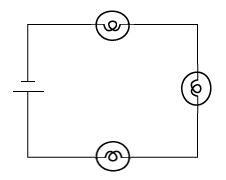

Why electrical wiring usually are covered with a layer of plastic?
To make it look pretty
To help electricity flow along the wire
To make it safe
To add more energy

Why is electrical wiring usually made from copper?
Because copper is shiny
Because copper conducts electricity
Because copper is not magnetic
Because copper insulate electricity

1. Which switch or switches must be closed to make the lamps light?
Only switch 1
Only switch 1
Switches 1 and 2
Switches 1 , 2 and 3

Tammy makes a complete simple circuit with one bulb and three batteries. The bulb lights for an instant and then goes out. Why?
Too much electricity flows through the bulb's filament
Not enough electricity flows around the circuit
The batteries are flat
The batteries are not good

If lamp 2 is unscrewed from its holder, what will happen to lamp1?
It will stay lit
It will go out
It will get dimmer
It will dissapear


In this state of matter, the molecules have enough energy to completely separate from each other.
gas
solid
liquid
When a gas turns straight to solid.
sublimation
melting
deposition
evaporation
When a solid changes straight to a gas.
condensation
sublimation
deposition
freezing
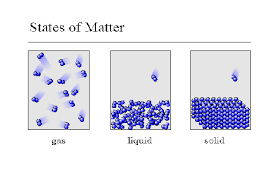
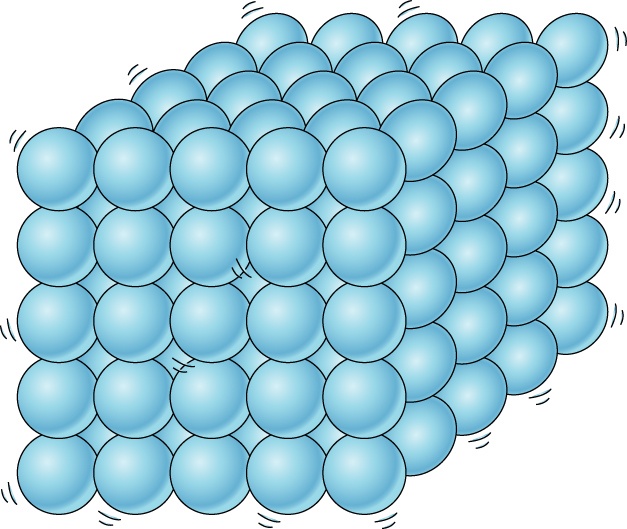
What state of matter?
Solid
Liquid
Gas
Plasma!!!
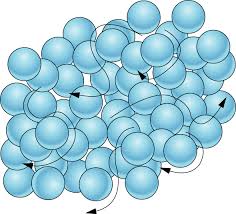
What state of matter?
Solid
Liquid
Gas
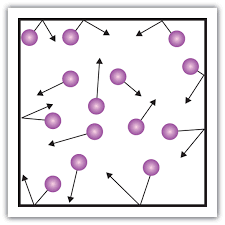
What state of matter?
Solid
Liquid
Gas
Which process could cause a material to change state from gas to liquid?
Adding heat
Adding energy
Removing particles
Removing energy

Physical properties....
change the matter when studied
can be observed and measured without changing the matter being studied
include the ability to burn and rust
are useless unless studied in a lab
______________________ can only be recognized when substances react or do not react chemically with one another.
Physical properties
Chemical properties
Flammable properties
Colorful properties
Flammability means the ability to _______ and is a _________ property.
melt; chemical
rust; physical
change; physical
burn; chemical
All of the following are examples of physical properties EXCEPT
Density
Heat conductivity
pH (acidic or basic)
Boiling point
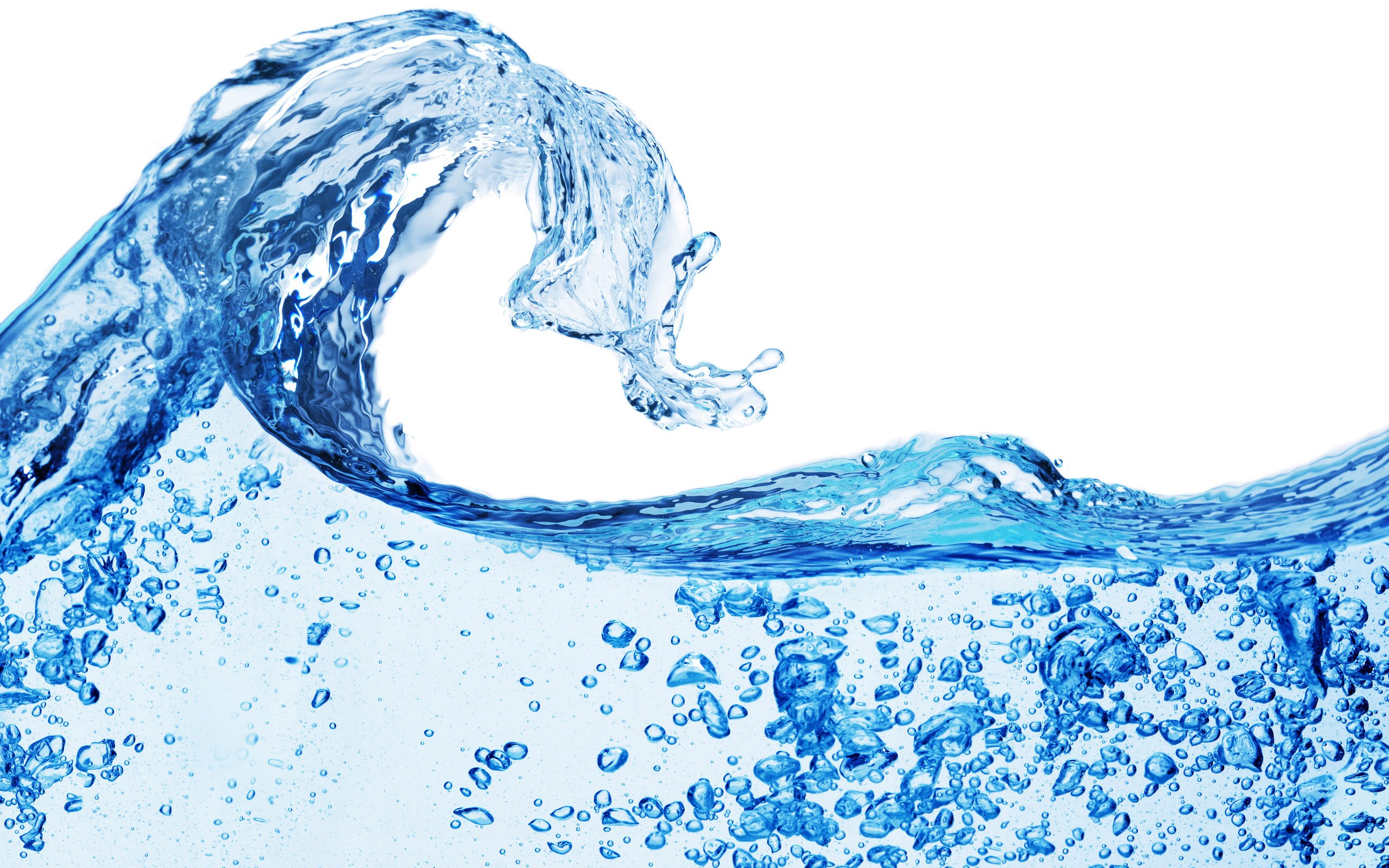
Which of the following is a chemical property of water?
Reacts with pure sodium
Boils at 100 oC
Is liquid at room temperature
Has a density of 1 gm/mL
Choose the one that is a chemical property
Magnetism
Size
Color
Reactivity with water
What is the outcome of observing a chemical property?
Nothing
A new substance is formed with different properties
NaCl
A rise in thermal conductivity


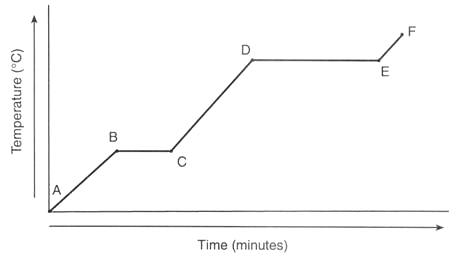
What state/phase is the object likely from points A to B?
Solid
Liquid
Gas
Plasma
What is happening to the particles in the substance between points D and E?
Melting
Freezing
Vaporizing
Sublimating

Is the substance gaining or losing energy?
Gaining
Losing

Use the graph below to answer this question. What state of matter would the substance be at point F?
solid
liquid
gas

Use the graph below to answer this question. Which point on the graph represents the boiling point?
B
C
D
E

Use the graph below to answer this question. At which point is the substance a solid?
A
C
E
F

Use the graph below to answer this question. Which phase change is taking place if the substance is losing energy from point C to point B?
melting
freezing
evaporation
condensation
What is happening to the particles in the substance between points A and B?
Melting
Freezing
Speeding Up
Slowing Down


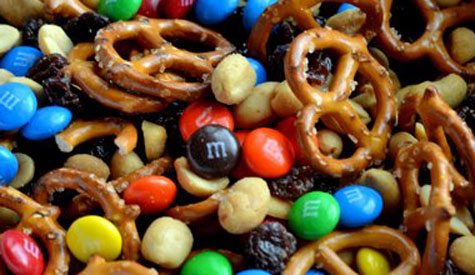
This mixture is homogeneous or heterogeneous
a- Homogeneous
b- Heterogeneous
What's the best to define a homogeneous mixtures?
a- We can not distinguish their components at first sight
b- We can distinguish their components at first sight

Which method can you use to separate sand and iron filings?
Distillation
Magnetism
Filtration
Evaporation

Oxygen
pure substance
homogeneous mixture
compound
heterogeneous mixture
Substances that are made up of ONLY one type of atom (element) or compound.
Colloid
Heterogeneous mixture
Pure substance
Suspension
Homogeneous mixture
A _________ is made up of two or more substances that are together in the same place but ARE NOT chemically combined.
Pure substance
Mixture
Solution
Suspension
Identify which images are PURE SUBSTANCES! (Check all that apply) : )


Solutions are ___________ mixtures.
Solid
Homogenous
Heterogeneous
Gas
Suspensions are ___________ mixtures.
Homogenous
Solid
Common
Heterogeneous
___________ are mixtures with large particles. The particles suspend in the substance and settle/float or can be filtered out of the mixture.
Pure substances
Suspensions
Solutions
Colloids
Solubility is __________________________________.
the amount of solute that can be dissolved by the solution
the amount of solvent that can be dissolved by the solute.
the amount of solute that can be dissolved by the solvent.
In a SOLUTION, the ___________ is the one doing the dissolving.
Solubility
Solvent
Solute
Solution
How you would separate a saltwater solution which the water is collected?
Filtration – using filter paper
Distillation – vapor is collected
Evaporation – solution is boiled and remains are collected
Sieve – sifting (through a strainer)
Magnetism – separating using a magnet
In a SOLUTION, the ___________ is the substance to be dissolved.
Solubility
Solvent
Solute
Solution
Suspension

