
 Worksheets
Released EOC Questions
Total questions: 178
Worksheet time: 3hrs 23mins

The amount of energy the producers in this energy pyramid provide the primary consumer is 54,000 joules. From this amount, 540 joules are provided to the tertiary consumers. Based on this model, how much of the energy was provided to secondary consumers?
53,460 J
5,400 J
540 J
54 J
The 1918 influenza epidemic killed between 50 million and 100 million people worldwide. THis epidemic happened near the end of World War I. More people died from the influenza epidemic than were killed in the war. Which of the following explains why this virus was so deadly worldwide?
Infected soldiers returning from the war spread the virus when they coughed.
Food was scarce because of the war, so people were undernourished, and their immune systems were weakened.
Medical personnel often became ill as a result of exposure to airborne virus particles.
All of the above

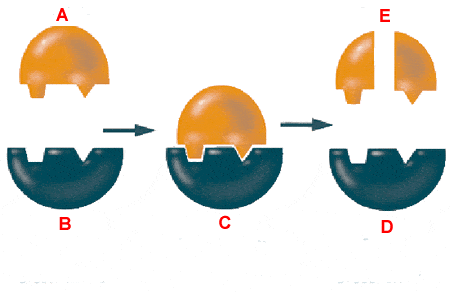
The diagram represents one way an enzyme can be inhibited. Which statement explains the effect of an inhibitor on an enzyme?
A substrate will be able to bond with the enzyme.
The enzyme will likely be attacked by immune cells
The enzyme will be unable to produce more enzymes.
A substrate will be unable to attach to the enzyme.

The green frog (Lithobates clamitans clamitans) is found in many parts of the United States. The table contains some information about this frog. Why does the ability to lay 1,000 to 5,000 eggs increase the fitness of the species L. clamitans clamitans?
It increases opportunities for offspring to compete for limited resources.
It increases the probability that some offspring will survive long enough to reproduce.
It increases the probability that moving water will promote gene flow from one population to another.
It increases the chance of the recombination of alleles, leading to genetic drift in the population.

Food webs such as the one shown were first used in 1927 by the animal ecologist Charles Elton. The food web below represents the feeding relationships among organisms in an Alaskan ecosystem. An environmental change that removed which of these organisms from the ecosystem would cause the most instability in the ecosystem?
Auklets
Foxes
Salmon
Zooplankton
During meiosis, homologous chromosomes exchange genetic material. This exchange of genetic material
increases the genetic variation
reduces the diploid number to the haploid number
increases the haploid number to the diploid number
reduces the probability of mutations
Bactrian camels, dromedaries, llamas, and alpacas are all members of the same taxonomic family, Camelidae. Members of this family all have two toes, no hooves, true canine teeth, and a split upper lip. The family Camelidae originated in North America. The physical features of animals in this family and the family’s geographical origin provide evidence that all these animals
live in the same type of ecosystem
have slowly evolved to become herbivores
have a common ancestor
exchanged DNA at some point in the past
Which statement best describes the relationship between the products of photosynthesis and the reactants in cellular respiration?
The products of photosynthesis serve as the reactants in cellular respiration to provide chemical energy.
The products of photosynthesis combine with the reactants in cellular respiration to remove ATP from cells.
The products of photosynthesis inhibit the reactants in cellular respiration in the presence of light.
The products of photosynthesis change the structure of the reactants in cellular respiration in the presence of light.

The initial steps in gene expression are modeled. Double-stranded DNA first unwinds into two strands. Which process and product are represented in the diagrams?
Process: transcription; product: mRNA
Process: translation; product: protein
Process: replication; product: tRNA
Process: recombination; product: polymerase

Some relationships between different organisms are shown in the table. Which table correctly identifies each type of interaction described?


An analysis of DNA and RNA sequences can be used to classify organisms. A dendrogram, such as the one shown, is based on molecular data. It can be used to represent evolutionary relationships within a group of organisms that are hypothesized to have descended from a common ancestor. Which statement is best supported by the information in this dendrogram?
Lesser pandas are more genetically similar to giant pandas than they are to raccoons.
Brown bears are more genetically similar to giant pandas than they are to sun bears.
Lesser pandas are more genetically similar to raccoons than they are to giant pandas.
The bear species are all more genetically similar to dogs than they are to giant pandas.

Some students used vinegar to dissolve a way the shells of three eggs and used these eggs as models of human red blood cells. The students observed the changes in the eggs when they were placed in different solutions. Which statement best describes the role of the cell membrane in this model?
The cell membrane is an impermeable barrier that prevents water from entering the cell.
The cell membrane allows solutions to enter the cell, which causes the cell to shrink.
The cell membrane allows water to enter and leave the cell.
The cell membrane removes solutes from the environment.


AATCATGGA

In the early 1900s a scientist hypothesized a link between DNA and the production of protein in the cytoplasm. However, the fact that DNA could not be found outside the nucleus led scientists to believe that another substance was also involved in the synthesis of protein in the cytoplasm. In the 1940s scientists performed an experiment that ultimately identified the site of protein synthesis. They also identified the molecule responsible for transporting information from the nucleus to the site of protein synthesis. What was the newly identified molecule?
a gene
mRNA
ATP
thymine
In the early 1980s scientists were able to produce two biomolecules by splicing a human gene into the bacterium E. coli to make recombinant human insulin and growth hormone. Which statement best explains why this experiment was successful?
Human cells are eukaryotic, and E. coli cells are prokaryotic.
All living organisms share the same genome.
The genes for all organisms are composed of the same building blocks.
The human body contains many types of bacteria, including E. coli.

The complex carbohydrates pictured below are made by linking molecules of glucose. In all three complex carbohydrates, the subunits of glucose are bonded together differently. Because they have different structures, they most likely —
contain different chemical elements
form different proteins
carry different nucleotides
perform different functions
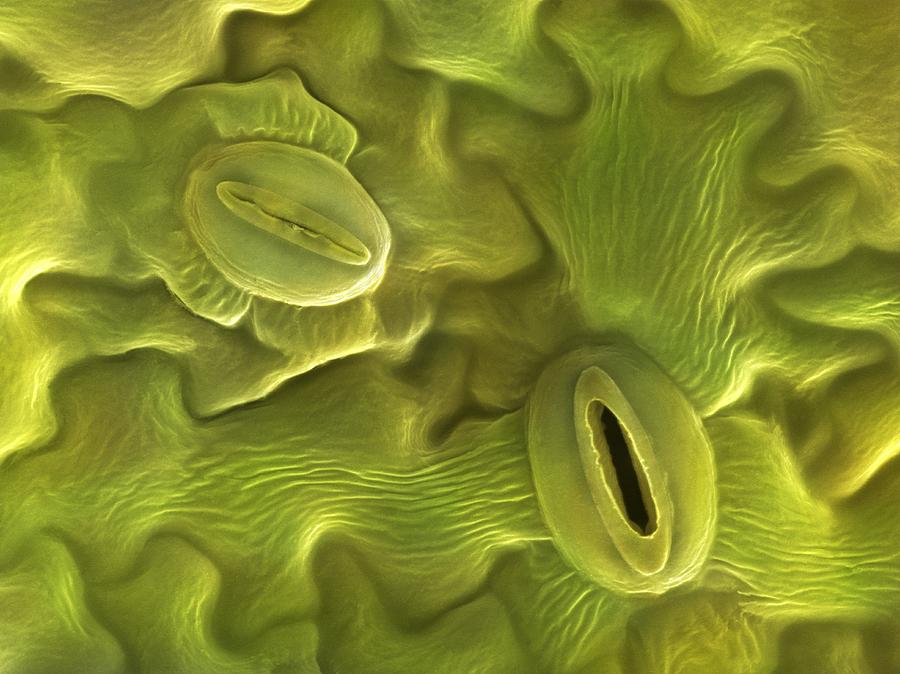
organs, organ systems, organisms, cells, tissues
The 1918 influenza epidemic killed between 50 million and 100 million people worldwide. THis epidemic happened near the end of World War I. More people died from the influenza epidemic than were killed in the war. Which of the following explains why this virus was so deadly worldwide?
Infected soldiers returning from the war spread the virus when they coughed.
Food was scarce because of the war, so people were undernourished, and their immune systems were weakened.
Medical personnel often became ill as a result of exposure to airborne virus particles.
All of the above


Which of the following converts food into energy for the cell?
vacuole
mitochondria
cytoplasm
cell membrane
The light independent reactions (Calvin Cycle) of photosynthesis happen where?
stroma of chloroplast
mitochondrial matrix
stem
thylakoid membrane

Plant cells are able to produce their own food. This process happens in which structure?
cell wall
chloroplast
mitochondrion
vacuole

These diagrams show a variety of cells from the same organism.
How can cells from the same organism have such different shapes and functions?As each cell differentiates, the DNA changes so that each type of cell has different DNA once it reaches maturity.
As each cell differentiates, the DNA changes so that each type of cell has different
Mutations in the cells’ nuclei lead to new combinations of DNA, resulting in different shapes and functions in the different types of cells.
During differentiation, different parts of the DNA in each type of cell are activated, resulting in the different structure and function of the cells.
During differentiation, different types of cells produce proteins which destroy the nonactive DNA, leading to cell specialization.
Which statement best explains how sweating during exercise maintains homeostasis?
It regulates mineral concentrations in cells
It regulates body temperature
It maintains water balance
It maintains sugar balance in cells
The chemical colchicine disrupts cell division. Which cell process would most likely stop if colchicine were added to a culture of human liver cells?
mitosis
meiosis
crossing over
active transport
Which statement best explains why animals are considered heterotrophic?
They are able to produce food through the process of photosynthesis.
They are able to produce food through the process of respiration.
They are able to obtain nutrients by decomposing plant and animal tissue.
They are able to obtain nutrients by consuming other organisms or their products
In some ecosystems, wolves have been eliminated due to their threats to humans. How can the reintroduction of wolves benefit the ecosystem?
It can eliminate weak animals from a prey population, thereby decreasing competition for natural resources
It can eliminate the most fit animals among the prey population, which will cause an increase in birth rates of the prey
It can cause the prey population to migrate to other areas, resulting in more fit prey.
It can cause the prey population to better blend in with their environment.
What will most likely be the result as humans move into new areas, forests are clear cut and housing developments are built?
Global temperatures will decrease because trees are removed.
Many organisms will lose their homes because their habitats have been destroyed.
Better sanitation in the area will reduce the amount of pollution.
The rainfall in the area will increase because there will be increased runoff.
What activity most contributes to the depletion of the ozone layer?
burning of fossil fuels
release of CFCs
deforestation
overuse of fertilizers
Which effect could a mutation in mRNA have on the production of proteins?
The protein produced will have a different identity
The protein produced will have a coiled shape.
The protein produced will produce excess nitrogen.
The protein produced will produce excess water
What carries the instructions for making amino acids in a protein?
the nitrogen base on the tRNA
the hydrogen bonding between nitrogen bases
the sequence of nitrogen bases on the mRNA
the nitrogen base bonding on the DNA molecule

Which of the paired statements could be used to distinguish the insects, using a dichotomous key?


Which statement is best supported by the information in this dendrogram/evolutionary tree?

What is the most reasonable conclusion one can draw from a comparison of these structures?
According to Darwin's theory on natural selection, the traits that survive and continue in future generations are –
caused by response to stress
made by environmental change
already present in the population
introduced by immigrating species
Survival of the fittest can best be described as –
the process by which only the strongest of a species will be able to survive and reproduce
the process in which organisms that are better adapted to their environment will have a better chance of surviving and reproducing
the reason the strongest of the species will not be able to reproduce as often as others
the reason weaker organisms in a species will always be killed by predators
Which process results in greater genetic diversity in offspring?
genetic linkage
recombination of DNA during meiosis
crossing-over during mitosis
rearrangement of chromosomes in germ cells

Scientists can determine relatedness among organisms by comparing partial amino acid sequences. The table shows four partial amino acid sequences from four organisms. Which organism is the LEAST related to the other three organisms?
Organism 1
Organism 2
Organism 3
Organism 4

The relationships among different orders of millipedes are shown in the cladogram. Based on this cladogram, which statement best describes relationships among millipede orders?
Stemmiulida is more closely related to Merocheta than Penicillata is to Merocheta.
Spirostreptida is more closely related to Glomerida than Sphaerotheriida is to Glomerida.
Polyzoniida is more closely related to Glomeridesmida than Sphaerotheriida is to Glomeridesmida.
Merocheta is more closely related to Glomeridesmida than Glomerida is to Glomeridesmida.

Which of the following is an example of natural selection?
Bald Eagles are hunted until near extinction, population recovers.
Small group of iguanas floats to an island, starts a new population.
Red fox pups are more likely to survive in a snowy environment if they are born white.
Farmer chooses seeds from largest apples to plant next year. This results in larger apples from year to year.

What are some abiotic factors that could be limiting factors in the Iowa River ecosystem?
Temperature, fertilizer runoff from fields, drought or flood
Invasive species, floods
Temperature, predators, droughts, floods, over fishing


The genotype for a yellow plant is...
What do both prokaryotic and eukaryotic cells contain?
membrane-bound organelles
linear chromosomes
cytoplasm
a nucleus
Which of these cells in the human body is specialized to transport oxygen throughout the body?


What would most likely be produced when a cell with eight chromosomes undergoes mitosis?
two cells with four chromosomes each
two cells with eight chromosomes each
four cells with four chromosomes each
four cells with eight chromosomes each

This diagram shows a Paramecium, a unicellular protist. When a chemical is added to the pond water in which the Paramecium lives, the Paramecium stops moving. Which structure is most likely affected?
1
2
3
4
Which adaptation do ferns, gymnosperms, and angiosperms have that mosses do not have?
chloroplasts
flowers
stomata
vascular tissue
Which graph best illustrates the growth of a population introduced into an environment with limited resources?


Which will most likely result in a negative growth rate in the human population of a country?
The death rate is higher than the birth rate
The birth rate is higher than the death rate
The country has improved economic conditions
The country has made improvements in sanitation
Why are many farmers encouraged to plant different types of crops on the same land throughout the year?
It prevents insects from destroying crops
It provides more food to other countries
It allows for more genetic variation in palnts
It helps preserve the quality of the soil
During translation, what does the tRNA deliver to the ribosomes?
amino acids
DNA
mRNA
proteins
Which will most likely cause an increase in the frequency of genetic mutations in humans?
increased exposure to mold spores in the air
increased exposure to the rising levels of atmospheric CO2
increased exposure to bacteria in drinking water
increased exposure to X-rays
Salivary amylase is an enzyme in humans that breaks down starches. What substance would humans have difficulty digesting with this enzyme?
lipids
nucleic acids
proteins
carbohydrates
Which best explains why the rate of a biochemical reaction decreases at high temperatures?
The activation energy increases.
The shape of the enzyme changes.
The enzyme-substrate complex forms.
The bonds between substrates are broken.
A contractile vacuole helps protists eliminate excess liquid. This is a "pumping" process which reduces pressure inside the cell and prevents the cell from bursting. What is most likely the source of energy for this process?
DNA
lipids
ATP
ribosomes
What do both prokaryotic and eukaryotic cells contain?
membrane-bound organelles
linear chromosomes
cytoplasm
a nucleus
Identical twin girls are separated at birth and cared for by two different families. After twenty years, the twins have different heights and weights. What is most likely the cause of these differences?
One twin had a genetic condition that prevented her from growing tall.
The DNA of one twin was different from the DNA of the other twin.
Each twin was provided a different diet and physical activities.
The proteins made by one twin were different that the proteins made by the other twin.
Which molecules are joined together to make proteins?
fatty acids
nucleic acids
amino acids
acetic acids
ATG GGA ACT CCA



Having freckles is dominant over not having freckles. If two individuals heterozygous for freckles have a child, what is the probability the child will have freckles?
0%
25%
50%
75%
What is the function of a restriction enzyme?
to control the movement of proteins into a cell
to regulate blood sugar levels
to produce hormones that regulate digestion
to cut DNA at a specific nucleotide sequence
Some marine worms and mollusks go through similar larval stages during development. Which can be inferred about their relationship?
They share a common ancestor
The mate with each other
They compete for a habitat
The share the same food source
Which statement best describes natural selection?
As the weather changes, organisms that are able to find shelter need less energy to live.
Organisms that eat only plants need less food than organisms that eat animals.
Organisms better adapted to their environment are more likely to reproduce and pass on their traits to their offspring.
Small organisms are more likely to survive than larger organisms.
Some scientists claim recent evidence suggests birds should be reclassified to share more taxonomic groups with dinosaurs. What type of evidence would provide the best support for this claim?
evidence showing birds shared similar habitats with dinosaurs
evidence showing birds shared similar nutritional requirements as dinosaurs
evidence showing birds shared similar behaviors with dinosaurs
evidence showing birds shared a common genetic history with dinosaurs

This is a dichotomous key for selected arthropods. To which order does the caddis fly belong?
Acarina
Diptera
Siphonaptera
Trichoptera
Which word equation best represents the process of cellular respiration?
carbon dioxide + glucose → oxygen + water
carbon dioxide + water → glucose + oxygen
glucose + oxygen → carbon dioxide + water
oxygen + water → carbon dioxide + glucose
How does the body of a runner keep up with the demand for energy when cellular oxygen levels are low?
through energy production in the mitochondria
through aerobic respiration in the plasma membrane
through ATP produced directly from sunlight
through anaerobic respiration in the cytoplasm



Which level of biological organization has the student described in the table?


According to the graph shown, what effect did the brown tree snake have on the birds in Guam?
The snakes had no effect on the bird populations.
The snakes caused a decline in the number of bird populations.
The snakes formed a mutualistic relationship with the birds.
The snakes caused an increase in the number of bird populations.

A prey population consists of individuals with a variety of running speeds.
The adaptation that allows some of these animals to run fast would be an example of natural selection if it helps them —
survive and undergo mutations in their DNA
lower the mortality rates of the population
produce offspring that run at average speeds
reproduce and increase the frequency of their genes in the population

The amount of energy the producers in this energy pyramid provide the primary consumers is 54,000 joules. From this amount, 540 joules are provided to the tertiary consumers.
Based on this model, how much of the energy was provided to secondary consumers?
53,460 J
5,400 J
540 J
54 J
Which of the following is most likely to cause the greatest disruption to an ecosystem?
Emptying an aquarium containing non-native species into a local waterway
Cutting down a small cedar tree to make holiday decorations
Cleaning the windshield of a car with an alcohol-based glass cleaner
Mowing the lawn in a city park


In the graph to the right, what is the population of deer at the carrying capacity of the environment?
3
7
70
40


In which cell below would a student likely observe a cell plate during mitosis?
rat muscle cell
alligator stomach cell
onion root cell
human lung cell

Is the following cell diploid or haploid?
Diploid
Haploid
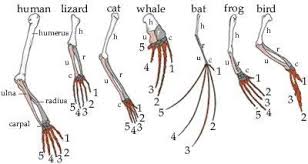

This is a structure that was inherited but has lost most of its original function
homologous
analogous
vestigial
homozygous
These structures are similar from common ancestry
homologous
analogous
vestigial
homozygous
These structures share a common function but not structure ex) the wing of a bird and the wing of an insect
homologous
analogous
vestigial
homozygous
During which phase of the cell cycle does most cell growth occur
cytokines
interphase
prophase
mitosis
in nature ,which type of behavior causes animals to produce aggressive displays and sounds
imprinting
territoriality
conditioning
habituation
what will most likely occur if the population of the world continues to increase at predicted rates
there will be an increase in biodiversity as a result of improvement in technology
there will be more rapid depletion of natural resources
the human race will rapidly become extinct
all human diseases will be eliminated
what will most likely happen if a nonnative species is introduced into a stable ecosystem
the native species will change their diet,and the ecosystem will remain stable.
the native species is will move to another area ,and the ecosystem will remain stable
the native species will have to compete for resources with the nonnative species,and the ecosystem will become unbalanced
the native species will share their food with the introduced species and the ecosystem will become unbalanced
why must dna replication have to occur before a cell can be divide by mitosis
to maintain the same number of chromosomes in the daughter cells as in the parent cell
to cause one of the cell produced to have double the number of chromosomes as the parent cell
to allow crossing over to occur in each of the cells produced
to cause all of the cells produced to have half the numbers of chromosomes as the parent cell
the section of dna has these bases:
TAG CAG TAC
which mRNA sequence is produced from this DNA section
ATC GTC ATG
AUC GUC AUG
AUG CUG AUC
UTC GTC UTG
which process can occur in both mitosis and meiosis
fertilization
independent assortment
gene mutation
crossing over
What is the difference between the DNA of a dog and the DNA of a fly?
the type of sugar building blocks
the sequence of nucleotides
the strength of hydrogen bonds
the strength of covalent bonds
Which would be a desirable trait scientists may want to create in a transgenic plant?
the ability to resist insects
the ability to grow less fruit
the ability to change color in the winter
the ability to use a lot of water
Which substance do biochemists often search for in fossils to help better understand the evolutionary relationships of the organism that formed the fossil?
ATP
DNA
iron
oxygen
Scientists believe that the polar bear in Alaska and the brown bear in Russia evolved
from a common ancestor. Which would be responsible for this evolutionary change?
artificial selection
asexual reproduction
sexual reproduction
geographic isolation

Which statement describes an interaction that helps maintain the dynamic equilibrium of this ecosystem?
A student noticed that the freshwater plant, Elodea, produced bubbles when placed in
direct light. What could the student most likely conclude?
Bubbles of carbon dioxide were produced as a result of photosynthesis.
Bubbles of oxygen were produced as a result of photosynthesis.
Bubbles of carbon dioxide were produced as a result of cellular respiration.
Bubbles of oxygen were produced as a result of cellular respiration.
Which best summarizes the role of DNA in the production of proteins?
DNA moves to the cytoplasm to build proteins.
DNA transports amino acids to the ribosomes to make proteins.
DNA contains the instructions used to make proteins.
DNA breaks hydrogen bonds between amino acids.
Waxes create a waterproof layer on the outside of some living organisms. To which group
of organic molecules do waxes belong?
Carbohydrates
Lipids
Nucleic Acids
Proteins

These diagrams show a variety of cells from the same organism. How can cells from the same organism have such different shapes and functions?
As each cell differentiates, the DNA changes so that each type of cell has different DNA once it reaches maturity.
Mutations in the cells' nuclei lead to new combinations of DNA, resulting in different shapes and functions in the different types of cells.
During differentiation, different parts of the DNA in each type of cell are activated, resulting in the different structure and function of the cells.
During differentiation, different types of cells produce proteins which destroy the nonactive DNA, leading to cell specialization.
The chemical colchicine disrupts cell division. Which cell process would most likely stop if colchicine were added to a culture of human liver cells?
mitosis
meiosis
crossing over
active transport
Which statement best explains why animals are considered heterotrophic?
They are able to produce food through the process of photosynthesis.
They are able to produce food through the process of respiration.
They are able to obtain nutrients by decomposing plant and animal tissue.
They are able to obtain nutrients by consuming other organisms or their products.
How mitosis and meiosis similar?
both have two cell divisions
both require DNA replication
both produce gametes
both involve crossing over
Which word equation best represents the process of cellular respiration?
carbon dioxide + glucose --> oxygen + water
carbon dioxide + water --> glucose + oxygen
glucose + oxygen ---> carbon dioxide + water
oxygen + water ---> carbon dioxide + glucose

Based on the DNA sequences shown, the unknown species is most closely related to ________.
Species I
Species II
Species III
Species IV

Based on the map shown, which organisms are more closely related?
1 and 4
2 and 6
7 and 8
2 and 3

Based on the table, which organisms are more closely related?
G. atlantica and G. stehini
G. galloti palmae and G. stehini
G. galloti eisentrauti and G. stehini
G. galloti eisentrauti and G. galloti palmae

Which beetles are more fit for the environment?
Green beetles
Brown beetles
What is biological fitness?
Being able to escape from predators
Being among the strongest in a population
Being able to survive, find a mate, and produce offspring.
Being ale to survive long enough to reach adult age.

Based on the cladogram, the chimp will be more closely related to the _________.
Hagfish
Salamander
Lizard
Mouse

Based on the dichotomous key, which organism is purple and has a pointy hump?
Deerus octagis
Deerus humpis
Derus purplinis
Derus deafus

Which two trees are the most closely related?
Taiwan beech and Taiwan catkin yew
Taiwan catkin yew and Lodgepole pine
Lodgepole pine and Japanese maple
Japanese maple and Taiwan beech

Which organisms belong to the kingdom bacteria?
Organisms 1 and 2
Organisms 3 and 4
Organisms 1 and 4
Organisms 2 and 3

