wayground logo

Free Printable Worksheets

Font size

S
M
L
XL
Worksheets

Bio 2nd Semester review

Total questions: 160

Worksheet time: 2hrs 0mins

Name
Class
Date
1.
the base that pairs with Thymine in DNA
a)
adenine
b)
guanine
c)
helicase
d)
nucleotide
2.
the process of making a copy of DNA
a)
transcription
b)
double helix
c)
DNA replication
d)
replication fork
3.
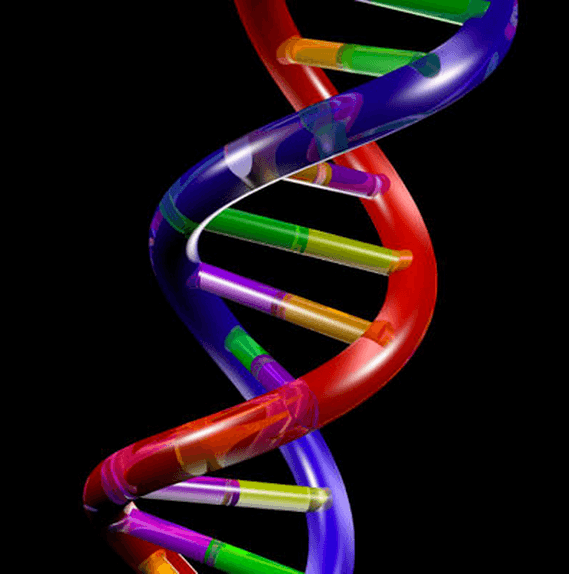
The shape of DNA.
a)
double helix
b)
nucleotide
c)
DNA polymerase
d)
single stranded
4.
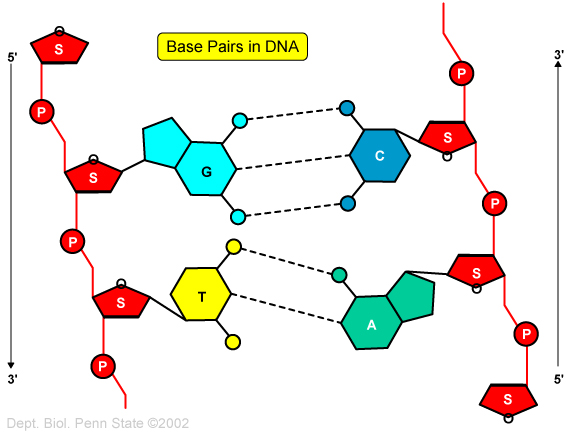
Which shows the correct complementary base pairing for DNA?
a)
C-A, T-G
b)
A-G, C-T
c)
C-G, U-A
d)
T-A, G-C
5.
If we think of DNA as a ladder, which parts are the steps of the ladder?
a)
the nitrogenous base pairs
b)
the phosphate-sugar backbone
c)
the genes
d)
the phospholipid bilayer
6.
Which nucleic acid is single stranded?
a)
RNA
b)
DNA
7.
Which nitrogen base pairs with T in mRNA?
a)
A
b)
U
c)
C
d)
G
8.
Which enzyme is needed to bring free nucleotides to create a new strand of DNA in DNA replication?
a)
DNA helicase
b)
DNA ligase
c)
DNA replicase
d)
DNA polymerase
9.
Which enzyme is needed to unwind and unzip the double helix in order to make a copy of it?
a)
DNA helicase
b)
DNA ligase
c)
DNA replicase
d)
DNA polymerase
10.
Which enzyme links up the newly copied nucleotides in DNA replication?
a)
DNA helicase
b)
DNA ligase
c)
DNA replicase
d)
DNA polymerase
11.
A three base code for an amino acid is called a/an
a)
nucleotide
b)
deoxyribose sugar
c)
codon
d)
phosphate
12.
A long chain of amino acids is a/an
a)
protein
b)
nucleic acid
c)
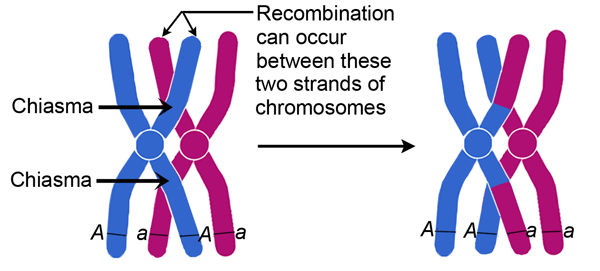
tRNA
d)
mRNA
13.
A nitrogen base, sugar and phosphate make up a unit that connects together to make a nucleic acid.  This unit is called a/an
a)
amino acid
b)
nucleotide
c)
hydrogen bond
d)
nucleus
14.
Where does transcription take place?
a)
ribosome
b)
cytoplasm
c)
nucleus
d)
protein
15.
When DNA is copied into mRNA it is called
a)
protein synthesis
b)
translation
c)
transcription
d)
replication
16.
tRNA carries an anticodon on one side and a/an __________ on the other side.
a)
amino acid
b)
nucleic acid
c)
protein
d)
mRNA codon
17.
Any change in the DNA is called a/an
a)
mistake
b)
exon
c)
mutation
d)
intron
18.
When a base is inserted or deleted a _____ results.
a)
frameshift
b)
premature stop
c)
substitution
d)
silent
19.
Where does mRNA meet up with tRNA to translate the code into amino acids?
a)
ribosome
b)
nucleus
c)
cytoplasm
d)
ribose sugar
20.
In a strand of DNA, if it contains 20% of Thymine, then how much Guanine would be present?
a)
30%
b)
20%
c)
80%
d)
10%
21.
Which sequence of DNA bases would pair with this partial strand
ATG TGA CAG
a)
ATG TGA CAG
b)
TAC ACT GTC
c)
GTA AGT GAC
d)
CAT TCA CTG
22.
Which of the following units are repeatedly joined together to form a strand of DNA?
a)
amino acids
b)
nucleotides
c)
fatty acids
d)
polysaccharides
23.
Why is DNA important?
a)
it is very small and very complicated
b)
it's in everything
c)
it serves as the blueprint for traits of all living things
d)
because we eat it every day for energy
24.
What determines the code, or information, of a DNA molecule?
a)
the shape (structure) of the nitrogen bases
b)
the order (sequence) of the nitrogen bases
c)
the color of the nitrogen bases
d)
the frequency (number) of nitrogen bases
25.
Which 2 molecules form the sides (backbone) of the DNA ladder?
a)
deoxyribose sugar and adenine
b)
deoxyribose sugar and a hydrogen bond
c)
deoxyribose sugar and the nucleus
d)
deoxyribose sugar and phosphate
26.
A process in which DNA has the unique ability to make an exact copy of itself.
a)
Replication
b)
Translation
c)
Transcription
27.
Nitrogenous bases are joined by which type of bond?
a)
polar bonds
b)
ionic bonds
c)
covalent bonds
d)
hydrogen bonds
28.
What does this picture represent?
a)
amino acid
b)
base pairing
c)
nucleotide
d)
the DNA molecule
29.
The enzyme that unzips the DNA to prepare for replication
a)
helicase
b)
replicase
c)
polymerase
d)
synthase
30.
RNA contains the sugar
a)
ribose
b)
deoxyribose
c)
glucose
d)
lactose
31.
Which of the following statements is true?
a)
DNA is single-stranded
b)
RNA is single-stranded
c)
DNA contains uracil
d)
RNA contains deoxyribose
32.
What is the difference between DNA and RNA in terms of bases?
a)
RNA contains uracil in place of thymine
b)
RNA contains uracil in place of adenine
c)
RNA contains uracil in place of guanine
d)
RNA contains uracil in place of  cytosine
33.
I travel outside of the nucleus.
a)
DNA
b)
RNA
34.

Which statement is true about RNA?

a)

RNA is usually single stranded and contains the base uracil

b)

RNA is usually double stranded and contains the base thymine

c)

RNA is made in the nucleus and stays there to carry out its function

d)

All of the above are true.

35.

True or False: RNA uses deoxyribose sugar.

a)

True

b)

False

36.

True or False: Transcription is the process by which the information in a strand of DNA is copied into a messenger RNA (mRNA).

a)

True

b)

False

37.
Which of the following is a term for a group of similar organisms that can reproduce fertile offspring?
a)
individual
b)
population
c)
species
d)
fossil
38.
Mutations are important because they bring about
a)
death of the organism in which they develop
b)
genetic variation needed for a population to evolve
c)
benefits for the individual, not for the population
d)
Hardey-Weinberg equilibrium within a population
39.
Inherited trait that helps an organism survive is a(n) __________.
a)
Fossil
b)
Adaptation
c)
Ancestor
d)
Natural selection
40.
Survival of the fittest or when favorable adaptations reproduce faster is called what?
a)
Evolution
b)
Adaptation
c)
Natural selection
d)
Fossilization
41.
According to the diagram, which organism is older?
a)
ammonite
b)
coral
c)
gastropod
d)
trilobite
42.
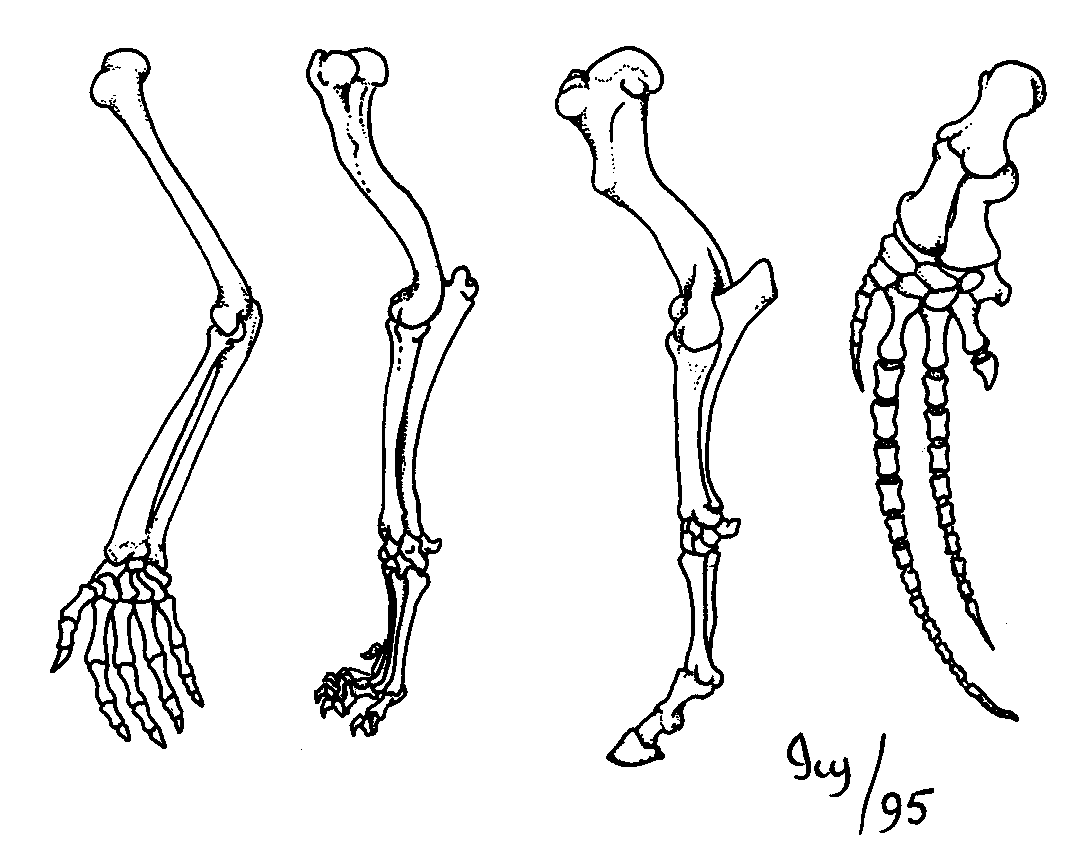
Structures with the same parts have different functions; suggests that organisms share a common ancestry
a)
vestigial structures
b)
homologous structures
c)
adaptive radiation
d)
fossil
43.
The diagram shows fossils in different rock layers. Which of these statements about the age of these fossils is most likely correct?
a)
Fossil A and C are the same age
b)
Fossil B is older than fossil C
c)
Fossils A is older than fossil B
d)
Fossil D is older than fossil C
44.
The ability of an organism to survive and reproduce in its specific environment 
a)
diversity.
b)
evolution
c)
adaptation
d)
 fitness
45.
Why are advantageous traits more likely to be passed onto offspring?
a)
Because they are more likely to survive and reproduce.
b)
Because they come from dominant alleles.
c)
Because they come from recessive alleles.
d)
Because the trait is an acquired phenotype.
46.
Farmers breed cows to produce high amounts of milk. This is an example of...
a)
Natural Selection 
b)
Variations in a species 
c)
Selective Breeding 
d)
inbreeding
47.
What is the process of which humans breed organisms for certain traits?
a)
artificial selection
b)
descent without modification
c)
inheritance of acquired characteristics
d)
natural selection
48.
Vertebrate embryos pass through similar stages of development is evidence for
a)
use and disuse
b)
homologous structures
c)
common ancestry
d)
acquired characteristics
49.
Individuals that are well adapted to their environment will survive and produce
a)
better traits
b)
stronger genes
c)
more offspring
d)
fewer mutations
50.
The remnant of an organ that had a function in an early ancestor is known as a(n)
a)
vestigial structure
b)
analogous structure
c)
homologous structure
d)
fossil structure
51.
What is the study of the distribution of organisms around the world?
a)
geology
b)
biogeography
c)
paleontology
d)
geography
52.

Similar structures with different purposes found in different species are known as _____

a)

vestigial structures

b)

DNA

c)

homologous structures

d)

the fossil record

53.
The changes of species over time
a)
Embryonic 
b)
Natural selection 
c)
Mimicry 
d)
Evolution 
54.
The opossum and kangaroo both incubate their young in a pouch. This provides evidence that they---
a)
are descended from a common ancestor
b)
Have very similar skeletal structures
c)
belong to the same species
d)
must range great distances to eat
55.

What is an adaptation?

a)

A trait that increases the fitness of an organism.

b)

A trait that an organism acquires without genetic influence.

c)

A choice made by humans about what organisms breed for advantageous traits.

56.

What type of adaptation affects how an organism acts?

a)

Behavioral

b)

Physiological

c)

Structural

57.

What type of adaptation affects a physical aspect of organism?

a)

Behavioral

b)

Physiological

c)

Structural

58.

What type of adaptation affects body chemistry and metabolism?

a)

Behavioral

b)

Physiological

c)

Structural

59.

A lion has pointed teeth to help it tear the meat off of the bone.

a)

Behavioral Adaptation

b)

Structural Adaptation

c)

Physiological Adaptation

60.

An owl is mostly nocturnal meaning it hunts and is active at night.

a)

Behavioral Adaptation

b)

Structural Adaptation

61.

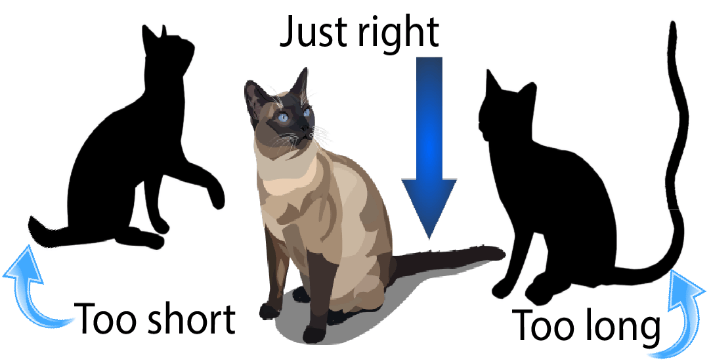
A cat has a long tail to help it balance.

a)

Behavioral Adaptation

b)

Structural Adaptation

c)

Physiological Adaptation

62.

A kangaroo has a pouch to protect its young.

a)

Structural Adaptation

b)

Behavioral Adaptation

c)

Physiological Adaptation

63.

Dolphins have individual call tones used to identify themselves. What type of adaptation is this?

a)

Structural

b)

Behavioral

c)

physiological

d)

this is not an adaptation

64.

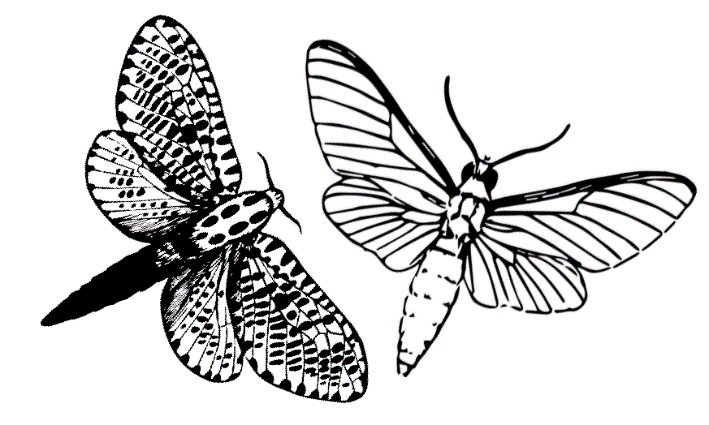
According to natural selection, light colored tree trunks would favor

a)

light colored moths

b)

dark colored moths

c)

red colored moths

d)

red and light colored moths

65.

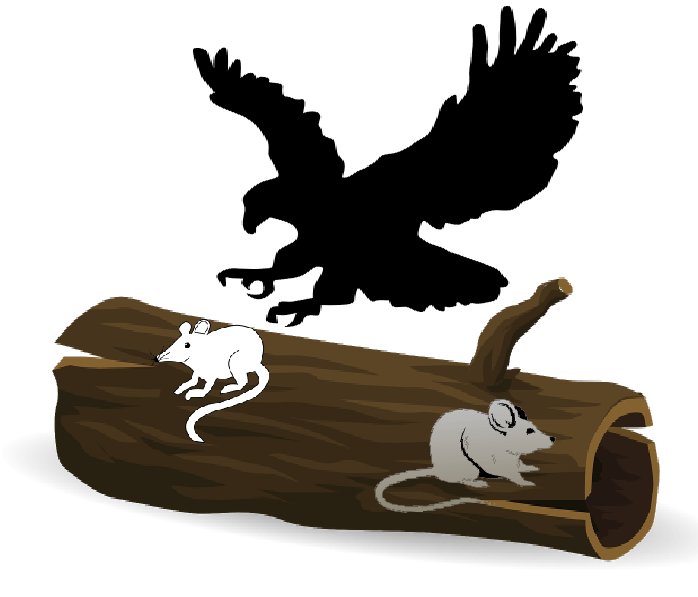
Over the years, white mice became extinct and darker mice survived. This is

a)

stabilizing selection

b)

directional selection

c)

disruptive selection

d)

due to exercise

66.

Average phenotypes are favored in the environment, while extremes have lower survival rates.

a)

seasonal selection

b)

distruptive selection

c)

directional selection

d)

stabilizing selection

67.

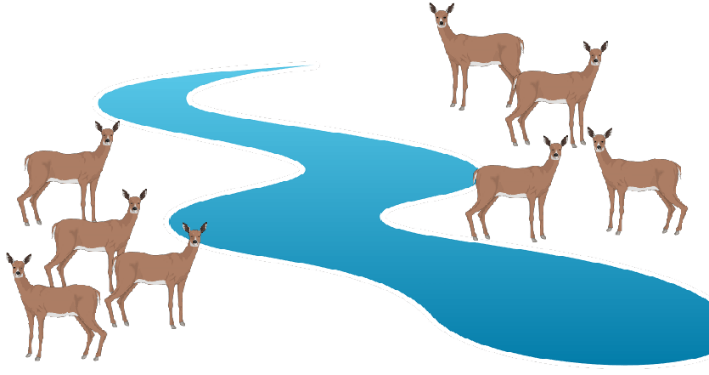
Two populations of the same species are separated by land barriers like rivers or mountains.

a)

geographical isolation

b)

temporal isolation

c)

adaptive ratiation

d)

behavioral isolaton

68.

Organisms of the same species do not interbreed for various reasons.

a)

Genetic Isolation

b)

Gene Pool

c)

Adaptation

d)

Survival of the Fittest

69.

Organisms of the same species can no longer interbreed therefore creating two species.

a)

Gene Pool

b)

Genetic Drift

c)

Gene Frequency

d)

Speciation

70.

individuals with alleles for an extreme type are more likely to survive and reproduce

a)

stabilizing selection

b)

directional selection

c)

disruptive selection

d)

genetic drift

71.

the selection pressure favors the extreme phenotypes, dividing the population into 2 distinct groups

a)

directional selection

b)

stabilizing selection

c)

geographic selection

d)

disruptive selection

72.

Individuals with intermediate traits are more likely to survive and reproduce

a)

stabilizing selection

b)

directional selection

c)

adaptive radiation

d)

disruptive selection

73.

Tall kelp have a distinct advantage over shorter kelp in receiving needed sunlight in their ocean environment

a)

directional selection

b)

disruptive selection

c)

stabilizing selection

d)

sexual selection

e)

artificial selection

74.
A flash flood carried a raft of Amazon ants away from their original population. There is enough distance between the two groups, that they will never meet in nature again. What type of reproductive barrier is this?
a)
behavioral isolation
b)
temporal isolation 
c)
gametic isolation
d)
geographic isolation 
75.

The emergence of new rivers or streams is a type of ____________ isolation.

a)

Temporal

b)

Mechanical

c)

Behavioral

d)

Geographic

76.
Change over time
a)
Natural Selection
b)
Selective Breeding
c)
Homeostasis
d)
Evolution
77.
Which of the following best describes meiosis?
a)
It is carried out in all tissues theat require cell replacement
b)
It occurs only in cells in the reproductive structures of an organism
c)
It happens in all of the tissues except the brain and spinal cord
d)
It is the first stage of mitosis
78.
A human has 46 chromosomes in their body cells.  What is the haploid number?
a)
46
b)
92
c)
23
d)
12
79.
The uniting of sperm and an egg
a)
reproduction
b)
regeneration
c)
fertilization
d)
germination
80.
The diagram below shows a cellular process that occurs in organisms.
What is the name of this process?
a)
meiosis
b)
mitosis
c)
endocytosis
d)
phagocytosis
81.
The diagram below shows homologous chromosomes during prophase I of meiosis
Which of the following correctly describes the process being illustrated?
a)
mutation in which the DNA content of the gene is altered
b)
segregation of sister chromatid
c)
condensation and segregation of alleles
d)
crossing-over in which alleles are exchanged
82.
Meiosis and fertilization are important processes because they may most immediately result in
a)
many body cells
b)
immune responses
c)
genetic variation
d)
natural selection
83.
Gametes are haploid
a)
True
b)
False
84.
A fertilized sex cell is called a
a)
zygote
b)
diploid
c)
gamete
d)
hybrid
85.
Meiosis is a form of what?
a)
sexual reproduction
b)
asexual reproduction
c)
crossing over
d)
a hybrid
86.
Meiosis makes sperm and egg cells. In humans, sperm and egg cells each have _____ chromosomes. Therefore a fertilized human egg cell (sperm and egg cell combined) would create a cell with _____ chromosomes.
a)
23, 46
b)
46, 23
c)
2, 4
d)
50, 100
87.
Unlike mitosis, meiosis in male mammals results in the formation of
a)
one haploid gamete
b)
three diploid gametes
c)
four diploid gametes
d)
four haploid gametes
88.
If the Diploid number of Carrots is 18, the haploid number is
a)
18
b)
9
c)
27
d)
36
89.
Which process and type of resulting cells are represented?
a)
mitosis, gametes
b)
mitosis, body cells
c)
meiosis, gametes
d)
meiosis, body cells
90.
A human usually has xx amount of chromosomes.
a)
6
b)
22
c)
4
d)
46
91.
The purpose of meiosis is to form ________ cells.
a)
body
b)
sex
c)
somatic
d)
brain
92.
Which sex chromosomes would indicate a typical human male?
a)
XX
b)
X
c)
XY
d)
XXY
93.
Diploid Cells are represented by
a)
2n
b)
n
c)
4n
d)
1/2 n
94.
The process of crossing over occurs in what phase of meiosis?
a)
anaphase 1
b)
prophase 1
c)
prophase 2
d)
telophase 1
95.

Which sex chromosomes would indicate a typical human female?

a)

XX

b)

X

c)

XY

d)

XXY

96.
Occurs during meiosis, failure of replicated chromosomes to separate, resulting gametes will either be missing a chromosome or have an extra chromosome
a)
pedigree
b)
genetic trait
c)
x-linked trait
d)
nondisjunction
97.

The process of fertilization restores the ___________________ number of a cell.

a)

haploid

b)

somatic

c)

diploid

d)

n

98.

What phase is represented?

a)

metaphase 1

b)

metaphase 2

c)

anaphase 1

d)

anaphase 2

99.

The different forms of a gene are called?

a)

homozygous

b)

alleles

c)

ebola

d)

foam ball

100.
What is the study of heredity called?
a)
Makerspace
b)
fingerprints
c)
genetics
101.

What is a GENOTYPE?

a)

the genetic make-up of an organism

b)

the physical trait of an organism

c)

mitosis

d)

meiosis

102.

PHENOTYPE is

a)

the genetic make-up of an organism

b)

the physical trait of an organism

c)

nucleic acid

d)

Aa

103.

The prefix "hetero" means

a)

different

b)

ugly

c)

fancy

d)

same

104.

Which of the following represents alleles for the homozygous dominant genotype?

a)

Aa

b)

aa

c)

AA

105.

Which of the following represents alleles for the heterozygous genotype?

a)

Aa

b)

aa

c)

AA

106.

If A = red fur and a = white fur, what color fur would Aa be? (Assume complete/simple dominance type of inheritance)

a)

red

b)

white

c)

purple

d)

blue

107.
What percentage of the offspring will have this recessive disease?
a)
0%
b)
25%
c)
50%
d)
75%
108.
What percentage of the female offspring will be a carrier for this recessive disease?
a)
0%
b)
50%
c)
100%
d)
25%
109.
How many PAIRS of chromosomes do humans have?
a)
23
b)
46
c)
1
d)
2
110.
If a gene is found only on the X chromosome and not the Y chromosome, it is said to be what?
a)
sex-linked trait
b)
polygenic trait
c)
codominant trait
d)
incomplete dominance trait
111.
Hemophilia is a recessive x-linked disorder.
Which genotype represents a female who is a carrier for hemophilia?
a)
XHXh
b)
XhXh
c)
XHXH
d)
XhY
112.
Incomplete dominance or co-dominance?
A calico cat shows both the traits for orange fur and black fur. 
a)
Incomplete Dominance
b)
Co-dominance
c)
Complete dominance
d)
Mendelian dominance
113.

What are the possible genotypes for a person who has the blood group A?

a)

IAIA

b)

IAIi

c)

IAIB

d)

IBIi

114.

When one allele is not dominant over another, resulting in a blended phenotype for heterozygous offspring is considered....

a)

Incomplete Dominance

b)

Codominance

115.

In cattle red coats are represented as RR, and white coats are represented as WW.


What is the genotype for Roan color?

a)

RR

b)

RW

c)

WW

116.

Name the proteins on the surface of red blood cells.

a)

Antibodies

b)

Antigens

c)

Plasma

d)

Collagen

117.

Where are antibodies located?

a)

surface of red blood cells

b)

surface of white blood cells

c)

plasma

d)

surface of platelets

118.
What is NOT a possible genotype for someone with type B blood?
a)
IBIB
b)
IAIB
c)
IB i
119.
which blood type is the universal donor (all people can receive it)?
a)
O
b)
AB
c)
A
d)
B
120.
Determine the sex of the individual whose karyotype is displayed in the image.
a)
female
b)
male
121.
When chromosomes fail to separate correctly during anaphase of meiosis, what can occur?
a)
extra chromosomes are found in the sex cell
b)
chromosomes of the sex cell are doubled
c)
chromosomes of the sex cell are halved
d)
meiosis never completes
122.
Chromosome pairs 1-22 are referred to as
a)
sex chromosomes
b)
sister chromatids
c)
a karyotype
d)
autsomes
123.
Which would be considered a somatic cell?
a)
Sperm cell
b)
Egg Cell
c)
Skin Cell
d)
All of these
124.
What would indicate a human male?
a)
XX
b)
X
c)
XY
d)
XXY
125.
Meiosis goes through _______________.
a)
PMAT twice.
b)
PMAT four times.
c)
Nondisjunction twice.
d)
Nondisjunction four times.
126.
Two similar chromosomes that you inherit from your parents are called...
a)
Homologous chromosomes
b)
Sex chromosomes
c)
Sister chromatids
d)
Homozygous alleles
127.
What causes genetic variation in meiosis?
a)

chromosomes lining up and spreading out

b)

crossing over of chromosomes and independent assortment
c)
separation of chromosomes
d)
chromosomes pulling apart
128.
After meiosis II the daughter cells will contain ____ chromosomes if the original cell contained 78.
a)
78
b)
39
c)
23
d)
46
129.
The fertilized egg is termed a/an _____.
a)
gamete
b)
allele
c)
homolog
d)
zygote
130.
This image shows chromosomes during Prophase 1. Which of the following correctly describes the process shown?
a)
segregation of sister chromatids
b)
condensation and segregation of alleles
c)
mutationin which the DNA content of the gene is altered
d)
crossing - over in which alleles are exchanged
131.
What kind of cells are made in MEIOSIS?
a)
Haploid cells
b)
Diploid Cells
c)
Skin Cells
d)
Liver Cells
132.
Crossing over creates
a)
male genotype
b)
genetic variation (differences)
c)
DNA replication
d)
mitosis
133.
Which cellular process is shown?
a)
meiosis
b)
endocytosis
c)
mitosis
d)
phagocytosis
134.
How many daughter cells does Meiosis create?
a)
2
b)
4
c)
8
d)
1
135.

Which of the following describes mitosis?

a)

Cell division--creates new somatic cells

b)

Cell division--creates gametes

136.

Which is a type of asexual reproduction?

a)

Mitosis

b)

Meiosis

137.

Which process produces 2 cells?

a)

Mitosis

b)

Meiosis

138.

In eukaryotes, which organelle is DNA usually found in?

a)

cell membrane

b)

vacuole

c)

chloroplast

d)

nucleus

139.
What does DNA stand for?
a)
Deoxyribonucleic acid
b)
Denitrogenous acid
c)
Deribonucleic acid
d)
Diribonucleic acid
140.
The sugar in DNA is ?
a)
sucrose
b)
glucose
c)
deoxyribose
d)
fructose
141.

In what process is mRNA synthesized?

a)

Transcription

b)

Translation

c)

DNA Replication

d)

Mitosis

142.

Where does TRANSCRIPTION occur?

a)

Nucleus

b)

Ribosome

c)

Cytoplasm

d)

Mitochondria

143.

Why must transcription occur where DNA can be found?

a)

because DNA can't leave

b)

because ribosomes are in the nucleus

c)

because DNA polymerase is found there

d)

because helicase unzips the DNA

144.

Which organelle is the location where protein is made?

a)

Ribosome

b)

Nucleus

c)

Cytoplasm

d)

Nucleotide

145.
The process to go from DNA to mRNA is _______
a)
translation
b)
transcription
c)
replication
146.
The process to go from mRNA to a protein is called ____
a)
transcription
b)
rRNA
c)
replication
d)
translation
147.
What is a series of events a cell goes through as they grow and divide?
a)
Cell Division
b)
Cell Cycle
c)
Cytokinesis
d)
Mitosis
148.
What is the longest stage of the cell cycle called?
a)
Cytokinesis
b)
M phase
c)
Interphase
d)
G1 Phase
149.
During what stage does the G1, S and G2 phases happen?
a)
Interphase
b)
M phase
c)
Mitosis
d)
Cytokinesis
150.
During what phase of the cell cycle is DNA replicated?
a)
G1 phase
b)
S phase
c)
G2 phase
d)
M phase
151.
During what phase of the cell cycle does the cell grow?
a)
G1 phase
b)
S phase
c)
M phase
d)
Cytokinesis
152.
During what phase of the cell cycle does the cell prepare for mitosis?
a)
G1 phase
b)
S phase
c)
G2 phase
d)
M phase
153.
Put the following in order: G2, G1, S, mitosis, cytokinesis. 
a)
G1, G2, S, Mitosis, cytokinesis
b)
G1, S, G2, Mitosis, cytokinesis
c)
G1, G2, S, cytokinesis, mitosis
d)
G1, S, G2, cytokinesis, mitosis
154.
Why would it be important to replicate DNA before a cell divides in mitosis or meiosis?
a)
In order for genetic information to be transferred into daughter cells.
b)
In order for the cell to be able to increase in size.
c)
In order for the DNA to be contained in the nucleus.
d)
In order for the cell to re-order the DNA sequencing in the new cells.
155.
Which part of the Cell Cycle takes the longest?
a)
Interphase
b)
Mitosis
c)
Prophase
d)
Cytokinesis
156.
What part of the cell cycle results in the splitting of the new cells?
a)
Interphase
b)
Mitosis
c)
Metaphase
d)
Cytokinesis
157.
What does DNA Replication mean?
a)
DNA is made.
b)
DNA makes new cells. 
c)
DNA copies itself.
d)
DNA starts the cell cycle.
158.
True or False.
Mitosis is a continuous process.
a)
True
b)
False
159.
What phase is this cell in?
a)
Cytokinesis
b)
Mitosis
c)
Prophase
d)
Metaphase
160.
What phase is this cell in?
a)
Mitosis
b)
Interphase
c)
Anaphase
d)
Telophase