
 Worksheets
Botany Final Review
Total questions: 162
Worksheet time: 41hrs 30mins


The diagram shows fossils in different rock layers. Which of these statements about the age of these fossils is most likely correct?
Fossil A and C are the same age
Fossil A is older than Fossil B
Fossil B is older than Fossil C
Fossil D is older than Fossil C
Which of the following is required for a population to diverge into two separate species?
The two populations must have evolved different physical appearances.
The two populations must have mutated at least 10 times.
The two populations must have become reproductively isolated.
The two populations must have evolved analogous structures.
Which of the following organisms are most likely LEAST closely related?
organisms that share a domain
organisms that share a family
organisms that share a genus
organisms that share a species


The science of describing, classifying, and naming living things is called:
Geology
Biology
Taxonomy
Chemistry

This organism is multicellular, heterotroph, that has a cell wall made of chitin. What kingdom does it belong in?
fungi
plantae
animalia
eubacteria

I am prokaryotic and am found everywhere. What kingdom do I belong to?
Eubacteria
Archaebacteria
Fungi
Protista

What kingdom do unicellular, prokaryotic organisms that live in extreme environments?
Animal
Archaebacteria
Eubacteria
Plant

What is the correct order of taxonomy?
Domain, kingdom, phylum, class, species, genus, family, class
Species, genus, family, order, class, phylum, kingdom, domain
Domain, kingdom, phylum, class, order, family, genus, species
species, phylum, order, class, domain, kingdom, family, genus
Which one of the following is the most general category of living things?
Kingdom
Domain
Phylum
Species

What are the three domains we find in biology?
Archaea, Bacteria, Eukarya
Protista, Eubacteria, Animalia
Archaea, Eubacteria, Eukarya
Prokarya, Bacteria, Archaea
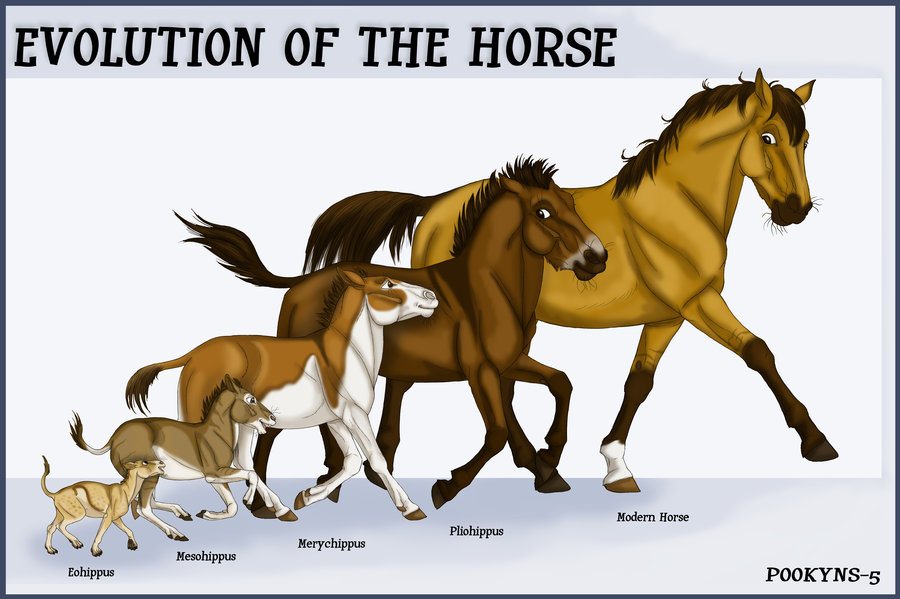
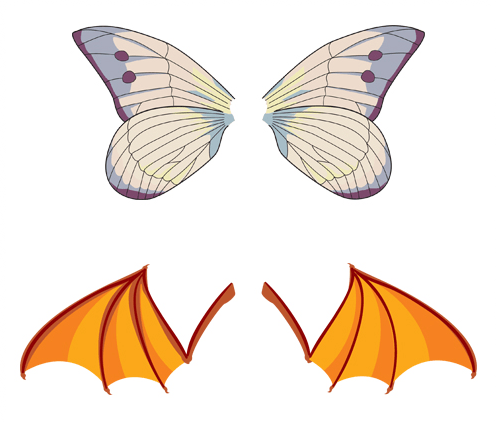
An anatomical feature that no longer seams to have a purpose in the current form of an organism
Homologous structure
Analogous structure
Vestigial structure
None of the above

Whales have pelvic bones. What type of structure does this best represent?
Homologous structure
Analogous structure
Vestigial structure
None of the above
A species does not change over millions of years. This is an example of:
convergent evolution
analogous structures
stasis
dynamic equilibrium
character chane
The flowers on maple trees are pollinated by the wind, yet they have petals. The petals:
are homologous structures.
are vestigial.
are the result of convergent evolution.
attract pollinators.
Water boatmen (an insect) and whales have flippers. This is an example of:
convergent evolution
vestigial structures
stasis
analogous structures
homology
Most fungi reproduce _____.
Asexually
Sexually
binary fission

Identify layer A of the Lichen
algae/cyanobacteria
densely packed hyphae
loosely packed hyphae
Identify layer B of the Lichen
algae/cyanobacteria
densely packed hyphae
loosely packed hyphae
Identify layer C of the Lichen
algae/cyanobacteria
densely packed hyphae
loosely packed hyphae
The complex carbohydrate that makes up fungal cell walls, as well as the exoskeletons of Arthropods.
mycelium
septa
chitin
cellulose
A mutual symbiotic relationship between photosynthetic algae or cyanobacteria and fungi.
mycorrhizae
lichen
fruiting body
sporangium
A structure that contains spores.
sporangium
septa
mycelium
mycorrhizae
Mass of tangled fungal hyphae (mostly underground).
mycelium
fruiting body
sporangium
septa
The individual filaments that bundle up to form fungal structures.
mycelium
hyphae
sporangium
saprophyte
A mutual symbiotic relationship between plants roots and fungi.
mycorrhizae
lichen
mycelium
fruiting body
Large reproductive structure of a fungus.
fruiting body
hyphae
sporangium
chitin
Cross walls that divide some hyphae into sections.
septa
lichen
mycorrhizae
fruiting body
Fungi are different from plants because
they are autotrophic and plants are heterotrophic.
they are heterotrophic and plants are autotrophic.
they have cellulose in their cell walls and plants have chitin.
they have chitin in their cell walls and plants have cellulose
Chose the sexual reproductive unit in fungi:
hyphae
mycelium
spore
gametophyte
You start with one diploid cell. Meiosis results in ____________, while mitosis results in you __________.
4 unique haploid cells, 2 identical diploid cells
4 identical haploid cells, 2 unique diploid cells
2 unique haploid cells, 4 identical diploid cells
2 identical haploid cells, 4 unique diploid cells
4 identical diploid cells, 2 unique haploid cells
What is the name of the one cell structure that makes the spores?
hyphae
mycelium
sporangium
sporophyte
Haploid means:
having one copy of DNA
having one cell
having two copies of DNA
having two cells
Diploid means:
having one copy of DNA
having one cell
having two copies of DNA
having two cells
The difference between diploid and dikaryon is:
diploid has two unfused copies of DNA, while dikaryon is fused
diploid has two fused copies of DNA, while dikaryon is unfused
diploid is only in animals, dikaryon is in fungi and plants
diploid is in eukaryotes, dikaryon is in prokaryotes

Jimmy Two-times is trying to remember the difference between mycelium and hyphae. He remembers that:
hyphae make up both the mycelium and fruiting body (reproductive structure) in fungi
hyphae are fused mycelium underground in a fungus
hyphae are when you get really crazy or goofy
mycelium make up both the hyphae and fruiting body (reproductive structure) in fungi

Fungi eat stuff by
secreting enzymes external to the fungal body, digesting the material, then bringing the digested materials into their body.
surrounding and absorbing the materials they eat, then using enzymes internally to digest the food.
chewing it with their hyphal teeth (similar in shape to a mushroom), then making a hyphal stomach where they digest the food.
using the Mario power up to get bigger.
Fossil evidence shows that fungi are at least 715 million years old, which shows us that:
land plants helped fungi colonize land.
fungi helped the first land plants colonize land.
fungi helped the European colonists survive in North America.
fungi are most closely related to dinosoaurs.
Fossil evidence shows that fungi are at least 715 million years old, which shows us that:
land plants helped fungi colonize land.
fungi helped the first land plants colonize land.
fungi helped the European colonists survive in North America.
fungi are most closely related to dinosoaurs.
Fungi exist in the dikaryon state for a long time before making mushrooms and spores. How long does the diploid state last in most fungi?
Nice try Smith. Fungi do not have a diploid state.
The diploid state lasts just as long as the dikaryon state.
The diploid state lasts just as long as it takes for the cells to divide in the first stage of meiosis, which is not very long at all.
The diploid state lasts even longer than the dikaryon state. The diploid state is what the hyphae of the mushroom are made from.
Some fungi are saprobes. Saprobes:
help recycle nutrients in dead matter.
feed off the energy of living organisms.
live in close and mutually beneficial association with other species.
Some fungi are parasites. Parasites:
help recycle nutrients in dead matter.
feed off the energy of living organisms.
live in close and mutually beneficial association with other species.
Some fungi are symbionts. Symbionts:
help recycle nutrients in dead matter.
feed off the energy of living organisms.
live in close and mutually beneficial association with other species.
Otzi the iceman had fungi on his body when he died. He was most likely using these fungi to:
experience euphoric states of mind and see things that weren't there.
get rid of parasites.
eat when he was hungry.
The Norway witch trials were most likely caused by:
the leader of the town poisoned by psychoactive substances.
much of the town experiencing hallucinations due to ergot in the grain.
witches being punished for the bad spells they cast on the townsfolk.
The following medicines are made from fungi
(check all that apply):
Cancer medicine
Antibiotics
Diabetes medicine
Malaria medicine
Cholesterol drugs
Seedless vascular plants reproduce by...
Seeds
Spores
Pollen
Rhyzoid
Select all plant groups that are seedless vascular.
mosses
horsetails
hornworts
club mosses
ferns
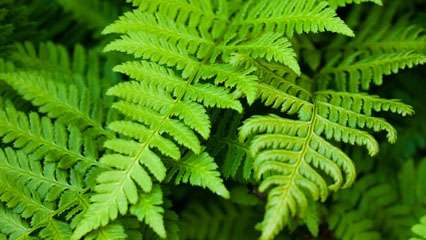
This is a...
fern
liverwort
hornwort
club moss
horsetail
Seedless vascular plants have real roots, stems and leaves.
True
False
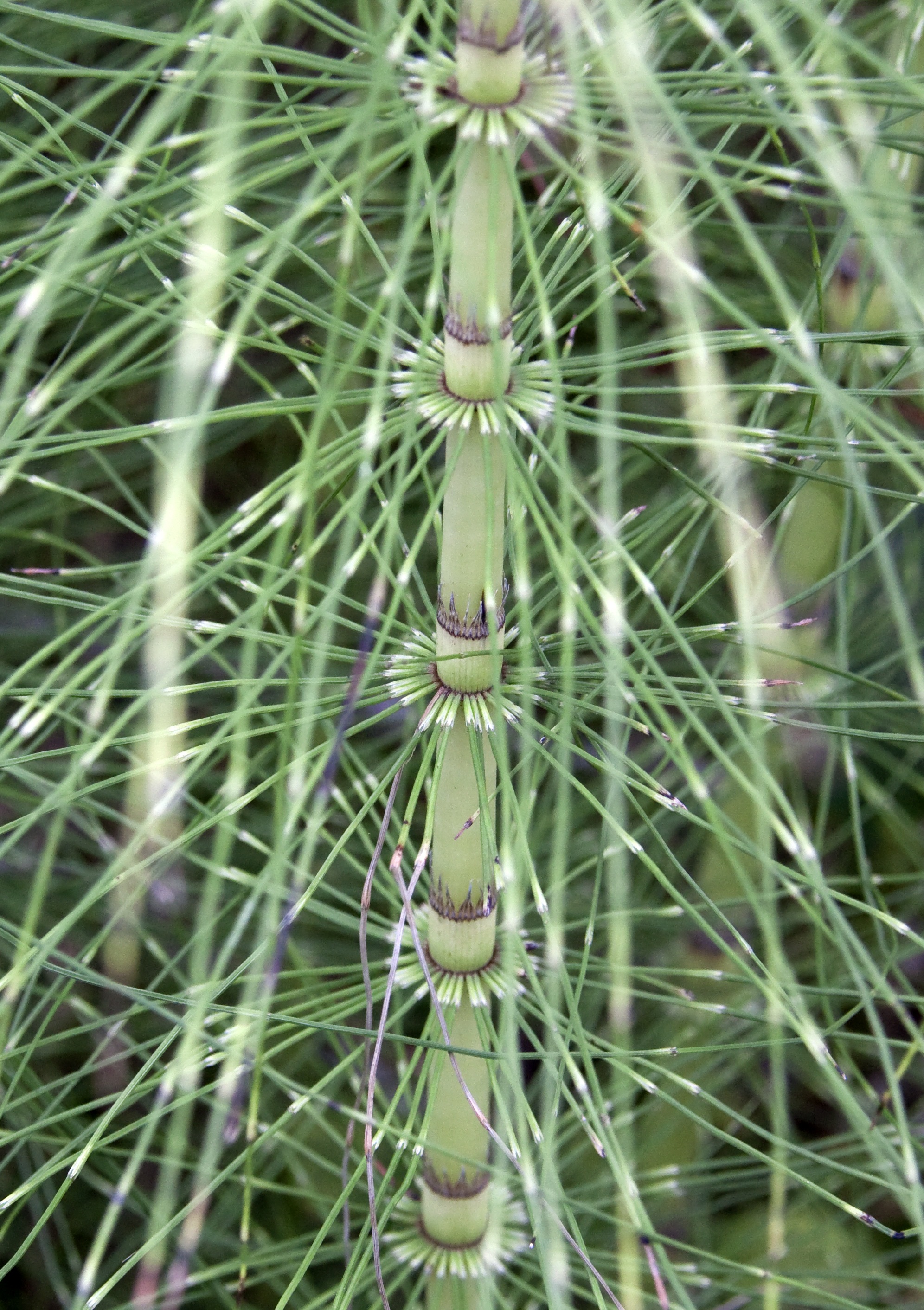
This is a...
fern
liverwort
hornwort
club moss
horsetail
All of these are bryophytes except:
ferns
mosses
liverworts
hornworts

There are patches of sporangia under the leaf of a fern that make spores. These patches are called:
Sori
Meiosis
Archegonium
Sporophyte
Fern gametophytes are:
Bigger than the sporophyte
Smaller than the sporophyte and free living
Smaller than the sporophyte and living in the sporophyte
This part of the bryophte is the female structure and contains the egg:
antheridia
archegonia
Why do bryophytes have to be around water part of the year?
So they are able to stay wet
So they can anchor in the soil better
So the sperm can swim to the egg.
So they can tolerate low temperatures
What is phloem's function in a plant?
Carries nutrients
Carries water upward from the roots
Carries oxygen to the plant
Carries carbon dioxide away from the plant
What is xylem's function in a plant?
carries nutrients
carries water upward from the roots
carries oxygen to the plant
carries carbon dioxide away from the plant
A bryophyte would most likely be found in the following habitat:
desert
streamside
forest
sage steppe
Gymnosperms are seed plants that do not have fruit. This makes sense based on the greek/latin meaning of gymnosperm. Gymno means _________ and sperm means __________
Fruit, seed
Naked, seed
Fruit, plant
Naked, plant

Welwitschia is in the:
Gnetophyta
Ginkgophyta
Coniferophyta
Cycadophyta

Ginkgo is in the:
Gnetophyta
Ginkgophyta
Coniferophyta
Cycadophyta

Gnetum is in the:
Gnetophyta
Ginkgophyta
Coniferophyta
Cycadophyta

Ephedra is in the:
Gnetophyta
Ginkgophyta
Coniferophyta
Cycadophyta
This plant in the Gnetophytes contains secondary compounds similar to caffeine.
Gnetum
Ephedra
Welwitschia
This plant in the Gnetophytes grows in the Namib Desert.
Gnetum
Ephedra
Welwitschia
The gymnosperms (check all that apply):
have woody tissue from secondary growth.
have flowers.
have seeds
have cones
have fruit
Another name for a seed is a:
microgametophyte
integumented megasporangium
fruit
hepatomicrocephalomeric spore
The megagametophyte
is a pollen grain that contains the egg cell.
a female gametophyte that contains the egg cell.
is a female gametophyte that contains the pollen grain.
is a pollen grain that is the male gametophyte.
The microgametophyte
is a pollen grain that contains the egg cell.
a female gametophyte that contains the egg cell.
is a female gametophyte that contains the pollen grain.
is a pollen grain that is the male gametophyte.
Gymnosperms are pollinated by:
bees, birds, bats, and moths.
bees only.
the wind.
Hold up, Smith. Gymnosperms do not have pollen.
Gymnosperms make lots of pollen compared to flowering plants because:
It is up to wind and chance to pollinate gymnosperms.
It is not energetically costly to produce lots of pollen.
They like making pollen for bees.
Pollen help them grow bigger and outcompete other plants around them.

Gymnosperms make male and female cones.
True
False
Why do conifers place the male cones below the female cones?
To transport the pollen shorter distances.
To prevent the male cones from fertilizing the female cones.
Making the male cones is more energetically costly, so they do not have to move nutrients as high on the plant.
To attract bees.
To prevent self-fertilization, some conifers will (check all possible answers):
Make male cones lower than female cones on a tree.
Make male cones first, then female cones once the male cones are finished.
Only have male cones on one tree, and female cones on another tree.
Have resin ducts.

According to this phylogeny (check all that apply):
Cycads and Ginkgo are sister taxa.
Gnetales and Conifers are sister taxa.
Gymnosperms and Angiosperms are sister taxa.
Pteridophytes and Seed Plants are sister taxa.
Lycopods and Pteridophytes are sister taxa.
This living fossil was discovered in China:


What is the largest group of gymnosperms?
conifers
spruce
cedars
deciduous
Where do the seeds of a gymnosperm come from?
fruit
flowers
spores
cones
Female cones produce________.
spores
cones
pollen
eggs
A plant is ...
Heterotrophic, multicellular, eukaryote
Autotrophic, unicellular, eukaryote
Autotrophic, multicellular, eukaryote
Heterotrophic, unicellular, prokaryote
The two types of vascular tissue in plants are _____________ and _________________?
bark, wood
ground, dermal
roots, stem
phloem, xylem
Xylem carries ...
water
nutrients
blood
protein
Which is an example of a conifer?
Cedar tree
Pine tree
Spruce tree
Fir tree
All of these are conifers
The female cone on this plant becomes smelly and undesirable. That is why people selling trees will typically only sell male trees.
Though not a fern at all, this is a 'tree fern' and in the Cycad group.
These make fancy, expensive indoor plants:
In seed plants a megaspore develops into?
pollen grain
male gametophyte
endosperm
female gametophyte
the ....... of a conifer develops into the pollen grain
female gametophyte
microspore
Archegonia
megaspore
Embryo

what is this picture represent?
Archegonia
male cones
Embryo
female cones
what is this picture represent?
Archegonia
male cones
Embryo
female cones
Select all that have a dominant gametophyte stage:
Conifers
Cycads
Ferns
Mosses
Liverworts
Select all that have a dominant sporophyte stage:
Conifers
Cycads
Ferns
Mosses
Liverworts
True or False:
The more advanced plants have the dominant gametophyte.
True
False
A main difference between the gymnosperms and the pteridophytes is:
gymnosperms have vascular tissues and the pteridophytes do not.
gymnosperms have seeds and the pteridophytes do not.
gymnosperms have spores and the pteridophytes do not.
gymnosperms have flowers and the pteridophytes do not.
A main difference between the gymnosperms and the pteridophytes is:
gymnosperms have vascular tissues and the pteridophytes do not.
gymnosperms have secondary growth and the pteridophytes do not.
gymnosperms have spores and the pteridophytes do not.
gymnosperms have roots and the pteridophytes do not.
The alternation of generations can best be described as:
Having a multicellular gametophyte stage but not a multicellular sporophyte stage.
Having a multicellular sporophyte stage but not a multicellular gametophyte stage.
Having both a multicellular gametophyte and sporophyte stage.
Having both a unicellular gametophyte and sporophyte stage.

The male gametophyte in flowering plants is:
The anther
The stamen
The pollen grain
The product of mitosis
The male gametophyte in flowering plants is:
The microgametophyte
The megagametophyte
Bigger than the female gametophyte
Not real

The spores in a fern are made through the process of:
Mitosis
Meiosis
Photosynthesis
Trials and Tribulations

This image shows a lily ovule. Inside is the 8-celled megagametophyte. It has 8 cells because:
2 parent cells underwent mitosis to make it
4 parent cells underwent mitosis to make it
2 parent cells underwent meiosis to make it
4 parent cells underwent meiosis to make it
This image shows a lily ovule. Inside is the 8-celled megagametophyte. The megagametophyte is:
Haploid
Diploid
If a plant has haploid gametes, then its gametophyte is:
Haploid
Diploid
If a plant has haploid gametes, then its sporophyte is:
Haploid
Diploid
When we refer to haploid and diploid, it refers to the number of:
cells
genes
chromosomes
sets of DNA
nuclei
Your body cells are diploid. That means:
They have 1 copy of DNA
They have 2 copies of DNA
They have 46 copies of DNA
They have 23 copies of DNA
Human sex cells are haploid. That means:
They have 1 copy of DNA
They have 2 copies of DNA
They have 46 copies of DNA
They have 23 copies of DNA

This is the cross section of a lily anther. The anther:
contains the ovary
contains the stamen
contains the pollen
contains the megagametophyte
The microgametophyte cells in this image are in tetrads (groups of four). This is likely because they formed through:
mitosis
binary fission
cloning
meiosis
The microgametophyte cells in this image are:
smaller than the megagametophyte and diploid
smaller than the megagametophyte and haploid
bigger than the megagametophyte and diploid
bigger than the megagametophyte and diploid

True or False: Flowering plants have the alternation of generations.
True
False
I dare you to chose this one
True or False: Flowering plants have the alternation of generations.
True
False
I dare you to chose this one
Chose all that can result from Mitosis:
Identical cells
Genetic Diversity
Cloning or Asexual Reproduction
Repair
Go from diploid to haploid
In humans meiosis makes sex cells. In plants, meiosis makes:
The same: sex cells.
Zygotes
Spores
Haplodiplopolyploid organisms


I have a beautiful bowl of fresh fruit, notably some nice apples and bananas. I like them so much that I decide to place them in a glass display case. Within a couple of days, I notice most of the fruit is rotten. What is the likely culprit?
The fruit was tightly packed in the display case, and the water held between the pieces of fruit sped up the process of decay.
The ethylene released by the ripening fruit under glass is causing all of the fruit to decay.
The fruit was likely dirty and covered with decomposers such as bacteria and fungi.
The fruit rotted because of a lack of oxygen in the display case, allowing the anaerobic bacteria to decay the fruit.
Apical meristems release this hormone to suppress the buds:
gibberellin
ethylene
auxin
abscisic acid
The four floral whorls:
sepals
petals
stamens
pistils/carpels
pollen
Flower that is missing sepals
incomplete flower
perfect flower
complete flower
imperfect flower
anther
Flower that has both stamens and pistils
incomplete flower
perfect flower
complete flower
imperfect flower
anther
Flower that has stamens, pistils, sepals, and petals
incomplete flower
perfect flower
complete flower
imperfect flower
anther
Structure that holds the pollen
incomplete flower
perfect flower
complete flower
imperfect flower
anther
What is another name for the integumented megasporangium?
flower
bryophyte
seed
apical meristem
microgametophyte
Pollen moves from the
stamen to the stigma
stigma to the stamen
stamen to the chloroplast
stigma to the sepal
Flowers pollinated by insects have brightly coloured and scented
sepals
petals
stigmas
stamens
Why do insects go to the flowers?
to get pollen
to feed on nectar
they like the colourful flowers
They like the smell

When you eat a fig, you are also eating:
Dead male wasps
Wasp larvae
Dead female wasps
Polycoelomate cells

The mirror orchid gets pollinated by wasps that:
are coming in for a nectar reward
are trying to mate with a female wasp
is drawn to the flower by its color
are accidental pollinators
In humans, meiosis makes gametes (sex cells). In plants, things work differently. In plants meiosis makes:
spores
gametophytes
sporophytes
alternation of generations
Pollen grains are:
megagemetophytes
microgametophytes
The origin of life on our planet likely involved (check all that apply):
electricity forming amino acids
structural organization from clay
deep sea vents
refrigeration from ice bergs
chemical reactions with smaller molecules
Angiosperms (flowering plants) make flowers and often use pollinators. How is this an advantage over gymnosperms?
Angiosperms make flowers so they are appreciated by humans.
Angiosperms can make less pollen because they use pollinators for pollination.
Angiosperms can rely on chance for pollination.
Angiosperms can learn from Yoda and use the force to move the pollen from one flower to another.

