wayground logo

Free Printable Worksheets

Font size

S
M
L
XL
Worksheets

7th Science In Review

Total questions: 68

Worksheet time: 1hrs 5mins

Name
Class
Date
1.
All ____________ are made up of two or more atoms bonded together.
a)
atoms
b)
molecules
c)
electrons
d)
elements
2.
2H2O
This number tells how many molecules are in a chemical equation.
a)
coefficient
b)
subscript
c)
compound
d)
element
3.
 2H2O
How many Hydrogen atoms are present?
a)
2
b)
4
c)
1
d)
10
4.
What are the basic building blocks for all matter?
a)
atoms
b)
elements
c)
compounds
d)
chemicals
5.

Which of the following is an example of a chemical change?

a)

water freezes to form ice

b)

sugar dissolves in water

c)

gasoline burns in a car engine

d)

a piece of metal expands when it is heated

6.

A substance that is formed as the result of a chemical reaction is a __________________

a)

Product

b)

Reactant

c)

Starters

d)

Enders

7.

A change in the shape of an object is an example of _________________.

a)

a chemical change

b)

energy

c)

an endothermic change

d)

a physical change

8.

Which one may show that a chemical reaction has occurred?

a)

dissolving

b)

melting

c)

formation of a gas

d)

bending

9.
What type of change occurs when a new substance is formed that has different properties from the original substances?
a)
chemical change
b)
physical change
10.
a copper penny turning greenish after a few years.
a)
Chemical Change
b)
Physical Change
11.

What is the BEST definition of a chemical reaction?

a)

A change in matter that produces one or more NEW substances

b)

When two things combine and EXPLODE.

12.

In an endothermic reaction, heat or energy is ...

a)
taken in or absorbed
b)
given out or released 
13.
Exothermic reactions...
a)
Absorb energy
b)
Release energy
c)
Release Color
d)
Absorb Color
14.
What happens in ALL chemical changes?
a)
Change in state of matter
b)
A new substance is formed
c)
Bubbles are produced
d)
An explosion
15.
Ice melting
a)
Chemical Change
b)
Physical Change
16.

According to the law of conservation of mass, how does the amount of each element on the product side compare to each element on the reactant side?

a)

The amount of atoms on each side is equal

b)

The amount of atoms on the product side is greater

c)

The amount of atoms on the reactant side is greater

d)

Depends on the reaction

17.
Chemical properties of a substance include all of the following except..
a)
its boiling point 
b)
its toxicity 
c)
its flammability 
d)
its reactivity 
18.
The process going from a gas to a liquid is called ...
a)
evaporation 
b)
melting 
c)
condensation 
d)
sublimation 
19.
What is photosynthesis?
a)

The process in which humans eat their food (getting glucose)

b)
When a photographer takes a photo.
c)
To get your pictures from the photo lab.
d)

The process in which plants make their own food (glucose).

20.

Which organisms perform photosynthesis?

a)

Only Autotrophs

b)

Only Heterotrophs

c)

Autotrophs and Heterotrophs

21.
Which of the following is the correct equation for PHOTOSYNTHESIS?
a)

CO+ light + H2O --> O+ glucose

b)

CO+ glucose + H2O --> O+ light

c)

O2 + light + H2O --> CO+ glucose

d)

CO+ O2 + H2O --> Light+ glucose

22.
What is the ultimate ORIGINAL source of energy for living things
a)

Glucose

b)
Sun
c)
Moon
d)
Carbon Dioxide
23.
What do plants need for the photosynthesis process?
a)
a camera and tripod
b)
light, carbon dioxide, and water
c)
roots, flowers, and bees
d)
soil, air, and oxygen
24.
What are the products of photosynthesis?
a)
water and carbon dioxide
b)
oxygen and glucose
c)
oxygen and carbon dioxide
d)
oxygen and water
25.

How does most of the water needed by the plant get into its leaves?

a)

It enters through the stomata

b)

The roots absorb it and then it travels up the stem

c)

It's made during a chemical reaction in the leaf

d)

The flowers capture water and deliver it to the leaves

26.
How does carbon dioxide get into the leaves of a plant?
a)
It's absorbed by the roots
b)
It's made in a chemical reaction in the stem
c)
It enters through the stomata
d)
It goes through the flowers
27.

Does the cellular respiration reaction absorb or release energy?

a)

Absorb

b)

Release

28.

In what molecule is the energy carried in cells?

a)

Glucose

b)

Oxygen

c)

ATP

d)

Carbon Dioxide

29.

Which organelle does cellular respiration happen in?

a)

Nucleus

b)

Mitochondria

c)

Chlorophyll

d)

Chloroplast

30.

What materials GO INTO cellular respiration? (INPUT)

a)

Glucose

b)

ATP

c)

Oxygen

d)

Carbon Dioxide

e)

Water

31.

Which organs belong to the Circulatory System

a)

Heart, blood vessels

b)

Esophagus, stomach

c)

Trachea, larynx, pharynx, lungs

d)

Brain, spinal column

32.

Which level of organization is a heart at?

a)

Cell

b)

Tissue

c)

Organ

d)

Organ System

33.

What are the levels of organization in order?

a)

Cell, Tissue, Organ, Organ System, Organism

b)

Cell, Tissue, Organ, Organ System

c)

Cell, Tissue, Organ, Organism, Organ System

d)

Cell, Organ, Tissue, Organ System, Organism

34.

What is the biggest function of the respiratory system?

a)

to pump blood

b)

to help us digest food

c)

to take in oxygen and release carbon dioxide

d)

to help us fight disease and infection

35.

Which of the following statements describes the function of the heart?

a)

The heart produces white and red blood cells.

b)

The heart controls the nervous system.

c)

The heart makes oxygen and carbon dioxide.

d)

The heart pumps blood throughout the body.

36.

How does the circulatory system depend on the respiratory system in order to function?

a)

The respiratory system removes bacteria from the circulatory system.

b)

The respiratory system produces circulatory system cells.

c)

The respiratory system delivers oxygen to the circulatory system.

d)

The respiratory system provides protection to the circulatory system.

37.

What is an ecosystem??

a)

A group of organism of one species

b)

All the living and non-living things that interact in an area

c)

The study of the interaction between living organism and their environment

d)

Soil, water, air and sunliight

38.

what is the picture??

a)

Food chain

b)

Food web

c)

Food maps

d)

Mind mapping

39.

What are the organisms that break down dead stuff?

a)

Producer

b)

consumer

c)

Organism

d)

Decomposer

40.

The dragonfly provides energy for the .......??

a)

Butterfly

b)

Wolf

c)

Lavanders

d)

Thrush

41.

What is the name for all the animals of the same species living in an ecosystem??

a)

community

b)

population

c)

Biosphere

d)

All of these

42.

What is a herbivore??

a)

An aminal that eats only herbs

b)

An animal that grts energy from eating other animals

c)

An organism that gets energy from eating only plants

d)

An animal that gets energy by eating both plants and other animals

43.

All of the factors listed are abiotic factors of this underwater ecosystem EXCEPT the

a)

sunlight

b)

water currents

c)

fish population

d)

water temperature

44.

Look at the diagram of the food web. The arrows means “eaten by.”


What will happen if the number of snakes goes down?

a)

The owl will eat the grass

b)

The number of frogs will go down

c)

The hawk and owl will have less food

d)

The number of mice and grasshoppers will go up.

45.

What happens to the amount of available energy in the pyramid as it moves up through the different levels?

a)

it increases

b)

it decreases

c)

it remains the same

d)

it decreases, then increases

46.
An animal that eats other animals is a....
a)
carnivore
b)
omnivore
c)
herbivore
d)
decomposer
47.
A consumer gets energy by doing what?
a)
Making it themselves.
b)
Breaking down biotic wastes and dead organisms and returning raw materials to the ecosystem.
c)
Soaking it up from the ground.
d)
Feeding on other organisms.
48.
All food chains begin with a ____________.
a)
primary consumer
b)
secondary consumer
c)

producer

d)

scavenger

49.

In which organelle of a plant cell does photosynthesis occur?

a)

mitochondria

b)

chloroplast

c)

endoplasmic reticulum

d)

nucleus

50.

You want to test for glucose - which should you use, iodine or Benedict's solution?

a)

iodine

b)

Benedict's

51.

As you go up each step in an ecological pyramid, the energy decreases by

a)

90%

b)

10%

52.
Which of the following symbiotic relationships is considered parasitic?
a)
Ticks feeding on a dog
b)
Bees transporting pollen from flowers
c)
Pilotfish swimming under sharks
d)
Birds eating the insects fromo the back of hippo
53.
Maria and her classmates are observing animals at the pond. They notice that wood storks and ibisies both feed on fish. Which of these describes the relationship between these two birds.
a)
Parasitism
b)
Competition
c)
Predator and prey
d)
Producer and consumer
54.
Which of these describes a mutually beneficial relationship between two organisms?
a)
A dog with worms in its intestine
b)
A turtle and a snail that both eat grass live in a river
c)
A honeybee pollinating a plant and receiving nectar for food
d)
A small fish attached to a shark, eating tiny pieces of the shark's food as it floats
55.
Which of the examples below can BEST be described as mutualism between animals?
a)
A tapeworm lives in the intestine of a bird and consumes the food that the bird has eaten
b)
Mountain lions and wolves fight each other for the same deer
c)
A bird eats parasites off a rhinoceros while the rhinoceros provides protection to the bird
d)
Rats live in the garbage dump of a town and rarely interact with people
56.
An organism that kills and eats another for food
a)
Predator
b)
Prey
c)
Parasite
d)
Plant
57.
A close long term association between 2 or more species
a)
Mutualism
b)
Commensalism
c)
Symbiosis
d)
Parasitism
58.
Relationship where both organism benefit
a)
Competition
b)
Commensalism
c)
Mutualism
d)
Parasitism
59.
Relationship where one organism benefits and the other is neither harmed nor helped
a)
Commensalism
b)
Parasitism
c)
Mutualism
d)
Competition
60.
Cattle egrets forage (feed) in fields among cattle. The egret gets easy access to flying insects stirred up by the cattle, and the cattle don't care if they are there or not.
a)
mutualism
b)
commensalism
c)
competition
d)
parasitism
61.
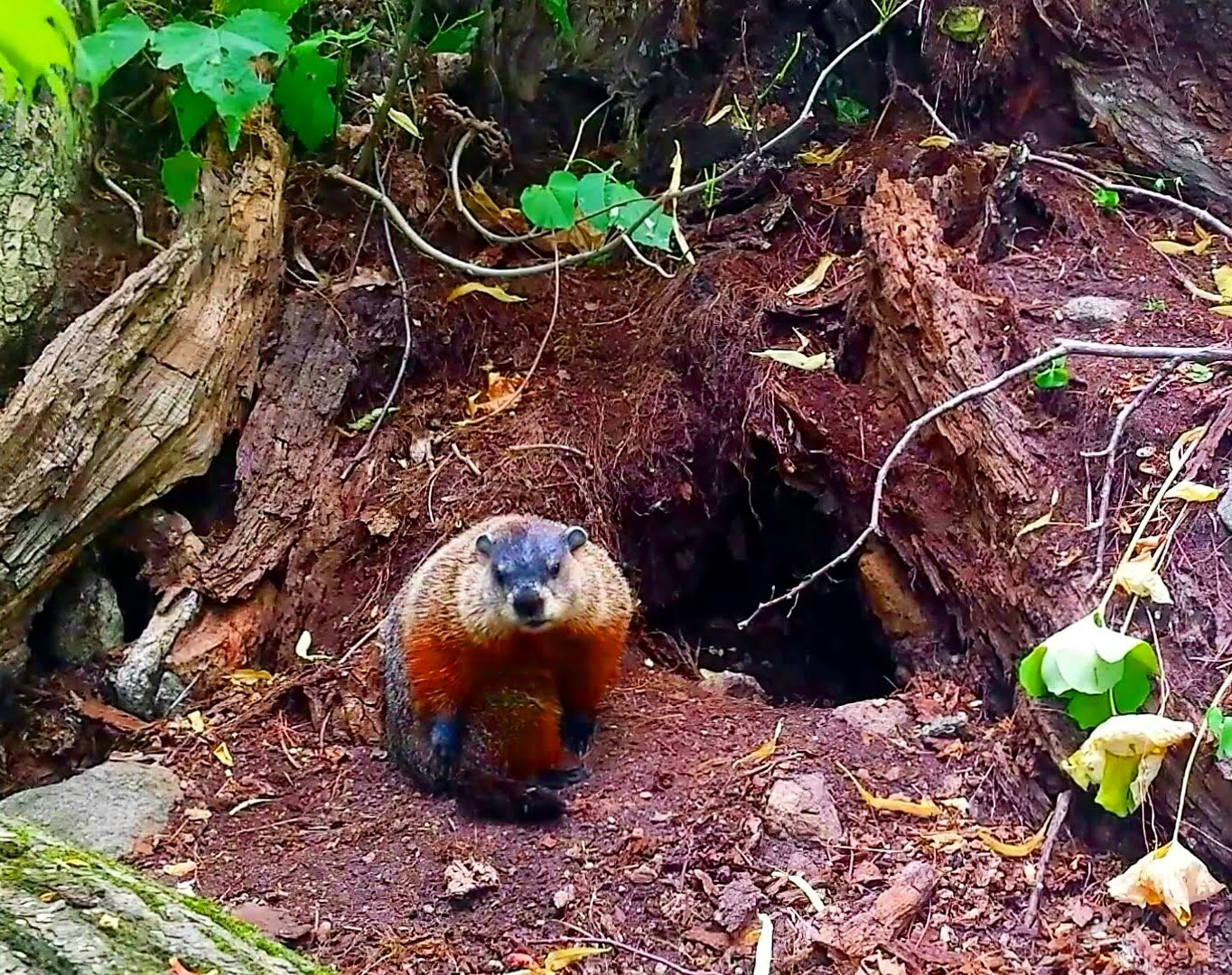
What type of symbiosis?  Skunks often live in burrows that have been dug and abandoned by woodchucks.  
a)
commensalism
b)
mutualism
c)
parasitism
d)
predation
62.
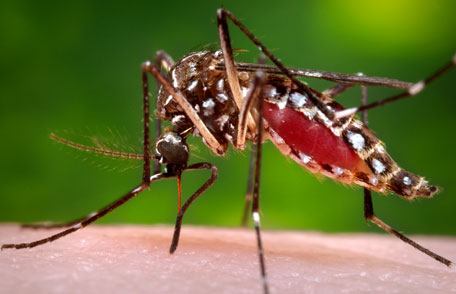
When a mosquito bites you, you are the __________ and the mosquito is the  ____________.
a)
host, hostess
b)
parasite, host
c)
host, parasite
d)
prey, predator
63.
Which of the following are greenhouse gases?
a)
Carbon dioxide
b)
Methane
c)
Water vapor
d)
All answers are correct
64.
The gas that is most abundant in the atmosphere is
a)
oxygen
b)
nitrogen
c)
carbon dioxide
d)
argon
65.
What happens to the temperature if more greenhouse gases are released into the atmosphere?
a)
Temperature goes up
b)
Temperature goes down
66.
Without the Greenhouse Effect the Earth would be
a)
warm 
b)
cold
c)
dead
67.

What is the greenhouse effect?

a)

The warming of a planet due to trapped heat.

b)

The cooling of Earth due to air pollution.

c)

The heating of a solid, such as a rock.

68.

A greenhouse gas

a)

absorbs infrared energy and re-emits it

b)

reflects all energy

c)

is only found in greenhouses