
 Worksheets
Spring 22 Final Review
Total questions: 102
Worksheet time: 2hrs 22mins
How many moles of oxygen are produced when 6.7 moles of KClO3 decompose completely?
How many grams of hydrogen are produced if 120 g of Na are available?
Fe2O3(s) + 3H2(g) → 2Fe(s) + 3H2O(l)
How many moles of iron (Fe) can be made from 6 moles H2?
In the equation 2 Al2O3 --> 4 Al + 3 O2, what is the mole ratio of aluminum to oxygen (aluminum is asked for, oxygen is given)?
10/6
3/4
4/3
2/3
What is the molar mass of table salt (NaCl)?
116.89 g/mol
35.45 g/mol
22.99 g/mol
58.44 g/mol
What is the molar mass of NaOH?
40.00 g/mol
38.99 g/mol
23.99 g/mol
57.00 g/mol
What criteria must be met for reactant collisions to result in a successful product?
The reactants must collide with each other
The reactants must collide with enough energy and be in the right positions
The reactants must have enough energy to form the activated complex
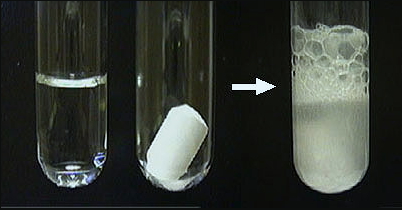
How could we make this reaction happen more quickly?
Decrease the concentration of the acid
crush the chalk to increase the surface area
Put the test tube in an ice bath
When surface area is decreased the rate of reaction...
Decreases, because there are LESS possible sites for correct collisions
Increases, because there are LESS possible sites for correct collisions
Decreases, because there are MORE possible sites for correct collisions
Increases, because there are MORE possible sites for correct collisions
Which has more surface area?
Large chunks of chalk
Cube of sugar
Powdered sugar
Small chunks of sugar
A temperature increase causes the particles ......
to slow down
move faster
collide higher
in the right order
How does a catalyst work in speeding up a reaction?
By lowering the activation energy or reaction
by giving them more energy
by making them more available
What is the rate of reaction?
How much energy is needed for a reaction to occur.
The energy required to break a bond.
The time it takes for a reaction to occur.
Collision Theory
Which of the following increase the reaction rate?
less surface area
lower temperature
increased concentration
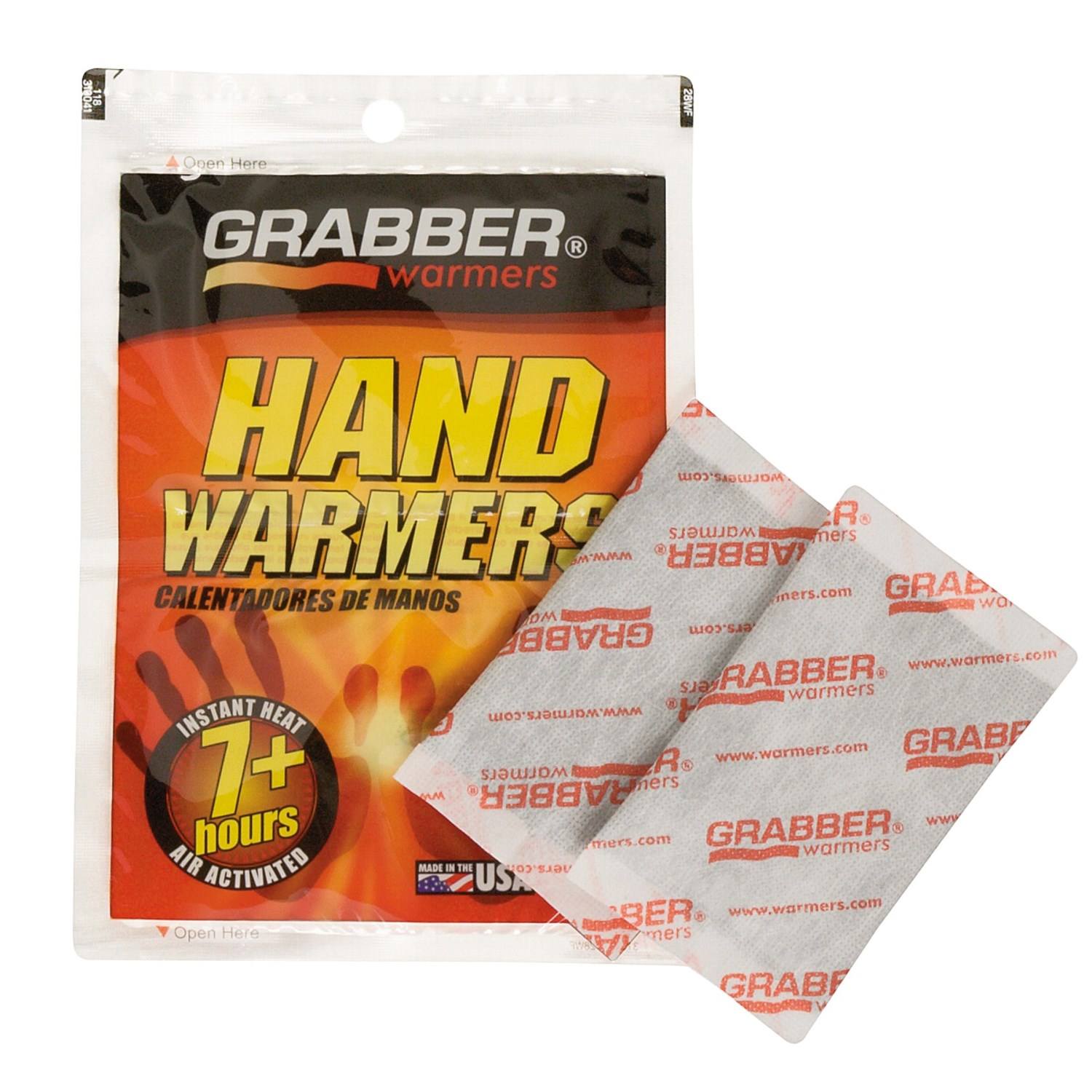

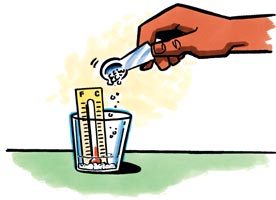
O2(g) + 2 H2 (g) → 2 H2O (g) + Energy
endothermic
exothermic
6 CO2+ 6 H2O + Energy → C6H12O6 + 6 O2
endothermic reaction
exothermic reaction
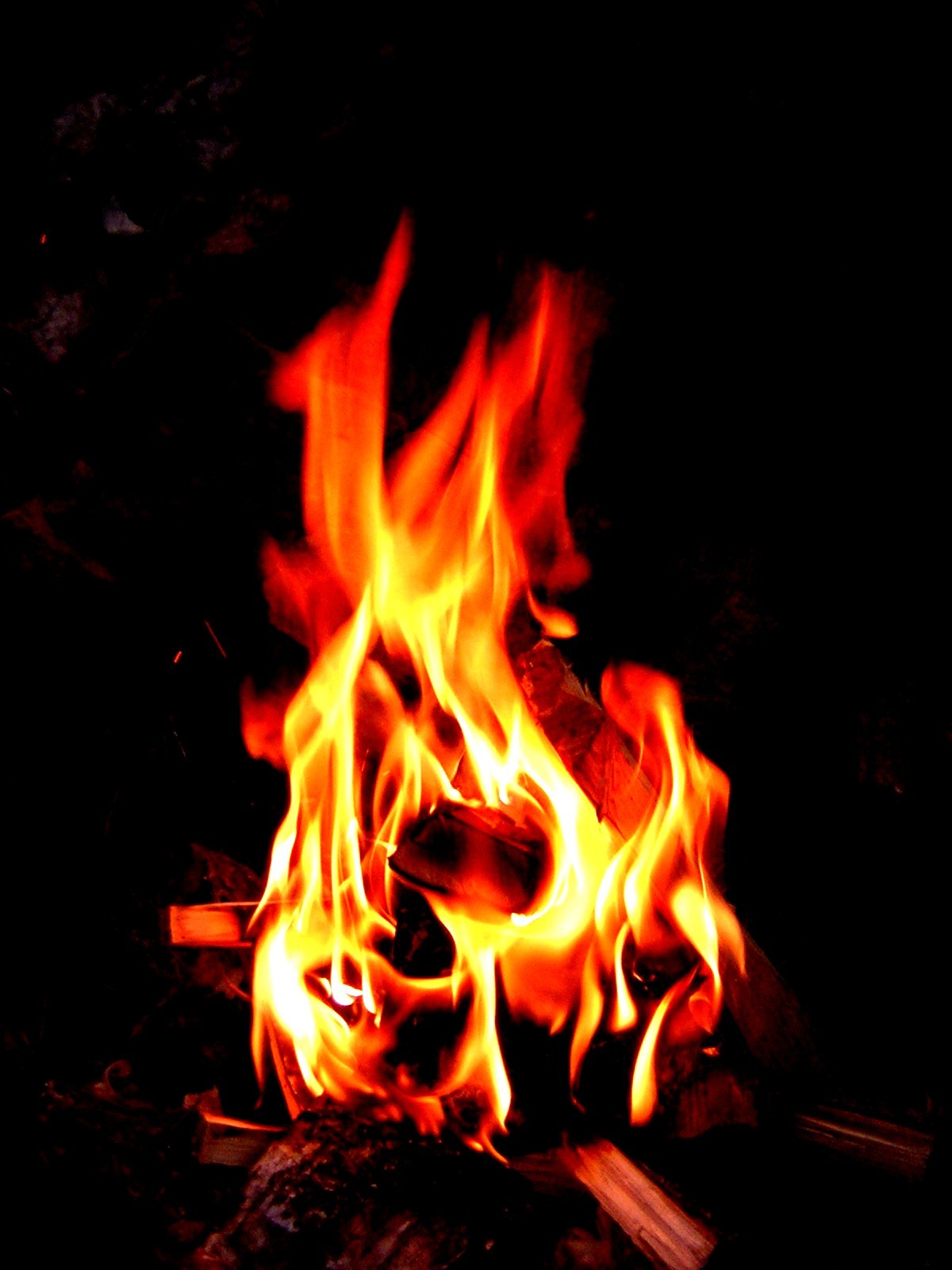
_____ reactions usually feel hot!
endothermic
exothermic
____ reactions usually feel cold.
endothermic
exothermic

Are the products or reactants of this reaction storing more energy in their chemical bonds?
Both storing the same
No way to tell
Products
Reactants
What type of reaction is this?
Exothermic
Endothermic
Energy Producing
No way to tell
When solar energy hits the earth
it can be reflected by light colored surfaces like ice
it can be absorbed by light colored surfaces by ice
it can be reflected by dark colored surfaces like asphalt
it cannot affect processes that occur on earth
Heat is radiated back to space from earth as
visible light
ultraviolet radiation
gamma radiation
infrared radiation
The wavelengths of electromagnetic energy that can be seen by humans is known as
ultrared radiation
visible light
ultraviolet radiation
infrared radiation

According to the diagram, what can happen when solar energy hits clouds in Earth's atmosphere?
it can be reflected or absorbed
it can only be absorbed
it can only be reflected
it is neither reflected nor absorbed
Infrared Light is
the light you can see from the sun
this is where most of the warmth that you feel from the sun comes from
higher-energy radiation that can harm life
Ultraviolet light is
the light you can see from the sun
this is where most of the warmth that you feel from the sun comes from
higher-energy radiation that can harm life

Earth's energy budget is like an equation. Choose the correct equation.
energy in = energy out
energy in is less than energy out
energy in is more than energy out
Which of the following does NOT happen to solar energy when it reaches Earth?
Some solar energy reflects off the atmosphere, back to space
Some solar energy passes through Earth and comes out the other side
Some solar energy is absorbed by land and water
Some solar energy is radiated from the Earth's surface and trapped by the atmosphere
To learn what climates were like in the past, scientists investigate the following types of evidence that serve as substitutes for direct measurement.
Computer models
Proxy indicators
Topography
Carbon footprints
By examining ice cores, we know that when carbon dioxide levels are high, temperatures are also higher.
True
False

Thicker tree rings indicate poor growing conditions for plants and trees.
True
False

What effect do large forests have on Earth's climate?
They take in carbon dioxide and help slow global warming.
They decrease precipitation by absorbing water from the atmosphere.
They warm the Earth by absorbing and reradiating heat energy.
They interfere with winds and prevent the global redistribution of heat.
Which of the following has caused sea levels to rise in many parts of the world?
Ocean acidification
Melting ice
Ozone depletion
Changes in global ocean circulation
What is the probable cause of global warming?
a reduction in the number of glaciers
increased greenhouse gases in the atmosphere
weakened prevailing winds
faster ocean currents
How has global warming affected life in the oceans?
Habitat is being lost as ocean water levels drop.
Ocean water temperatures have cooled to maintain balance.
Photosynthesis happens to a greater extent due to increased sunlight.
The algae contained within some corals are dying.
How do volcanic eruptions affect weather?
Eruptions form clouds that drop large amounts of precipitation.
Gases and particles may block sunlight and lower temperatures.
Vibrations caused by eruptions shift ocean currents, which in turn affect weather.
They cause a long-term increase in temperature.
Which human activity contributes the most carbon dioxide to the atmosphere?
fishing
breathing
burning fossil fueels
farming
Capturing carbon dioxide (CO2) from the atmosphere or capturing anthropogenic (human) CO2 from large-scale stationary sources like power plants before it is released to the atmosphere. Once captured, the CO2 gas (or the carbon portion of the CO2) is put into long-term storage.
Carbon dioxide
Carbon sequestration
Methane
Global warming
A feedback loop best fits which characteristic of life?
Cells
Organization
Homeostasis
Adaptation
In a positive feedback loop, each action creates a consequence that _____________________ the other action.
decreases
has no effect on
amplifies
In a negative feedback loop, each action creates a consequence that _____________________ the other action.
decreases
has no effect on
amplifies
A ________________ feedback loop makes a system more stable.
Positive
Neutral
Negative
Circular
A _________________ feedback loop moves a system to an extreme.
Positive
Neutral
Circular
Negative
Polar Ice Caps are melting due to an increase in Earth's temperature. This lowers the albedo of Earth, which in turn increases Earth's temperature. This is an example of what type of feedback?
Negative
Neutral
Positive
Ecosystem
As carbon dioxide levels in the atmosphere rise, the temperature of the Earth rises. As the Earth warms the rate of photosynthesis in plants increases, more carbon dioxide is therefore removed from the atmosphere by plants, reducing the greenhouse effect and reducing global temperatures.
Positive Feedback
Negative Feedback
Higher temperatures cause more evaporation which leads to more water vapor in the atmosphere. Water vapor is a greenhouse gas so will trap more heat so the atmosphere will warm more.
Positive Feedback
Negative Feedback

What has the highest albedo?
the oceans
Ice in the Arctic or Antarctic
the ground
roads


Which would you expect to have the lowest albedo?
dark soil
white sand
ice and snow
deep sea water
If you want to keep your house cool all year, should you design the house roof to have a high or a low albedo?
High
Low
Rank the following from low albedo to high albedo.
(1) Ocean
(2) Sand
(3) Ice
(4) Asphalt
1, 2, 3, 4
3, 2, 4, 1
4, 3, 2, 1
4, 1, 2, 3
The average U.S. temperatures over 50 years is an example of what?
climate
weather
climate change
albedo

A chemical reaction where the reactants form products that, in turn, react together to give the reactants back.
reversible reaction
irreversible reaction
decomposition reaction
synthesis
A substance that is more basic has a _____ pH than a substance that is acidic.
In a test of pH levels, a baking soda has a pH of 9 and bleach has a pH of 12. What is true about there relationship?
Both of the solution are Bases
Both of the solution are Acids
The Baking soda is an acid and the Bleach is a base
The baking soda is a base and the Bleach is an Acid.
A base is a substance
That releases OH- ions when dissolved in water
That releases H+ ions when dissolved in water
Does not release any ions when dissolved in water
None of the above
An acid
is a substance that releases H+ ions when dissolved in water
is a substance that does not release any ions when dissolved in water
is a substance that releases OH- when dissolved in water
releases an equal amount of OH- and H+ ions when dissolved in water
Water has a neutral because
it has more H+ ions than OH-
it has more OH- ions than H+
it does not produce any ions
it has an equal amount of H+ and OH- in solution


