
 Worksheets
Biology STAAR Review All Categories
Total questions: 121
Worksheet time: 4hrs 2mins

What is this a picture of?
Prokaryote
Eukaryote
Virus
Animal Cell
What is the only example of a Prokaryotic cell?
Bacteria
Mushroom
Plant
Dog

Which table headings should the student use for the two groups?
1. Animal cells………..2. Plant Cells
1. Prokaryotic cells…..2. Eukaryotic cells
1. Mobile cells………..2. Motile cells
1. Fungal cells………..2. Bacterial cells

Some students used information they gathered from lab investigation to prepare a table. They entered the table in their lab notebook.
Cell 1 is eukaryotic, and Cell 2 is Prokaryotic
Cell 1 is prokaryotic, and Cell 2 is Eukaryotic
Both cell 1 and Cell 2 are Eukaryotic
Both Cell 1 and Cell 2 are Prokaryotic

A photograph of a virus is shown. The projections on the surface of this virus allow the virus to---
move inside a host cell.
attach to a host cell.
control a host cell's DNA.
signal other viruses to infect a host cell.
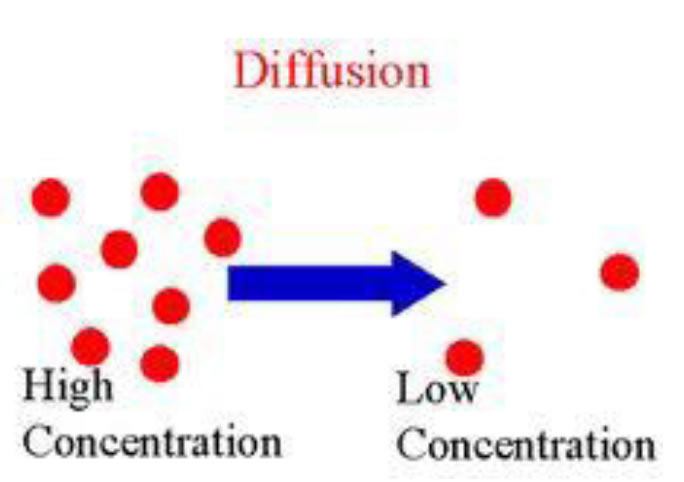
The movement of particles from an area of high to low concentration is known as--
Passive Transport
Active Transport
The movement of molecules from low to high is known as
simple diffusion
facilitated diffusion
active transport
osmosis
Which viral life cycle will cause symptoms in DAYS:


DNA is replicated during ______ of the cell cycle.
Gap 1
Synthesis (S phase)
Gap 2
Gap 0
How many chromosomes are in each human body cell?
46
23
1
48
What is the end result of mitosis?
2 identical body cells
2 gametes
2 zygotes
2 different body cells

Variations in DNA base sequences are called
mutations.
duplications.
replication.
none of the answers are correct
What mutation has occurred here?
T-G-A-C-C-A
T-G-A-G-C-A
Substitution
Deletion
Insertion
Frameshift
DNA molecule segment is : TTACGCAAG
The mutated DNA segment is TTCGCAAG. This is an example of ___ mutation.
Substitution
Deletion
Insertion
Inversion
If the diploid number of carrots is 18, the haploid number is
18
9
27
36
At the end of mitosis you have _____ cells.
identical
different
identical twins
variety
What is the primary cause of genetic variation during meiosis?
chromosomes lining up
"crossing over" of chromosomes
separation of chromosomes
chromosomes pulling apart

The diagram shows the process of crossing over. Which claim about crossing over in chromosomes is best supported by the diagram?
Crossing over increases genetic diversity through deletion.
Crossing over decreases genetic diversity through mutation.
Crossing over increases genetic diversity by creating new combinations of genes.
Crossing over decreases genetic diversity by inserting nucleotides into gene sequences.

CROSSING OVER INCREASES
LIFE SPAN
GENETIC VARIATION
THE NUMBER OF OFF-SPRING
ALL ARE TRUE


B = brown fur b = white fur
In the Punnett square, what is the probability for white fur?
0%
25%
50%
75%

The Himalayan rabbit’s habitat has cold, snowy winters and mild summers. The body is typically covered in white fur except for the nose, feet, tail, and ears, which are covered in black fur. A scientist shaved an area of white fur on the back of a Himalayan rabbit and placed an ice pack over the shaved area. The shaved area grew black fur. Which of these bests explains why the hair that grew back where the ice pack was placed was black and not white?
The genes for black hair were activated by specific temperatures.
The white hair mutated to black hair as the rabbit’s body temperature decreased.
The coat color changed from white to black with the age of the rabbit.
White hair only grows during certain times of the year.
In what process is mRNA synthesized?
Transcription
Translation
DNA Replication
Mitosis
Where does TRANSCRIPTION occur?
Nucleus
Ribosome
Cytoplasm
Mitochondria
TRANSCRIBE this DNA sequence: TACGTTACT
AUGCAAUGA
ATGCAATGA
AUGGATUGA
TACGTTACT
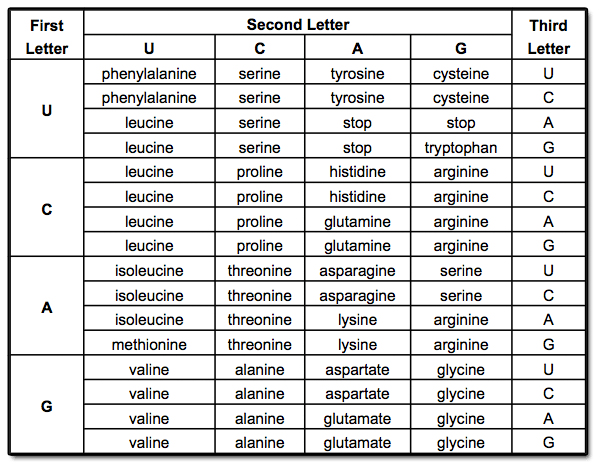
What amino acid is represented by the codon AUG?
Phenylalanine
Methionine
Leucine
Stop codon

What amino acid would be added to the protein being formed during translation if the mRNA codon reads "CCU?"
Isoleucine
Stop
Methionine
Proline
What is the correct amino acid sequence for the mRNA code AUG GCA AAC CGU
Met-Ala-Asn-Ala
Met-Ala (because the third codon codes for STOP)
Ileu-Ala-Asn-Ala
Met-Ala-Asn-Arg
Ileu-Ala-Asn-Ala
Clues about how organisms change over time is
mutations
biogeography
homologies
fossil record
a predessor that an organism shares with another organism
homology
common ancestor
mutation
fossil
comparing bone structure is a
fossil record
anatomical homology
developmental homology
molecular homology
species that show similar embryonic development
fossil record
anatomical homology
developmental homology
molecular homology

An organism identified with binomial nomenclature includes which two taxa?
class and order
family and genus
genus and species
kingdom and phylum


Which group of animals on this tree are most closely related to birds?
Saurischian dinosaurs
Ornithischian dinosaurs
Crocodiles
None of these are related to birds
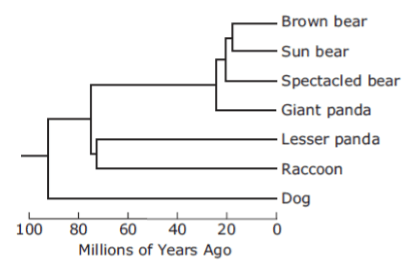
Who is the closest relative to the brown bear?
Giant panda
Dog
Lesser panda
Sun bear

Which organism is the most distantly related to all the others?
Raccoon
Dog
Giant Panda
Sun Bear
Which macromolecule has the function of quick energy?
Lipids
Carbohydrates
Protein
Nucleic Acids
Which macromolecule has the function of long term energy or energy storage
Nucleic Acids
Carbohydrates
Lipids
Protein
What are two factors that can affect an enzymes ability to function?
No changing
temperature and pH
night and day
hot and cold

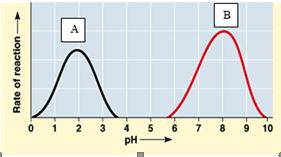
What is the optimal pH of enzyme A?
8
2
5.7-10
10
What is the optimal pH of enzyme B?
8
2
5.7-10
10
Chloroplast
Oxygen and Sugar
What are the reactants in cell respiration?
water, carbon dioxide, light
oxygen, sugar
sugar, water, carbon dioxide
What is the energy that is produced in cell respiration?
ADP
Sugar
ATP
What are the products of cell respiration?
water, light, and sugar
water, carbon dioxide, ATP
oxygen, water, sugar
Which set of Organs belongs to the Excretory System?
Heart, blood vessels
Trachea, larynx, pharynx, and lungs
Kidneys, urinary bladder
Brain, spinal column
Which set of organs belong to the Nervous System?
Heart, blood vessels
Kidneys, urinary bladder
Esophagus, stomach, intestines
Brain, spinal column
Which organs belong to the Circulatory System
Heart, blood vessels
Esophagus, stomach
Trachea, larynx, pharynx, lungs
Brain, spinal column
Which organs belong to the Respiratory System?
Bones, cartilage
Cardiac, smooth, skeletal
Trachea, larynx, pharynx, lungs
Kidneys, urinary bladder
What is the purpose of the Circulatory System?
Transports oxygen and nutrients
Removes extra water and wastes
Digests foods and absorbs nutrients
Collects, transfers and processes information
What is the purpose of the Skeletal System?
Transports oxygen and nutrients
Supports and protects the body, creates blood
Movement and heat production
Gas exchange in the body and lungs
Integumentary system includes:
(select all possible answers)
skin
nails
muscles
hair
theet

What is NOT a function of the root system?
Anchor the plant to the ground
Absorb water and nutrients
Store energy for example in potatoes or carrots
Create food for the plant through photosynthesis
What is a function of the root system?
Absorb Water
Absorb sun light
Reproduce
Take in carbon dioxide

The part of the plant
that is generally above the ground including stems, leaves, buds and reproductive structures
Stem System
Leaf system
Shoot system
Xylem

The part of the plant
that is generally
under the ground
and in the soil
Reproductive System
Transpiration
Shoot System
Root System
Primary succession occurs in areas with:
very little soil
lots of soil
no soil
soil that has been disturbed
What do we call the first species that colonize a new area?
Foreign Species
Pioneer Species
Intraspecies
Interspecies
Remoras are fish that swim alongside sharks, eating scraps that the sharks leave behind. This is an example of:
Amensalism
Commensalism
Parasitism
Mutualism
When a honeybee pollinates flowers, the bee gets access to nectar, while the flowers gain the chance to reproduce. This is an example of:
Amensalism
Commensalism
Parasitism
Mutualism
Which of the following is an example of a parasite?
A flea
An orchid
An Egyptian plover
The bacteria that live in human intestines
Mistletoe is a plant that grows in the branches of other plants. It grows by taking nutrients and water from these plants. This is an example of:
Mutualism
Commensalism
Parasitism
Amensalism


The food chain is--
The movement of water from the surface to the atmosphere.
The path of food energy from one organism to another.
The ranking of organisms by size in an ecosystem.
A list of food that consumers will eat in an ecosystem.
What type of organisms make their own food for energy?
Consumers
Decomposers
Producers
Predators

What is most likely the first thing to result from having fewer field mice in the food chain pictured here?
The snakes would have to find another food source.
The plants that make seeds would decrease in number.
The eagles would have to fly away to a location.
The mice would eat many more kinds of seeds.

Based on the food chain, what effect would be the most likely direct result of increasing the number of fish?
Beetles would have trouble finding food.
There would be more kinds of plants.
The population of beetles decreased.
Plants would no longer survive in this habitat.
What is the bottom layer of the an energy pyramid?
producer
tertiary consumer
Secondary consumer
primary consumer



