
 Worksheets
Properties of Matter Practice
Total questions: 144
Worksheet time: 2hrs 30mins

1. Solid and Liquid have definite shape and volume
true
false
maybe
i dont know
2. Gases flow easily because of the large spaces in between particles
true
false
maybe
i dont know
3. A liquid flows _____ because of the presence of large spaces in between particles
flow
slowly
hard
easily
4. Liquid have definite _____ even if the particles are not neatly arranged.
volume
shape
mass
speed
5. Particles of matter are in ____ motion
constant
unconstant
freely
rude
6. _____ particles do not flow easily because they are closely packed together and are found in fixed position
solid
liquid
gas
matter
7. Solid have ____density than liquid
lower
higher
slower
faster
8. Has low compressibility
solid and liquid
liquid ang gas
gas and solid
only solid
9. Has high compressibility
solid
liquid
gas
solid and gas
10. It is anything that occupy space and has mass
matter
substance
element
colloid
11. All matter is made up of ____ particles
tiny
huge
rock
circle
12. Solid has lower density than liquid
true
false
maybe
not sure

solid
liquid
gas

solid
liquid
gas

solid
liquid
gas

Identify each property of matter as either physical or chemical.
COLOR
physical intensive
physical extensive
chemical

Identify each property of matter as either physical or chemical.
TENDENCY TO RUST
physical intensive
physical extensive
chemical

Identify each property of matter as either physical or chemical.
BOILING POINT
physical intensive
physical extensive
chemical

Identify each property of matter as either physical or chemical.
DENSITY
physical intensive
physical extensive
chemical

Identify each property of matter as either physical or chemical.
MASS
physical intensive
physical extensive
chemical

Identify each property of matter as either physical or chemical.
ABILITY TO BURN
physical intensive
physical extensive
chemical

Identify each property of matter as either physical or chemical.
MALLEABILITY
physical intensive
physical extensive
chemical

Identify each property of matter as either physical or chemical.
LENGTH
physical intensive
physical extensive
chemical

Identify each property of matter as either physical or chemical.
VOLUME
physical intensive
physical extensive
chemical

Identify each property of matter as either physical or chemical.
MELTING POINT
physical intensive
physical extensive
chemical
Water freezing is an example of a.....
Liquid changing to a solid
Solid changing to a gas
Liquid changing to a gas
Mass is the amount of _______ an object takes up.
gas
atom
matter
All the liquid is poured into an empty container. Which property of the liquid changes?
Color
Odor
Shape
Oxygen and Helium are examples of _________.
solids
liquids
gases

The diagram below shows a block of wood. The block is a __________.
solid
liquid
gas

The block has a definite ____________.
all of these
odor
shape

The diagram below shows a glass containing some ice. The ice in the glass represents what state of matter?
solid
liquid
gas
Which property of an object can you identify using your sense of smell?
Color
Odor
Temperature
Which sense can best be used to describe the texture of an object?
Taste
Sight
Touch
Which property of an object can you identify using your sense of of sight?
Color
Odor
Temperature

A student placed three objects into a group based on physical characteristics. Which other object also belongs in the group?


Which of the following is an example of how a gas expands to fill the container it is in?
A toy box of sand
Helium inside of a balloon
A toy box full of toys
If you are sorting objects into groups based on color, which object would most likely belong together?
Broccoli and a pea
Ice cube and ice
A block, a toy car and a doll
Physical Properties are
chemical changes
are properties that can be observed without changing the matter's identity
are properties that can be observed that change the matter into new matter with new properties
True or False. States of matter are solids, liquids, and gasses
True
False
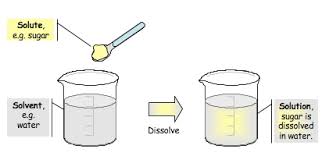
The ability of sugar to dissolve in water is called
malleability
Density
State
solubility
The amount of matter in a given space of volume
density
state
volume
mass

What is the least dense liquid in this container?
Honey
vegetable oil
lamp oil
water
Anything that has mass and takes up space
Matter
weight
volume
mass
Most physical changes are easily reversible. Hint - Is it easy to melt and freeze ice?
True
False
Which group of things will maintain their physical properties when mixed together?
Pebbles and Wood Chips
Pebbles, Powered soap and hot water
Which group of things will maintain their physical properties when mixed together?
copper wire, rubber ball and aluminum washer
Lemon juice, water and sugar
The mass of a rock is measured with a balance. The rock is then broken into many smaller pieces and the total mass of all the pieces is measured again. Which of the following sentences about the mass is TRUE?
The mass of the rock will be greater than the total mass of the smaller pieces.
The mass of the rock will be less than the total mass of the smaller pieces.
The mass of the rock will be same as the total mass of the smaller pieces.
The mass of the rock will not be the same as the total mass of the smaller pieces.
A glass marble and a piece of cork of the same shape and size are dropped in water. Which of the following explains correctly why the glass marble sinks while the cork piece floats on water?
The glass marble is denser than water while the cork is less dense than water.
The glass marble is less dense than water while the cork is denser than water.
The glass marble and the cork are both denser than water.
The glass marble and the cork are both less dense than water.
All of the following objects are attracted to magnets EXCEPT _________.
Iron nail
Plastic button
Steel scissors
Iron screw
Which of these objects is an insulator?
Copper Wire
Oven Mitt
Paper Clip
Soda Can

Which of the following best represents the three states of matter?
Picture A
Picture B
Picture C
Picture D

Identify which item below best completes the table.
Glass Window
Gold Ring
Paper Bag
Styrofoam Cup

Jennifer made a milkshake using 110g of ice cream, 250g of milk, and 10g of chocolate syrup. What is the total weight?
310g
350g
370g
385g
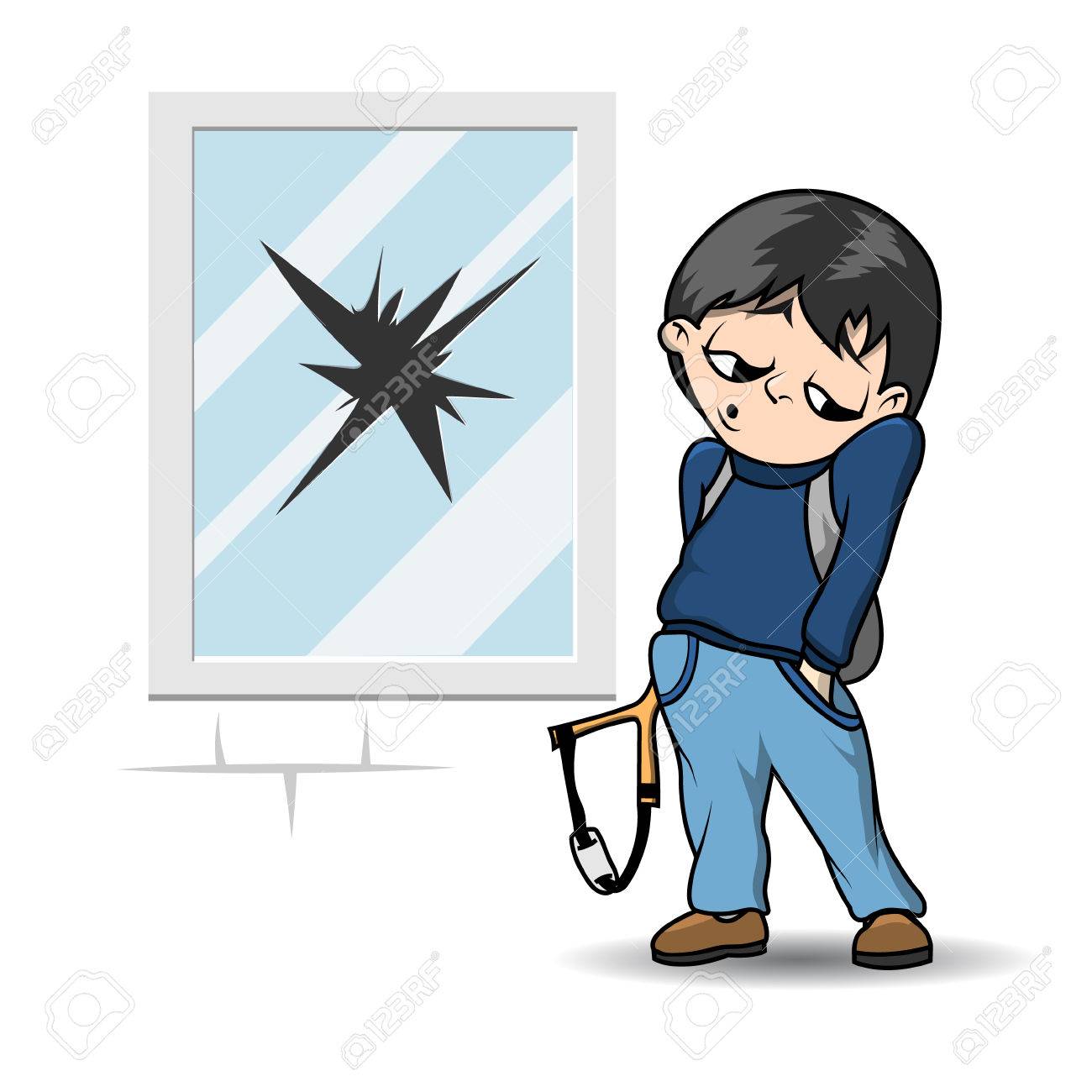
What kind of change is breaking a window?
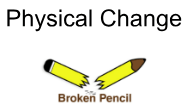
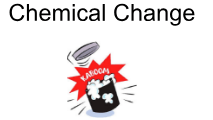

What kind of change is cutting paper?

What kind of change is exploding fireworks?
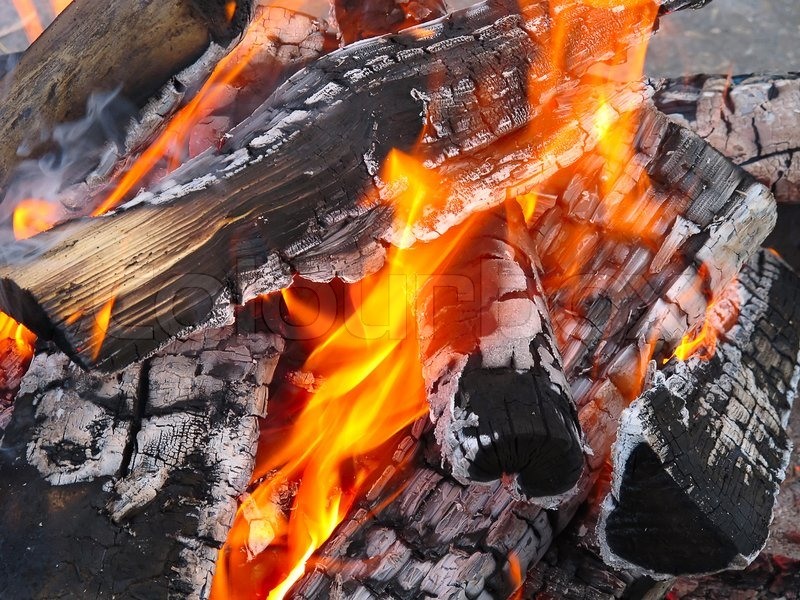
What kind of change is burning wood?

Grant cuts a one-pound cake into 8 slices. How much does the cake weigh after he cuts it?
1/4 pound
1/8 pound
1 pound
8 pounds
Metal rusting is an example of
a chemical change
physical change
neither physical or chemical change

Peggy makes a clay flower vase that weighs 5 lb. How much clay did she have to use?
5 lb
5.5 lb
6 lb
10 lb
In which of the following states of matter does a substance have a definite shape?
liquid
ion
solid
gas
Which of the following is NOT a physical change?
explosion of fireworks
drying of wet laundry
freezing of water
shattering of glass

Awa made vegetable soup using 10g of carrots, 25g of onions, 2g of potatoes, and 20g of water. What is the weight of the soup?
60g
20g
37g
57g
Burning paper is an example of
physical change
chemical change
neither physical or chemical change
What key words, when present in a question about chemical reactions, might indicate a chemical change is occuring? Check all that apply.
Bubbling
Fizzing
Dissolving
Evaporating
What are the three states of matter?
solid, liquid and gas
water, liquid gas
gas, dust, liquid
water, solid, ice

Mrs. Job does an experiment with 7 oz of vinegar and 4 oz of baking soda. The container weighs 5 oz. What is the weight?
10 oz
12 oz
16 oz
17 oz
sharpening a pencil
physical change
physical property
chemical change
chemical property
flammability of a substance
physical change
physical property
chemical change
chemical property
size of an object
physical change
physical property
chemical change
chemical property
inflating a tire
physical change
physical property
chemical change
chemical property
freezing point
physical change
physical property
chemical change
chemical property
corrosion (rusting) of a bicycle frame
physical change
physical property
chemical change
chemical property
fragrance of a flower
physical change
physical property
chemical change
chemical property
boiling water
physical change
physical property
chemical change
chemical property
a burning candle
physical change
physical property
chemical change
chemical property
oranges squeezed to make orange juice
physical change
physical property
chemical change
chemical property
a change in size, shape, or state of matter
physical change
physical property
chemical change
chemical property
a characteristic that indicates whether a substance can change to another substance
physical change
physical property
chemical change
chemical property
a change of one substance to another
physical change
physical property
chemical change
chemical property
a characteristic that can be observed without changing the substance
physical change
physical property
chemical change
chemical property
milk going sour
physical change
physical property
chemical change
chemical property


Which of the following describes a chemical property of a metal?
conducts electricity
reacts with acid
high melting point
attracted to a magnet
A 10 g sample of butter will melt at a temperature that is ____ the melting point of a 5 g sample of butter.
double
equal to
less than
triple
The melting and boiling points of a substance are independent of
rate of heat change
volume
mass
all of these

A streak test is used to identify minerals by looking at the color of the streak made by rubbing the mineral against a rough, uncolored ceramic or porcelain. The table presents the colors of several minerals as well as the streaks they make.
If a mineral is metallic gray and produces a red streak, what is the mineral?
amethyst
hematite
quartz
galena

Mya was given an unknown substance. It was a colorless liquid and she found the boiling point to be 79°C. The substance is most likely
ethanol
water
phosphoric acid
sodium hydroxide

A streak test is used to identify minerals by looking at the color of the streak made by rubbing the mineral against a rough, uncolored ceramic or porcelain. The table presents the colors of several minerals as well as the streaks they make.
Which of the following minerals can be told apart by their color without performing a streak test.
gold and pyrite
hematite and galena
quartz and amethyst
all of them

What is the identity of a sample that has a volume of 0.56 cm3 and a mass of 5.02 g?
iron
copper
aluminum
silver
All substances have characteristic properties. If one of these properties can be observed without changing the identity of the substance, it must be a
physical property
universal property
biological property
chemical property
Transmission fluid is a very thick oil that flows slowly. Transmission fluid is very ____.
malleable
elastic
brittle
viscous
Which of the following is a measure of a solid's ability to return to its original shape after stretching?
malleability
hardness
tensile strength
eleasticity
Below are the densities of three liquids.
A = 1.35 g/mL
B = 0.86 g/mL
C = 1.23 g/mL
If all three liquids were placed in the same container, what would be the proper order of their layering from bottom to top?
A, B, C
A, C, B
B, C, A
C, A, B
A rock climber wants a rope with great ____.
elasticity
hardness
tensile strength
density
When one observes the phase of matter of water, one observes a ____ property of matter.
geological
chemical
biological
physical
Greg has been given a small sample of metal. His teacher has assigned him the job of identifying the type of metal. Which of the following is a physical property that will help Greg to identify the metal most accurately?
density
ability to rust
ability to burn
color
Debbie was doing a science lab and she was instructed to decide whether a piece of plastic would float or sink without actually putting the plastic in the water. How could she do this?
This is not possible.
Find the volume of the plastic and compare it to the density of water.
Find the mass of the plastic and compare it to the mass of a beaker of water.
Find the density of the plastic and compare it to the density of the water.
When bridges are built, special joints must be used because the material of the bridge shrinks and without these joints, the material would break. Which of the following properties is described here?
thermal expansion
thermal decay
thermal contraction
thermal stasis

Marjorie is trying to determine the identity of an unknown substance. After running tests, she determines that the substance is insoluble in CCl4 with a density of 2.2 g/mL. Using the table, which of the following substances is most likely Marjorie's unknown?
NaCl
FeCl3
C10H8
SiO2
Silicone is a type of synthetic compound made of silicon, oxygen, and other elements. There are many different kinds of silicone. One kind is a liquid and is commonly used as a lubricant to reduce friction between moving parts. Unlike petroleum-based lubricants, silicone is nontoxic. However, silicone is more expensive than petroleum-based lubricants. Which of the following would silicone lubricants most likely be used for?
heavy construction machinery
door hinges
vehicle engines
food service equipment

Stainless steel is a synthetic material made of iron mixed with other elements. One common use of stainless steel is in forks and spoons used for eating. Other materials could also be used and the table list some properties of these materials. Which statement best explains why forks and spoons are most commonly made of stainless steel instead of the other materials listed?
Stainless steel is light and flexible.
Stainless steel can be formed into many shapes.
Stainless steel is abundant in nature.
Stainless steel is durable and inexpensive.
Polyurea is a synthetic material that is often used as a waterproof coating. Polyurea is useful because it is not reactive chemically. This means it does not break down easily. Considering this information, what is likely a negative impact of polyurea?
It damages materials that it comes in contact with.
If needs to be reapplied to surfaces frequently.
It has toxic effects on nearby wildlife.
It does not break down after it is disposed of.
Nylon is a synthetic material that has many uses. It is used in the production of machine parts, cookware, and fabric. Nylon is made from petroleum and natural gas.Suppose that there were a shortage of petroleum and natural gas. What would companies that produce nylon likely need to do?
Identify a different natural resource that nylon could be made from
Search for nylon in many different parts of the earth
Convert existing nylon back into petroleum and natural gas
Find a way to make nylon without using natural resources
Margarine is a synthetic material that is consumed as a food. The simplified chemical reaction shown below is used in the process of producing margarine. It shows that fats from plants and hydrogen (from water) are used to make a substance called hydrogenated oil.
oil compounds from plants + hydrogen → hydrogenated oil
Next, water is mixed with the hydrogenated oil and the semi-solid material margarine is the result.
Which of the following is a natural resource that is used to produce margarine? Select all that apply.
butter
hydrogenated oil
water
plants
Polyethylene is a common type of plastic. A student researches polyethylene and discovers that it is not found in nature. What can the student conclude about how polyethylene is made?
Humans must mine deep into the earth to reach areas where polyethylene can be found.
Humans carry out chemical reactions that convert natural resources to polyethylene.
Polyethylene is made from different elements than natural substances are made of.
Natural resources are converted to polyethylene only when natural hazards occur.
Aspirin is a medication used to reduce pain, fever, and inflammation. Pharmaceutical companies use salicylic acid and a few other ingredients in order to make aspirin. Salicylic acid can also be found in plants as it plays an important role in plant growth and development. Which of the following is true about the production of aspirin?
Aspirin can be converted into plant material.
Aspirin is a synthetic material.
Aspirin is a natural resource.
Aspirin and plant material have the same chemical properties.
What is an observation based on numbers
Qualitative
Physical
Chemical
Quantitative
Which of the following is a physical change?
Rotting Wood
Burning Food
Boiling Water
Baking a cake
Which of the following is an intensive physical change?
The mass of a substance
The density of a substance
The volume of the substance
The length of the substance
Which of the following is NOT an indicator of a chemical change?
Gas forms
Increase Temperature
A color change
All are indicators of a chemical change
A solid that forms when 2 liquids mix is called a _____
Participate
physcial change
Precipitiate
Snow or Ice
When measuring the amount of atoms, particles, molecules something contains, the units are what?
mL
cm cubed
g
g/mL
When measuring the volume of an irregular shaped object you would?
Use L x W x H
Use water displacement
Use a known mathematical equation
Use a ruler
The compactness of matter is known as what
mass
volume
temperature
density
Which is the most dense state of matter?
plasma
solid
gas
liquid
The ability for a liquid to be drawn up a narrow space against gravity is known as what?
capillary action
surface tension
cohesion
adhesion
The attractiveness of a molecule to itself is called what?
capillary action
surface tension
cohesion
adhesion
The attractiveness of a molecule to something else is called what?
capillary action
surface tension
cohesion
adhesion
The amount of heat it takes to raise the temperature of a substance by 1 degree celsius is known as ____.
temperature
energy
fahrenheit
specific heat capacity
What is the most abundant state of matter?
plasma
solid
gas
liquid
Which state of matter is definite volume but not shape?
plasma
solid
gas
liquid
Solid going to a gas is known as what?
diffusion
deposition
sublimation
melting
What state of matter occurs at the triple point in a phase diagram?
solid
liquid
gas
all 3 occur at the same time
What are the variable (x and y axis) for a phase diagram?
pressure and time
temperature and time
pressure and temperature
heat added and time
In a heating curve, when one state of matter exists the temperature remains the same.
TRUE
FALSE
At what temperature does absolute zero occur?
O C
273 K
-273 K
- 273 C
The hydrologic cycle is more commonly known as the _______ cycle.
hydrogen
carbon
water
atmospheric
What occurs when the atomosphere becomes over saturated with water?
evaporation
infiltration
precipitation
sublimation

