wayground logo

Free Printable Worksheets

Font size

S
M
L
XL
Worksheets

EVOLUTION AND FOSSILS

Total questions: 156

Worksheet time: 2hrs 47mins
Name
Class
Date
1.

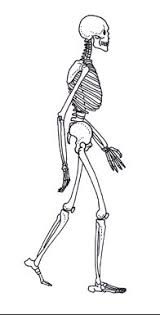
The ability to walk upright on two legs is called:

a)

bipedalism

b)

quadropedalism

c)

bicyclepedalism

d)

tripedalism

2.

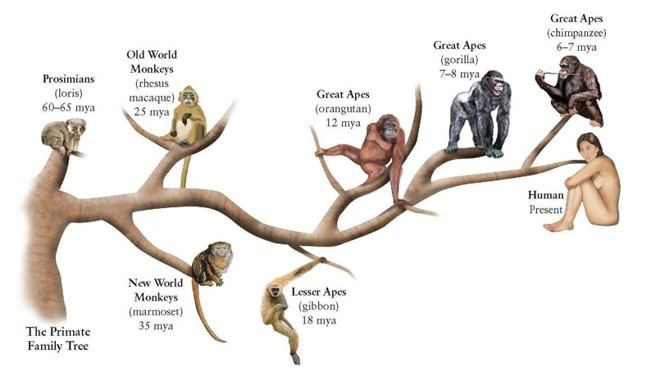
Who are the closest living relatives to humans?

a)

chimpanzees

b)

gorillas

c)

lemurs

d)

kangaroos

3.

What is the scientific name for modern day humans?

a)

Homo Habilis

b)

Homo Sapiens

c)

Homo Erectus

d)

Neanderthal

4.

What do we share in common with primates?

a)

Common Ancestors

b)

Humans evolved from monkeys

5.

When did human evolution take place?

a)

It started 6 million years ago.

b)

It started 5 million years ago.

c)

It started 4 million years ago.

d)

It started 3 million years ago.

6.

Related organisms have similar _______.

a)

Genetic Material

b)

Diet

c)

Behavioral Patterns

7.

Explain the consequences of bipedalism:

a)

Hands became free so opposable thumbs could not evolve. Thanks to this, hominids developed tools.

b)

Hands became free and allowed opposable thumbs to evolve. Thanks to this, hominids made tools.

c)

Hands became free and allowed opposable thumbs to evolve. Because of this, hominids could not make tools.

d)

Hands became free and allowed opposable thumbs to evolve. Thanks to this, hominids began to speak.

8.

All primates have the following features EXCEPT:

a)

large brains

b)

excellent vision

c)

grasping hands

d)

bipedalism

9.
a)
analogous structures
b)
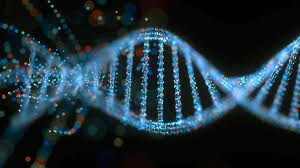
homologous structures
c)
vestigial structures
d)
none of the above
10.
The remnant of an organ that had a function in an early ancestor is known as a(n)
a)
vestigial structure
b)
analogous structure
c)
homologous structure
d)
fossil structure
11.
Survival of the Fittest and Evolution were proposed by what scientist?
a)
Charles Darwin
b)
Albert Einstein
c)
Steven Hawking
d)
Isaac Newton
12.
Where the better adapted organisms survive to pass traits along to offspring.
a)
Evolution
b)
Natural Selection
c)
Extinction
d)
Artifical Selection
13.
Study of embryos of various organisms to show a common ancestor because of similarities in development
a)
natural selection
b)
embryology
c)
speciation
d)
evolution
14.
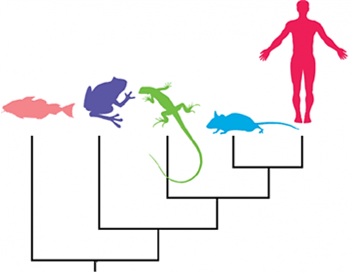
Which of the following organisms the kingdom animalia are not closely related?
a)
mouse and hagfish
b)
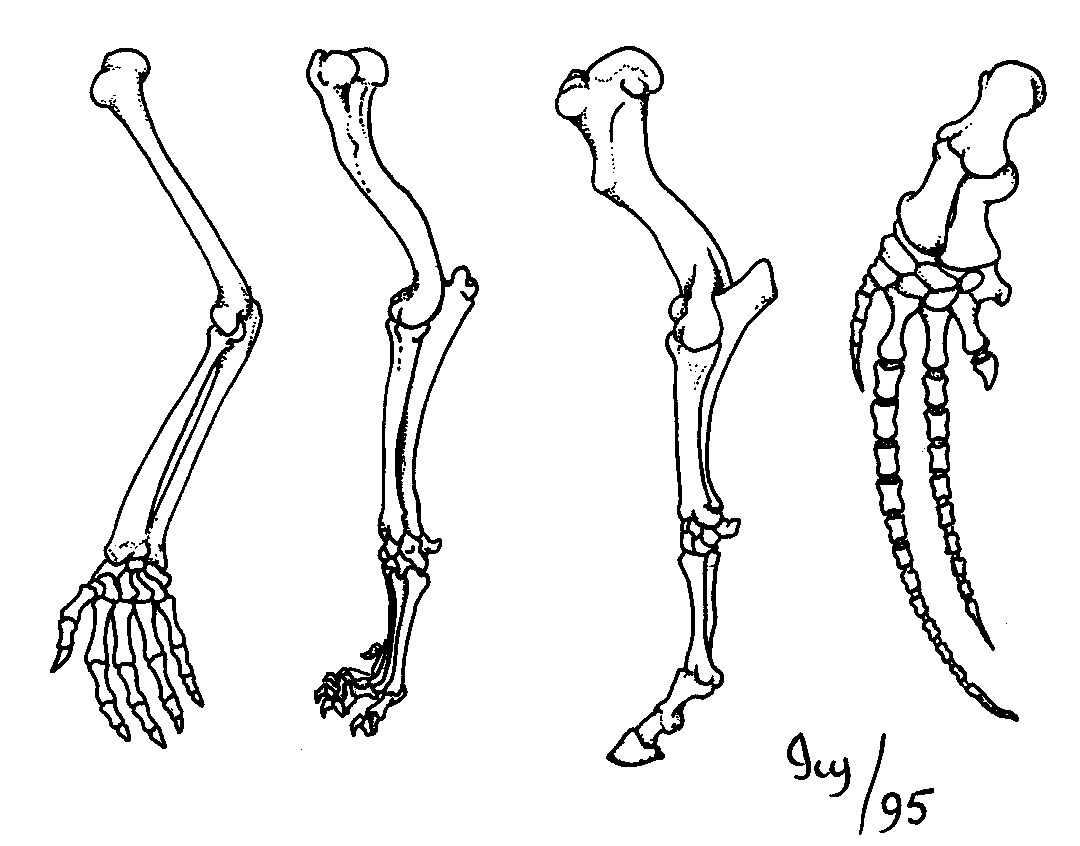
mouse and lizard
c)
mouse and pigeon
d)
mouse and chimp
15.
The diagram shows fossils in different rock layers. Which of these statements about the age of these fossils is most likely correct?
a)
Fossil A and C are the same age
b)
Fossil B is older than fossil C
c)
Fossils A is older than fossil B
d)
Fossil D is older than fossil C
16.
The diagram shows fossils in different rock layers. Which of these statements about the age of these fossils is most likely correct?
a)
Fossil A and C are the same age
b)
Fossil B is older than fossil C
c)
Fossils A is older than fossil B
d)
Fossil D is older than fossil C
17.

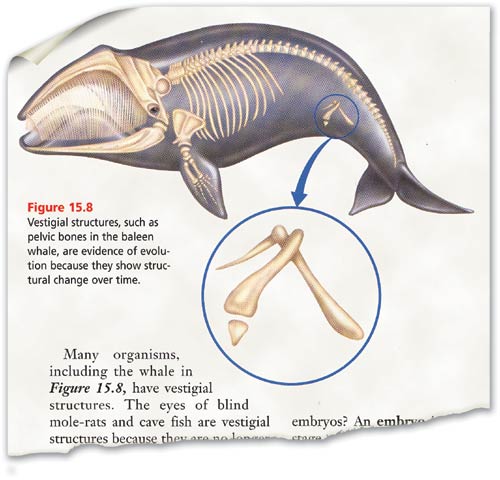
Whales are aquatic mammals that contain a pelvis (hip) bone. Even though it does not aid in its movement, the function must have been used by a common ancestor of the whale. Thus, the pelvis is referred to as a(n)

a)

vestigial structure

b)

analogous structure

c)

homologous structure

18.

What ship did Darwin conduct his famous research from?

a)

HMS Smeagol

b)

SS Minnow

c)

HMS Beagle

d)

RMS Titanic

19.

Which of these was NOT one of Darwin's major observations on his journey?

a)

species vary globally

b)

species vary locally

c)

species do not vary on the same continent

d)

species vary across time

20.

Darwin's finches had different _____ that always seemed to match their feeding habits

a)

beaks

b)

wings

c)

legs

d)

skulls

21.

Darwin found many ______ that seemed to be related to, yet different from, modern animals on earth

a)

bones

b)

fossils

c)

eggs

d)

footprints

22.

Darwin referred to selective breeding as:

a)

natural selection

b)

artificial selection

c)

inbreeding

d)

evolution

23.

Which of these is NOT one of the things that Darwin proposed was necessary for evolution to occur?

a)

imperfection

b)

struggle for survival

c)

variation and adaptation

d)

suvival of the fittest

24.

This term describes how well an organism can survive and reproduce in its given environment

a)

strength

b)

adaptability

c)

fitness

d)

aptitude

25.

This is the process by which organisms with variations more suited to their local environment survive and leave more offspring:

a)

artificial selection

b)

selective breeding

c)

common descent

d)

natural selection

26.

I am a (choose BEST answer)

a)

Fish

b)

Reptile

c)

Mammal

d)

ALL OF THESE!!!

27.

______ produces new traits

a)

evolution

b)

natural selection

c)

random mutation

d)

selective breeding

28.

This is when species change over time and separated species genetically drift from one another

a)

homologous structures

b)

descent with modification

c)

mutation

d)

fossil record gaps

29.

These homologous structures are remnants of evolution that are no longer actively being used by the organism that inherits them

a)

fossils

b)

embryos

c)

vestigial structures

d)

unwanted leftovers

30.

This person gets almost all of the credit for developing the theory of evolution:

a)

Charles Darwin

b)

Alfred Russel Wallace

c)

Neil Shubin

d)

Jennifer Doudna

31.

This is NOT a piece of evidence that serves to support evolution:

a)

common embryology

b)

homologous genes and structures

c)

vestigial structures

d)

variety of traits

32.

Which of these is a vestigial structure?

a)

flippers on a dolphin

b)

hair on a human

c)

legs on a horse

d)

hip bones in a whale

33.
Where the better adapted organisms survive to pass traits along to offspring.
a)
Evolution
b)
Natural Selection
c)
Extinction
d)
Artifical Selection
34.
Why are advantageous traits more likely to be passed onto offspring?
a)
Because they are more likely to survive and reproduce.
b)
Because they come from dominant alleles.
c)
Because they come from recessive alleles.
d)
Because the trait is an acquired phenotype.
35.
Natural selection is when ____________ decides who survives and who doesn't
a)
nature
b)
humans
c)
animals
d)
years
36.
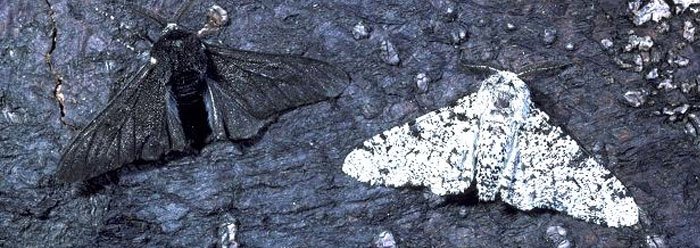
The trees these moths used to live on were white, but have been covered in soot from coal factories. Which moth will be more successful in this environment?
a)
Dark moth
b)
Light moth
c)
Both will be equally successful
d)
Neither will be successful
37.
Change over time
a)
Natural Selection
b)
Selective Breeding
c)
Homeostasis
d)
Evolution
38.
Which best describes mutations?
a)
Always helpful
b)
Always harmful
c)
Can be helpful or harmful
d)
Always neutral
39.
Structures with the same parts have different functions; suggests that organisms share a common ancestry
a)
vestigial structures
b)
homologous structures
c)
adaptive radiation
d)
fossil
40.
Study of embryos of various organisms to show a common ancestor because of similarities in development
a)
natural selection
b)
embryology
c)
speciation
d)
evolution
41.
The diagram shows fossils in different rock layers. Which of these statements about the age of these fossils is most likely correct?
a)
Fossil A and C are the same age
b)
Fossil B is older than fossil C
c)
Fossils A is older than fossil B
d)
Fossil D is older than fossil C
42.
What does Darwin's theory of evolution suggest?
a)
species change over time
b)
extinct species are not related to living species
c)
different species can interbreed
d)
animals that look alike are most closely related
43.
What type of structures are these?
a)
homologous
b)
vestigial 
c)
analogous
d)
fossil
44.
Which of these best represents a time period in which an organism could evolve?
a)
5 days
b)
100 years
c)
10,000 years
d)
2 decades
45.

Whales are aquatic mammals that contain a pelvis (hip) bone. Even though it does not aid in its movement, the function must have been used by a common ancestor of the whale. Thus, the pelvis is referred to as a(n)

a)

vestigial structure

b)

analogous structure

c)

homologous structure

46.
A theory has significant evidence to support it.  True or False
a)
True
b)
False
47.
The ability of an organism to survive and reproduce in its specific environment 
a)
diversity.
b)
evolution
c)
adaptation
d)
 fitness
48.
Where humans have bred organisms together based on traits we like.
a)
Evolution
b)
Natural Selection
c)
Extinction 
d)
Artificial Selection
49.
Genetic differences between organisms of the same species
a)
Variation
b)
Adaptation
c)
Behavior
d)
Environment
50.
The difference in the physical traits of an individual from those of other individuals in a group is called a(n)
a)
change
b)
adaption
c)
species
d)
variation
51.
The long and sharp beak of a woodpecker is an example of:
a)
Natural Selection
b)
Selective Breeding
52.
An error in DNA copying that results in a new trait
a)
Homeostasis
b)
Mutation
c)
Natural Selection
d)
Selective Breeding
53.
Change over time...
a)
Evolution
b)
Nucleotide 
54.

What do we call similar physical structures that show a relation to a common ancestor?

a)
absolute dating
b)
adaptations
c)
gradualism
d)
homologous structures
55.
The preserved remains or physical evidence of an organism that lived in the past are called...
a)
evolutionary features
b)
fossils
c)
mutations
d)
variations
56.
What does this picture model?
a)
DNA structure of the horse
b)
Evolution of the horse
c)
Extinction of the horse
d)

Singular trait of the horse

57.
a)
analogous structures
b)
homologous structures
c)
vestigial structures
d)
none of the above
58.
Vertebrate embryos pass through similar stages of development is evidence for
a)
use and disuse
b)
homologous structures
c)
common ancestry
d)
acquired characteristics
59.
Which of the following are examples of evidence for evolution?
a)

Fossils

b)

Body parts and Early Development

c)
Genetics/DNA
d)
All of the Above
60.
The diagram shows fossils in different rock layers. Which of these statements about the age of these fossils is most likely correct?
a)
Fossil A and C are the same age
b)
Fossil B is older than fossil C
c)
Fossils A is older than fossil B
d)
Fossil D is older than fossil C
61.

The fossil record help scientists

a)

better understand the kinds of organisms that lived in the past

b)

better understand how the environment has changed over time

c)

better understand how organisms have evolved over time

d)

all of the above

62.

Which of the following are homologous structures?

a)

whale flipper and bat wing

b)

legs on a beetle and legs on a cat

63.
Evolution occurs quickly (over short periods of time).
a)
True
b)
False
64.
This provides information about the history of life on earth and how organisms lived and evolved over time.
a)
fossil data
b)
fossil evidence
c)
fossil  record
d)
remains of fossil
65.

Evolution is a THEORY and is subject to change if new evidence is found.

a)

True

b)

False

66.

An ancestor is

a)

The change of organisms over a long period of time

b)

Organisms before birth

c)

An organism that other organisms come from

d)

Same bones that do different things

67.

What is a fossil made from?

a)

Leaves on the bones

b)

Rock, dirt, sand, mud on top of the bones

c)

Water and dead animals on the bones

d)

Nothing, it is just the bones.

68.

Scientists can SEE evolution happening

a)

True

b)

False

69.
Some female peacocks prefer males with large, colorful tales while other female peacocks prefer males with no tail at all. Females are beginning to only mate with the type of males with the tail they prefer. What type of reproductive barrier is this?
a)
behavioral isolation
b)
hybrid sterility 
c)
temporal isolation
d)
mechanical isolation 
70.
The flowers of pink tulips open in the morning, while the flowers of lavender tulips open in the early afternoon. The bees that pollinate these tulips cannot carry pollen back & forth between the two types of tulips because of their flowers being closed at different times of day. What type of reproductive barrier is this?
a)
behavioral isolation
b)
hybrid sterility 
c)
temporal isolation
d)
mechanical isolation 
71.
The term for the formation of new and distinct species over the course of evolution is...
a)
speciation
b)
biological species concept
c)
reproductive barrier
d)
natural selection
72.
In recent years "SuperBugs" (bacteria that aren't effected by antibiotics) are becoming more and more common. How could natural selection explain this?
a)
Superbugs survive antibiotics and reproduce
b)
Antibiotics cause bacteria to become superbugs
c)
We have always had the same amount of superbugs; modern media just discusses them more.
d)
There is no reliable data on the origin of super bugs.
73.
Which of these is an example of natural selection?
a)
The largest animal in a population will have more opportunities for reproduction.
b)
Several species of organisms work together so that they all succeed.
c)
One species takes all the resources in an environment leaving none for others.
d)
Organism that are best suited to an environment tend to survive and reproduce more often.
74.
Which of the following explains adaptation.
a)
An individual organism changes to meet its needs in the environment. These changes pass down to their offspring.
b)
The species as a whole changes their characteristics.
c)
Beneficial traits allow organism to survive and pass on those traits
d)
New characteristics arise in a species as needed.  If these traits are helpful, they are passed down.
75.
If an organism has a vestigial structure, that structure likely once had a function in a(n)
a)
close relative
b)
early ancestor
c)
unrelated organism
d)
embryological stage
76.
Which of the following is a term for a group of similar organisms that can reproduce fertile offspring?
a)
individual
b)
population
c)
species
d)
fossil
77.
Mutations are important because they bring about
a)
death of the organism in which they develop
b)
genetic variation needed for a population to evolve
c)
benefits for the individual, not for the population
d)
Hardey-Weinberg equilibrium within a population
78.
The diagram shows fossils in different rock layers. Which of these statements about the age of these fossils is most likely correct?
a)
Fossil A and C are the same age
b)
Fossil B is older than fossil C
c)
Fossils A is older than fossil B
d)
Fossil D is older than fossil C
79.
A change in the inherited characteristics of an organism over time is ________
a)
evolution.
b)
development.
c)
growth.
d)
ancestry.
80.
The most recent ancestral form or species from which two different species evolved is known as ________________________.
a)
a common ancestor.
b)
an embryonic stage.
c)
development.
d)
evolution.
81.
Common ancestry relates to evolution because
a)
evolution only happens when there are common ancestors.
b)
Common ancestors make evolution happen more quickly.
c)
evolution can never take place with common ancestors.
d)
the more two organisms have in common, the more recent is their common ancestor during their evolution.
82.
Which of the following pieces of evolution evidence deals with comparing similar structures in various species?
a)
fossil record
b)
comparing embryology
c)
comparing biochemistry
d)
comparing anatomy
83.
Humans, birds, whales, and lizards all have similar arm bones. What is the reason for this?
a)
The function of these bones is the same in all animals
b)
They live in similar environments
c)
They have a common ancestor
d)
All organisms resemble humans
84.

Does the presence of homologous structures in genetically different animals suggest common ancestry?

a)

Yes

b)

No

85.

What type of evidence are shown in the picture above?

a)

Fossils

b)

Embryology

c)

Homologous Structures

d)

Vestigial Structures

86.

_________________ show clear changes in an organism over time, the environment organisms lived in, the time period the organism lived in, and where the organism lived.

a)

DNA

b)

Vestigial structures

c)

Fossils

d)

Homologous structures

87.
The diagram shows fossils in different rock layers. Which of these statements about the age of these fossils is most likely correct?
a)
Fossil A and C are the same age
b)
Fossil B is older than fossil C
c)
Fossils A is older than fossil B
d)
Fossil D is older than fossil C
88.
A fossil of an extinct dinosaur is found and the anatomy of the fossil shows similarities to that of a bird. What could this mean?
a)
This is purely by chance and isn't significant
b)
The extinct dinosaur and modern bird share a common ancestor
c)
All dinosaurs evolved into birds and that's why there aren't any dinosaurs alive today
d)
Dinosaurs choose to fly, and evolved into birds to escape predation and capture food
89.

Recently, scientists have been able to use ___________to find common proteins and amino acids to determine how closely related species are.

a)

DNA

b)

Vestigial structures

c)

Fossils

d)

Homologous structures

90.

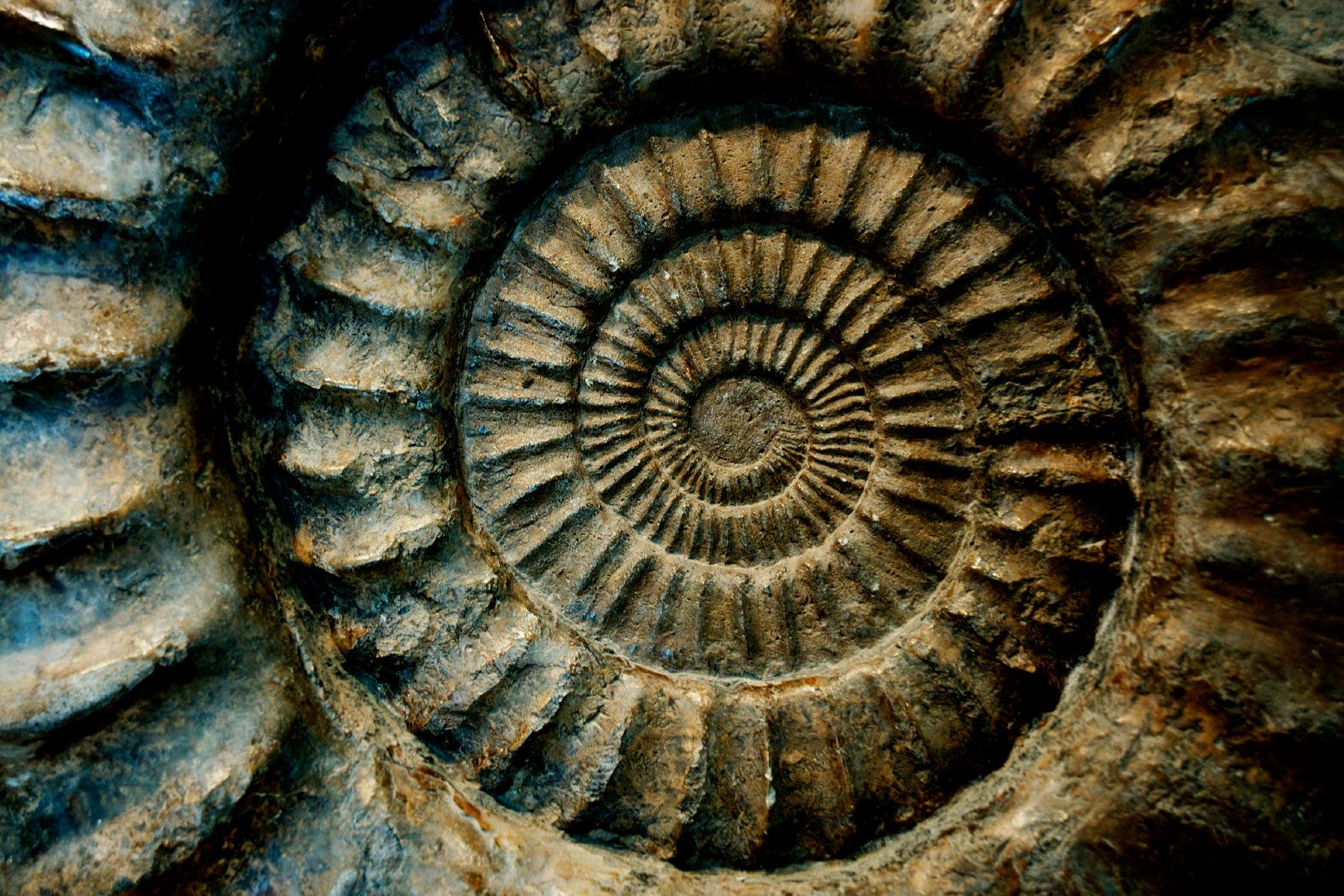
What type of evidence is shown in the image above?

a)

Fossils

b)

Vestigial structures

c)

Homologous Structures

d)

DNA

91.
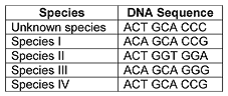
According to this data, the unknown bacterial species is most closely related to: 
a)
Species I
b)
Species II
c)
Species III
d)
Species IV
92.
Two organisms that are closely related would have
a)
very similar DNA sequence
b)
exactly the same DNA sequences
c)
no proteins in common
d)
completely different DNA sequence
93.

Which IS NOT used as evidence for evolution?

a)

Fossils

b)

Natural Selection

c)

Early Development/Embryos

d)

Body Structure/Anatomy

e)

DNA/Proteins

94.

Because whales have a pelvis and femurs, it shows whales are descended from an ancestor that was able to _____________________.

a)

walk

b)

sing

c)

swim

d)

polka

95.

A category of body structures that are formed in similar ways during embryonic development and share similar patterns of bone structure.

a)

Homologous structures

b)

Analogous structures

c)

Vestigial structures

d)

Bone structures

96.

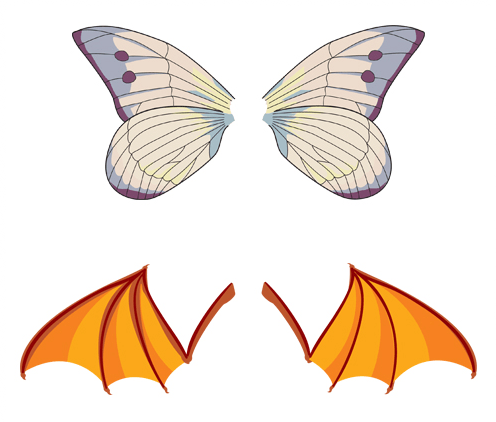
Select all that apply to the image displayed.

a)

Has wings

b)

Has feathers

c)

Has bones

d)

Can fly

e)

An example of analogous structures

97.

A type of structure that is physically present, but does not seem to serve a significant function for an organism.

a)

Homologous structure

b)

Analogous structure

c)

Vestigial structure

d)

Standard structure

98.

The appendix, tailbone, and wisdom teeth are all examples of what type of structure in humans?

a)

Homologous

b)

Analogous

c)

Vestigial

d)

Modern

99.

The hardened remains of a living thing that died long ago.

a)

fossil

b)

extinct

c)

endangered

d)

minerals

100.

Why are there more animal fossils than plant fossils?

a)

Animals are smaller than plants.

b)

Plants have harder bodies than animals.

c)

Plans have softer bodies than animals.

d)

Animals eat plants.

101.

Which type of fossil would look just like the body part of a once-living thing?

a)

mineral

b)

footprint

c)

cast

d)

petrified wood

102.

Which is an imprint fossil?

a)

bone

b)

a cast

c)

a trace fossil

d)

original remains

103.

Which type of rock are most fossils found?

a)

sedimentary rock

b)

metamorphic rock

c)

igneous rock

d)

fossils

104.

If a scientist found a fish fossil in the desert, what can they infer?

a)

An animal ate the fish.

b)

The water covered the area long ago.

c)

Today's fish looks the same

d)

The fish is endangered.

105.

What replaces the wood of a once-living thing to form petrified wood?

a)

amber

b)

cast

c)

mold

d)

minerals

106.

How can you make a mold of an ancient seashell?

a)

Press the seashell in model clay.

b)

Draw the seashell

c)

Press the seashell in model clay to make a mold then fill it in.

d)

Trace the seashell

107.

This type of fossil is tree sap hardened and replaced by minerals.

a)

Petrified wood

b)

Imprint

c)

Amber

d)

Mold

108.

If you know the age of a fossil, you know the relative age of the ________________ it was found inside.

a)

sticky tar

b)

rock

c)

amber

d)

ice

109.

Which of the following would be an example of absolute age?

a)

Fossil A is older than Fossil B

b)

Fossil A and Fossil B are the same age

c)

Fossil A is 10 million years old

110.
According to the law of superposition, which layer is the youngest?
a)
A
b)
B
c)
C
111.

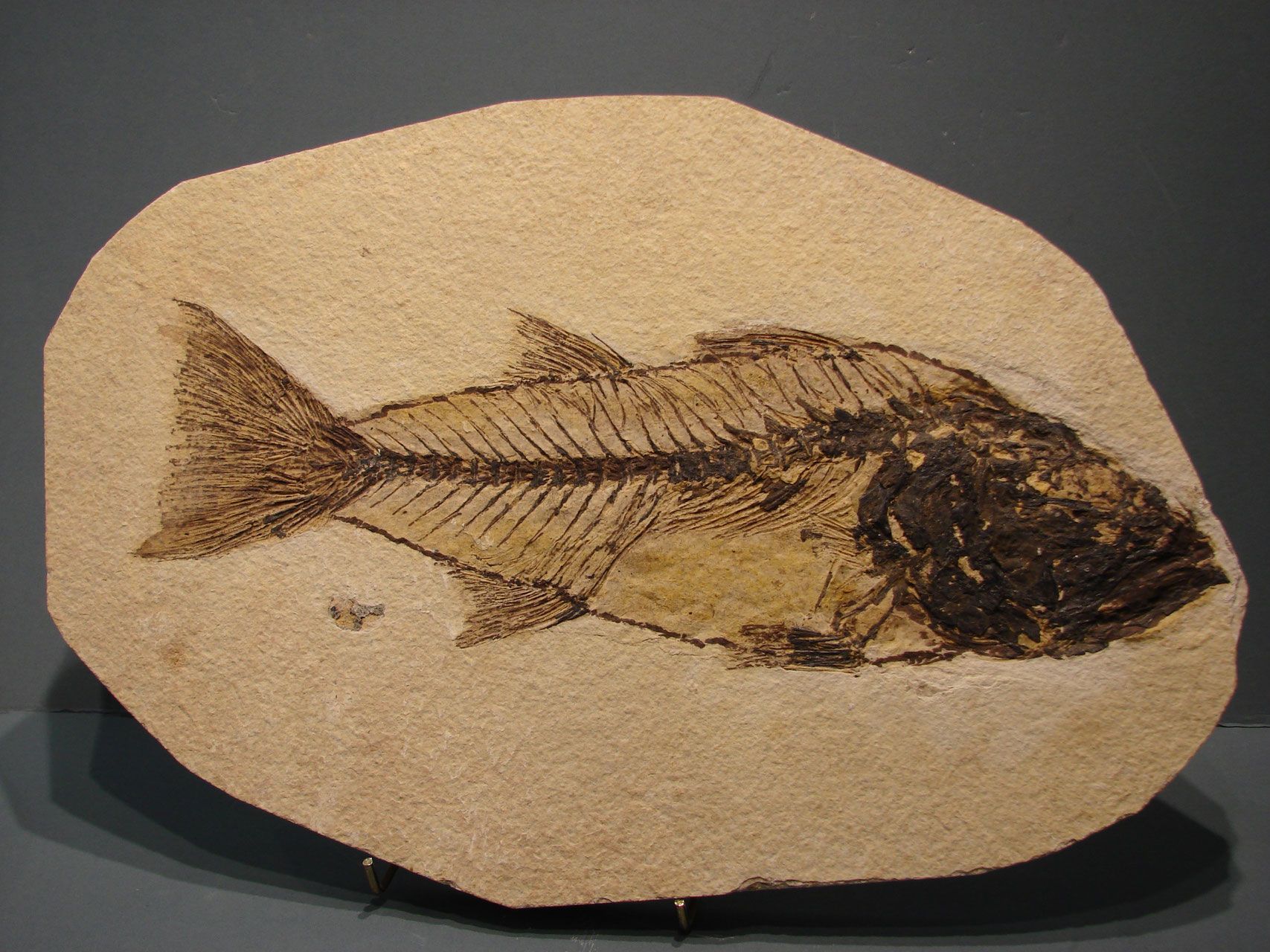
What type of fossil is pictured here?

a)

Mold fossil

b)

Trace fossil

c)

Cast fossil

d)

Body fossil

112.

What type of fossil is pictured here?

a)

Forest fossil

b)

Trace fossil

c)

Cast fossil

d)

Body fossil

113.

What type of fossil is pictured here?

a)

Mold fossil

b)

Trace fossil

c)

Cast fossil

d)

Body fossil

114.

Describes a group of living things that are no longer living.

a)

fossil

b)

extinct

c)

endangered

d)

dinosaur

115.

Which type of rock are most fossils found?

a)

sedimentary rock

b)

metamorphic rock

c)

igneous rock

d)

fossils

116.

If a scientist found a fish fossil in the desert, what can they infer?

a)

An animal ate the fish.

b)

The water covered the area long ago.

c)

Today's fish looks the same

d)

The fish is endangered.

117.

What replaces the wood of a once-living thing to form petrified wood?

a)

amber

b)

cast

c)

mold

d)

minerals

118.

Sometimes complete insects can be found preserved in hardened tree sap, called ___.

a)

Petrified wood

b)

Imprint

c)

Amber

d)

Mold

119.

If you know the age of a fossil, you know the relative age of the ________________ it was found inside.

a)

sticky tar

b)

rock

c)

amber

d)

ice

120.

Which of the following would be an example of absolute age?

a)

Fossil A is older than Fossil B

b)

Fossil A and Fossil B are the same age

c)

Fossil A is 10 million years old

121.
In what way can scientists determine the ages of fossils?
a)
relative dating
b)
radioactive dating
c)
law of superposition
d)
All of the above
122.

What are the oldest fossils and why?

a)

B, C- because they are closest to the top

b)

A, B- because they are closest to the bottom

c)

They are all the same age- because they are all found on layer 2

d)

A, B- because they are found closest to the top

123.

Which of the following can be learned by studying fossils?

a)

how or when organisms changed/evolved

b)

ancient climates and environments

c)

the age of the fossils or rock layer they were found in

d)

All the above

124.
How do fossils provide evidence that evolution has happened on Earth?
a)
Fossils show how the sizes of certain animals has changed drastically over millions of years
b)
Fossils show that some species have gone extinct
c)
Fossils show how life forms present today are different than those from the past
d)
Different sedimentary rock layers provide evidence for how the environment has changed over time
125.

Organisms D and C clearly lived in an aquatic (water) environment. Organism A does not look like it lived in the water. What is the most likely explanation for this?

a)

The fossil in layer A died on land and was carried to the water

b)

The fossils in layer C and D did not live in the same location as the fossil in layer A

c)

The environment changed over a long period of time. It used to be under water, but is not anymore

126.

A scientist finds footprints in a fossilized stream bed. This is a ________.

a)

carbon film

b)

mineral replacement

c)

cast fossil

d)

trace fossil

127.
Structures are similar in appearance but not in structure
a)
Vestigial 
b)
Homologous 
c)
Analogous Structures 
d)
Embryonic 
128.
Which layer is the youngest
a)
1
b)
2
c)
3
d)
4
129.

Which of the following is the collection of life's remains found in sedimentary rock?

a)

natural selection

b)

homologous structures

c)

Charles Darwin

d)

the fossil record

130.

Similar structures with different purposes found in different species are known as _____

a)

vestigial structures

b)

DNA

c)

homologous structures

d)

the fossil record

131.
The changes of species over time
a)
Embryonic 
b)
Natural selection 
c)
Mimicry 
d)
Evolution 
132.

The picture shows a/an ___________

a)

homologous structure

b)

vestigial structure

133.
The opossum and kangaroo both incubate their young in a pouch. This provides evidence that they---
a)
are descended from a common ancestor
b)
Have very similar skeletal structures
c)
belong to the same species
d)
must range great distances to eat
134.

What is this an example of?

a)

Homologous structure

b)

Analogous structure

c)

Vestigial organs

d)

Functional adaption

135.
Which of the following is an example of a vestigial structure?
a)
the wings of a red-tailed hawk
b)
the hind limbs of a house cat
c)
the fins of sharks
d)
the tailbone of a human
136.

All of the following are part of Hardy Weinberg law for populations in equilibirum EXCEPT

a)

Large population

b)

No immigration or emigration

c)

No natural selection

d)

Non random mating

e)

No genetic mutations

137.
Study of embryos of various organisms to show a common ancestor because of similarities in development
a)
natural selection
b)
embryology
c)
speciation
d)
evolution
138.
How do fossils provide evidence that evolution has happened on Earth?
a)
Fossils show how the sizes of certain animals has changed drastically over millions of years
b)
Fossils show that some species have gone extinct
c)
Fossils show how life forms present today are different than those from the past
d)
Different sedimentary rock layers provide evidence for how the environment has changed over time
139.
The diagram illustrates an embryonic stage of two organisms.

Which of the following can be determined by observing the embryos shown in the diagram
a)
The organisms share a common ancestry.
b)
The organisms belong to the same genus.
c)
The organisms are native to the same geographic areas.
d)
The organisms will grow into anatomically similar adults.
140.

What best describes the hind leg bones seen in the whale?

a)

The bones are analogous structures to the fins of living fish.

b)

The bones are vestigial structures that had a function in an ancestor.

c)

The bones are homologous structures to the wings of butterflies.

d)

The bones are fossil structures from an extinct ancestor.

141.

The formation of a new species is a process known as ___________________, which is typically the result of divergence.

a)

microevolution

b)

gradualism

c)

punctuated equilibrium

d)

speciation

142.

Which statement is correct about the evidence in this picture?

a)

similar bones indicate a similar diet

b)

similar bones indicate a similar habitat

c)

similar bones indicate a common ancestor

d)

similar bones indicate evolution happened quick

143.
Which layer is the youngest
a)
1
b)
2
c)
3
d)
4
144.
Which layer is the oldest
a)
B
b)
A
c)
E
d)
C
145.
The changes of species over time
a)
Embryonic 
b)
Natural selection 
c)
Mimicry 
d)
Evolution 
146.

The picture shows a/an ___________

a)

homologous structure

b)

vestigial structure

147.

What is this an example of?

a)

Homologous structure

b)

Analogous structure

c)

Vestigial organs

d)

Functional adaption

148.
If two organisms have similar traits of DNA they are probably
a)
share a common ancestor
b)
share a common environment
c)
share a common population
d)
speciation
149.
Which species’ DNA is most similar to the DNA of the toothed whale? 
a)
Hippopotamus 
b)
Baleen Whale
c)
Grazing Mammals
d)
Camels
150.
According to this data, the unknown bacterial species is most closely related to: 
a)
Species I
b)
Species II
c)
Species III
d)
Species IV
151.

Structures that are similar to function.

a)

Homologous

b)

Analogous

c)

Vestigial

d)

DNA

152.

According to this phylogenetic tree, which creature is the least related out of all pictured?

a)

Fish

b)

Frog

c)

Salamander

d)

Human

153.

What number is the common ancestor of C and D

a)

1

b)

2

c)

3

d)

4

154.

What is the common ancestor of Letters A, B, C, D, E?

a)

1

b)

2

c)

3

d)

4

155.

Which of these animals does not have/produce an amniotic egg?

a)

Turtle

b)

Leopard

c)

Lamprey

d)

All three of these animals produce the amniotic egg

156.

The lizard has all these derived characteristics EXCEPT

a)

Jaws

b)

Lungs

c)

Bipedal