
 Worksheets
adaptation in plant
Total questions: 91
Worksheet time: 1hrs 17mins

which part carries out photosynthesis in cactus ?
(a)

Which one is an insectivorous plant ?
venus fly trap
earth fly trap
sun fly trap
saturn fly trap
The stem are light and filled with air in floating plants.
false
true
Example of under water plants ?
hydrilla
lotus
lilly
banyan
Pine trees have (a) which contain seeds
Deciduous trees shed leaves in ?
cold
hot
none
both
What is an adaptation?
A feature that that helps only animals survive.
A feature that helps a living thing walk.
A feature that helps a living thing survive.
Why do leaves and stems have a waxy coating on them?
So animals don't eat them.
Helps to reduce water loss.
To make them look beautiful.
Plants that grow on land are called______
Aquatic
Terrestrial

What type of plant is this?
Aquatic
Terrestrial

Helps the plant to anchor to the soil and get water and nutrients.
Leaves
Stems
Roots
Odd shapes

Many plants have bright, sweet smelling flowers. How would this adaptation help the plant?
It warns away predators
It attracts bees and other pollinators
It helps the plant store water
It gives the plant shade.

Plant parts that use sunlight to make food
Roots
Flowers
Seeds
Leaves
Plant parts that absorb water and nutrients
Leaves
Roots
Hair
Stem

An adaptation that helps a cactus live in the desert is its
wide, flat leaves to catch water
bright green color
thin, spiny needles
tall stems
Ways plants adapt to thrive in the habitats where they live, is called?
Plant adaptation
Tree adaptation
flower adaptation
Plants need sunlight, water, air and nutrients to survive
True
False
Biological fitness is the ability to:
Survive
Reproduce
Die
Learn

What is one possible reason for seeds to have hooks or barbs?
to stay warm during the winter
to protect themselves from sunlight
to get attached to passing animals and get carried away
to stick to animals and steal nutrients from them
Which of the following adaptations best explains how pine trees are able to prevent water loss or damage from freezing temperatures?
Pine trees have thick bark
Pine cones produce seeds.
Pine tree roots go deep underground.
Pine needles are thin and have a wax coating.
How do plants adapt to the following environmental conditions?Harsh seasonal conditions
Plants will need to decrease transpiration to limit their water loss.
Change the position of leaves to avoid exposing whole surfaces to the sun
Leaves are thick and waxy so extra water can form beads and fall down to the plant's roots
By losing their leaves, flowering, or breaking dormancy.
Which of these are adaptations of Desert plants
green stem to carry out photosynthesis
Fleshy stem to store water
big green leaves
leaves converted to spine or thorns
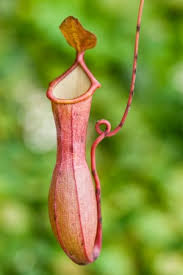
Identify the picture
sundew
Venus flytrap
pitcher plant
What are the functions of the roots? (Select two answers)
Absorbing Water and Minerals
Attracting Insects
Anchoring the Plant
Performing Photosynthesis
Making Nectar

What is the cell on the right of this image?
A xylem cell
A guard cell
A palisade cell
A root hair cell
What adaptations do roots have that help them absorb water and minerals?
They have a high surface area and lots of mitochondria
They are covered in water attracting chemicals
They have a low surface area with very few mitochondria
They have no chloroplasts
What does the Phloem transport?
Water and Minerals
Glucose
Blood
Chlorophyll

An adaptation that helps a cactus live in the desert is its
wide, flat leaves to catch water
bright green color
thin, spiny needles
tall stems

Desert plants have a coat of wax on their leaves to
keep water from escaping
protect them from animals eating them
absorb water from the air
release scent to attract animals
What is it called when a plant or animal has a trait that helps it survive in a specific environment?
instinct
mimicry
camouflage
adaptation

Which feature of a rose helps it grow without being eaten by animals?
flowers with bright colors
sharp thorns
small seeds
deep roots
Some grasses grow in hot dry areas. Why might they grow very deep roots?
to protect the plant from sun damage
to take in as much light as possible
to spread seeds to new places
to reach water that is underground
What is one reason that some plants have a strong scent?
to shed extra water off the plant
to take in nutrients from the soil
to attract animals to spread its pollen
to conserve water during dry periods

What is one possible reason for seeds to have hooks or barbs?
to stay warm during the winter
to protect themselves from sunlight
to get attached to passing animals and get carried away
to stick to animals and steal nutrients from them
A plant is adapted to a forest with little sunlight. Identify the BEST adaptation this plant might have to ensure its survival.
extremely long root system
thick, waxy, spike covered leaves
ability to attach to and grow upwards on taller trees
shallow root system near the surface

Water lilies live in lakes and ponds. The lilies have very long stems. The picture above shows a water lily in a pond. How do long stems help water lilies live in ponds?
They absorb food for the plant.
They absorb water from the pond.
They enable the pads and flower to reach sunlight.
They help the plants float away.

Why might some plants that grow on the shady rain forest floor have large leaves?
to stay safe from predators
to attract different animals
to survive harsh winters with heavy snowfall
to take in as much sunlight as possible

Water plants have ___________ stems that allow them to bend with the flow.
strong
flexible
unbendable
long

Some water plants, such as the cattail, have tall, strong stems so
they can move with the water
they can bend in the water
they can grow above the water
they can grow below the water
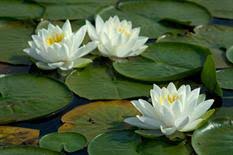
Water lilly is an example of which type of aquatic plants?
Free floating plant
Fixed plant
Submerged plant
Plants that grow in water
Terrestrial plants
Aquatic plants
Aerial plants
Plants that grow on land are called______
Aquatic
Terrestrial
Habitat
Mangrove
Plants growing in desert have their________ modified into spines.
stem
leaves
root
flower
Plants like __________ that trap insects are known as insectivorous plants.
lotus
cactus
pitcher plant
none of this
Places where soil is very sticky and clayey are called______________________.
marshes
deserts
plains
mountains
Which of the following plant has roots above the ground?
Mango
Neem
Lotus
Mangrove

Identify the plant
Pitcher plant
Venus flytrap
Coral root
Indian pipe
A lotus plant has
needle like leaves
Supple leaves
broad leaves
Spiny leaves
Which of the following is a parasite
Fungus
Cuscuta
Mushroom
Ferns

The leaves of these trees are (a) shaped so that snow slides off easily.
An adaptation that helps a cactus live in the desert is its
wide, flat leaves to catch water
bright green color
thin, spiny needles
tall stems
What is it called when a plant or animal has a trait that helps it survive in a specific environment?
instinct
mimicry
camouflage
adaptation
Which plant grows in marshes or swamps?
Coconut Tree
Mangroves
Cactus
Mango tree
Which of the following adaptations best explains how pine trees are able to prevent water loss or damage from freezing temperatures?
Pine trees have thick bark
Pine cones produce seeds.
Pine tree roots go deep underground.
Pine needles are thin and have a wax coating.
Plants that grow on land are called______
Aquatic
Terrestrial
Habitat
Mangrove
In cactus plants, photosynthesis occurs in (a) .
Give an Example of tree growing in Hilly Regions.
(a)
Give one example of a plant growing in Coastal areas.
(a)

How does this underwater plants breathe?
using lungs
through stomata
through air spaces in stem
through gills
How do plants float?
They are carried by animals
They are big
They have light spongy bodies filled with air

Most of the trees in the rainforest do not shed their leaves throughout the year. Hence they are called
Coniferous
Evergreen
Deciduous
mangroves
Give example of floating plants.
(a)
Give example of fixed plants
(a)
What is it called when a plant or animal has a trait that helps it survive in a specific environment? [TP2]
instinct
mimicry
camouflage
adaptation
Leaves of underwater plants do not have stomata. One example of such a plant is....[TP1]
Lotus
Hyacinth
Hydrilla
Water lettuce
Adaptive features of LEAF of LOTUS plant: [TP1]
Waxy layer to protect it from rotting in water
Stomata on the top surface of the leaf
Broad leaves to help it float
All of the above
This plants are plants that live in a habitat that is hot and dry with minimum presence of water [TP1]
Halophytes
Hydrophytes
Xerophytes
Mesophytes
Why don't STEMS of aquatic plants get damage by water? [TP2]
Because they are woody
Because they are flexible and light weight
Because they have thorns
Because they have cones

Identify the plant and state what kind of aquatic plant is it: [TP2]
lotus, Fixed plant
Hydrilla, underwater plant
Water lettuce/pistia,Floating plant
Which of the following is correct to describe mesophytes [TP1]
Plants that live in a habitat that is not too dry nor too wet with an adequate supply of water
Plants that live in swampy habitats at the river mouth, the meeting point of fresh water and seawater
Plants that live in aquatic habitats, either on the water surface or submerged in the water
Plants that live in a habitat that is hot and dry with a minimum presence of water, that is, a place with very high temperature
Which is the correct answer to describe the adaptation of A mangrove tree? [TP2]
Leaves have cuticle and sunken stomate to reduce the rate of transpiration
Leaves are succulent leaves to store water
Has breathing roots for gaseous exchange
All of the above

Which of the following is correct to describe the plant in the picture? [[TP2]
Plant roots are fibrous roots
Plant roots grow widely and can penetrate deep into the soil
Plant roots have pores called lenticels
Plants have tap root
Which of these are adaptations of Desert plants [TP1]
green stem to carry out photosynthesis
Fleshy stem to store water
big green leaves
leaves converted to spine or thorns
How does this underwater plants breathe? [TP3]
using lungs
through stomata
through air spaces in stem
through gills
How do plants float? [TP2]
They are carried by animals
They are big
They have light spongy bodies filled with air
Which is the correct answer to describe the adaptation of halophytes?
Leaves have cuticle and sunken stomate to reduce the rate of transpiration
Leaves are succulent leaves to store water
Has breathing roots for gaseous exchange
All of the above
The leaves of these trees are (a) shaped so that snow slides off easily.

Abhi observed a plant and noticed the following characteristics:
(i) It has lots of branches and Leaves
(ii) It can with stand summer heat
(iii) It sheds its leaves in the autumn
But he is confused to identify what kind of plant it is. Can you help him?
(a)
An adaptation that helps a cactus live in the desert is its
wide, flat leaves to catch water
bright green color
thin, spiny needles
tall stems
What is it called when a plant or animal has a trait that helps it survive in a specific environment?
instinct
mimicry
camouflage
adaptation
Which of the following adaptations best explains how pine trees are able to prevent water loss or damage from freezing temperatures?
Pine trees have thick bark
Pine cones produce seeds.
Pine tree roots go deep underground.
Pine needles are thin and have a wax coating.
Plants that grow on land are called______
Aquatic
Terrestrial
Habitat
Mangrove
Sheesham and mango trees grow in the _______
Coastal area
desert
plains
swamps
In cactus plants, photosynthesis occurs in (a) .
Give an Example of tree growing in Hilly Regions.
(a)
Give one example of a plant growing in Coastal areas.
(a)

