
 Worksheets
Ch. 5 Review on Matter
Total questions: 103
Worksheet time: 2hrs 54mins

Sublimation is the process of a physical change of_______________
example: dry ice (carbon dioxide solid going to a carbon dioxide gas)
a gas going to a liquid
a solid going to a gas
a liquid going to a solid
a gas going to a solid

What state of matter is represented in this picture?
solid
liquid
gas

What state of matter is represented in the picture above?
solid
liquid
gas

Which state of matter do the particles slip and slide past each other?
solid
liquid
gas

The amount of matter in an object is a measure of the object's ________________.
volume
density
mass
solubility

Which of the following is NOT an example of matter?
air
heat
rocks
water

What is matter?
Anything that takes up space
Anything that has mass
Anything that has mass and takes up space
Anything that has energy

The state of matter in which a substance has a definite volume but no definite shape.
gas
liquid
solid
matter

The state of matter in which a substance has a definite shape and definite volume.
solid
gas
atom
liquid

The state of matter in which a substance does not have a definite shape or volume.
element
compound
gas
liquid

The particles in a solid ______.
make the ants come looking for candy in our class
are tightly packed and vibrate in place
move freely and have lots of energy
are loose and have high energy

The particles in a liquid __________.
are loose and allow particles to slip past each other
are tightly packed and have very little energy
move freely and have lots of energy
don't move because they are very low energy

The particles in a gas __________.
feed the roaches in our class
are tightly packed and have very little energy
have a lot of space between them and have lots of energy due to the weak attractive forces between the particles
are loose and have high energy

The 3 common states of matter on Earth are ___, ____, ____.
Idaho, Texas, and Florida
Matter, Mass, and Weight
Solids, Liquids, and Gas
Oil, Propane, and Coal

___________ is the most common state of matter in space.
solid
gas
plasma
liquid

An unusual state of matter called plasma can be found on Earth in ___________________ and in space in stars.
oceans
lightning strikes
cold caves
bones

Which state(s) of matter change shape when moved to a different container? Select al that are correct.
solid
liquid
gas

Which state of matter is made up of particles called atoms? Select all that are correct.
solid
liquid
gas
plasma
light

Particles move in straight lines until they __________ with other particles.
collide
dance

When your classmate copies an experiment that you have already conducted it is called _____
restitution
replication
repetition
cheating

When you repeat your experimental procedures for multiple test trials, this is called _______
replication
restitution
repetition
recognition

What can you conclude from the fact that scientists continue to update the atomic model?
it was not liked any more
new information about atoms continues to be discovered
it got too old for the new scientists
students could not understand it

Empirical evidence is the data and observations that scientific explanation can be based on.
false
true

The observations and data on which a scientific explanation can be based is called ___________________
empirical evidence
pseudo-science
theories
an hypothesis

What could be the economic benefits of going back to the moon?
drilling for oil and sending it back to Earth
discovering new animals to sell to zoos.
mining minerals and precious metals found in the moon's crust
uncovering the old coins left behind by the first space pirates

What do x-rays, visible light, gamma rays, and radio waves have in common?
They are all types of electromagnetic radiation
They all have the same frequency
They all have the same wavelength
They all are extremely dangerous

Which property explains why copper is often used in electric wiring?
density
mass
volume
conductivity

If the formula for density is mass/volume then what is the density of an element that has a mass of 8 g and volume of 2 ml?
4 g/cm3
3 g/cm3
40 g/cm3
30 g/cm3

True or False: Mass and weight are the same thing.
True
False

True or False: Mass is the amount of matter in an object.
True
False

True or False: A balance measures an objects mass.
True
False

True or False: Weight depends on the location of an object, mass does not.
True
False

Which force is measured when using a scale to measure weight?
magnetic
the be with you force
gravity
electric force

Which below is a physical property of matter?
flammability
combustibility
reactivity
solubility

Which below is NOT a chemical property of matter?
reactivity
flammability
combustibility
state of matter

Any characteristic of matter that you can observe without changing the identity of the substances that make it up is a ___________
great force
physical property
chemical property
state of matter

The ability or inability of a substance to combine with or change into one or more new substances is called a ____________
physical property of matter
chemical property of matter
state of matter
it doesn't matter

Which of the following is an example of reactivity of matter?
liquids changing to gas
iron turning to rust
the solubility of salt in water
the color of your hair

True or False: Both physical and chemical properties of matter are useful for classifying matter.
False
True

True or False: Density is the amount of matter in an object.
True
False

Which are physical properties of matter?
mass
conductivity
volume
boiling/melting point
all of these

Density is expressed as ____________
mass/weight
weight/volume
volume/mass
mass/volume

Which of the following are NOT physical properties of matter?
density
solubility
magnetism
reactivity
True or False: Using the physical and chemical properties of a substance can help identify the substance.
True
False

True or False: If you take an object from Earth and place it on the moon, its weight will change.
True
False

True or False: If you take an object from Earth and place it on the moon, its mass will change.
True
False

True or False: If you take an object from Earth and place it on the moon, its density will not change.
true
false

True or False:
The mass of a small paper clip is less than 1 gram
False
True

On _______________, weight is equal to mass.
Mars
the moon
Earth
Pluto

Which of the following is the best measurement for the mass of a small toy car.
31 g
0.7 g
8.5 g
116 g

What physical property of matter do you get when you divide the mass of an object by its volume?
temperature
density
boiling point
conductivity

What kind of properties can only be observed when substances change into different substances such as when baking soda mixes with vinegar?
physical properties
chemical properties
pseudo-science properties
vacation properties

Which type of property is conductivity, the ability to conduct electricity?
physical property
chemical property
reaction property
rental property

Select the example of a physical property
magnetism
reactivity with oxygen
flammability
rust

Properties that can be observed without changing the identity of the substance are __________ properties.
physical
chemical
magical

Select an example for a physical property change to matter.
density changes from 2.5 g/cm3 to 14 g/cm3
burns in air to change to water vapor and ash
reacting with water to create hydrogen gas
iron beams turn to rust

Select an example of a chemical property change.
a wall is painted to change its color
the volume of water in a graduated cylinder is increased
a non-toxic liquid changes to a toxic liquid
the solubility of salt in water speeds up when the water is stirred

Select an example for a physical property change in matter.
iron reacts with oxygen to form rust
hydrogen combusts when it comes in contact with flames
paper burns when exposed to an open flame
the mass of paper changes when it is torn into tiny pieces

Select an example for a physical property.
melting point
flammability
reactivity
combustion

Select an example for a chemical property.
density
texture
combustion
weight

Select an example of a physical property.
reactivity
state of matter
combustion
ability to burn

Solubility is ___________.
the rate that water can evaporate
ability of a metal to bend
shininess of an object
amount of solute that can be dissolved into a solvent
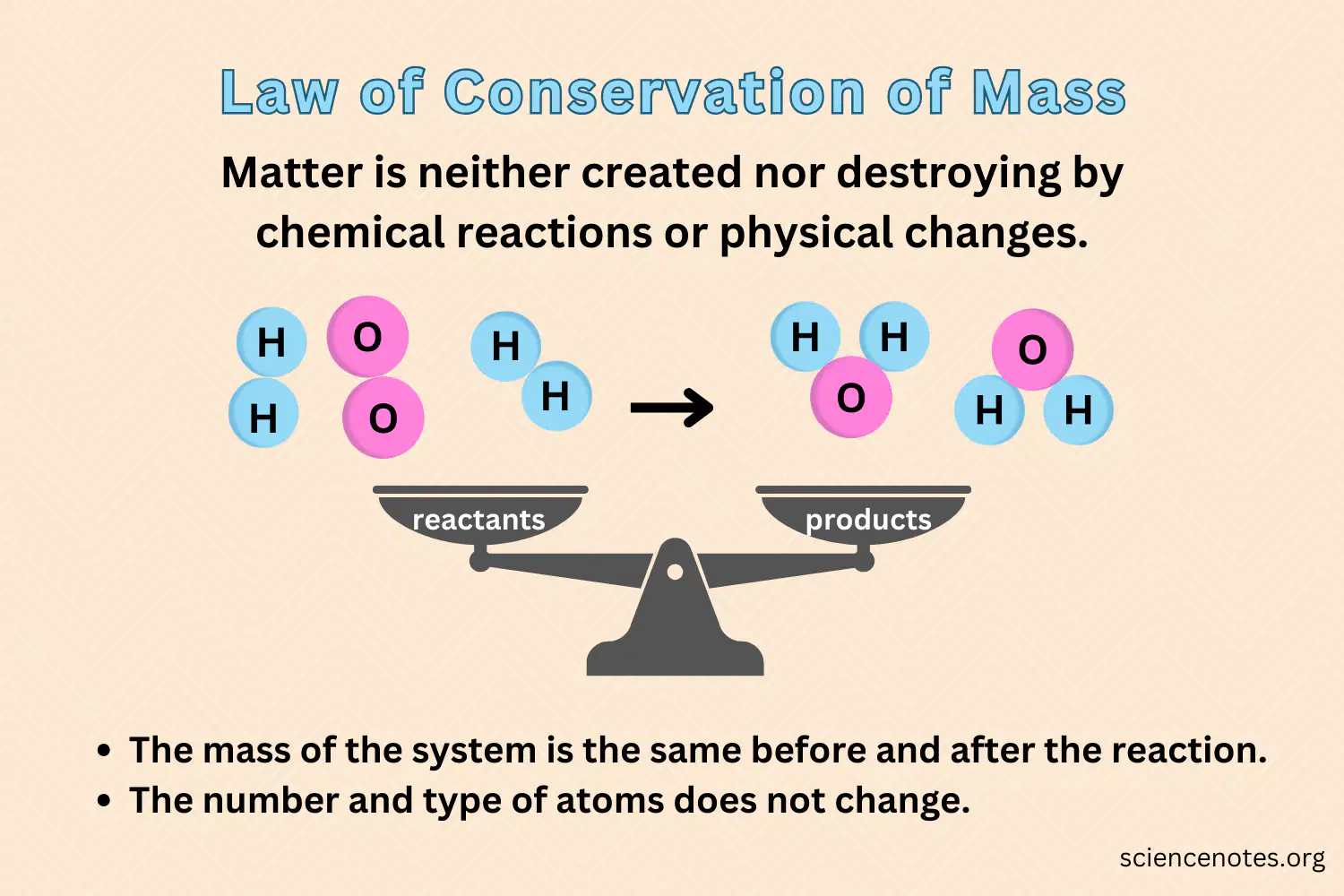
The law of conservation of mass is true for
Physical Changes
Chemical Changes
Neither
Both
What does the law of conservation of mass mean?
The total mass before a chemical reaction or physical change is more than after the change or reaction
Matter is not created or destroyed in a physical change or chemical reaction and has the same mass before and after the reaction or change.
The total mass before a reaction is less than the products after the reaction
Can the mass of matter be created or destroyed?
Yes, it can be created.
Yes, it can be destroyed.
No, mass is always conserved
None of these
The mass after a physical change, such as ice melting into water, stays the same before, during, and after the change.
True
False
The total amount of mass (atoms) before and after a chemical reaction (change), remains the same.
True
False

What is the Law of Conservation of Mass?
a very important law in Florida for anyone over 18 years old
a scientific hypothesis
a series of steps to follow in an experiment
a repeated observation in the natural world that the mass of matter is the same before, during, and after a change takes place in the matter.

On Earth, what will weigh more when a chemical change is complete? The reactants before the chemical reaction, or the product after the reaction is complete?
They both will weigh the same
The product always weighs more than the reactant
The reactant will weigh more than the product
They both will loose mass after the reaction
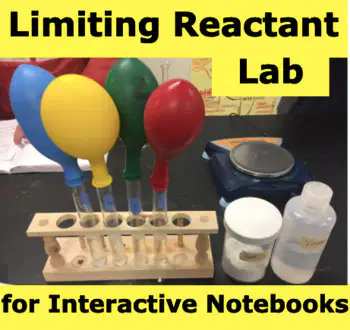
Suppose a reaction were to happen in an open container in a lab. During the reaction, the scientist observes the chemicals bubble, and produce a gas. During the analysis the scientist notices that before the reaction it weighed 20 g when he started, and after the reaction the product weighed 18 g. Explain what happened.
His chemical reaction defied the law of conservation of mass
The product destroyed mass during the reaction
The reactants created matter during the reaction
The gas that was produced was not able to be weighed since the container was open and it escaped into the air.

Because a gas may have a mass that is very small when produced in a reaction they do not have to be accounted for and measured.
True
False

The law of conservation of mass is true for ________________
only reactions in an open system in space
only reactions in a closed system on Earth
reactions in both an open and closed system anywhere in the known Universe
reactions that are action-based on Earth
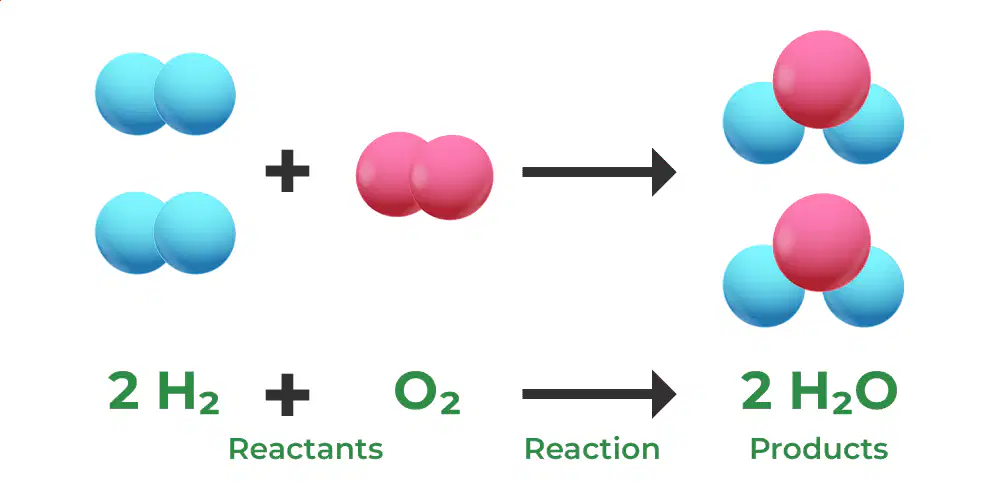
In a reaction A + B ----> AB, reactant A has 5 grams and product AB has 10 grams. How many grams does reactant B have?
5g
700 g
9 g
104 g
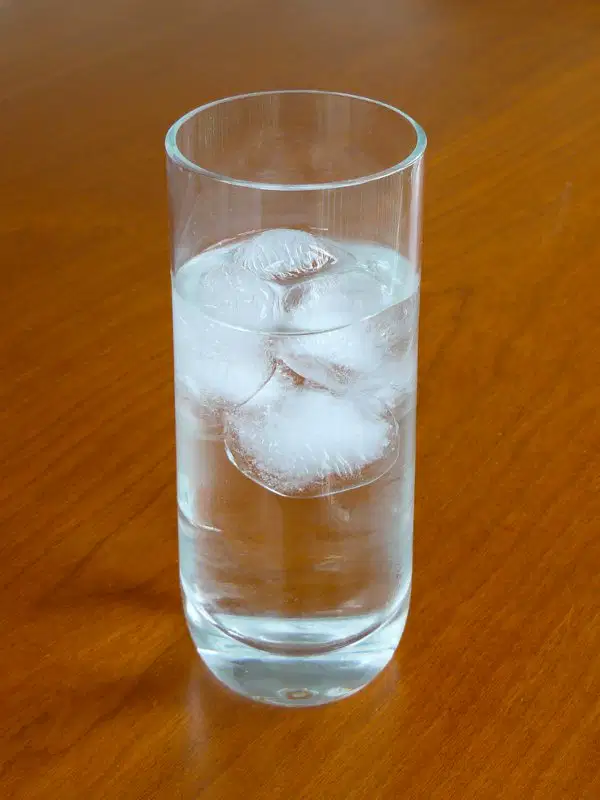
Bob puts 200 grams of ice into a pitcher with 1000 grams of water. He gets distracted and comes back later to find that the ice has melted in the water. How many grams of water does Bob now have in the pitcher?
200 g
700 g
1,200 g
5,500 g
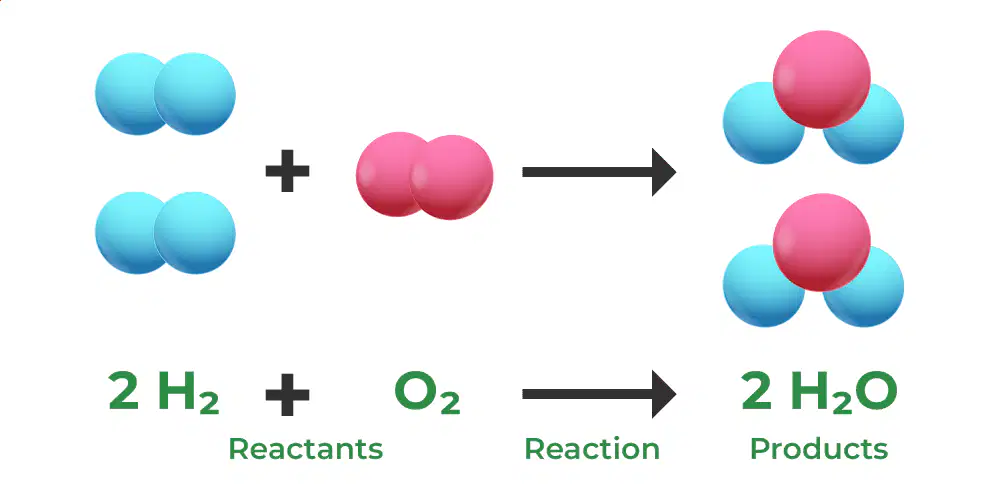
What does the law of conservation of mass state?
The amount of matter changes when reacted or changed.
The mass of all reactants are changed during a physical or chemical change.
The mass at the beginning of a reaction equals the mass at the end of the reaction.
The mass of the products is different than the mass of the reactants.

How much mass does a 5 gram Hershey's kiss have after it is melted in the microwave?
5 grams
3 grams
7 grams
1 gram

Which type of system allows matter to flow freely in and out.
Closed System
Open System
Solid System
Balloon System

A test tube filled with 10 ml of vinegar in it that has a balloon with baking soda in it attached to the top of the test tube, is what type of system?
Closed System
Open System
Plasma System
Chemical System

What is the definition of chemical reaction?
the physical change when input reacts chemically to create a chemical
a system where none of the reactants or products are allowed to escape
a chemical change when the atoms and molecules of two or more substances rearrange to form new substances
the end of an experiment
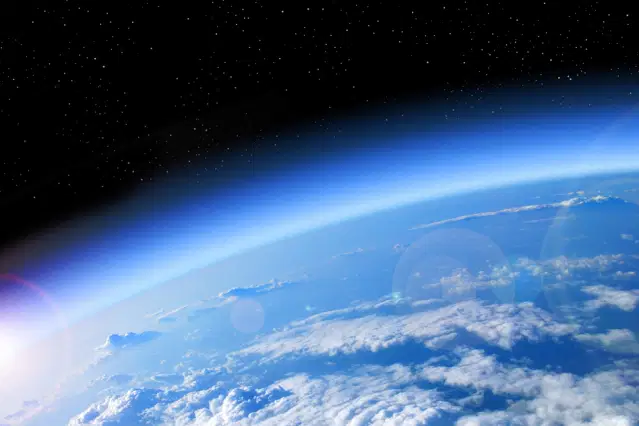
Which below could the mass of a person that weighs 51 kg while on Earth?
51 kilograms
31 pounds
79 grams
90 pounds
The amount of matter in an object is a measure of the object's ________________.
volume
density
mass
solubility
Which of the following is NOT an example of matter?
air
heat
rocks
water
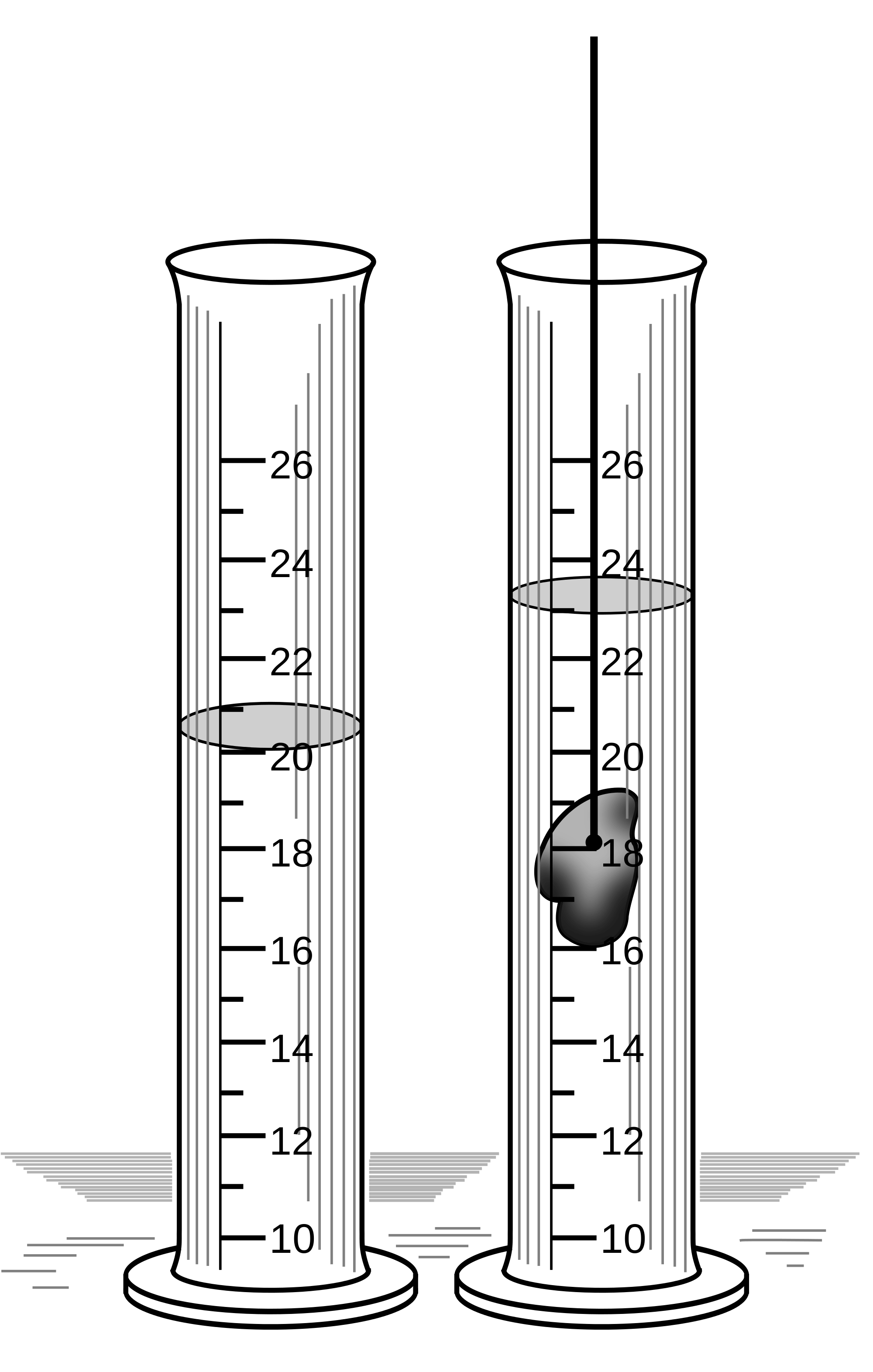
Which formula listed below correctly finds density?
D=v/m
D=m/v
D=g/v3
D=g/v
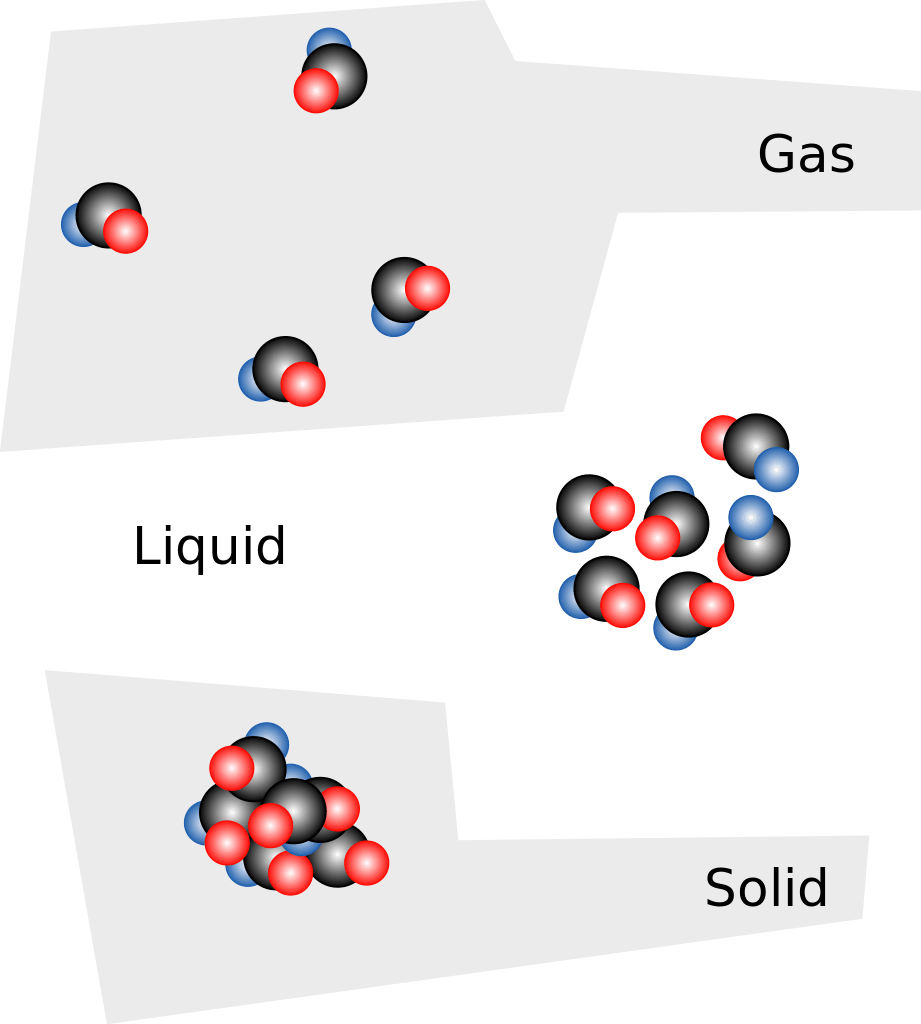
Change of state is a physical change.
True
False

The state of matter of a material depends on its _________.
density
temperature
volume
weight
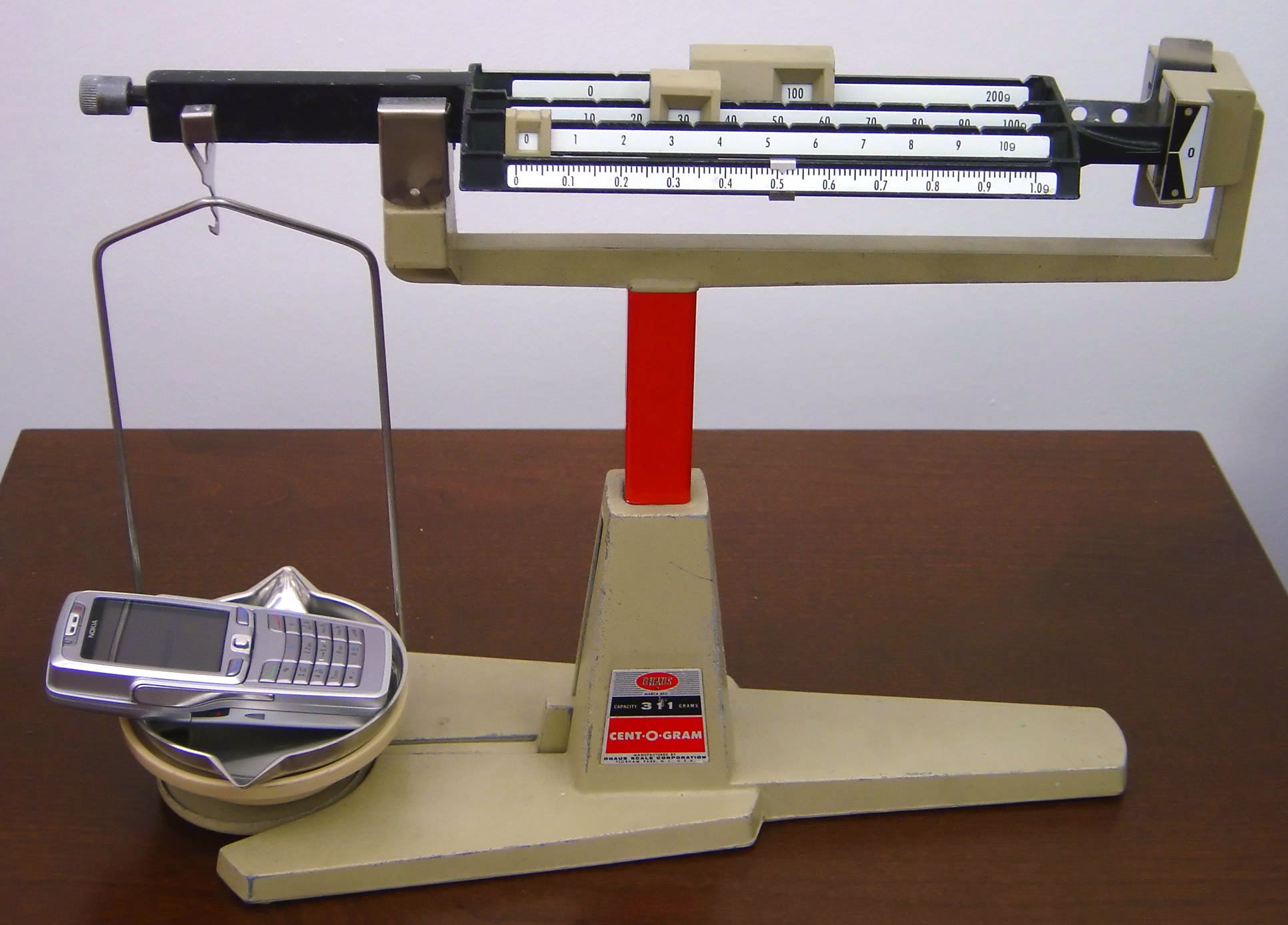
Mass is the amount of matter in an object. _______ is the gravitational pull on the mass of the object.
density
volume
weight
magnetism

length x __________ x height = volume
width
mass
diameter
speed

A spring scale is used to measure which physical property.
mass
density
volume
weight
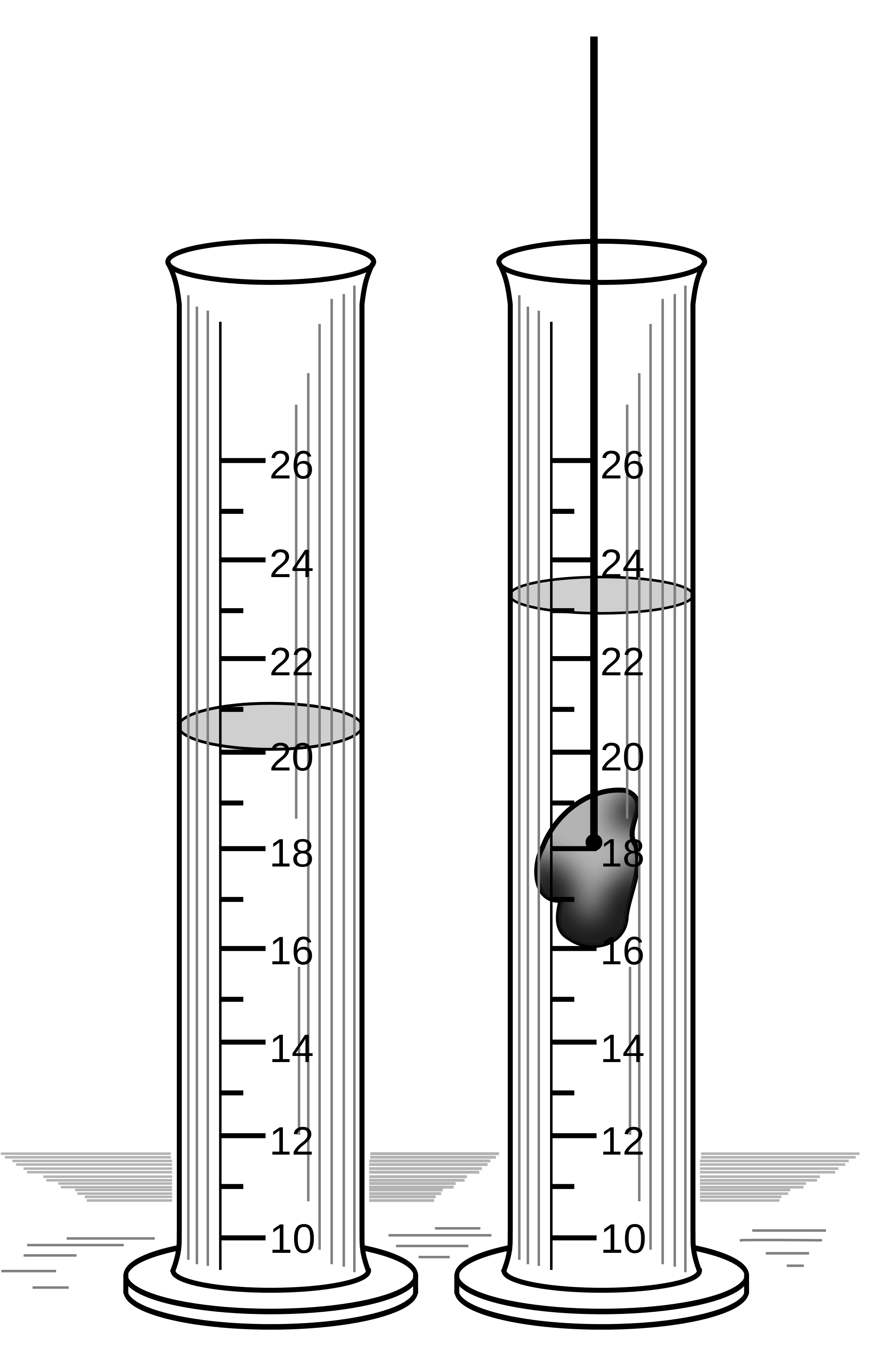
A graduated cylinder is used to measure which physical property?
mass
weight
volume
speed

A digital scale is used to measure which physical property?
speed
volume
mass
weight
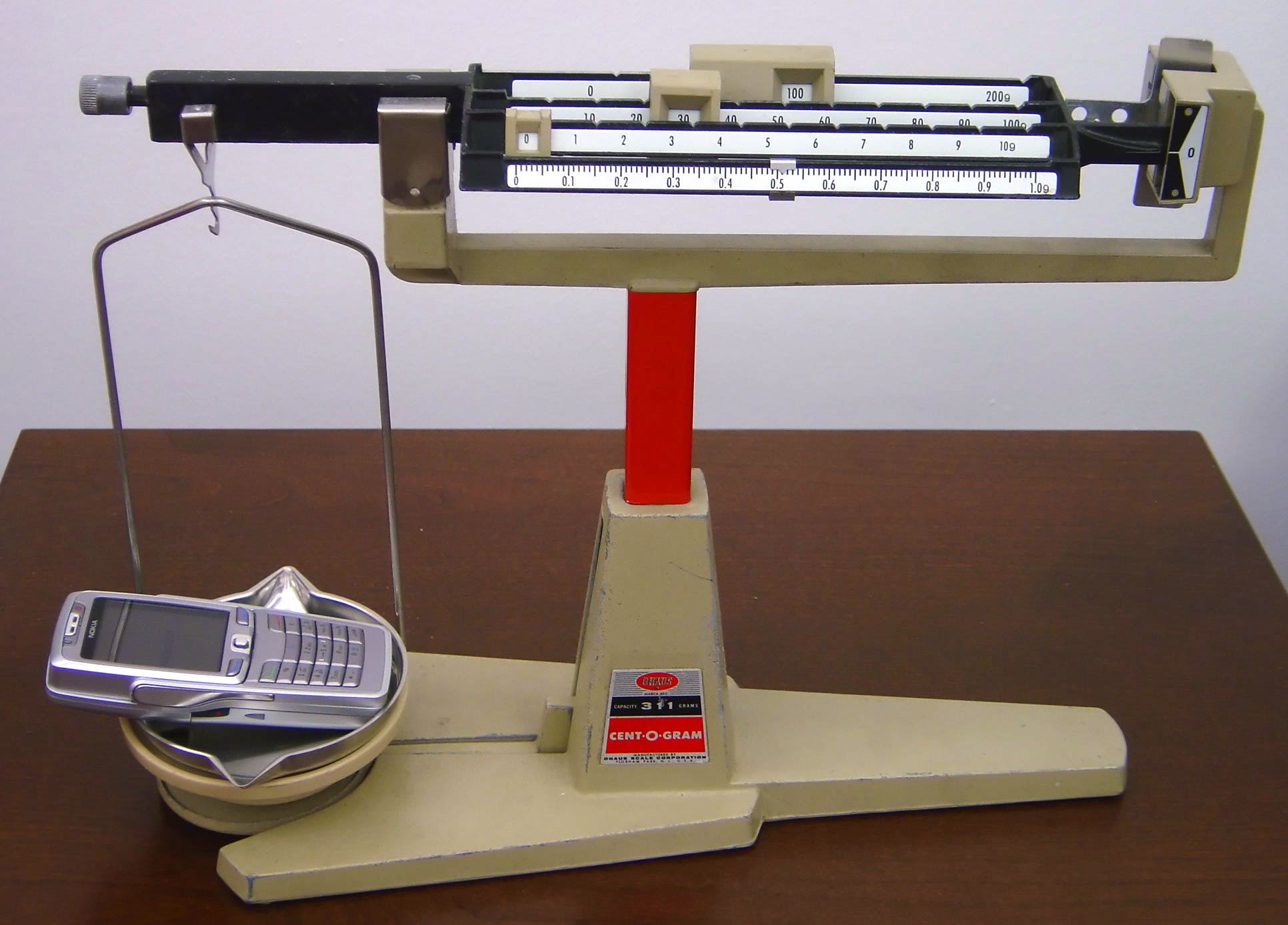
a triple beam balance is used to measure which physical property?
volume
weight
mass
length
What is matter?
Anything that takes up space
Anything that has mass
Anything that has mass and takes up space
Anything that has energy

The amount of space something takes up.
matter
mass
volume
element
The state of matter in which a substance has a definite volume but no definite shape.
gas
liquid
solid
matter
The state of matter in which a substance has a definite shape and definite volume.
solid
gas
atom
liquid
The state of matter in which a substance does not have a definite shape or volume.
element
compound
gas
liquid
The particles in a solid ______.
make the ants come looking for candy in our class
are tightly packed and vibrate in place
move freely and have lots of energy
are loose and have high energy
The particles in a liquid __________.
are loose and allow particles to slip past each other
are tightly packed and have very little energy
move freely and have lots of energy
don't move because they are very low energy
The particles in a gas __________.
feed the roaches in our class
are tightly packed and have very little energy
have a lot of space between them and have lots of energy due to the weak attractive forces between the particles
are loose and have high energy
The 3 states of matter are ___, ____, ____.
Idaho, Texas, and Florida
Matter, Mass, and Weight
Solids, Liquids, and Gas
Steel, Copper, and Brass

Which is an example of something that is not matter?
peanut butter
air
electromagnetic waves
gummi bears
___________ is the most common state of matter in space.
solid
gas
plasma
liquid
Which of the following describes density?
density=mass/ volume
mass=volume/ weight
density= mass - solubility
solubility= mass x volume

