
 Worksheets
Grade 7 chapter 1 science
Total questions: 72
Worksheet time: 41mins
Substances that are made up of ONLY one type of atom (element) or compound.
Heterogeneous mixture
Pure substance
Suspension
Homogeneous mixture
Which of the following is classified as a pure substance?
Lemonade
Fruit punch
ketchup
Hydrogen
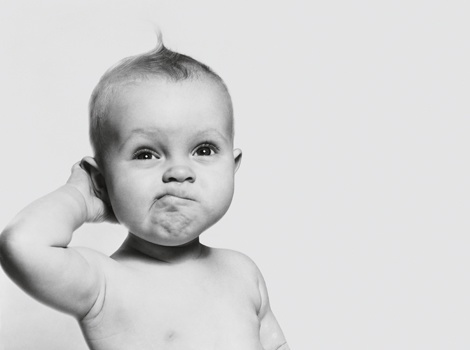
Distilled Water
Aluminum
Gold
Which of the following is NOT a mixture?
milk
lemonade
vegetable salad
carbon
Which of these is an element?
Salt (NaCl)
Water (H20)
Oxygen (O)
Carbon Dioxide (CO2)
Which of these is a compound?
Aluminium (Al)
Carbon Dioxide (CO2)
Nitrogen (N)
Sand
True or False: Elements and compounds are pure substances.
True
False
Identify which images are HETEROGENEOUS MIXTURES! (Check all that apply)


Solutions are ___________ mixtures.
Solid
Homogenous
Heterogeneous
Gas


What type of mixture does this diagram represent?
Homogeneous
Heterogeneous

This separation method is called...
Magnetism
Filtration
Distillation
Evaporation

Which method can you use to separate sand and iron filings?
Distillation
Magnetism
Filtration
Evaporation
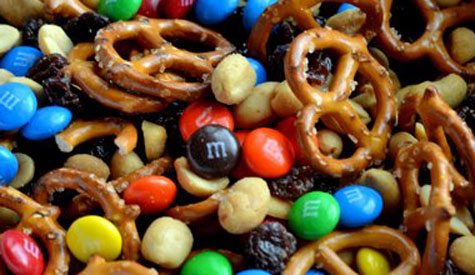
A mixture that contains two or more substances uniformly combined
heterogeneous mixture
homogeneous mixture
suspension
colloid

Matter is classified in...
Elements & Compounds
Homogeneous & Heterogeneous
Colloids & Suspensions
Pure substances & Mixtures

[check all that apply] Pure substances include:
Elements
Homogeneous Mixtures
Compounds
Heterogeneous Mixtures
An element is?
Chemically combined
Pure substances that can be broken down
Pure substances that cannot be broken down into simpler substances
One or more elements chemically combined.
The properties of a compound are different from the elements that make them up.
True
False
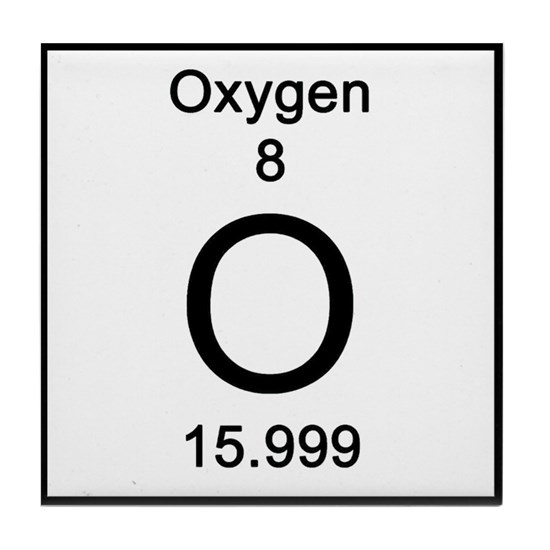
Oxygen is a
Element
Compound
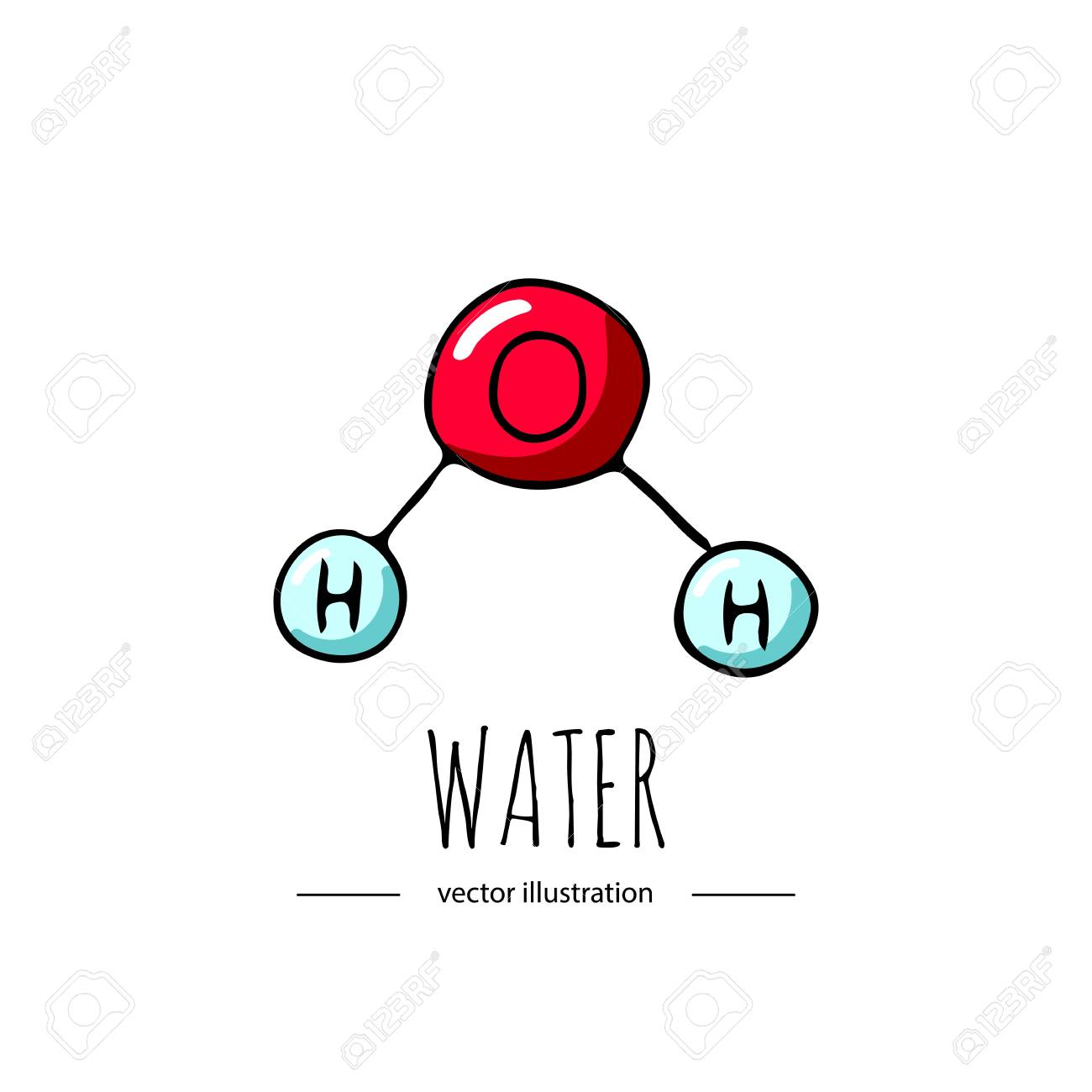
Water (H2O) is a
Element
Compound
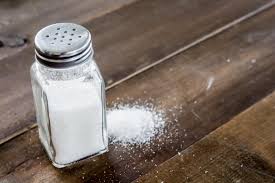
Salt (NaCl) is
Mixture
Compound
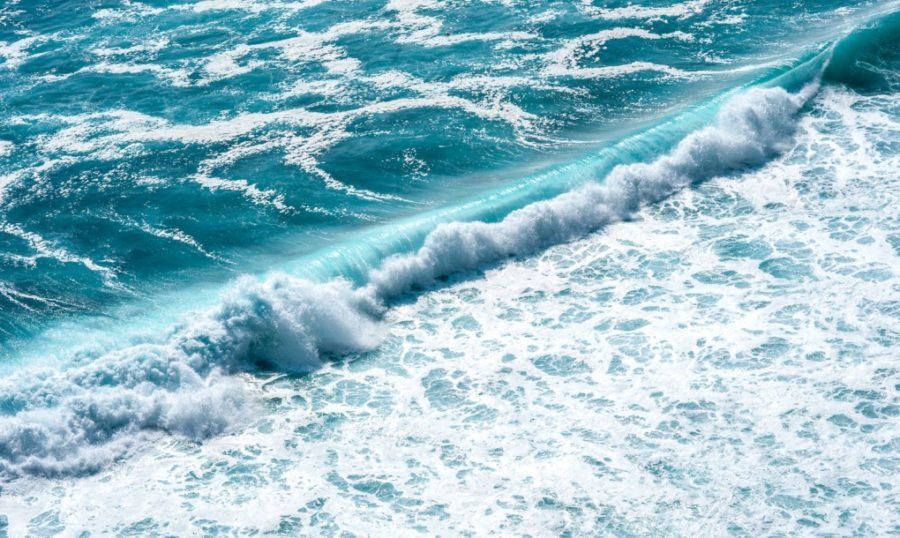
Saltwater is
Mixture
Compound
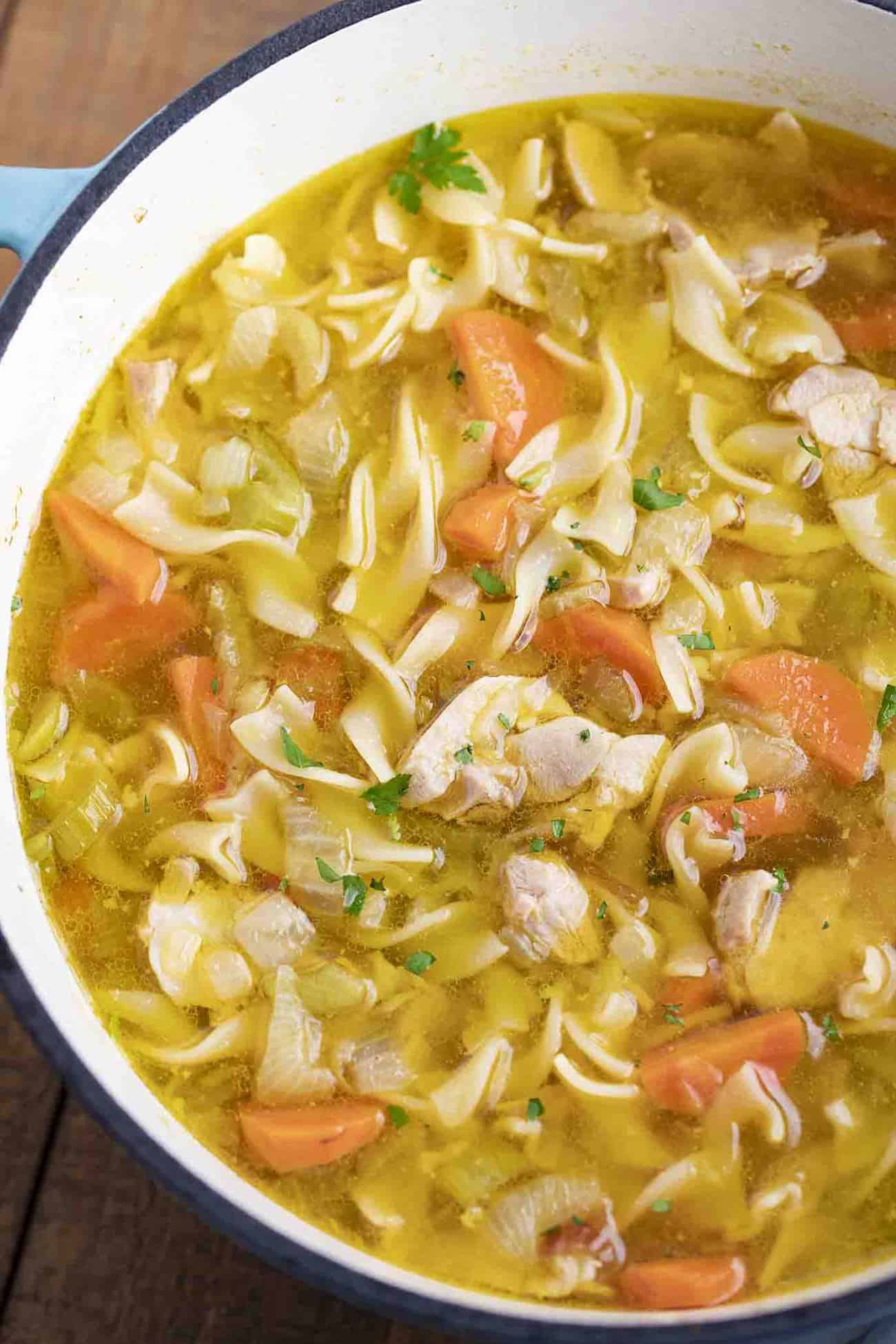
Chicken noodle soup is
Homogeneous mixture
Heterogeneous mixture
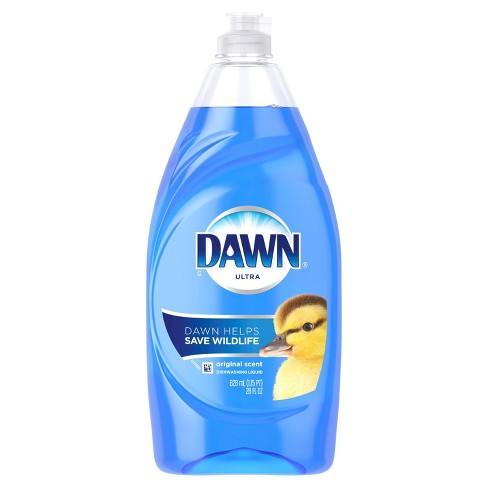
A bottle of dishwashing detergent contains a clear, viscous liquid. The label has a long list of ingredients, including water, sodium lauryl sulfate, fragrance, and Blue dye #5.
What can you infer about the material in the bottle from this label and the appearance of the liquid?
It is a pure substance.
It is a compound.
It is a heterogeneous mixture.
It is a homogeneous mixture.
Substances that are made up of ONLY one type of atom (element) or compound.
Colloid
Heterogeneous mixture
Pure substance
Suspension
Homogeneous mixture
Identify which images are HETEROGENEOUS MIXTURES! (Check all that apply)
Solutions are ___________ mixtures.
Solid
Homogenous
Heterogeneous
Gas
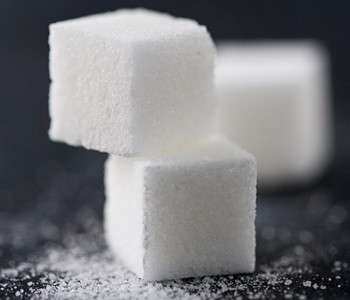
Homogenous Mixtures are also known as ____________
Colloids
Solutions
Suspension
Mixtures
_________ is the process by which liquids are turned into vapor (gas) by heating. This can be used to separate salt from water in seawater to make salt.
Filtration
Evaporation
Sedimentation and Decantation
Distillation
Which of the following is a heterogeneous mixture?
salt water
sugar water
soda
beach sand

An example of...
mixture
element
compound
Fruit Loops, pizza, and Skittles are examples of ____________________ mixtures.
heterogeneous
homogeneous
pure
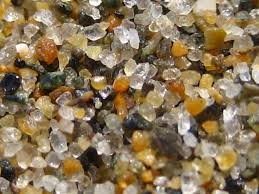
Which of the following are examples of HETEROGENEOUS MIXTURES?
Select all that apply!
bucket of Legos
Pizza
Copper
NaCl
Which of the following are examples of HOMOGENEOUS MIXTURES?
Select all that apply!
Tacos
Air
Steel
Chicken Noodle Soup
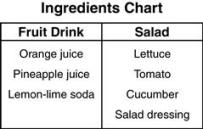
Using the information in the chart, which statement is the BEST description of the drink and salad?
It refers to the space that matter occupies.
volume
mass
weight
density
Matter is
Anything that has volume
Anything that has mass
Anything that has mass and volume

What state of matter does the picture below represent?
solid
liquid
gas
plasma
What is a Solid?
Matter that has a fixed shape and size.
Matter that has a fixed size and no fixed shape
Matter that has no fixed shape or size
Matter that has no fixed shape and size
The state of matter that keeps its shape and volume when it is placed in a different container is called ______.
gas
liquid
solid
The state of matter that expands to fill its container is called ______.
gas
liquid
solid
What is matter made up of?
particles that are too large to be seen
tiny butter particles
particles that are too small to be seen
tiny water particles
Which state of matter has its own shape
Gas
Solid
LIquid

The diagram shows arrangement of particles in a
Solid
Liquid
Gas
Define a liquid.
Matter that has fixed shape but no fixed volume
Matter that has fixed shape and fixed volume
Matter that has fixed volume, but no fixed shape

The particles in the picture are tightly held together with very tiny movement. They have shape and fixed volume. Therefore, the picture represents _________.
solid
liquid
gas
plasma
In which state of matter will there be the LARGEST space between molecules?
Solid
Liquid
Gas
What is a gas?
Matter that has fixed shape but no fixed volume
Matter that has no fixed shape and no fixed volume
Matter that has no fixed shape but fixed volume
compounds

What state is represented in the gif?
Solid
Liquid
Gas
Which of the following are states of matter?
Gas
Solid
Liquid
Plasma
What is the process called when a solid changes to a liquid?
Freezing
Evaporation
Melting
Condensation
What is the process called when a gas turns into a liquid?
Condensation
Melting
Freezing
Evaporation
Which state of matter does not have a definite shape but does have a definite volume?
Solid
Liquid
Gas
What is the process called when a liquid changes into a gas?
Freezing
Evaporation
Melting
Condensation
TRUE OR FALSE "Liquids don't have a fixed shape; solids do"
TRUE
FALSE
Matter is made up of tiny particles or molecules.
True
False
In solids, molecules do not move.
True
False
The higher the temperature, the slower the molecules move.
True
False
The lower the temperature, the slower the molecules move.
True
False
Solids have their molecules have spaces despite them being tightly packed.
True
False

