
 Worksheets
Bio EOC Review
Total questions: 100
Worksheet time: 8hrs 20mins

Eukaryotic cells are able to produce energy via metabolic processing through which organelle?
Golgi apparatus
Mitochondria
Nucleus
Ribosome
Sweating after a period of intense exercise is evidence of which characteristic of life?
homeostasis
reproduction
movement
growth
Which of the following is a characteristic of a prokaryotic cell?
A cell that has no DNA
A cell that has no nucleus
A cell that has no membrane
A cell that has makes up most of the tissues in your body
What is the equation for photosynthesis?
3 NADH+ 🡪 1 NADH
6CO2 + 6H2O + light 🡪 C6H12O6 + 6O2
C6H12O6 + O2 + light 🡪 6O2 + 36 ATP
C6H12O6 + 6O2 🡪 6CO2 + 6H2O + energy
What are the reactants in Cellular Respiration?
C6H12O6 + CO2
C6H12O6 + H20
C6H12O6 + O2
C6H12O6 + ATP
Of the 6 Basic Elements of Life, which is most abundant in our atmosphere?
Carbon
Oxygen
Nitrogen
Phosphorus
Which Macromolecule provides waterproofing and long term storage of energy?
Carbohydrates
Nucleic Acids
Lipids
Proteins
What Reaction do we find ATP in?
Photosynthesis
Enzymatic
Cellular Respiration
Neurotransmission
Glucose is an example of what?
A Lipid
A Nucleic Acid
A Protein
A Carbohydrate


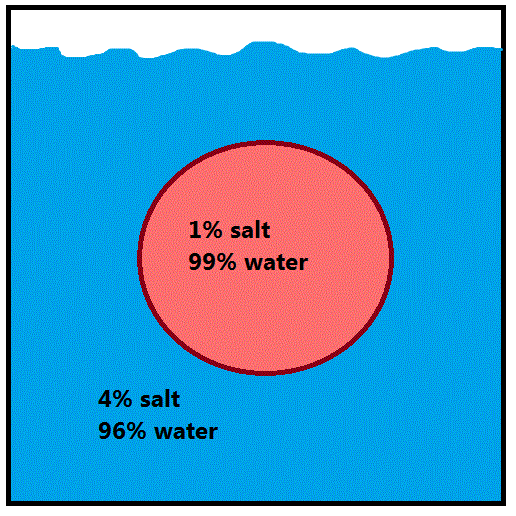

In the cell pictured, which way would water move?
Into the cell, causing the cell to swell
Out of the cell, causing the cell to shrink
In and out of the cell equally, keeping the shape the same

Most abundant type of lipid in the cell membrane
Sphingolipids
Cholesterol
Phospholipids
Which of these nitrogen cycle processes converts atmospheric nitrogen to a soil form of nitrogen that is usable by plants?
nitrogen fixation
nitrification
denitrification
ammonification
assimilation
_________ provides most of the oxygen on earth.
Decomposition
Cellular Respiration
Photosynthesis
Nitrogen Fization
Deforestation causes an increase in ____________
Oxygen
Nitrogen
Carbon dioxide
Increased habitats
__________ converts the nitrogen gas into a useful form for plants.
Herbivores
Decomposers
Bacteria
Eukaryotes
How can Nitrogen gas (N2) be fixed into a usable form for plants?
Through the action of bacteria only
Through lightning only
Through the action of bacteria and lightning
Which describes the relationship between plants and animals in the carbon cycle?
Plants produce and release oxygen that animals need
Plants produce and release carbon dioxide that animals need
Animals produce and release oxygen that plants need
Animals produce oxygen that plants turn into carbon dioxide
List three ways that cause carbon to be released into the atmosphere as carbon dioxide?
burning of fossil fuels
exhaling
photosynthesis
cellular respiration
Cellular Respiration takes place in these two organelles of the cell.
Chloroplast and mitochondria
Mitochondria and cytoplasm
Cytoplasm and chloroplast
Cells have organelles?
Glucose molecules store _____________.
chemical energy
kinetic energy
gravitational potential energy
heat energy
Glucose is broken down into pyruvic acid during which process

What are the reactants (taken into) of cellular respiration? (Mark all of them!)
oxygen
glucose
carbon dioxide
water
energy
Which of the following do at least one stage of cellular respiration
plants
animals
bacteria
fungi
What happens in the electron transport chain?
NADH and FADH2 drop off hydrogens to form massive amounts of ATP
pyruvic acid is formed from breaking down glucose
CO2 is released and H2O and ATP
glucose is broken down and ATP is formed

Difference between Aerobic and Anaerobic respiration?
they need different energy sources
aerobic uses oxygen unlike anaerobic
anaerobic does not go through fermentation
aerobic respiration is associated with alcohol fermentation

example of who uses alcohol fermentation
yeast
mitochondria
animal muscle
fungus
how much ATP is required to start glycolysis?
1
3
4
2
what happens after glycolysis?
goes into aerobic respiration if oxygen is present and anaerobic if not
glycolysis starts over again
ATP from glycolysis begins to help begin photosynthesis
nothing
what contributes to soreness of muscles?
alcohol fermentation
lactic acid fermentation
aerobic respiration
glycolysis

Bacteria are prokaryotes because
they do not have genetic material
their genetic material is not in a nucleus
they have a nucleus filled with genetic material
_____________ must have oxygen to survive.
Obligate aerobes
Obligate anaerobes
Facultative aerobes
Facultative anaerobes
___________ : oxygen poisons them
Obligate aerobes
Obligate anaerobes
Facultative aerobes
Facultative anaerobes
_____________ can adapt to anaerobic conditions
Obligate aerobes
Obligate anaerobes
Facultative aerobes
Facultative anaerobes
An anaerobe produces the toxin botulin, one of the
most poisonous substances known.
Salmonellae
Staphylococcus aureus
Clostridium botulinum
Clostridium perfringens
2.The function accomplished by the light-dependent reactions is ______________.
Energy and electron storage
Sugar production
Carbon fixation
Conversion of sugar
Where does dark reaction or light independent specifically occur?
thylakoid membrane
Stroma of the chloroplast
Grana
nuclear membrane
Which of the following statements does not describe Light independent reaction?
aka Calvin cycle
Produce ATP and NADPH
Produce glucose
Occur in the stroma of the chloroplast
Use ATP and NADPH for the reaction
•An enzyme that fixes carbon from atmosphere to convert it to complex macromolecule glucose.
RuBP (Ribulose bisphosphate)
RuBisCo (Ribulose Bisphosphate Carboxylase)
PGA (3-Phosphoglycerate)
G3P (Glyceraldeyhyde 3-Phosphate)

photophosphorylation
photolysis
The rate of photosynthesis can be influenced by...
Temperature
Carbon dioxide levels
Light intensity
Oxygen concentration
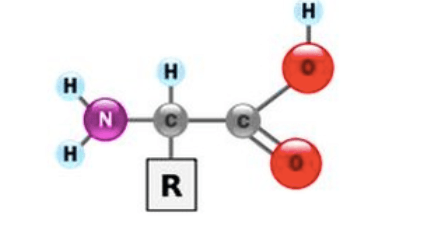

Which biomolecule turns iodine solution dark purple or black?
complex carbohydrate (polysaccharide-starch)
protein
simple carbohydrate (monosaccharide)
lipid

What is produced during transcription (1st phase of protein synthesis) and carries DNA instructions to the ribosome?
mRNA
tRNA
rRNA
amino acids

Which molecule "carries" amino acids during protein synthesis?
DNA
mRNA
tRNA

This is an example of ___________?
Incomplete dominance
Codominance
Multiple Alleles
Polygenic Inheritance
Which of these could be found in BOTH RNA & DNA?
thymine + ribose + phosphate groups
uracil + deoxyribose + phosphate groups
guanine, cytosine + phosphate groups

What type of inheritance is shown in this pedigree?
Autosomal Dominant
Autosomal Recessive
X-linked Dominant
X-linked Recessive

Which genetic abnormality is shown in this karyotype?
Partial Addition
Trisomy 18
Trisomy 21 (Down Syndrome)
Monosomy
endocytosis
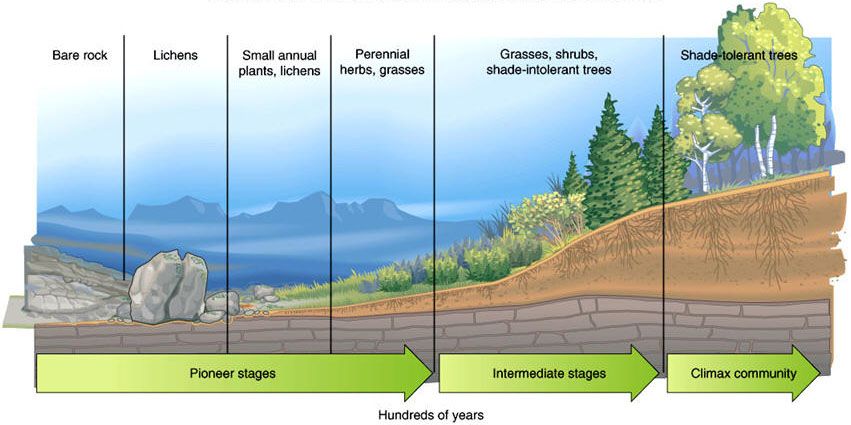
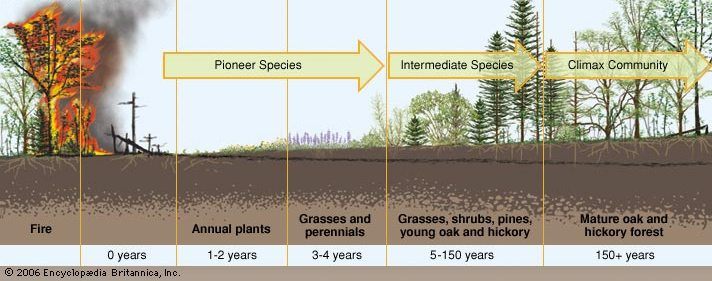

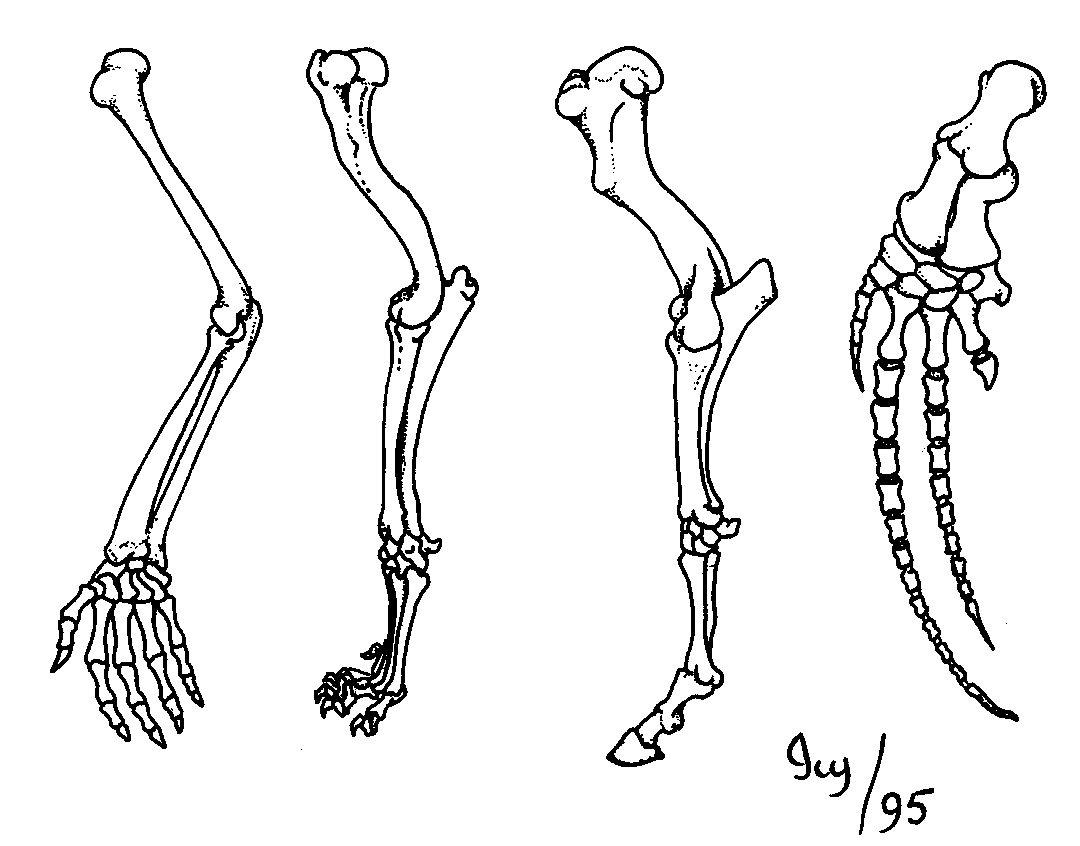
Structures with similar anatomy but have different functions; suggests that organisms share a common ancestry
vestigial structures
homologous structures
analogous structures
fossil


What type of inheritance is shown in this pedigree?
Autosomal Dominant
Autosomal Recessive
X-linked Dominant
X-linked Recessive
T-G-A-C-C-A
T-G-A-G-C-A


In what phase of the cell cycle does DNA replication take place?
Interphase (G1)
Interphase (S)
Interphase (G2)
Mitosis



