
 Worksheets
8.2 Chemical Properties & Interactions Review
Total questions: 96
Worksheet time: 2hrs 28mins
Name
Class
Date
1.
Flammability is an example of what property?
a)
Chemical property
b)
Physical property
2.
What type of property is the ability to combust?
a)
Physical property
b)
Chemical property
3.

Ability to rust is this type of property:
a)
Physical property
b)
Chemical property
4.
Which is an example of a physical property?
a)
ability to react with acid
b)
color
c)
flammability
d)
ability to react with oxygen
5.
Which is NOT a physical property?
a)
odor
b)
reacts with bleach
c)
sinks in water
d)
density
6.
Physical properties are
a)
properties that can be observed without changing the identity of the substance
b)
properties that describe how a substance changes into a completely different substance
c)
properties that we can only observe with our eyes
d)
properties that we need special tools to observe
7.
Which of the following is a chemical property of water?
a)
Reacts with pure sodium
b)
Boils at 100 oC
c)
Is liquid at room temperature
d)
Has a density of 1 gm/mL
8.
Alka-Seltzer gives off carbon dioxide when added to water
a)
physical change
b)
chemical change
9.
Which of the following is a sign that a chemical reaction has occurred?
a)
change in shape
b)
melting
c)
formation of a gas
d)
dissolving
10.
What kind of properties can only be observed when a substance changes into a different substance?
a)
physical properties
b)
chemical properties
c)
liquid properties
d)
real properties
11.
What is burning an example of?
a)
physical change
b)
physical property
c)
chemical change
d)
chemical property
12.
What is digestion?
a)
Physical property
b)
Chemical change
c)
Physical change
d)
Chemical property
13.
What is an example of a Chemical change?
a)
Ripping paper
b)
Boiling an egg
c)
Cracking an egg
d)
Dissolving sugar in water
14.
Which of the following is NOT a physical property?
a)
breaking a window
b)
color
c)
density
d)
freezing point
15.
Milk sours (goes bad)
a)
physical change
b)
chemical change
c)
physical property
d)
chemical property
16.
A tire is inflated with air
a)
physical change
b)
chemical change
c)
physical property
d)
chemical property
17.
Salt dissolving in water is an example of what?
a)
A physical change
b)
A chemical change
c)
A physical property
d)
A chemical property
18.
Which is an example of a physical property?
a)
rusting
b)
boiling point
c)
combustion
d)
reactivity with water
19.
Which of the following is a chemical property?
a)
odor
b)
combustibility
c)
solubility
d)
all of the above
20.
Properties that can be measured or observed without matter changing to an entirely different substance.
a)
Chemical Properties of Matter
b)
Physical Properties of Matter
c)
Physical Change
d)
Chemical Change
21.
Properties that can be measured or observed only when matter undergoes a change to become an entirely different kind of matter.
a)
Evaporation
b)
Density
c)
Physical Properties Of Matter
d)
Chemical Properties of Matter
22.
Which property is an example of a chemical property?
a)
The ability to burn
b)
The ability to dissolve
c)
The ability to evaporate
d)
The ability to melt
23.
Density, melting point, boiling point:These may all be classified as
a)
chemical properties
b)
physcial properties
24.
Silver is a white metal that is an excellent conductor. Silver tarnishes when exposed to air and light. The density of silver is 10.49 g/cm3 The melting point is 962oC and the boiling point is 2000oC. A chemical property of silver is
a)
melting point
b)
boiling point
c)
density
d)
tarnishing
25.
you test by seeing which material can scratch the other material
a)
Hardness
b)
Malleability
c)
Density
d)
Conductivity
26.
temperature at which a substance changes from solid to liquid
a)
Conductivity
b)
Melting Point
c)
Hardness
d)
Boiling Point
27.
The ability of matter to conduct electric current or heat
a)
Solubility
b)
Mass
c)
Weight
d)
Conductivity
28.
An attractive force for some metals.
a)
Conductivity
b)
Solubility
c)
Magnetism
d)
Mass
29.

This is an example of a
a)
physical change
b)
chemical change
30.
Ability to rust is this type of property:
a)
Physical property
b)
Chemical property
31.
What is anything that has mass and takes up space?
a)
matter
b)
substance
c)
chemistry
d)
property
32.
A physical property can be observed with your
a)
Eyes
b)
Ears
c)
Tastes
d)
All of the above
33.
Paper burning and metal rusting are examples of a
a)
physical property
b)
chemical property
c)
physical change
d)
chemical change
34.

The formation of a precipitate is evidence that a _________________ has taken place.
a)
physical property
b)
chemical property
c)
physical change
d)
chemical change
35.

The formation of gas bubbles is evidence that a _________________ has taken place.
a)
physical property
b)
chemical property
c)
physical change
d)
chemical change
36.
What is the formula for density?
a)
density = mass x volume
b)
density = mass / volume
c)
density = mass + volume
d)
density = mass - volume
37.
Which of the following tells you that a chemical change may have occurred?
a)
Change Shape
b)
Melting
c)
Vaporizing
d)
Change in color
38.
What happens in ALL chemical changes?
a)
Change in state of matter
b)
A new substance is formed
c)
Bubbles are produced
d)
An explosion
39.
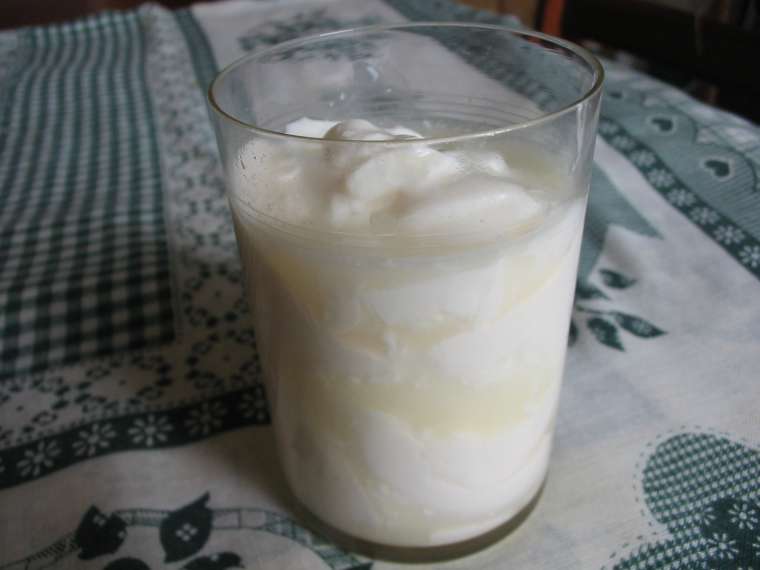
Is milk going sour a physical or chemical change?
a)
Physical
b)
Chemical
40.

Is Gatorade powder dissolving in water physical or chemical change?
a)
Physical
b)
Chemical
41.

Is mold growing on cheese a physical or chemical change?
a)
Physical
b)
Chemical
42.

Is making orange juice a physical or chemical change?
a)
Physical
b)
Chemical
43.

Is sharpening a pencil a physical or chemical change?
a)
Physical
b)
Chemical
44.

Is copper tarnishing a physical or chemical change?
a)
Physical
b)
Chemical
45.

Is the formation of the grand canyon a physical or chemical change?
a)
Physical
b)
Chemical
46.
Which of the following is not a clue that a chemical reaction has taken place?
a)
Changing size
b)
Changing color
c)
A gas being formed
d)
Formation of a precipitate
47.
Which of the following IS a clue that a chemical change has occurred?
a)
State of matter change
b)
Size Change
c)
Change in temperature
d)
Shape change
48.

Which state of matter has molecules that move fastest and spread to fill the space they are in? They do not form any pattern.
a)
solid
b)
liquid
c)
gas
49.

What is matter?
a)
a pure substance
b)
anything that occupies space and possesses mass
c)
an element
d)
a compound
50.

A measure of the amount of matter in an object.
a)
Weight
b)
Mass
51.
Which of the following is not a chemical property?
a)
rusting
b)
boiling
c)
rotting
d)
burning
52.

What is reactivity?
a)
how a substance combines physically with another substance
b)
how a substance combines chemically with another substance
53.
What is the measure of how much space an object takes up?
a)
matter
b)
volume
c)
substance
d)
properties
54.
Which one of these is a chemical property?
a)
melting point
b)
boiling point
c)
color
d)
flammability
55.

What is weight?
a)
the measure of the amount of gravitational pull on an object reaction, either by itself or with other materials
b)
the ability of a substance to undergo a physical change either by itself or with other materials
56.

Ability to rust is this type of property:
a)
Physical property
b)
Chemical property
57.
Which is an example of a physical property?
a)
ability to react with acid
b)
state of matter
c)
flammability
d)
ability to react with oxygen
58.
Which of the following is a chemical change?
a)
human digestion
b)
cutting a tree down
c)
melting a chocolate bar
d)
Has a density of 1 gm/mL
59.
What kind of properties can only be observed when a substance changes into a different substance?
a)
physical properties
b)
chemical properties
c)
liquid properties
d)
real properties
60.
Properties that can be observed without trying to change the identity of the substance.
a)
Physical
b)
Chemical
61.
What is calculated by multiplying
l x w x h?
l x w x h?
a)
mass
b)
weight
c)
volume
d)
grades
62.
The tool used to measure the mass of a substance or object is a ______________.
a)
balance
b)
graduated cylinder
c)
ruler
d)
thermometer
63.
Which units of measurement are used for volume?
a)
grams
b)
centimeters
c)
grams/milliliter
d)
milliliter
64.
A change that alters the physical properties of a substance without changing its composition.
a)
Physical Change
b)
Chemical Change
65.
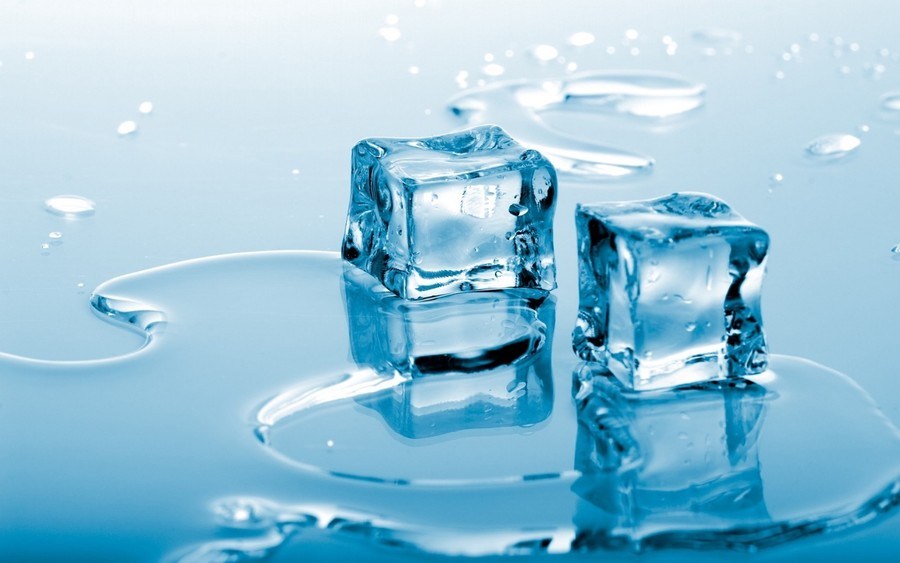
Water freezing into ice is an example of a...
a)
Physical Change
b)
Chemical Change
66.
Any change in the state of matter of a substance is a...
a)
Physical Change
b)
Chemical Change
67.
A change in matter that forms one or more new substances with new chemical properties is a/an...
a)
Physical Change
b)
Chemical Change
68.
Which of the following indicates a chemical change?
a)
Change in state of matter
b)
Temperature change
c)
Change in size
d)
Change in shape
69.
A solid substance that forms when 2 liquid solutions are combined?
a)
Sublimation
b)
Precipitate
c)
Condensation
d)
Freezing
70.
Which of the following DOES NOT indicate a chemical change/reaction is occurring?
a)
Color Change
b)
Formation of a Precipitate
c)
Formation of gas/bubbles
d)
State of matter change
71.
We use chemical equations to show what happens in a....
a)
Chemical Change
b)
Physical Change
72.
Which of the following indicates a PHYSICAL change?
a)
Change in temperature
b)
Change in shape
c)
Formation of a precipitate
d)
Change in color
73.
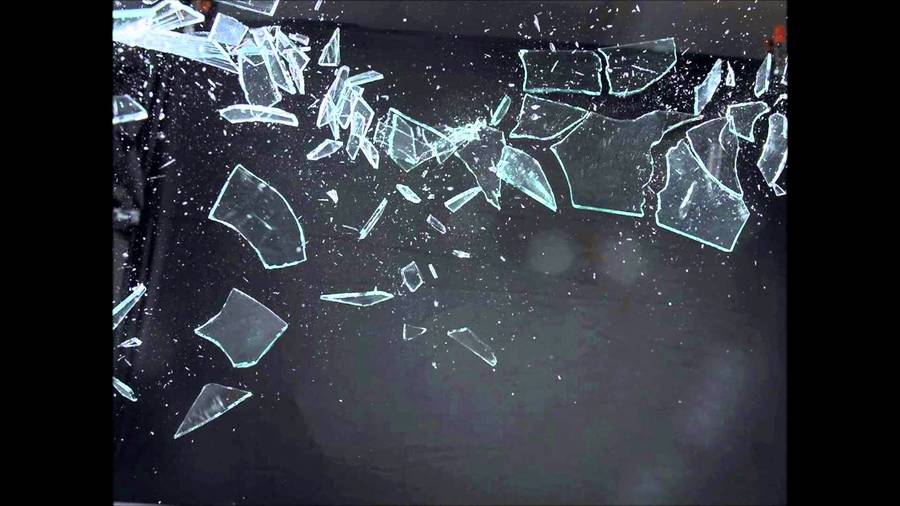
Chemical or Physical? Glass breaking into tiny shards
a)
Chemical Change
b)
Physical Change
74.

Physical or Chemical Change? Iron rusts
a)
Physical Change
b)
Chemical Change
75.
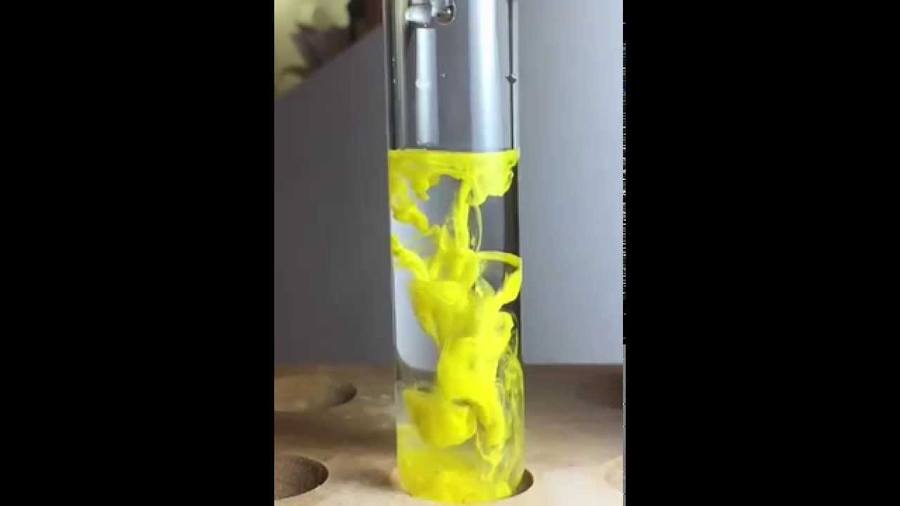
Physical or Chemical Change?
a)
Physical Change
b)
Chemical Change
76.
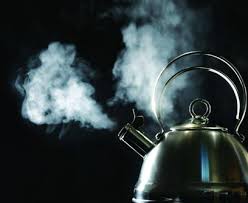
Physical or Chemical Change?
a)
Physical Change
b)
Chemical Change
77.

Physical or Chemical Change? Cutting an orange into wedges.
a)
Physical Change
b)
Chemical Change
78.
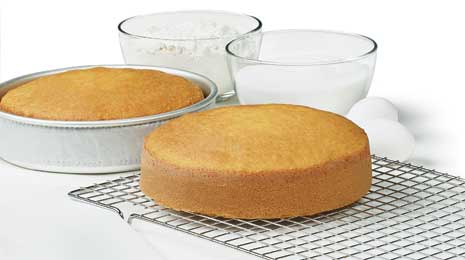
Physical or Chemical Change? Baking a cake.
a)
Chemical Change
b)
Physical Change
79.

Physical or Chemical Change? Logs burning in a campfire.
a)
Physical Change
b)
Chemical Change
80.

Physical or Chemical Change? Sodium metal burning in water.
a)
Physical Change
b)
Chemical Change
81.

Physical or Chemical Change? Making a paper airplane.
a)
Physical Change
b)
Chemical Change
82.
What is the density of a plastic ball that has a volume of 6cm3 and a mass of 12g?
a)
2g/cm3
b)
.5g/cm3
c)
72g/cm3
d)
4mL
83.
Which is NOT a physical change?
a)
Cutting a pizza into equal slices
b)
Ice cubes melting back into liquid water
c)
Baking cupcakes
d)
A chocolate bar melting
84.
Is glass breaking a chemical or phyiscal change?
a)
chemical
b)
physical
85.
A bar of copper has a mass of 216g and a volume of 24cm3. What is the density of copper?
a)
9g/cm3
b)
.11g/cm3
c)
5184g/cm3
d)
322mL
86.
The volume of a candy bar is 55cm3. The mass of the candy bar is 70g. What is the density of the candy bar?
a)
2.3g/cm3
b)
.8g/cm3
c)
3850g/cm3
d)
1.3g/cm3
87.
Jack has a rock. The rock has a mass of 14g and a volume of 2cm3. What is the density of the rock?
a)
7 mL
b)
7 g/cm3
c)
28 g/cm3
d)
1/7 g/cm3
88.
Frank has an eraser. It has a mass of 4g, and a volume of 2cm3. What is its density?
a)
8 g/cm3
b)
2 g/cm3
c)
1/2 g/cm3
d)
24 g/cm3
89.
What is the density of an object that has a mass of 25 g and a volume of 10.0 cm3?
a)
250 g/cm3
b)
25 g/cm3
c)
2.5 g/cm3
d)
0.25 g/cm3
90.

A piece of metal has a mass of 35.4 grams and a volume of 6cm3. According to the table what metal is it?
a)
Aluminum
b)
Scandium
c)
Radium
d)
Xenon
91.

A gas has a mass of 5 grams and a volume of 4 L. According to the table what is the gas?
a)
Neon
b)
Nitrogen
c)
Oxygen
d)
Fluorine
92.

Sue found a ring and wanted to know what type of metal it was. She found the mass to be 26.7 grams and the volume to be 3 cm3. What metal is the ring?
a)
Nickel
b)
Silver
c)
Lead
d)
Gold
93.

As part of a classifying elements lab Joe was finding the density of different samples. One sample had a mass of 26.4 and a volume of 12 mL. What element is it?
a)
Sulfur
b)
Carbon
c)
Boron
d)
Krypton
94.
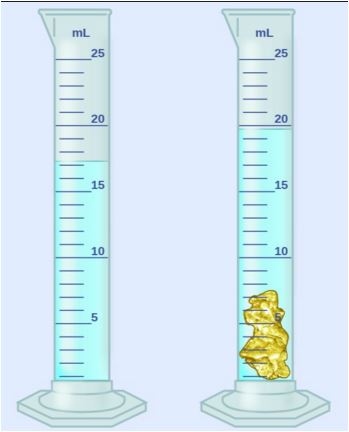
An irregularly shaped piece of gold was lowered into a graduated cylinder holding a volume of water equal to 17 ml. The height of the water rose to 20 ml. If the mass of the gold was 27 g, what was its density?
a)
9 g/mL
b)
10.5 g/mL
c)
6.5 g/mL
d)
8 g/mL
95.

An irregularly shaped rock was lowered into a graduated cylinder holding a volume of water equal to 50 ml. The height of the water rose to 75 ml. If the mass of the stone was 250 g, what was its density?
a)
15 g/mL
b)
5 g/mL
c)
10 g/mL
d)
20 g/mL
96.
A lead cylinder has a mass of 540 grams and a volume of 2.70 mL. Calculate the density of the lead cylinder. Remember to move the decimal on both sides of the problem.
a)
15 g/mL
b)
19 g/mL
c)
20 g/mL
d)
12 g/mL
100 %

