
 Worksheets
BioMolecules Test review
Total questions: 92
Worksheet time: 1hrs 22mins
2. Which biomolecules contains your genetic information?
Proteins
Lipids
Carbohydrates
Nucleic Acids
9. Amino Acids are the monomers of __________.
Nucleic Acids
Proteins
Carbohydrates
Lipids
6. The monomer of carbohydrates is known as _______.
Amino Acid
Fatty Acid
Nucleotide
Saccharide

What type of biomolecule contains carbon, hydrogen, oxygen, and nitrogen?
carbohydrate
lipid
nucleic acid
protein
Which of the following is a monosaccharide?
Chitin
Sucrose
Starch
Glucose
Cholesterol is a/an...
carbohydrate
lipid
protein
nucleic acid
Enzyme is a/an...
carbohydrate
lipid
protein
nucleic acid
Monosaccharides are the building blocks of which group of biomolecules?
protein
lipid
carbohydrate
nucleic acid
What biomolecule serves as structural materials in hair, nails and connective tissues?
protein
lipid
carbohydrate
nucleic acid

The sugar in RNA is _____________while the sugar in DNA is ________.
deoxyribose, ribose
ribose, deoxyribose
c. ribose, phosphate
ribose, uracil
Which of the following sugars are the components of lactose?
glucose & galactose
fructose and galactose
glucose and glucose
glucose & fructose
Which of the following elements is present in Nucleic acid but not in other biomolecules?
Carbon
Phosphorus
Nitrogen
Hydrogen
7. Glycerol and fatty acids are the monomers of _________.
Lipids
Carbohydrates
Proteins
Nucleic Acids
3. Which biomolecules act as energy storage for the cell and also cushions and insulates organs?
Carbohyrdates
Lipids
Proteins
Nucleic Acids


The backbone of a DNA molecule is made from a 5 carbon ______________ and a _______________ group.
lipid, carbon
sugar, phosphate
nitrogen, oxygen
nitrogen, sulfur

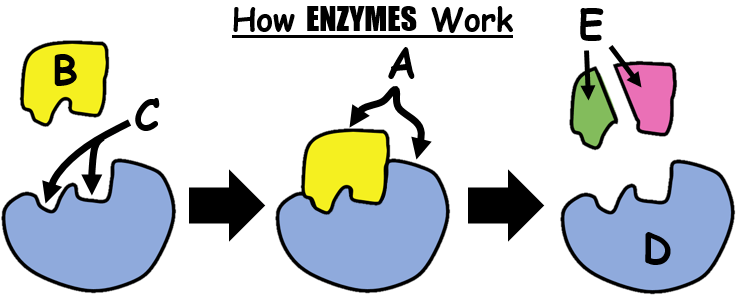
Label the diagram using vocab words. Number 1
Substrate
Enzyme
Active Site

Label Number 2
Substrate
Enzyme
Active Site

Label number 3
Substrate
Enzyme
Active Site
A substance that initiates or speeds up a chemical reaction and is not permanently changed in the process.
Hydrolysis
Coenzyme
Catalyst
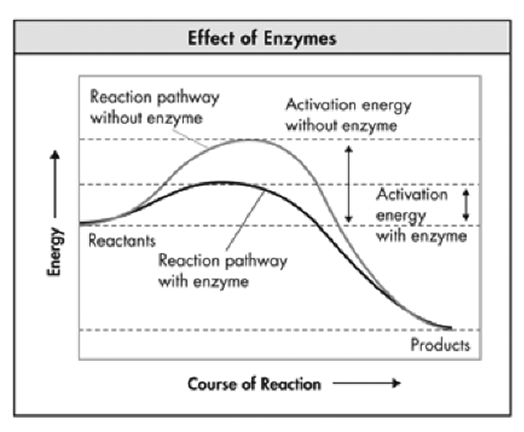
activation energy
Energy needed for a reaction to occur.
Hydrolysis
Coenzyme
Catalyst
Activation Energy
Change the molecular conformation of a protein to destroy its function.
Denature
Coenzyme
Catalyst
Activation Energy
Which of the following elements are found in all macromolecules? (Select all that apply).


carbohydrate

lipid

protein
Which organic molecule would a long-distance runner most likely choose to eat two hours before a race?
A protein, because it builds muscle mass.
A lipid because it provides long term energy storage.
A carbohydrate because it releases energy quickly.
A protein, because it transports oxygen into the blood stream.
How are the functions of a carbohydrate and a lipid similar?
Both are a source of energy.
Both are replicated during meiosis.
Both lower the activation energy of reactions.
Both dissolve nutrients in the digestive system.
Nucleotides are a monomer of which biomolecule?
Nucleic acids
Proteins
Carbohydrates
Lipids

Which biomolecule makes up cell membranes?
Protein
Carbohydrate
Lipid
Nucleic acid


The complex carbohydrates pictured below are made by linking molecules of glucose.
In all three complex carbohydrates, the subunits of glucose are bonded together differently. Because they have different structures, they most likely —
contain different chemical elements
form different proteins
carry different nucleotides
perform different functions
An advertisement for a health supplement for dogs claims to build lean muscle and strengthen tendons and ligaments, as well as provide energy. Which two biomolecules must the supplement contain to provide these benefits?
Carbohydrates and lipids
Proteins and carbohydrates
Nucleic acids and carbohydrates
Lipids and nucleic acids
Beeswax is a waxy substance that is produced by bees and then harvested by humans for a variety of uses. Ancient Romans used beeswax as a waterproofing agent because it is not water-permeable. Beeswax is which of the following types of organic molecule?
carbohydrate
lipid
nucleic acid
protein
Many land plants store energy in starch. When energy is needed, the starch molecules can be broken down quickly. This chemical reaction produces which of the following?
amino acids
lipids
monosaccharides
RNA chains
Your friend is really irritable while sitting in class. He feels lightheaded and dizzy. He is also feeling a bit of confusion and brain fog.
What inferences are most realistic to make about the biomolecules in your friend's body?
He is running low on fast sources of energy
Proteins are being broken down or reshaped
The coding information in the cell is incorrect or incomplete
There is not enough insulation or energy storage
Salivary amylase is an enzyme in humans that breaks down starches. What substance would humans have difficulty digesting without this enzyme?
lipids
nucleic acids
proteins
carbohydrates
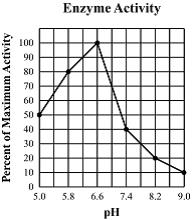
Which best explains why the rate of a biochemical reaction decreases at high temperatures?
The activation energy increases.
The shape of the enzyme changes.
The enzyme-substrate complex forms.
The bonds between substrates are broken.
Estella spilled tomato sauce on her shirt. When she washed her shirt, she noticed that the detergent she used contained enzymes. Enzymes are added to detergents to break down proteins from food and other substances that may stain clothing. Which would MOST likely inhibit the ability of the enzymes to remove the stain on her shirt?
the amount of dissolved minerals in the water
the type of fibers from which her shirt was made
the temperature of the water
the fragrances in the detergent
Helena investigates how enzymes are important to body processes. How is the role of enzymes in biochemical activity BEST explained?
Enzymes work at all pH levels.
Enzymes decrease the rate of metabolism.
Enzymes enable reactions to occur at lower temperatures.
Enzymes raise the activation energy needed for a reaction.

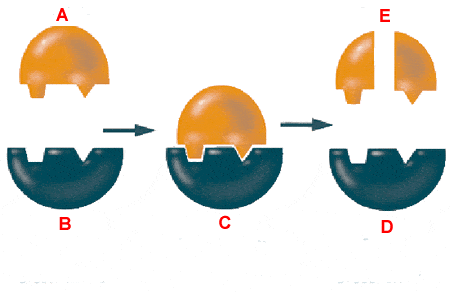
Why is the “lock and key” analogy often used to describe enzyme function?
Each enzyme is the same as its substrate.
Each enzyme will fit with only one specific kind of substrate.
Each enzyme can only be used once in a reaction and cannot be used again.
Each enzyme has its own active site that will not fit with other active sites.


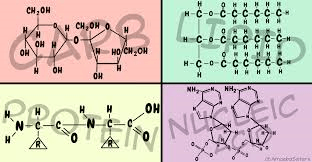
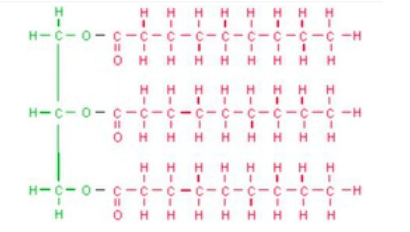
Which of the following represents a lipid?


Which of the following represents a nucleic acid?
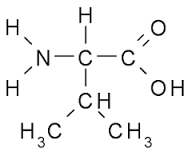
Which of the following represents a protein?
Which of the following represents a carbohydrate?
Which organic molecules is paired with its function?
nucleic acid- to store energy
lipids – to regulate metabolic function.
protein- to provide insulation.
carbohydrates – to provide quick-release energy.
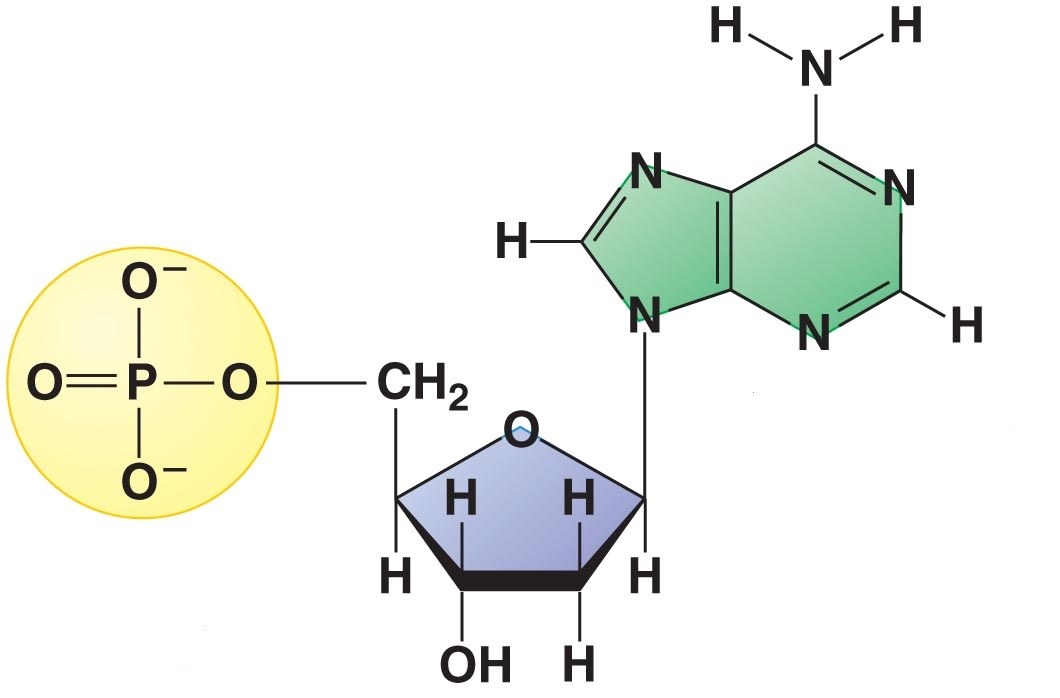
What base pairs with cytosine?
guanine
adenine
thymine
magazine

Study the following graph carefully & answer the questions given below it. Imports of 3 companies over the years (in Rs. Crores). In which of the following years, the imports made by company 'A' were exactly equal to the average import made by it over the given years?
1995
1996
1997
None of the above

What was the difference in the consumption of Copper and steel in 2001?
5000 Tons
500 Tons
50 Tons
5 Tons
Which is true about hypothesis?
A. It may reject or accepts your prediction.
B. It is an educated guess or possible answer to the question.
C. It summarizes the result on the experiment.
D. It is the final answer to the question.


Christopher set up six tanks with equal volumes of 20 ℃ water. Three of the tanks contained water with a high salt content of 30 parts per thousand and three contained water with no salt. Christopher added an equal amount of green algae to each tank. He allowed the algae to grow in the tanks for two weeks. Then, he measured the amount of algae in each tank. Identify the question that Christopher’s experiment can best answer.
Is the growth of algae affected by the temperature?
Do algae grown in water with a high salt content release more oxygen than an equal amount of algae grown in water without salt?
Do algae grow more in water with high salt content than in water without salt?
This observation is...
This observation is...
Mr. Wells is probably not in school today because his is sick. Is this a Qualitative Observation, Quantitative Observation, or an Inference
Qualitative Observation
Quantitative Observation
Inference

