
 Worksheets
1st Monthly Test in Science 6 (2nd Quarter)
Total questions: 80
Worksheet time: 58mins
(Lower case letters only)
a system that consists of the organs that help us breathe.
(a)
(Lower case letters only)
the tiny hairs called (a) inside the nose filter out dust and other particles present in the air and protects the nasal passage and other regions of respiratory tract.
(Lower case letters only)
trachea or (a) filters the air we inhale and branches into the bronchi.
(Lowercase letters only)
(a) are the two air tubes that branch off from the trachea and carry atmospheric air directly into the lungs.
(Lowercase letters only)
the main organ or the site in the body where oxygen is taken in and carbon dioxide is released.
(a)
(Lowercase letters only)
is a tiny sac-like structure present in the lungs in which the gas exchange takes place.
(a)
(Lowercase letters only)
(a) controls breathing, a dome-shaped muscle located at the bottom of the lungs.
(Lowercase letters only)
(a) is also known as breathing.
(Lowercase letters only)
an average person breathes (a) times a day.
(Lowercase letters only)
a (a) is a waste gas from different body processes
(Lowercase letters only)
the (a) is the outer part of our respiratory system. It is mostly made out of cartilage, which makes it flexible and strong.
(Lowercase letters only)
the (a) is the two opening part of the nose.
(Lowercase letters only)
what do you call an organ that prevents food from entering the larynx and trachea?
(a)
(Lowercase letters only)
it is the organ of our respiratory system that vibrates to produce sounds.
(a)
(Lowercase letters only)
which gas is needed by our body?
(a)
(Lowercase letters only)
which part of our respiratory system does the exchange of oxygen and carbon dioxide occur
(a)
(Lowercase letters only)
what is the movement of the diaphragm during inhalation?
(a)
(Lowercase letters only)
the body cannot breathe without a perspiration system
true or false
(a)
(Lowercase letters only)
there are still oxygen in the air we breathe out
true or false
(a)
(Lowercase letters only)
respiratory system is made up of trachea, lungs and the pancreas
true or false
(a)
(Lowercase letters only)
what system of the body is responsible for distributing nutrients, oxygens, and other essential substances to all parts of the body.
(a)
(Lowercase letters only)
what do you call the hollow muscular organ located in the chest between the lungs?
(a)
(Lowercase letters only)
how many chambers does the human heart have?
(a)
(Lowercase letters only)
(a) are the hollow tubes through which blood flows as it circulates around the body.
(Lowercase letters only)
(a) are the blood vessels that carry blood away from the heart. They carry blood that is rich in oxygen, which is brought to the other parts of the body.
(Lowercase letters only)
The (a) is the largest blood vessel and is the most widely known artery in the body. It carries blood away from the left ventricle and extends down to the abdomen before branching off into two smaller arteries.
(Lowercase letters only)
(a) are the blood vessels that carry deoxygenated blood from other parts of the body back to the heart and lungs.
(Lowercase letters only)
(a) blood is the blood that is no longer carrying oxygen.
(Lowercase letters only)
(a) are extremely small and very thin blood vessels that transport blood from the arteries to the veins.
(Lowercase letters only)
(a) is the red bodily fluid that circulates around the body, travelling through veins, arteries, and capillaries.
(Lowercase letters only)
(a) are the most abundant cells in the blood. They contain hemoglobin, an iron-containing protein, which makes the transport of oxygen easier.
(Lowercase letters only)
(a) or leukocytes, defend the body against infectious diseases and foreign materials. They attack and destroy germs that enter the body.
(Lowercase letters only)
blood cells that help the blood clot in order to stop bleeding. They are shaped like small plates and are smaller than red and white blood cells.
(a)
(Lowercase letters only)
(a) is the liquid part of the blood.
(Lowercase letters only)
(a) is a type of cancer that usually starts in the bone marrow. It leads to the production of too many abnormal white blood cells.
The basic unit of structure and function in the nervous system is a nerve cell. Nerve cells are also called...
Spinal Cord
Neurons
Dendrites
Brain
Which part of the brain is in charge of balance?
Cerebellum
Cerebrum
Brain Stem
Frontal Lobe
Complete the steps followed by the Central Nervous System:
Brain receives info, _______ __ __________, and delivers the response.
Reacts to stimulus
Moves a muscle
Releases a neuron
Creates a response
The Nervous System is divided into 2 parts called
The Corollary Nervous system and Peripheral Nervous system
The Central Nervous system and Peripheral Nervous system
The Central Nervous system and Paradigm Nervous system
The Corollary Nervous system and Paradigm Nervous system
The _______________ is the control center of the Nervous System controlling both voluntary and involuntary processes.
Central Nervous System
Peripheral Nervous System
The nerves that coordinate messages from the brain and spine to other parts of the body are part of the
Central Nervous System
Peripheral Nervous System
Heartbeat, reflexes, and digestion are examples of
Voluntary processes
Involuntary processes
Speaking, running, and karate chopping are examples of
Voluntary processes
Involuntary processes
What are the main parts of the Nervous System? (select all that apply)
Brain
Spinal Cord
Nerves
Legs
What does the brain send to the body to tell it how to react?
Signals
Organs
Nerves
Thoughts
What are the 4 lobes of the brain?
Parent, Occupy, Temporal, Frontal
Parent, Occipital, Temporal, Frontal
Parietal, Occipital, Temporary, Frontal
Parietal, Occipital, Temporal, Frontal
The Nervous System is known as the
Control center of the human body
Worst system of the human body
Hardest working system in the human body
What 2 organs make up the Central Nervous System?
Brain and Heart
Brain and Spinal Cord
Brain and Lungs
Brain and nerves
How many neurons are in your brain?
Hundreds
Thousands
Millions
Billions
This lobe is in charge of making decisions and your personality.
Frontal
Occipital
Parietal
Temporal
Which of the following best describes reptiles?
They live on land only.
They lay eggs without shells.
They are water dwellers all their lives
They have scales and lay eggs with shells.
What characteristics best distinguishes birds from other vertebrates?
They have bones.
They lay eggs with shells.
They are covered with feathers.
They take care of their young.?
Animals possess body parts that are distinct to them. Which of the
following distinguishes amphibians from reptiles?
moist slimy skin
rough slimy skin
scaly skin
soft dry scales
Which of these animals is NOT a cnidarians?
corals
hydras
jellyfish
starfish
Which of the following is true about echinoderms?
They are stationary.
They have spiny skin.
They live inside the body.
They have tentacles that release a poison.
Some animals may live both on land and in water. Which of the following animals usually lay their eggs in water but may spend most of their lives on land?
amphibians
birds
fishes
reptiles
How are fins helpful to fish?
They give fish their beautiful colors
They help the fish to swim, turn, and stop.
They are used for breathing
They enable the fish to find mates.
How do cnidarians get their food?
Food and water flow through their small openings.
Stinging cells on the tentacles capture prey
They have hooks and suckers on their head.
They live inside the bodies of other cnidarians.
Which of the following is the simplest of the invertebrate groups?
sponges
cnidarians
flatworms
roundworms
Which group of invertebrates has shells?
echinoderms
mollusks
sponges
roundworms
Which is NOT a vertebrate group?
Fish
Reptiles
Cnidarians
Mammals
Which of the following is an invertebrate animal?
dolphin
ant
snake
salamander
Which animal(s) are reptiles?
snake
alligator
frog
turtle
Which vertebrate(s) are warm-blooded?
amphibians
mammals
fish
birds
They are cold-blooded and breathe through gills. Which vertebrate is this?
amphibians
fish
reptiles
birds
I am warm-blooded. Which animal am I?
lizard
shark
snake
bear
All invertebrate animals have...
no eyes
no brain
no arms
no backbone
Which vertebrate(s) are cold-blooded?
birds
amphibians
reptiles
fish
I give birth to live babies. Which vertebrate group do I belong to?
mammals
amphibians
fish
birds
An animal without a backbone is an...
vertebrate
invertebrate
A lobster is an...
vertebrate
invertebrate
Which vertebrates begin life in the water and then can live on land?
mammals
reptiles
amphibians
fish
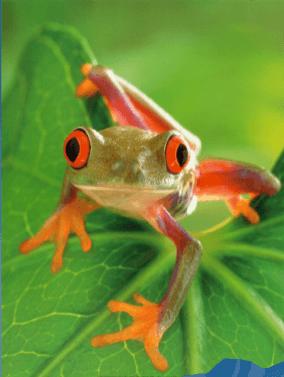
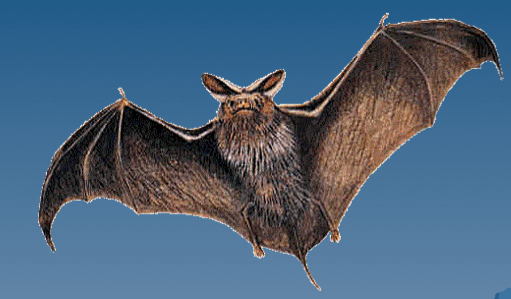
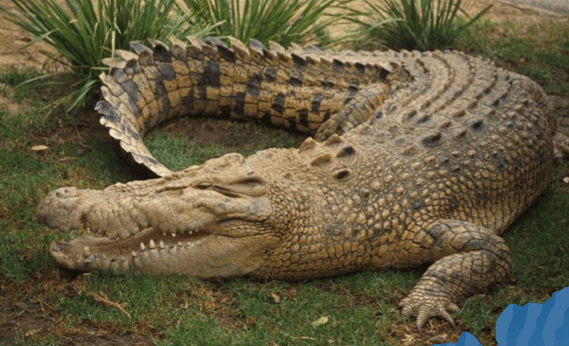

Mammals lay eggs.
true
false
Which are invertebrates?
spiders
clams
fish
lobsters
There are more vertebrates in the world.
true
false
There are ___ major groups of vertebrates.
3
4
5
6

