
 Worksheets
Cardiovascular system, Respiratory System, Immune System
Total questions: 108
Worksheet time: 3hrs 52mins

How many blood vessel types do humans have?
4
5
3
2
Human blood vessels are
artries, capillaries, and atria
ventricles, atria and pulmonary veins
capillaries, artries, and veins
veins, artries, and aorta
The thickest and strongest blood vessel is the
vein
artery
capillary
both veins and capillaries
The blood vessel that has the largest diameter is
vein
artery
capillary
The blood vessel that has valves at intervals...
capillary
artery
vein
none of the above
Valves in veins
support them
protect them
prevent the backward movement inside them
provide them elesticity
which of the blood vessels do you think have greatest blood pressure
veins
capillaries
atria
arteries
These are one cell thick
arteries
capillaries
veins


Identify the structure the arrow is pointing to
Vena Cava
Septum
Left Ventricle
Right Ventricle

Name the valve between the left atrium and the left ventricle (number 7 on the diagram)
mitral/bicuspid valve
tricuspid valve
aortic valve
pulmonary valve

Name the valve between the right atrium and the right ventricle (number 12 on the diagram)
tricuspid valve
mitral/bicuspid valve
aortic valve
pulmonary valve

Name the valve between the right ventricle and the pulmonary artery (number 4 on the diagram).
pulmonary valve
aortic valve
mitral/bicuspid valve
tricuspid valve

Name the vessel that returns blood to the right atrium from the lower half of the body. (number 15 on the diagram).
superior vena cava
inferior vena cava
aorta
septum

Name the valve located between the left ventricle and the aorta (number 6 on the diagram).
pulmonary valve
aortic valve
mitral/bicuspid valve
tricuspid valve
What is the primary function of the white blood cells?
To transport oxygen around the body.
To carry dissolved sugars.
To clot and cover wounds like cuts and grazes.
To release antibodies to help destroy infections.
What is the primary function of the red blood cells?
To transport oxygen around the body and to the muscles.
To release antibodies to fight infections.
To carry dissolved nutrients and sugars.
To clot and form scabs if there is a wound on the body.
Which blood vessels take blood AWAY from the heart?
Veins
Arteries
Capillaries
What makes up around 55% of the blood?
Plasma
Red Blood Cells
White Blood Cells
Platelets
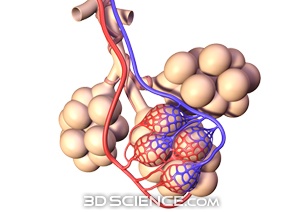
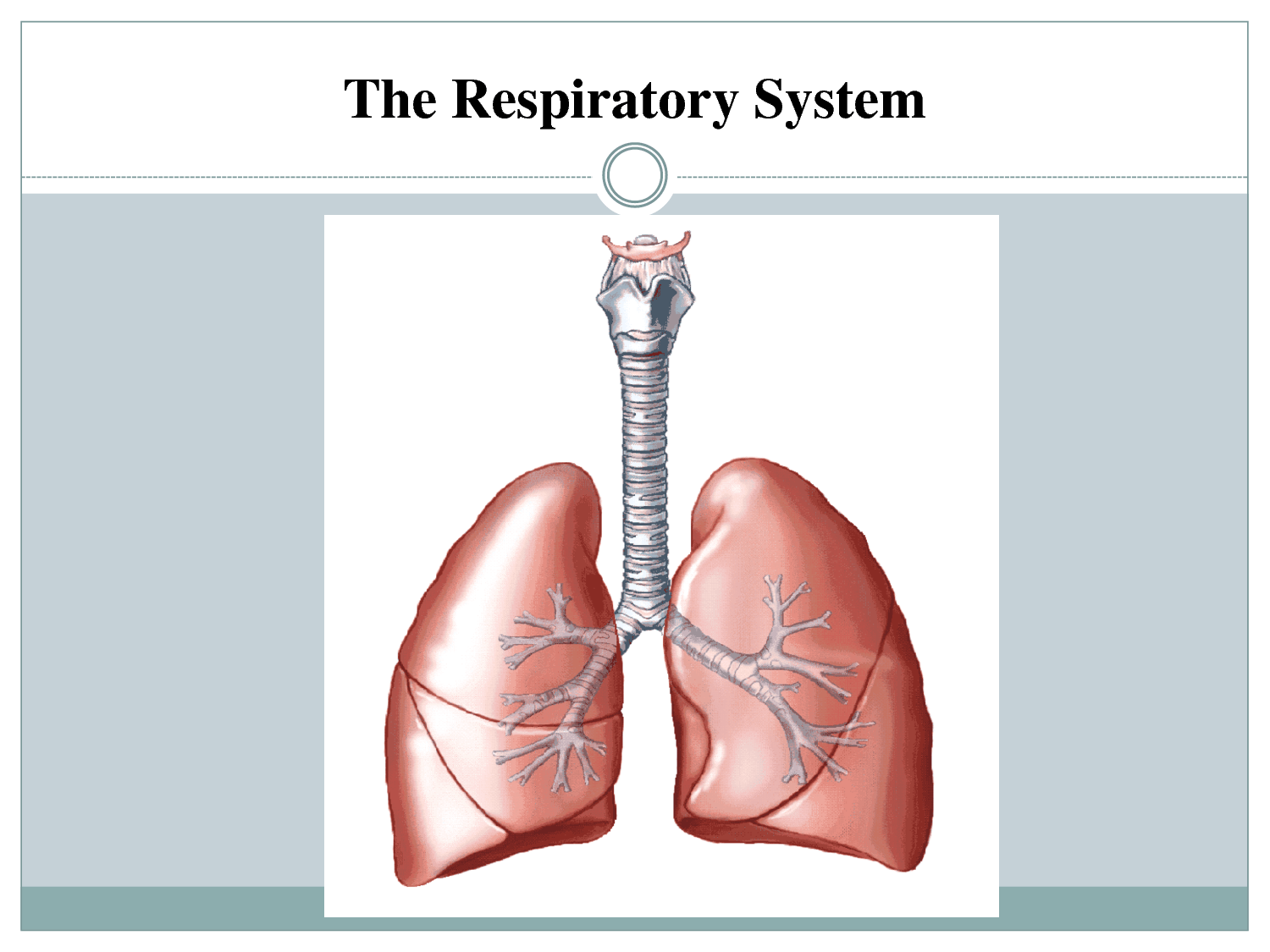

What is A pointing to?
trachea
diaphragm
bronchi
nasal cavity
What is B pointing to?
trachea
diaphragm
pharynx
nasal cavity
What is C pointing to?
trachea
diaphragm
pharynx
nasal cavity
What is D pointing to?
trachea
bronchi
alveoli
nasal cavity
What is E pointing to?
trachea
bronchi
alveoli
bronchioles
What is F pointing to?
trachea
bronchi
alveoli
bronchioles
What is G pointing to?
trachea
diaphragm
pharynx
nasal cavity

In diagram A, the diaphragm is contracted. The volume of the rib cage will ___ & the pressure will ___causing you to ___ .
increase, decrease, inhale
decrease, increase, inahle
increase, decrease, exhale
decrease, increase, exhale
In diagram B, the diaphragm is relaxed. The volume of the rib cage will ___ & the pressure will ___causing you to ___ .
increase, decrease, inhale
decrease, increase, inahle
increase, decrease, exhale
decrease, increase, exhale
What does your nasal cavity do to the air as it goes to the lungs?
warms
moistens
filters
expands

Oxygen is in ___ concentration in the alveoli & ___ concentration in the blood capillary. This causes oxygen to move by ___.
low, high, active transport
high, low, osmosis
high, low, diffusion
Carbon dioxide is in high concentration in the _____ & low concentration in the ____. This causes carbon dioxide to move by ___.
alveoli, capillary, active transport
capillary, alveoli, osmosis
capillary, alveoli, diffusion
Macrophages, B cells and T cells are all examples of...
Red Blook Cells
White Blood Cells
Viruses
Pathogens
The immune system has many different types of cells. which of the cells pictured below engulfs pathogens and other foreign particles?


Which of the following is NOT a pathogen?
Fungus
Bacteria
Parasites
Macrophage

Can diseases be passed from animals to humans? (salmonella/ Lymes Disease)
Yes
No
Is it possible for viruses to mutate and develop into new strains of the virus?
Yes
No
At lunch, Leah shares her water bottle with her friend Allie. If Leah has been exposed to the flu virus, she may get sick with the flu. She may also pass the virus to Allie. Based on this evidence, which type of disease if the flu?
Environmental
Noninfectious
Parasitic
Infectious
Skin Cancer (caused by too much UV sun exposure) is caused by what type of factor?
Hereditary
Environmental
Pathogens
Fungi
The cells and tissues that recognize and attack foreign substances in the body.
Circulatory System
Endocrine System
Immune System
Nervous System
A substance usually prepared from dead or weakened pathogens introduced into the body to produce immunity
Vaccine
Disease
Immunity
White Blood Cells
Cells in our bodies that fight infection
Red Blood Cells
White Blood Cells
Platelets
Plasma

A vaccine..
makes it so you NEVER get sick.
never works.
uses a weakened or dead form of the pathogen to help build your bodies immunity.
used the full strength version of the pathogen to help you build immunity.

A molecule that the immune system recognizes either as part of the body or as coming from outside the body:
Antigen
Antibodies
Antibiotics
Antipaths
Which of the following is a way to spread infectious diseases?
Touching contaminated objects
Not washing hands regularly
Being near infected people
All of these are ways
When the body encounters a pathogen, antibodies are created that are specific to that pathogen. The next time the body encounters the pathogen, the response will be:
Slower
Faster
Macrophages, B cells and T cells are all examples of...
Red Blook Cells
White Blood Cells
Viruses
Pathogens
A molecule that the immune system recognizes either as part of the body or as coming from outside the body:
Antigen
Antibodies
Antibiotics
Antipaths
Which of the following is a way to spread infectious diseases?
Touching contaminated objects
Not washing hands regularly
Being near infected people
All of these are ways

What attaches to antigens and tags the pathogen for destruction?
Pathogen
Antibodies
B-cells
Lymphocyte
When the body encounters a pathogen, antibodies are created that are specific to that pathogen. The next time the body encounters the pathogen, the response will be:
Slower
Faster

What are the 4 types of pathogens that could cause illness?
animals, bacteria, fungi and plants
bacteria, fungi, nucleus, parasites
bacteria, fungi, viruses, parasites
bacteria, plants, fungi, parasites
Can diseases be passed from animals to humans? (salmonella/ Lymes Disease)
Yes
No
Is it possible for viruses to mutate and develop into new strains of the virus?
Yes
No
At lunch, Leah shares her water bottle with her friend Allie. If Leah has been exposed to the flu virus, she may get sick with the flu. She may also pass the virus to Allie. Based on this evidence, which type of disease if the flu?
Environmental
Noninfectious
Parasitic
Infectious
The cells and tissues that recognize and attack foreign substances in the body.
Circulatory System
Endocrine System
Immune System
Nervous System
A substance usually prepared from dead or weakened pathogens introduced into the body to produce immunity
Vaccine
Disease
Immunity
White Blood Cells
Cells in our bodies that fight infection
Red Blood Cells
White Blood Cells
Platelets
Plasma
A molecule that the immune system recognizes either as part of the body or as coming from outside the body:
Antigen
Antibodies
Antibiotics
Antipaths
Which of the following is a way to spread infectious diseases?
Touching contaminated objects
Not washing hands regularly
Being near infected people
All of these are ways
When the body encounters a pathogen, antibodies are created that are specific to that pathogen. The next time the body encounters the pathogen, the response will be:
Slower
Faster
What is the body's first line of defence against infection?
Physical barriers
White blood cells
Blood plasma
Red blood cells
Which of the following are examples of innate (non-specific) immunity?
Skin forms a physical and antiseptic barrier to pathogens
Leukocytes detect the antigens of the E.coli bacterium and produce antibodies
Macrophages engulf bacterial cells at the site of infection
The body produces large numbers of memory cells with specific antibodies
Where do B cells form and mature?
(a)
Where do T cells mature?
(a)
The foreign particle that stimulates an immune response.
Antibody
Antigen
Immunoglobulin
What is an example of Artificial active immunity?
Vaccination
Natural infection
What is the difference between Adaptive Immunity and Innate Immunity?
Innate is non specific and Adaptive is specific
Innate has several barriers
Innate uses several lymphocytes while Adaptive uses 2 types
All of the above
__________ immunity is when the bodies makes its own antibodies.
Active
Passive
Cell Mediated
Artificial
Immunity that occurs when a person's own immune system produces antibodies in response to the presence of a pathogen when a person gets sick
Natural Passive Immunity
Natural Active Immunity
Artificial Active Immunity
Immunity in which antibodies are given to a person rather than produced within the person's own body
Natural Active Immunity
Artificial Active Immunity
Artificial Passive Immunity
Natural Passive Immunity
The immunity that has a long term to lifelong effect is
active immunity
Passive immunity
What type of cell kills invading cells directly?
Helper T Cells
Cytotoxic T Cells
B cells
Cytokines

