wayground logo

Free Printable Worksheets

Font size

S
M
L
XL
Worksheets

chemistry

Total questions: 202

Worksheet time: 5hrs 51mins

Name
Class
Date
1.

What is a mole?

a)

6.022 x 10²³ particles of any substance

b)

A small burrowing animal

c)

A dark spot on your skin

d)

A spy

2.

An element's molar mass can be found on what part of an element's entry on the periodic table?

a)

atomic number

b)

atomic mass

c)

group number

d)

it can't be found on the periodic table

3.

Which of these elements has the highest molar mass?

a)

Hydrogen

b)

Iron

c)

Carbonate

d)

Cobalt

4.

You have two sealed flasks. The first flask contains 22.99 grams of solid sodium (Na). The second flask contains 200.59 grams of liquid mercury (Hg). Which flask has more moles of the indicated substance?

a)

The first flask

b)

The second flask

c)

Neither.

5.

Which of the following sets of coefficients correctly balances the above chemical equation?

__Pb(NO3)2 + __NaI ⟶


__NaNO3 + __PbI2

a)

1:2:1:2

b)

2:1:2:2

c)

1:2:2:1

d)

1:1:1:1

6.

You have 2 moles of graphite (KC8) in your pencil. How many grams of graphite are in your pencil?

a)

135.19 g

b)

270.37 g

c)

67.59 g

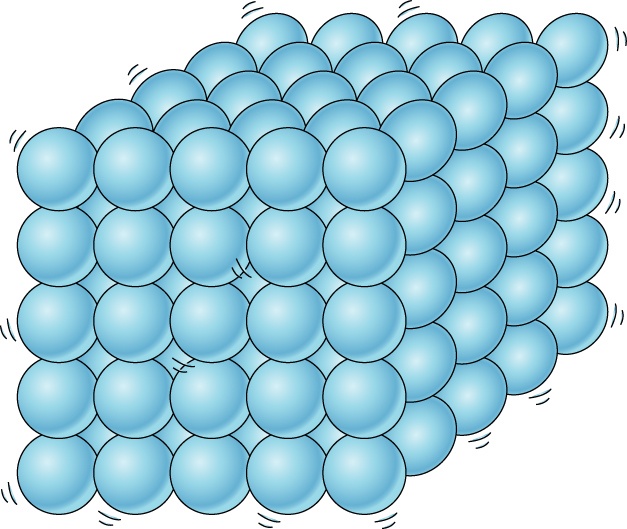
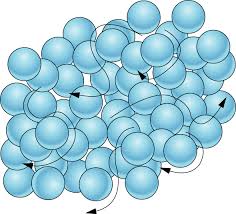
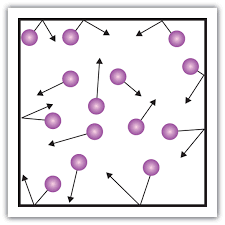
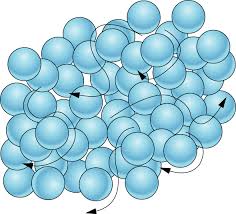
d)

134 g

7.

How many grams of carbon dioxide are in 0.5 mol of carbon dioxide?

a)

11 g

b)

44.009 g

c)

22.005 g

d)

88.018 g

8.

How many moles of Francium (Fr) are in 7.4 x 1026 atoms?

a)

1.23 moles

b)

44.56 x 1049 moles

c)

87 moles

d)

1.23 x 10³ moles Fr

9.

How many Cl- ions are found 2.00 mol of potassium chloride (KCl)

a)

6.022 x 10²³

b)

1.20 x 1024

c)

0.48

d)

5.73 x 10²³

10.

What percent of aluminum oxide is oxygen? Assume oxygen has a molar mass of 16 g/mol and aluminum has a molar mass of 27 g/mol

a)

37%

b)

47%

c)

16%

d)

60%

11.
What is the mole used for? 
a)
To measure the amount of grams in a substance
b)
To measure the amount of atoms or molecules in a substance
c)
To measure the amount of energy in a substance
d)
To measure the amount of bonding in a substance 
12.
What is Avogadro's Number? 
a)
6.02 x 10²³
b)
- 6.02 1023
c)
6.02 x 10²²
d)
6,020,000,000,000
13.
Avogadro's number of representative particles is equal to one_____.
a)
kilogram
b)
gram
c)
kelvin
d)
mole
14.
What do we call the SI unit for amount of a substance?
a)
Avogadros number
b)
kilogram
c)
mole
d)
liter
15.
A mole of Neon contains
6.02 x 10²³ _____.
a)
atoms
b)
formula units
c)
ions
d)
molecules
16.
Calculating percent composition determines the ___________ of each atom in a compound
a)
percent by mass
b)
percent by volume
c)
percent by number
17.
The molar mass of an element is the mass of one ____ of the element.
a)
atom
b)
molecule
c)
mole
d)
gram
18.
What can be determined from a balanced chemical equation?
a)
Mole ratio of any two substances in the reaction
b)
Energy released in the reaction.
c)
Electron configuration of all elements in the reaction. 
d)
Mechanism involved in the reaction. 
19.
Where do you look to calculate the molar mass?
a)
avogadros number
b)
periodic table 
20.
What is the Molar mass of one mole of Iron (Fe)?
a)
55.93 amu
b)
55.93 g
c)
111.86 amu
d)
111.86 g
21.
What is the molar mass of one molecule of Nitrogen N2?
a)
14.01 amu
b)
14.01 g
c)
28.02 g
d)
28.02 amu
22.
What is the molar mass of Carbon Dioxide (CO2)?
a)
12 amu
b)
12 g
c)
44 g
d)
44 amu
23.
What is the molecular formula if the empirical formula is C2H5 and the molecular molar mass is 58.14 g/mol?
a)
C2H5
b)
C4H10
c)
C1H2.5
d)
C4H8
24.
Find the percent composition of N2S2.
a)
N: 69.6%  S: 30.4%
b)
N:36% S: 75.6%
c)
N: 96.6% S: 3.4%
d)
N: 30.4% S: 69.6%
25.
T/F
If 2 compounds have the same empirical formula, they are the same (same properties, structure, etc.)
a)
True
b)
False
26.
Find the percent composition of Mg in Mg3(PO4)2.
   

a)
27.75% Mg
b)
23.57% Mg
c)
48.68% Mg
d)
13.45% Mg
27.
Which is Chemical Equation is Balanced?
a)
CH₄+O₂------CO₂+2H₂O
b)
H₂+O₂-----2H₂O₄
c)
4Al+3O₂-----2Al₂O₃
28.
What is the Law of Conservation of mass?
a)
Mass is created in a chemical reaction
b)
Mass is created in a physical change
c)
New chemicals formed from a chemical reaction have a larger overall mass than the original reactants
d)
Mass is never created or destroyed
29.
When balancing equations a ____ can be placed to the left of a formula of a substance to make the equations balanced
a)
charge
b)
subscript
c)
random number
d)
coefficient
30.
In this image, what are the information in red is called the_______.
a)
Product
b)
Reactant
c)
Chemical Subscript
31.
In this image, what are the information to the right of the arrow (in black) is called the_______.
a)
Product
b)
Reactant
c)
Chemical Subscript
32.
How many atoms of iodine are in a mole of iodine?
a)
53
b)
63.55g
c)
126.9
d)
6.02 x 10²³
33.
The number 6.02 x 10²³ is called...
a)
Obama's number
b)
Bohr's number
c)
Trump's number
d)
Avogadro's number
34.
We use the periodic table to calculate...
a)
mass
b)
molar mass
c)
moles
35.
What is the molar mass of C2H4O2?
a)
40g
b)
50g
c)
60g
d)
68g
36.
How do we get mass from moles?
a)
multiply by avogadro's number
b)
multiply by molar mass
c)
divide by avogadro's number
d)
divide by molar mass
37.
What would be the mass of 1.5mol H2O
a)
20
b)
27
c)
32
d)
40
38.
What is the mass of 0.75 moles of (NH4)3PO4?
a)
101.75 g
b)
121.75 g
c)
111.75 g
d)
131.75 g
39.
If I need 20.4 moles of sodium chloride, how much should I weigh out?
a)
0.549 g
b)
112 g
c)
1192 g
d)
5077 g
40.

How many molecules would be in 8.4 moles of Octane (C8H18)?

a)

5.77 x 10²³

b)

5.04 x 1024

c)

5.77 x 1026

d)

5.04 x 10²³

41.
How many molecules are in 32.4 grams of phosphorous pentoxide?
a)
1.76 x 10²³ molecules
b)
0.29 moles
c)
1.76 x 10²² molecules
d)
0.29 molecules
42.
Which has more molecules?
a)
1 mole H2O
b)
1 mole Al(OH)3
c)
1 mole NaCl
d)
There are all the same
43.
What is the mole used for? 
a)
To measure the amount of grams in a substance
b)
To measure the amount of atoms or molecules in a substance
c)
To measure the amount of energy in a substance
d)
To measure the amount of bonding in a substance 
44.

What is Avogadro's Number?

a)

6.02 x 10²³

b)

- 6.02 1023

c)

6.02 x 10⁻²³

d)

6,020,000,000,000

45.
Avogadro's number of representative particles is equal to one_____.
a)
kilogram
b)
gram
c)
kelvin
d)
mole
46.
Where do you look to calculate the molar mass?
a)
avogadros number
b)
periodic table 
47.

How many moles are in 4.5x1024 Silver atoms?

a)

0.747 particles

b)

0.747 mol

c)

2.71x1047 mol

d)

2.71x1047 particles

48.
How many moles of carbon atoms are there in 5g of carbon?
a)
60 mol
b)
17 mol
c)
0.42 mol
d)
7 mol
49.
How many molecules are there in 5.9 moles of NaCl?
a)
3.5x1024molecules
b)
9.79x10⁻²⁴molecules
c)
1.02x10²³molecules
50.
How many molecules are present in 25 g of NaBr?
a)
102.96 molecules
b)
0.24 molecules
c)
1.45x10²³ molecules
d)
2.34 x 10²⁰molecules
51.
What is the mass of 54.3x1045molecules of BeO?
a)
3.27x1070 g
b)
9.01 x10²²g
c)
2.25 x1024 g
d)
1.31 x1069g
52.
In chemistry, a "mole" is:
a)
The mass of an atom
b)
a large number used to count particles
c)
based on the volume of a substance
53.
How many atoms of iodine are in a mole of iodine?
a)
53
b)
63.55g
c)
126.9
d)
6.02 x 10²³
54.
The number 6.02 x 10²³ is called...
a)
Obama's number
b)
Bohr's number
c)
Trump's number
d)
Avogadro's number
55.
How many particles would be in 8.4 moles of Octane (C8H18)?
a)
5.77 x 10²³
b)
5.04 x 1024
c)
5.77 x 1026
d)
5.04 x 10²³
56.
Which has more molecules?
a)
1 mole H2O
b)
1 mole Al(OH)3
c)
1 mole NaCl
d)
There are all the same
57.
What is the mole used for? 
a)
To measure the amount of grams in a substance
b)
To measure the amount of atoms or molecules in a substance
c)
To measure the amount of energy in a substance
d)
To measure the amount of bonding in a substance 
58.

How many molecules are there in 5.5 moles potassium chloride?

a)

4.08 x 10⁻²⁴

b)

3.31 x 1024

c)

33.11

d)

0.98

59.
How many students are there in 31.8 moles of students?
a)
5.28 x 10⁻²³ students
b)
1.91 x 1025 students
c)
5.28x 10⁻²⁵  students
d)
1.91 x 10²² students
60.
How many moles are 2.85 x 10²⁰ atoms of iron?
a)
4.73 x 10⁻⁴ moles
b)
1.72 x 10⁴ moles
c)
1.72 x 10-42 moles
d)
4.73 x 10⁴ moles
61.
How many moles of copper are 4.57 x 10¹⁵ atoms of copper?
a)
7.59 x 10⁻⁹ moles
b)
2.75 x 10⁻³³ moles
c)
7.59 x 10⁹ moles
d)
2.75 x 1033 moles
62.
A mole of carbon disulfide contains 6.02 x 10²³ _____.
a)
atoms
b)
formula units
c)
ions
d)
molecules
63.
Determine the amount of moles in 4.50 x 10²³ atoms of fluorine.
a)
9.03 x 1046 moles
b)
0.757 moles
c)
4.73 moles
d)
0.0131 moles
64.

Determine the number of atoms in 0.50 moles of zinc.

a)

0.30 x 1024 atoms

b)

4.15 x 10⁻²⁴ atoms

c)

2.71 x 10⁻²² atoms

d)

303 atoms

65.
Five moles of Cl2 has the same particles in five moles of O2
a)
True
b)
False
66.
Convert 1.5 moles of beryllium oxide to molecules
a)
25.01 molecules
b)
9.0 x 10²³ molecules
c)
0.12 molecules
d)
1.80 x 1024 molecules
67.
Which list of number of atoms in Mg(NO2)2 is right?
a)
Mg : 1--NO :  2
b)
Mg : 1-- N :  6--O:  2
c)
Mg :  1-- N:   1--  O: 2
d)
Mg :  1-- N: 2--  O: 4
68.
Which list of number of atoms in K3POis right?
a)
K : 3--PO : 3
b)
K :3--P :  1--O: 3
c)
K :  3-- P: 4--O: 1
d)
K :  3-- P: 5--O: 4
69.
How many molecules are in 9.4 moles of AlCl3?
a)
5.66
b)
5.66x1024
c)
0.705
d)
1.25x10²³
70.
How many moles are in 6 x 10²³ molecules of H2O?
a)
1
b)
2
c)
6
d)
600
71.
How many molecules are in 2.5 mol of NaCl?
a)
1.51x10²³
b)
146
c)
4.15
d)
1.51x1024
72.

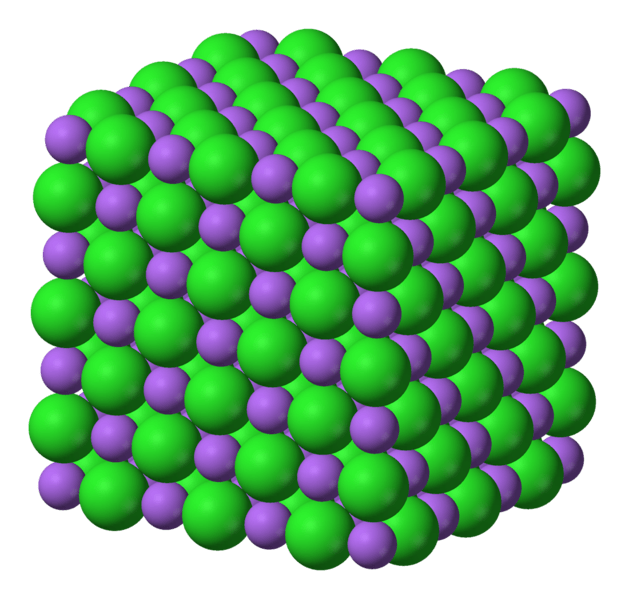
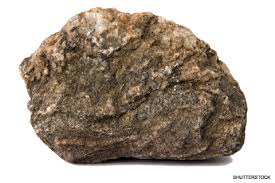
What state of matter?

a)

Solid

b)

Liquid

c)

Gas

d)

Plasma!!!

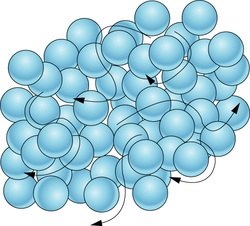
73.

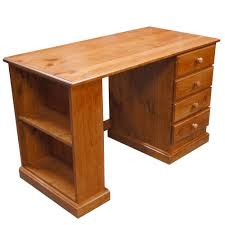
What state of matter?

a)

Solid

b)

Liquid

c)

Gas

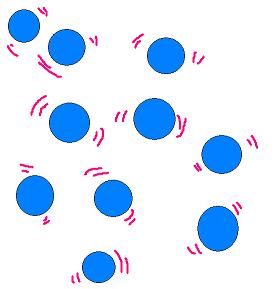
74.

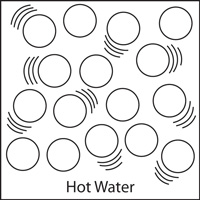
What state of matter?

a)

Solid

b)

Liquid

c)

Gas

75.

Which is not true about the liquid state of matter?

a)

The liquid state has a definite volume and a definite shape.

b)

The liquid state takes on the shape of its container.

c)

The liquid state has a definite volume and an indefinite shape.

d)

The particles in a liquid can easily move past each other.
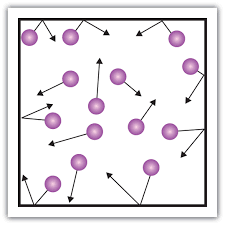
76.

A gas typically consists of:

a)

low energy particles that experience high attractive forces between them.

b)

low energy particles that experience no attractive forces between them.

c)

high energy particles that experience high attractive forces between them.

d)

high energy particles that experience little attractive force between them
77.

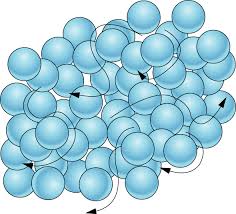
Which of the following statements is true regarding the particle structure of liquids? Particles of a liquid are:

a)

very close together, so the liquid cannot easily change its shape.

b)

fast-moving, so they fill the volume of their container.

c)

relatively close together, so they cannot be easily compressed.

d)

very far apart, so they have plenty of room to move around.

78.

The state of matter in which a material has a definite volume and a definite shape is the:

a)

Solid

b)

Liquid

c)

Gas

d)

Plasma

79.

Which process could cause a material to change state from gas to liquid?

a)

Adding heat

b)

Adding energy

c)

Removing particles

d)

Removing energy

80.

If I add heat to a solid, how will the motion of the particles be affected?

a)

They will move slower

b)

They will stop moving

c)

They will move faster

d)

They will move to a different container

81.

How can you stop the movement of particles?

a)

Increase the temperature

b)

Decrease the temperature

c)

You can't.

d)

Hold them still with your hands.

82.

Which state of matter does this picture show?

a)

Solid

b)

Liquid

c)

Gas

83.

What state of matter does this picture show?

a)

Solid

b)

Liquid

c)

Gas

84.

Which state of matter does this picture show?

a)

Solid

b)

Liquid

c)

Gas

85.

What is the best definition of temperature?

a)

How hot or cold something is

b)

A measure of how fast the molecules are moving in a substance

c)

How hot or cold something feels to a person

86.

As temperature increases, what happens to particles?

a)

They speed up

b)

They slow down

87.

As temperature decreases, what happens to particles?

a)

They speed up

b)

They slow down

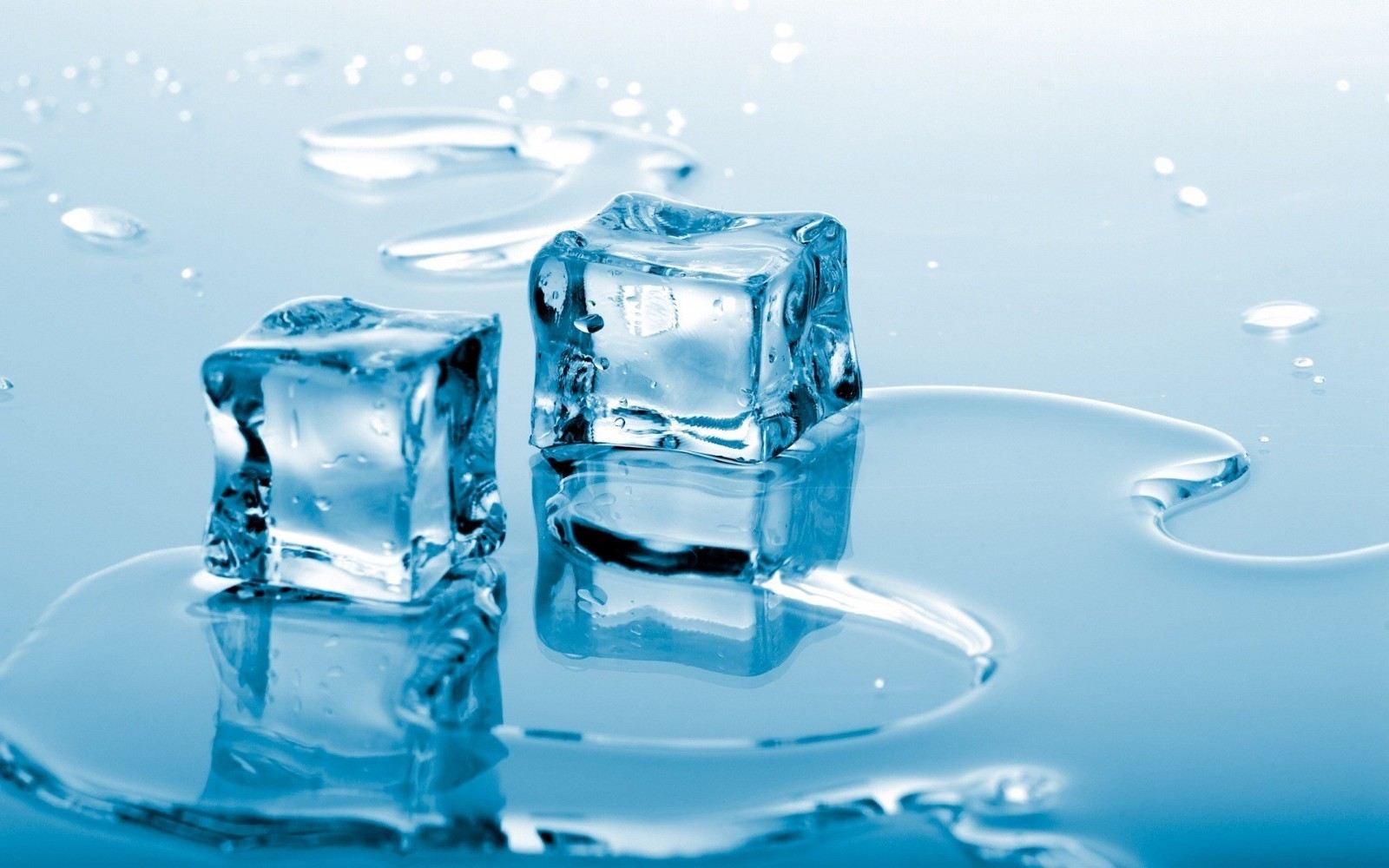
88.

What is happening in this picture of ice melting?

a)

Molecules are speeding up

b)

Molecules are slowing down

89.

What is happening in this picture of water boiling?

a)

Molecules are speeding up

b)

Molecules are slowing down

90.

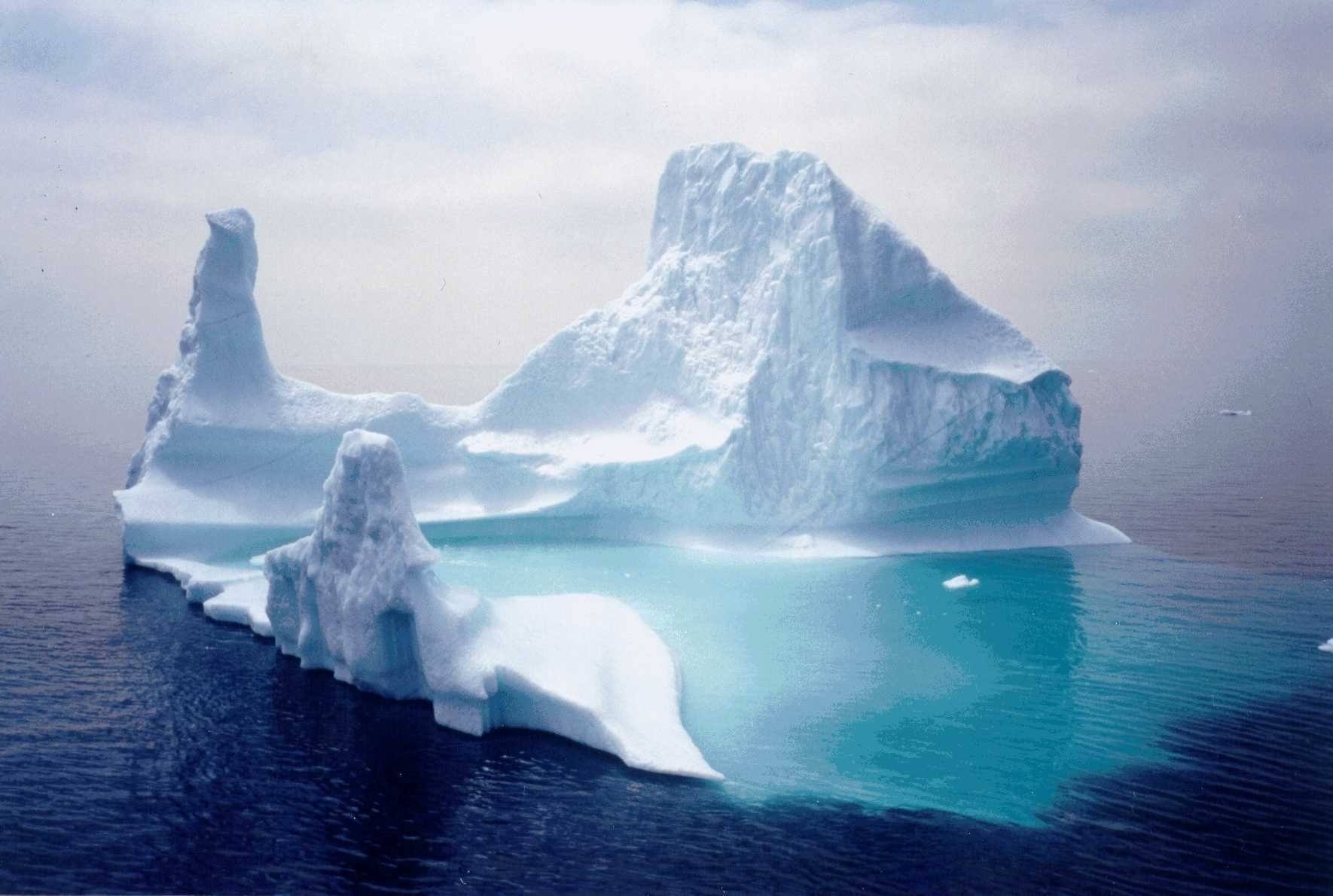
What is happening in this picture of this lake freezing?

a)

Molecules are speeding up

b)

Molecules are slowing down

91.

What is happening to the outside of this water bottle?

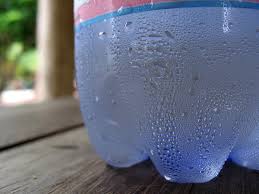
a)

Molecules are speeding up

b)

Molecules are slowing down

92.
From 30 degrees to 55 degrees, what state of matter is the substance?
a)
Solid
b)
Liquid
c)
Gas
d)
Plasma
93.
Which form of matter does not take the shape of its container?
a)
liquid
b)
gas
c)
solid
d)
air
94.
What is increasing as time increases?
a)
state of matter
b)
boiling point
c)
melting point
d)
kinetic energy
95.
The combination of pressure and temperature where all three states of matter will exist at the same time
a)
triple point
b)
temperature point
c)
pressure point
d)
the point of three states
96.
Evaporation is when liquid particles absorb enough energy to leave the 
a)
surface
b)
bottom
c)
center
d)
liquid throughout
97.
Sublimation is
a)
when solid turns into gas
b)
when gas turns into plasma
c)
when liquid turns into gas
d)
when gas turns into solid
98.
Fluid states are
a)
solid and gas
b)
liquid and gas
c)
solid and liquid
d)
solid, liquid and gas
99.
What state of matter is segment 5?
a)
Solid
b)
Liquid
c)
Gas
d)
Plasma
100.
To boil, what must equal the atmospheric pressure?
a)
atmosphere
b)
kinetic energy
c)
vapor pressure
d)
temperature
101.
The Kelvin temperature scale is based on
a)
potential energy
b)
kinetic energy
c)
Kelvins
d)
water
102.
In a closed container, the molecules evaporating will eventually equal
a)
the molecules condensing
b)
the molecules in the liquid
c)
the molecules of air
d)
the molecules in equilibrium
103.
If a solid does not have a uniform crystalline structure, it is considered
a)
an allotrope
b)
a liquid
c)
amorphous
d)
a metal
104.
30 degrees Celcius would equal
a)
273 K
b)
243 K
c)
30 K
d)
303K
105.
The only state that will change volume with pressure changes is
a)
a solid
b)
a liquid
c)
a gas
d)
no states of matter
106.
A phase change from liquid to gas
a)
condensation
b)
vaporization
c)
sublimation
d)
deposition
107.
State of matter with no definite shape or volume.
a)
solid
b)
liquid
c)
gas
d)
Mississippi
108.
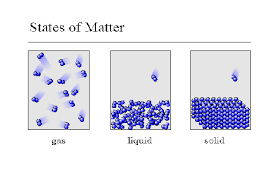
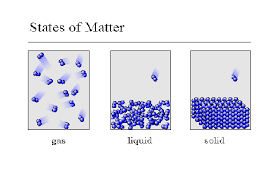
What state of matter does the picture best describe?
a)
Solid
b)
Liquid
c)
Gas
109.
Which State of Matter does the diagram best represent?
a)
Solid
b)
Liquid
c)
Gas
110.
In the above diagram, "State of Matter B" is a liquid. This means that it has:

a)
definite shape and volume.
b)
no definite shape or volume.
c)
definite volume, but changing shape.
d)
definite shape, but changing volume.
111.
If the tops were removed from the cylinders, the following would happen:
a)
The solid would fly out of the container
b)
The liquid would fly out of the container.
c)
The gas would fly out of the container.
d)
They ALL would fly out of the container.
112.

A solid is a state of matter that has a(n)

a)

indefinite volume and an indefinite shape

b)

definite volume and a definite shape

c)

definite volume and indefinite shape

d)

indefinite volume and a definite shape

113.

In which state are particles packed tightly together in fixed positions?

a)

Gas

b)

Solid

c)

Liquid

d)

Plasma

114.

Particles of a liquid

a)

Are tightly packed together and stay in a fixed position.

b)

Have no viscosity.

c)

Decrease in volume with increasing temperature.

d)

Are free to move in a container but remain in close contact with one another.

115.

The state of matter in which particles are arranged in either a crystallyne or amorphous form is:

a)

Bose-Einstein Condensate

b)

Solid

c)

Liquid

d)

Gas

116.

In which states of matter do the particles spread apart and fill all the space available to them?

a)

solid

b)

liquid

c)

gas

d)

plasma

117.

The change from liquid to solid, ot the reverse of melting, is called

a)

condensation

b)

boiling

c)

sublimation

d)

freezing

118.

What is vaporization?

a)

A gas becoming a liquid

b)

A liquid becoming a solid

c)

A gas becoming a solid

d)

A liquid becoming a gas

119.

During the process of sublimation,

a)

A solid turns directly into a gas.

b)

A solid turns into a liquid.

c)

A gas turns directly into a solid.

d)

A liquid turns into a gas.

120.

An uncovered pot of soup is simmering on a stove, you cover it and see water droplets on the lid. What sequence can you infer has occured?

a)

melting, then boiling

b)

freezing, then thawing

c)

vaporization, then condensation

d)

condensation, then vaporization.

121.

Where can we see plasma?

a)

Lightning

b)

Stars

c)

Volcanoes

d)

Geysers

122.

Using particle movement, order the states of matter

a)

Solid, liquid, gas, plasma, Bose-Einsteing condensate

b)

Plasma, solid, liquid, gas, Bose-Einstein condensate

c)

Bose-Einstein condensate, solid, liquid, gas, plasma

d)

Solid, liquid, gas, plasma

123.
Matter changes state when...
a)
energy is added or removed
b)
energy is added
c)
energy is removed
d)
there is no energy
124.
As molecules gain energy, they move _____ and spread apart, and vise versa.
a)
faster
b)
slower
c)
less
d)
inside
125.
If you want to change liquid water into a gas you must:
a)
remove heat from the water
b)
apply pressure to the water
c)
add heat to the water
d)
add chemicals to the water
126.
Suppose you pour a glass of ice water and set it on the kitchen table. After a few minutes, the outside of the glass will be covered with drops of water. Why did this happen?
a)
Oxygen in the air cooled and condensed onto the cold glass.
b)
Water vapor in the air cooled and condensed onto the cold glass.
c)
Water vapor in the air cooled and evaporated onto the cold glass.
d)
Water seeped through pores in the glass.
127.
When a gas forms directly into a solid, skipping the liquid phase
a)
deposition
b)
sublimation
c)
evaporation
d)
condensation
128.
What is the opposite of melting?
a)
condensation
b)
evaporization
c)
freezing
d)
sublimation
129.
 The process where water vapor changes from a gas to a liquid is called:
a)
sublimation
b)
precipitation
c)
evaporation
d)
condensation
130.

Iodine gas particles can change directly to a solid when cooled. What is the name of this change of state?

a)

condensation

b)

deposition

c)

freezing

d)

plasma

131.
What happens to a substance when it changes from a liquid to a solid?
a)
it gains mass
b)
it gains energy
c)
it loses mass
d)
it loses energy
132.
At higher temperatures
a)
particles in an object have less energy
b)
particles in an object move faster
c)
a gas contracts
133.
A gas
a)
has a definite shape but no definite volume
b)
has a definite volume but no definite shape
c)
has fast-moving particles
134.
Freezing
a)
Solid to gas
b)
Liquid to solid
c)
Gas to solid
d)
Liquid to gas
135.
Which state of matter has tightly packed molecules?
a)
solid
b)
liquid
c)
gas
136.
Which state of matter has a definite shape?
a)
solid
b)
liquid
c)
gas
137.
Define a liquid.
a)
Indefinite shape, indefinite volume
b)
Definite shape, definite volume
c)
Found in stars
d)
Definite volume, indefinite shape
138.
The state of matter that has no definite size or shape is
a)
Solid
b)
Liquid
c)
Gas
139.
What is happening when my ice cream changes from a solid to a liquid?
a)
freezing
b)
melting
c)
burning
d)
evaporation
140.
Particles (molecules) in a ______________________ have more energy than the other states of matter.
a)
gas
b)
solid
c)
liquid
141.
What term describes a solid changing to a gas?
a)
Deposition
b)
Sublimation
c)
Evaporation
d)
Freezing
142.
The speed of the molecules determines the _____.
a)
volume
b)
density
c)
pressure
d)
temperature
143.
Thermal energy is...
a)
heat energy.
b)
the energy of motion
c)
energy of nuclear processes.
d)
an indication of physical change.
144.
Which form of matter take the shape of a container like this juice?
a)
liquid
b)
solid
c)
glass
d)
gas
145.
When the temperature of matter decreases the particles ...
a)
speed up and move farther apart
b)
speed up and move closer together
c)
slow down and move farther apart
d)
slow down and move closer together
146.
When the temperature of matter increases the particles...
a)
speed up and move closer
b)
speed up and move farther apart
c)
slow down and move closer together
d)
slow down and move farther apart
147.
If the tops were removed from the cylinders, the following would happen:
a)
The solid would fly out of the container
b)
The liquid would fly out of the container.
c)
The gas would fly out of the container.
d)
They ALL would fly out of the container.
148.
Which of the following statements is NOT true of all different types of matter?
a)
They are made of atoms and molecules
b)
The particles are always in motion
c)
The particles always move at the same speed
d)
They are made of particles that are too small to see
149.
Particles of a liquid
a)
are tightly packed together and vibrate in place
b)
have no viscosity.
c)
collide with one another
d)
vibrate and slide past each other
150.
Define a liquid
a)
no shape, no volume
b)
Definite shape, definite volume
c)
Found in stars
d)
Definite volume, no shape
151.
Which state of matter has particles arranged like this?
a)
solid
b)
liquid
c)
gas
152.
Which state of matter has particles that are stuck in one spot but vibrate?
a)
solid
b)
liquid
c)
gas
153.
From 30 degrees to 55 degrees, what state of matter is the substance?
a)
Solid
b)
Liquid
c)
Gas
d)
Plasma
154.
What is increasing as time increases?
a)
state of matter
b)
boiling point
c)
melting point
d)
kinetic energy
155.
The combination of pressure and temperature where all three states of matter will exist at the same time
a)
triple point
b)
temperature point
c)
pressure point
d)
the point of three states
156.
Evaporation is when liquid particles absorb enough energy to leave the 
a)
surface
b)
bottom
c)
center
d)
liquid throughout
157.
Sublimation is
a)
when solid turns into gas
b)
when gas turns into plasma
c)
when liquid turns into gas
d)
when gas turns into solid
158.
Fluid states are
a)
solid and gas
b)
liquid and gas
c)
solid and liquid
d)
solid, liquid and gas
159.
To boil, what must equal the atmospheric pressure?
a)
atmosphere
b)
kinetic energy
c)
vapor pressure
d)
temperature
160.
In a closed container, the molecules evaporating will eventually equal
a)
the molecules condensing
b)
the molecules in the liquid
c)
the molecules of air
d)
the molecules in equilibrium
161.
If a solid does not have a uniform crystalline structure, it is considered
a)
an allotrope
b)
a liquid
c)
amorphous
d)
a metal
162.
The only state that will change volume with pressure changes is
a)
a solid
b)
a liquid
c)
a gas
d)
no states of matter
163.
What state of matter does the picture best describe?
a)
Solid
b)
Liquid
c)
Gas
164.
Which State of Matter does the diagram best represent?
a)
Solid
b)
Liquid
c)
Gas
165.
If the tops were removed from the cylinders, the following would happen:
a)
The solid would fly out of the container
b)
The liquid would fly out of the container.
c)
The gas would fly out of the container.
d)
They ALL would fly out of the container.
166.

Which process could cause a material to change state from gas to liquid?

a)

Adding heat

b)

Adding energy

c)

Removing particles

d)

Removing energy

167.
When the temperature of matter decreases the particles ...
a)
speed up and move farther apart
b)
speed up and move closer together
c)
slow down and move farther apart
d)
slow down and move closer together
168.

What will occur when the substance transitions from B to A? (Diagram A)

a)

condensation

b)

evaporation

c)

melting

d)

freezing

169.

What is the normal boiling point of this substance? (Diagram C)

a)

150 °C

b)

100 °C

c)

-50 °C

d)

0 °C

170.

**An ice cube feels cold when we hold it. Which of the following best explains why?

a)

Heat moves from our hands into the ice cube.

b)

Cold moves from our hands into the ice cube.

c)

Heat moves from the ice cube into our hands.

d)

Cold moves from the ice cube into our hands.

171.
Which statement is true for carbon dioxide at -60 °C?
a)
All three phases are possible.
b)
It can exist as a solid or a gas, depending on pressure.
c)
It is a solid.
d)
With enough pressure it can be melted.
172.
What is point B?
a)
triple point
b)
critical point
c)
equilibrium point
d)
normal melting point
173.

Pick the gas

a)

milk

b)

chair

c)

ice

d)

water

e)

oxygen

174.

Producers make their own food, what is the other group of living things that have to consume (eat) their food?

a)

producers

b)

photosynthesis

c)

consumptioners

d)

consumers

175.

Which state of matter keeps its shape and volume even when we put it in a different container?

a)

gas

b)

liquid

c)

solid

d)

solid and liquid

e)

gas and liquid

176.

How are you doing in class?

a)

I try my very best

b)

I try sometimes

c)

I don't try sometimes in this class

d)

I don't try at all in this class

177.

Which state of matter does the shape change when we put it in a different container, but the volume stays the same?

a)

gas

b)

liquid

c)

solid

d)

solid and liquid

e)

gas and liquid

178.

What is it called to make a liquid become a solid?

a)

freezing

b)

melting

c)

boiling

179.

Pick the liquids

a)

milk

b)

chair

c)

ice

d)

water

e)

oxygen

180.

Do you think you can learn new things?

a)

yes

b)

maybe

c)

no

181.

Producers use sunlight, water, and carbon dioxide to create their own food. What process do most producers use?

a)

production

b)

photosynthesis

c)

consumption

d)

consumers

182.

What state of matter is the air that we breathe?

a)

solid

b)

liquid

c)

gas

183.

What is it called to make a solid become a liquid?

a)

freezing

b)

melting

c)

boiling

184.

Pick the solids

a)

milk

b)

chair

c)

ice

d)

water

e)

oxygen

185.

What is Mrs. Carey's first name?

a)

Christin

b)

Caitlin

c)

Christy

d)

Kayla

186.

What is the MAIN energy source for all things on the planet?

a)

wind

b)

animals

c)

plants

d)

sun

e)

water

187.

How many Fs do you have right now?

a)

0-1

b)

2-3

c)

4-5

d)

6-7

188.

Indicate which of these characteristics correspond to evaporation (E) and which correspond to boiling (B): A surface phenomenon

a)

Evaporation

b)

Boiling

189.

Indicate which of these characteristics correspond to evaporation (E) and which correspond to boiling (B):It occurs at a given temperature

a)

Evaporation

b)

Boiling

190.

Acetona´s fusion and boling point are -95°C AND 56°C respectively. Look at the following graph and heating curve and answer: what is the state of this substance at 0°C?

a)

Solid

b)

Liquid

c)

Gas

d)

Plasma.

191.

Indicate if the following statements are true (T) or false (F): Gases have not got a mass and therefore can diffuse.

a)

TRUE

b)

FALSE

192.

Indicate if the following statements are true (T) or false (F): An excess of carbon dioxide causes an anormal increase in the greenhouse effect triggering a chance in the climate on a global level

a)

TRUE

b)

FALSE

193.

Indicate which of the following changes of state are progressive.

a)

Sublimation and solidification

b)

Fusion and reverse sublimation

c)

Vaporization and condensation

d)

Melting and vaporization

194.

Indicate thestate of matter depending of the properties of matter in each state: The only motion of the particles is vibration. They do not move much relative to each other.

a)

Solid

b)

Liquid

c)

Gas

195.

Indicate thestate of matter depending of the properties of matter in each state: The forces of attraction between particles are intermediate

a)

Solid

b)

Liquid

c)

Gas

196.

Indicate thestate of matter depending of the properties of matter in each state: The forces of attraction between particles are almost null

a)

Solid

b)

Liquid

c)

Gas

197.

Is to move gradually from one to another. Liquids and gases have this propertie.

a)

To flow

b)

Compression

c)

Diffusion

198.

Is a phenomenon that occurs when one substance mixes with another. (Ink in water)

a)

To flow

b)

Compression

c)

Diffusion

199.

Is the process in which we can reduce the volume of a substance by appliying force to it.

a)

To flow

b)

Compression

c)

Diffusion

200.

We can change the pahse of a system without changing its pressure in two ways:

a)

Cooling and heating

b)

Difussion and flow

c)

None of the above

201.

Lowering the temperature...

a)

Exothermic phase changes

b)

Endothermic phase changes

c)

None of the above

202.

Rasing the temperature of the system...

a)

Exothermic phase changes

b)

Endothermic phase changes

c)

None of the above.