
 Worksheets
Aldehyde & Ketone
Total questions: 115
Worksheet time: 1hrs 3mins

Name the compound
(a)
Ending of carboxylic acid (SPELL IT IN CAPITAL LETTERS)
(a)
Ending of amides (please spell it in CAPITAL LETTERS)
(a)

Choose the best reagent in the missing box for carrying out the following reaction
PCC, CH2Cl2
CH3MgBr in ether, then H3O+
m-ClC6H4CO3H
warm H2SO4/H2O
NaOCH3, CH3OH

A
B
C
D

The following reaction scheme shows how propene can be prepared from propanal in two stages using reagents X and Y. Which of the following are the reagents X and Y?
X Y
CH3CH2CHO → CH3CH2CH2OH → H3CH=CH2
X: LiAlH4 ; Y: KOH, ethanol, reflux
X: NaBH4 ; Y: conc.H2SO4, heat
X: dillute H2SO4 ; Y: conc.ethanol, reflux
X: dillute H2SO4 ; Y: KOH, ethanol, reflux

Which one of these is an carboxylic acid


The addition of HCN to carbonyl compounds is an example of
(a) nucleophilic addition
(b) electrophilic addition
(c) free radical addition
(d) electromeric addition
Which of the following is not a carbonyl compound?
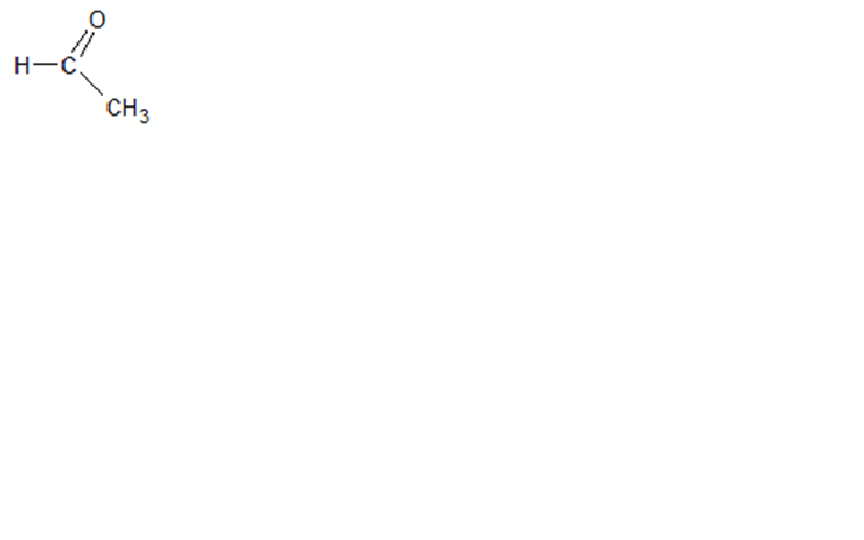
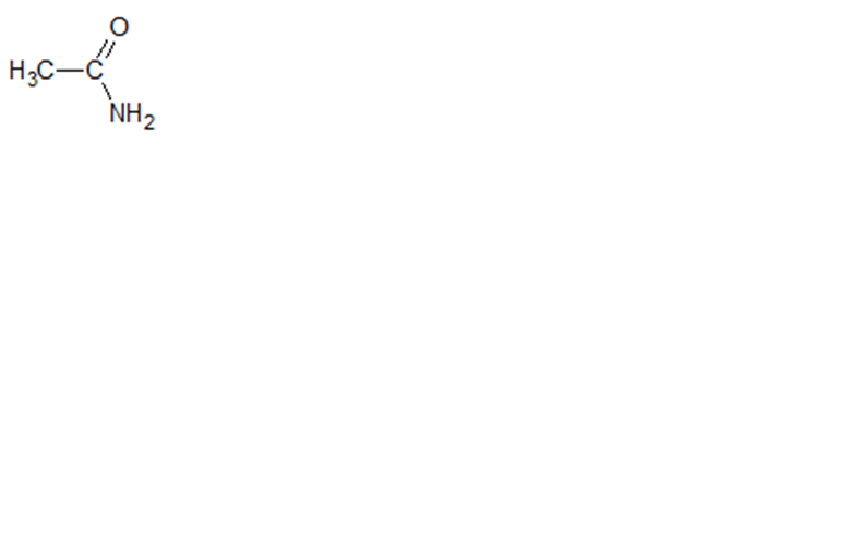
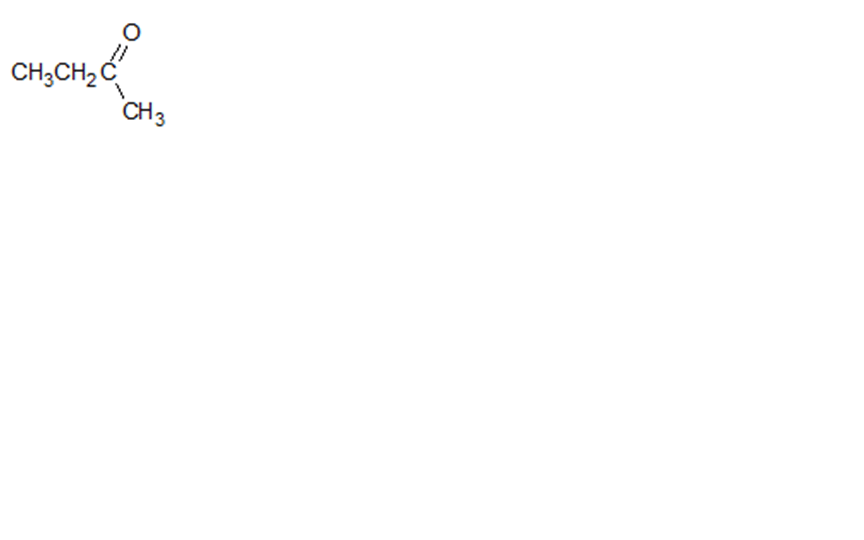
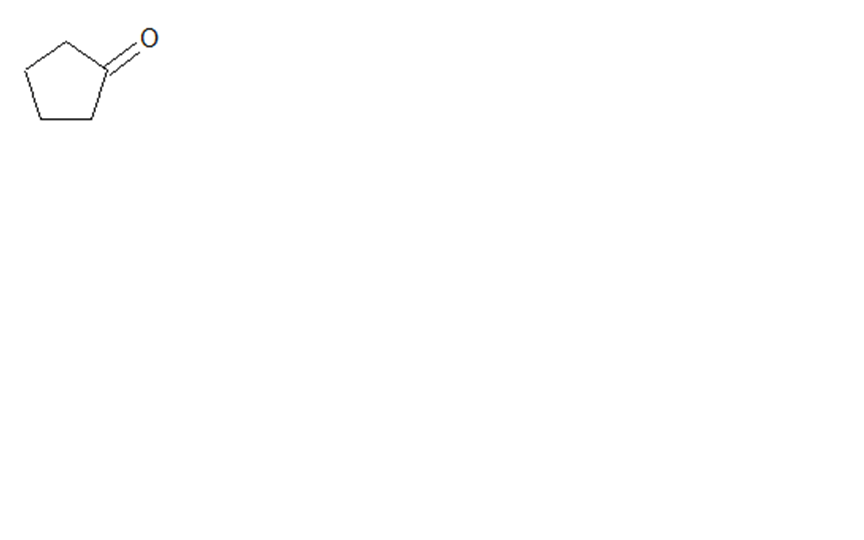

What is this?
Aldehyde
Ketone
Esther
Carboxylic acid
Which substance would test positively with 2,4-DNPH but negatively with Tollens’ reagent?
Propanal
Propanone
Propanoic acid
1-propanol
The structure of 4-hydroxyl-3-methylhexanal is :


Name the compound
(take your time, write in lower case)
(a)


Give the IUPAC name for the following compound
2-methyl-3-butanone
3-methyl-3-butanone
3-methyl-2-butanone
3-methylbutanone

Name this compound
3-chloro-2-propanone
3-chloro-1-methylpropanone
4-chloro-2-butanone
4-chloro-butanone

What is this? (write the functional group in lowercase)
(a)

A
B
C
D

A
B
C
D

A
B
C
D
The ending of amines is "amine"?
Type YES or NO depending on your answer
(a)
To convert toulene to benzaldehyde reaction used is
Gattermann koch
Etard 's reaction
Rosen mund
aldol
Which reagent would you choose to convert 1-pentanol to pentanal?
PCC in CH2Cl2
K2Cr2O7 with aqueous H2SO4
KMnO4 with aqueous H2SO4
KOH, ethanol, reflux
Which of the following is used in Rosenmund reduction?
LiAlH4
H2 /Pd-BaSO4
Na/Ethanol
NaBH4
What is the general formula for KETONE ?
CnH2nO
CnH2n+2O
CnH2n+2O2
CnHnO
Ending of a ketone
(spell it in lower case)
(a)
Give the IUPAC name for the following compound
2-methyl-3-butanone
3-methyl-3-butanone
3-methyl-2-butanone
3-methylbutanone
Is a linkage between a carbonyl group (C=0)
and a nitrogen atom
Amine
Amide
Carboxylic acid
Ester
When there are 2 carboxylic acids in a carbon chain
an ending is used called...
DIC
DIOIC
DUOIC
TRIOIC
Which of the following is NOT a carbonyl compound?


The oxidation of toluene to benzaldehyde by chromyl, chloride is called
(a) Etard reaction
(b) Riemer-Tiemann reaction
(c) Wurtz reaction
(d) Cannizzaro’s reaction

Name this carbonyl compound according to IUPAC nomenclature:
3-benzyl-3,3-methylbutanone
3-methyl-3-phenyl-2-butanone
4-phenyl-3,3-dimethylbutanone
1-phenyl-3,3-dimethylbutanone


Choose correct statement/statements for reaction
all aldehydes undergo cannizarro reaction
aldehydes without alpha hydrogen undergo cannizaro reaction
formldehyde gives this reaction
benzaldehyde gives this reaction

What is the name for the compound shown?
5-iodopentan-3-one
5-iodopentan-2-one
1-iodopentan-3-one
1-iodopentan-2-one

An organic compound X has the following chemical properties.
· Forms a yellow precipitate when tested with 2,4-dinitrophenylhydrazine.
· Forms a yellow precipitate when it reacts with an excess iodine in alkaline solution.
Which of the following compounds is X?
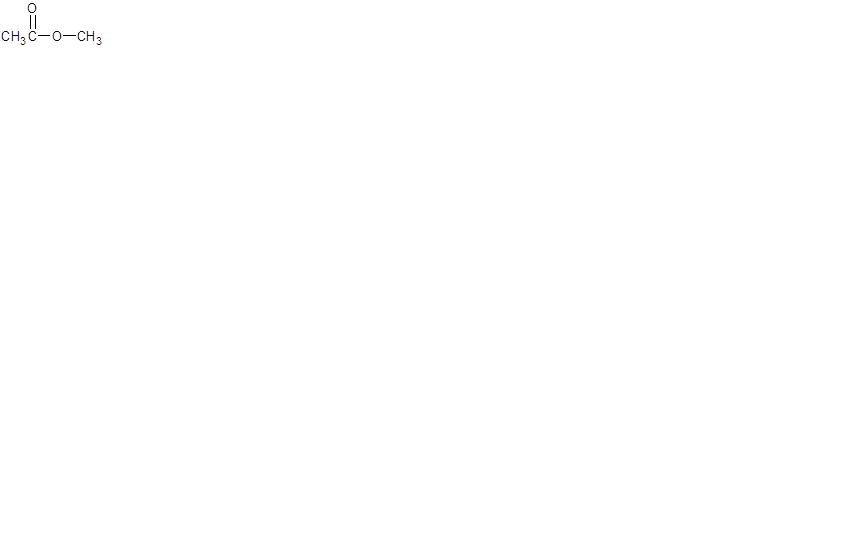
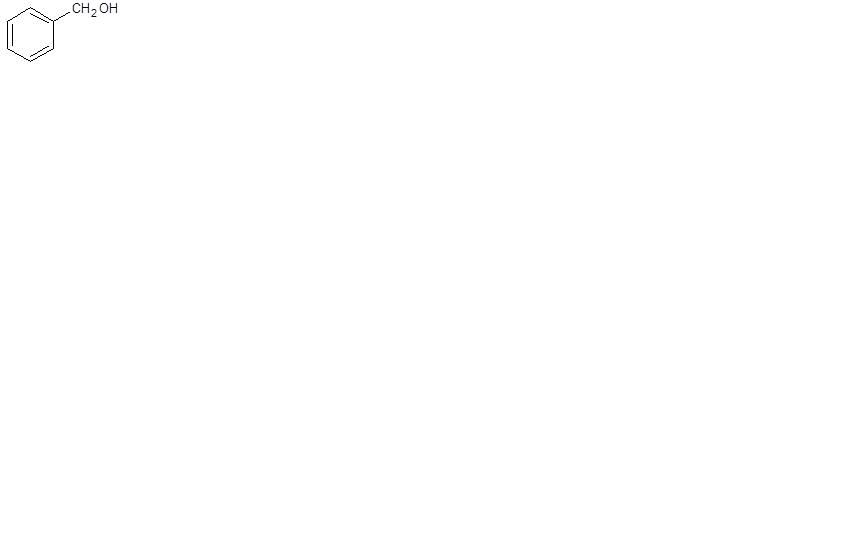
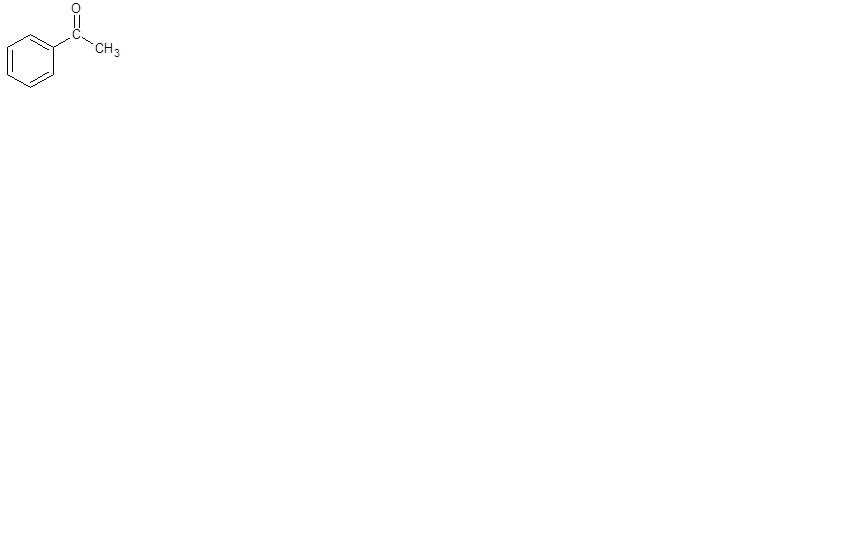
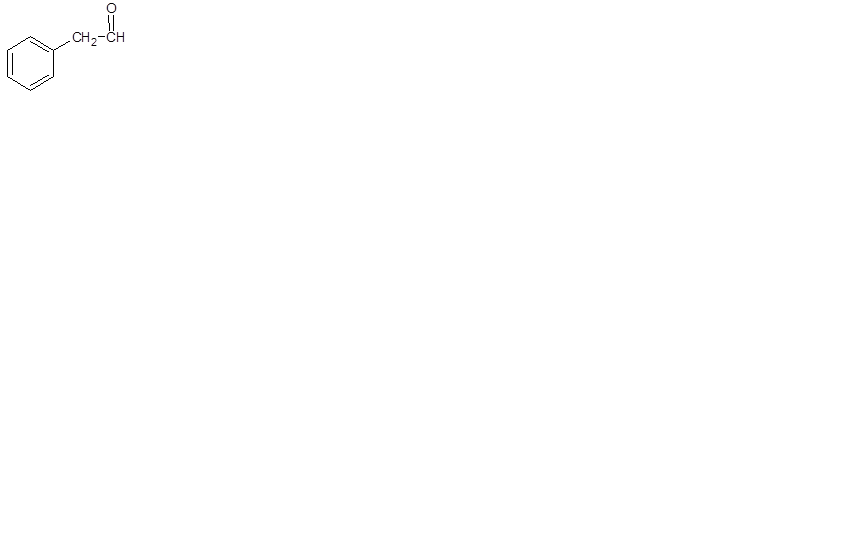
Give the IUPAC name for the following compound
2-methyl-3-butanone
3-methyl-3-butanone
3-methyl-2-butanone
3-methylbutanone
What are the isomers for carbonyl compounds with molecular formula C5H10O?
pentanal
2-pentanone
3-methyl-2-butanone
3-pentanone


What is the general formula for KETONE ?
CnH2nO
CnH2n+2O
CnH2n+2O2
CnHnO

What is the different of structural formula between aldehydes and ketones?
In aldehyde, hydrogen is attach to carbon at carbonyl functional grouo
In ketone, carbonyl functional group is in between the carbon atom
In ketone, hydogen is attach to carbon at carbonyl functional group
In aldehyde, carbonyl functional group is in between the carbon atom
Which of the following is not a carbonyl compound?


identify reaction
aldol
cannizarro
rosenmund
etard

What will be formed if butanone is reacted with LiAlH4 in dry ether?
Butanoic acid
Butan-1-ol
Butan-2-ol
Butanal
Why aldehyde is more reactive than ketone?
Aldehyde has two groups of electron donating group attach to it
Aldehyde is less sterically hindered than ketone
Aldehyde is more sterically hindered than aldehyde
Aldehyde has one group of electron donating group attach to it

Is this a ketone?
YES
NO
Esters ending
-ATE
-OATE
-ESTER
never heard about that play, i assume the end is tragic

A
B
C
D

Acetone reacts with HCN to form a cyanohydrin. It is an example of
Electrophilic addition
Electrophilic substituition
Nucleophilic addition
Nucleophilic substituition
Ending of aldehydes
al
el
ol
an


Name the compound
none of the mentioned
N,N-dimethylmethanamide
N,N-dimethylethanamide

Name the reaction mechanism to form X.
Nucleophilic substitution
Electrophilic addition
Nucleophilic addition
Electrophilic substitution


Name this molecule:
Pentanoic acid
2-hydroxy-2-methylbutan3-one
3-hydroxy-3-methylbutane-2-one
2-oxo-3-methylbutan-3-ol

Name the compound
N-methylpropanamine
N-methylethanamine
N-propylmethanamine


what is the correct name for the following compound?
2-methylbutan-3-one
2-methylbutanone
3-methylbutan-2-one
3-methylpropan-2-one
The only aldehyde that gives positive result with I2/NaOH is
Butanal
2-methylpropanal
Ethanal
Propanal
Which functional group represent the aldehyde group.
R-OH
R-CHO
R-COOH
R-O-R

A
B
C
D
Which functional group exists in aldehydes?


A
B
C
D

Which of the following reactions will give benzolphenone?
(i) Benzoyl chloride + Benzene + AlCl3
(ii) Benzoyl chloride + Phenylmagnesium bromide
(iii) Benzoyl chloride + Diphenyl cadmium
(a) (i)and(ii)
(b) (ii) and (iii)
(c) (i) and (iii)
(d) (i), (ii) and (iii)

Name this molecule:
Propanone
Propanal
Butanone
Butanal

Is this compound called butanoic acid?
NO
YES
im tired
Carbonyl compound CANNOT be synthesised through
ozonolysis of alkenes
oxidation of 1° alcohols
oxidation of 2° alcohols
esterification
There is a large difference in the boiling points of butanal and butanal-1-ol due to
(a) intermolecular hydrogen bonding in butan-1-ol
(b) intermolecular hydrogen bonding in butanal
(c) higher molecular mass of butan-1-ol
(d) resonance shown by butanal
The name of this compound is:
4-pentanone
pentanone
2-hexanone
2-pentanone

A
B
C
D

A
B
C
D
Choose the correct name of this molecule.
propanol
propanal
propanone
butanone
Compounds which do not undergo Crossed aldol condensation are -
Formaldehyde and Acetaldehyde
Acetaldehyde and Propionaldehyde
Formaldehyde and Acetone
Formaldehyde and Benzaldehyde
Acetophenone is prepared from
Friedel craft reaction
Rosenmund reaction
Sandmayer reaction
Wurtz reaction
Which one is the formula of ethanal?


Are they soluble in water (for low molecular weight)?. Explain.
No, because they are polar compound
Yes, because they are polar compound
What is the name of the mechanism when KCN (in acidic conditions) reacts with propanal?
Free radical substitution
Nucleophilic substitution
Nucleophilic addition
Electrophilic addition
The correct order of acidic strength of carboxylic acids is
Formic acid < benzoic acid < acetic acid
Formic acid < acetic acid < benzoic acid
Acetic acid < Formic acid < benzoic acid
Acetic acid < benzoic acid < Formic acid
When reacted with a strong oxidising agent, aldehydes turn into
carboxylic acids
ketones
primary alcohols
secondary alcohols
What is the positive observation for Tollens’ test?
brick red precipitate
silver mirror precipitate
light yellow precipitate
yellow or orange precipitate
The product formed in Aldol condensation is
an alpha, beta - unsaturated ester
a beta hydroxy acid
a beta hydroxy aldehyde or ketone
an alpha hydroxy aldehyde or ketone
Which one is the formula of ethanal?
The product formed in Aldol condensation is
an alpha, beta - unsaturated ester
a beta hydroxy acid
a beta hydroxy aldehyde or ketone
an alpha hydroxy aldehyde or ketone
Choose the name reaction that produces benzaldehyde from Toluene and Chromyl chloride.
Aldol condensation
Gattermann Koch reaction
Etard reaction
Clemmensen reduction
What is the reagent for Fehling’s test?
2,4-dinitrophenylhydrazine
excess I2, NaOH
Cu2+, OH-
[Ag(NH3)2]+, OH-
Why they have higher boiling points compared to ether and hydrocarbon?
The intermolecular forces between the molecules are hydrogen bonds
The intermolecular forces between their molecules are dipole-dipole interactions
The intermolecular forces between the molecules are covalent bonds
Which one is the formula of ethanal?
2-butanol heated with acidified KMnO4 solution produced
butanone
butanoic acid
butene
butane

