wayground logo

Free Printable Worksheets

Font size

S
M
L
XL
Worksheets

Biomes Practice

Total questions: 61

Worksheet time: 1hrs 19mins
Name
Class
Date
1.
A large ecosystem is called a ______
a)
Ecosystem
b)
Habitat
c)
Biome
d)
Niche
2.
What is the main factor that separates the biomes?
a)
Land
b)
Water
c)
Climate
d)
Longitude
3.
Which biome is the driest?
a)
Desert
b)
Tundra
c)
Taiga
d)
Rainforest
4.
Which Biome has permafrost?
a)
Temperate Forest
b)
Rainforest
c)
Taiga
d)
Tundra
5.
Which biome has deciduous trees (which lose their leaves)?
a)
Temperate Forest
b)
Rainforest
c)
Grasslands
d)
Taiga
6.
Which biome has coniferous trees (which don't lose their leaves)?
a)
Taiga
b)
Temperate Forest
c)
Tundra
d)
Grasslands
7.
Which biome has wide-open fields of grass?
a)
Taiga
b)
Grasslands
c)
Temperate Forest
d)
Rainforest
8.
Which biome has the most variety of plants and animals?
a)
Temperate Forest
b)
Rainforest
c)
Tundra
d)
Grasslands
9.
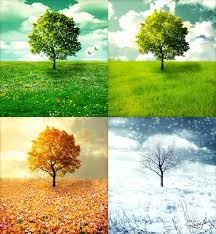
Which biome has 4 seasons?
a)
Taiga
b)
Tundra
c)
Grasslands
d)
Temperate Forest
10.
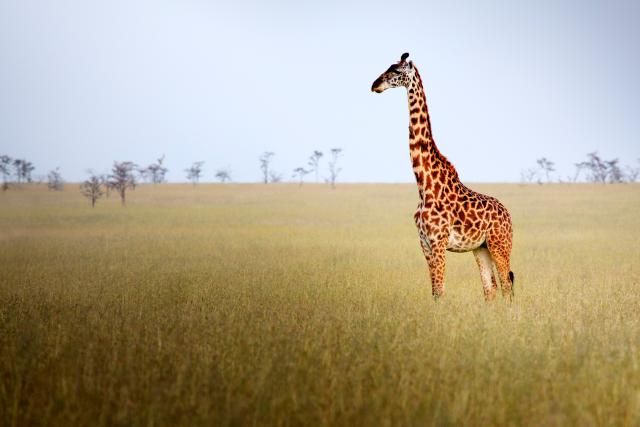
Which biome is home to lions, zebras, wildebeests, giraffes, and elephants?
a)
Grasslands
b)
Tundra
c)
Rainforest
d)
Temperate Forest
11.
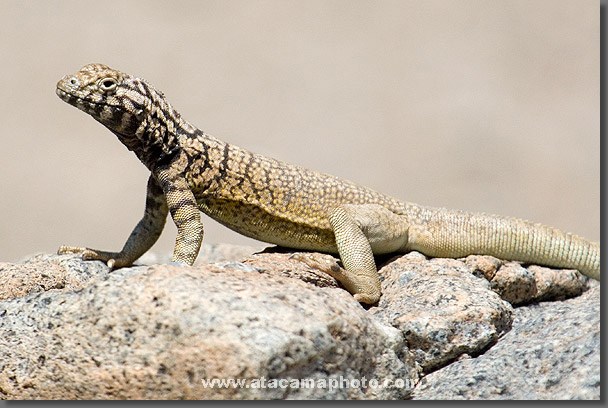
Which biome is home to cacti, scorpions, coyotes, kangaroo rats, and lizards?
a)
Desert
b)
Grasslands
c)
Temperate Forest
d)
Taiga
12.
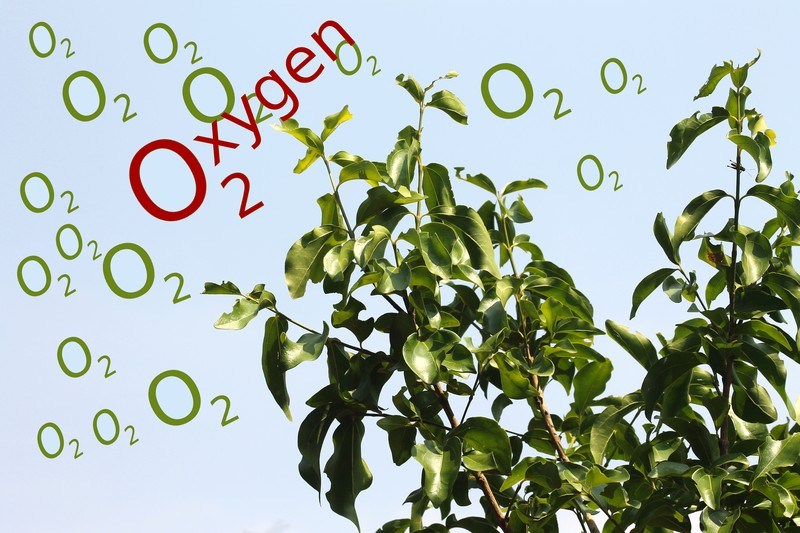
Which biome produces over 50% of the world's oxygen?
a)
Rainforest
b)
Temperate Forest
c)
Grasslands
d)
Taiga
13.
Temperature, light, air, water, and soil are all  _____  parts of the environment
a)
alive
b)
biotic 
c)
abiotic
d)
living
14.
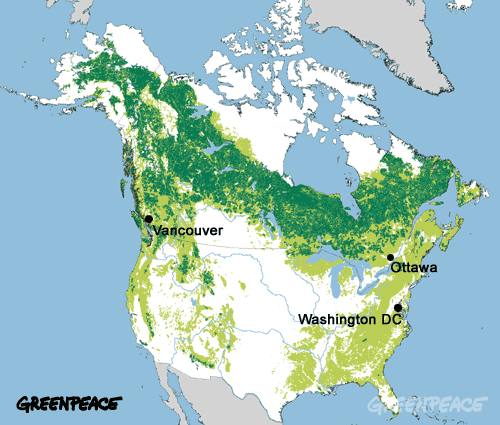
Which biome is Canada in?
a)
Tundra
b)
Taiga
c)
Temperate Forest
d)
Desert
15.
Biotic factors of an ecosystem are:
a)
non-living
b)
plants
c)
living thing
d)
soil
16.
What is the African Savanna considered?
a)
Ocean
b)
Forest
c)
Grassland
d)
Tundra
17.
Algae, crayfish, trout, and frogs live in this biome.
a)
Marine
b)
Freshwater
c)
Tundra
d)
Taiga
18.
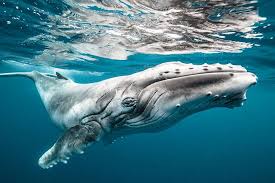
What biome do whales, sharks, and coral reefs live in?
a)
Freshwater
b)
Savanna
c)
Marine
d)
Fauna
19.
This forest is split into "layers" where organisms live.
a)
Deciduous Forest
b)
Tropical Rain Forest
c)
Coniferous Forest
d)
None of these
20.
The biome known for trees with broad leaves that fall off the trees in the winter.
a)
Coniferous Forests
b)
Deciduous Forests
c)
Deserts
d)
Tropical Rain Forests
21.
Dropping leaves in the fall is a characteristic of what type of tree?
a)
deciduous
b)
evergreen
c)
conifer
d)
bonsai
22.
Type of forest biome near the equator; receives a lot of rain; temperatures are warm all year.
a)
desert
b)
tropical rain forest
c)
arctic
d)
temperate rain forest
23.

Plants and animals in the tundra must be able to adapt to the extremely ___________ weather

a)

small

b)

cold

c)

perennials

d)

shallow

24.
Which two biomes have the least precipitation?
a)
tropical rain forest and temperate grasslan
b)
savanna and tropical dry forest
c)
tundra and desert
d)
boreal forest and temperate woodland
25.

Which biome has tree leaves that change color and drop off as the season changes from fall to winter?

a)

Tropical Rain Forest

b)

Deciduous Forest

c)

Tundra

d)

Coniferous Forest

26.

Which land biome is located near and/or along the Earth's Equator?

a)

Grassland

b)

Temperate Forest

c)

Tropical Rain Forest

d)

Tundra

27.
A biome is......
a)
Like a snowglobe that you shake and can see different types of animals.
b)
A large region of earth with a certain type of climate
c)
An area of earth only found in the United States.
d)
A community of living things.
28.

Plants and animals in the tundra must be able to adapt to the extremely ___________ weather

a)

small

b)

cold

c)

perennials

d)

shallow

29.
Very little sun reaches this part of the rainforest.
a)
equal
b)
earth
c)
floor
d)
carnivorous 
30.

Many of the animals in the desert are ______________ to avoid the extreme heat during the day.

a)

cacti

b)

chia

c)

water

d)

nocturnal

31.

The two main abiotic factors that determine where organisms live are

a)

temperature and latitude

b)

altitude and precipitation

c)

temperature and precipitation

d)

soil type and precipitation

32.
As altitude or latitude increase, temperature ______
a)
stays the same
b)
rises
c)
drops
d)
drops, then rises
33.
What are the two main factors that determine the climate of an area?
a)
precipitation and humidity
b)
temperature and air pressure
c)
wind conditions and humidity
d)
temperature and precipitation
34.
Which two biomes have the least precipitation?
a)
tropical rain forest and temperate grasslan
b)
savanna and tropical dry forest
c)
tundra and desert
d)
boreal forest and temperate woodland
35.
This biome is found around the equator and is home to a large amount of biodiversity.
a)
Deserts
b)
Tropical Rain Forests
c)
Savannas
d)
Chaparral 
36.
What is this biome?
a)
Coniferous Forest
b)
Desert
37.
What is this biome?
a)
Deciduous Forest
b)
Tropical Rainforest
38.
The closer a biome is to the equator, the more we would expect it to be
a)
warmer & wetter
b)
warmer & drier
c)
cooler & wetter
d)
cooler & drier
39.
The farther a biome is from the equator, the more we would expect it to be 
a)
warmer & wetter
b)
warmer & drier
c)
cooler & wetter
d)
cooler & drier
40.
The tropical rain forest & tropical savanna biomes are similar in ___________, but ________________________________.
a)
temperature / the savannah doesn't receive enough rainfall to be a forest
b)
precipitation / the rain forest is hotter
c)
precipitation / the savanna is cooler
d)
temperature / the rain forest doesn't receive enough sunlight to be a savanna
41.
The tundra biome & the desert biome are both very dry, but
a)
the desert is always hot
b)
the desert has a wider temperature range
c)
the tundra has a wider temperature range
d)
they are also similar in temperature
42.
Terrestrial biomes are defined mainly by their
a)
climate & plants
b)
climate & animals
c)
animals & plants
d)
climate only
43.
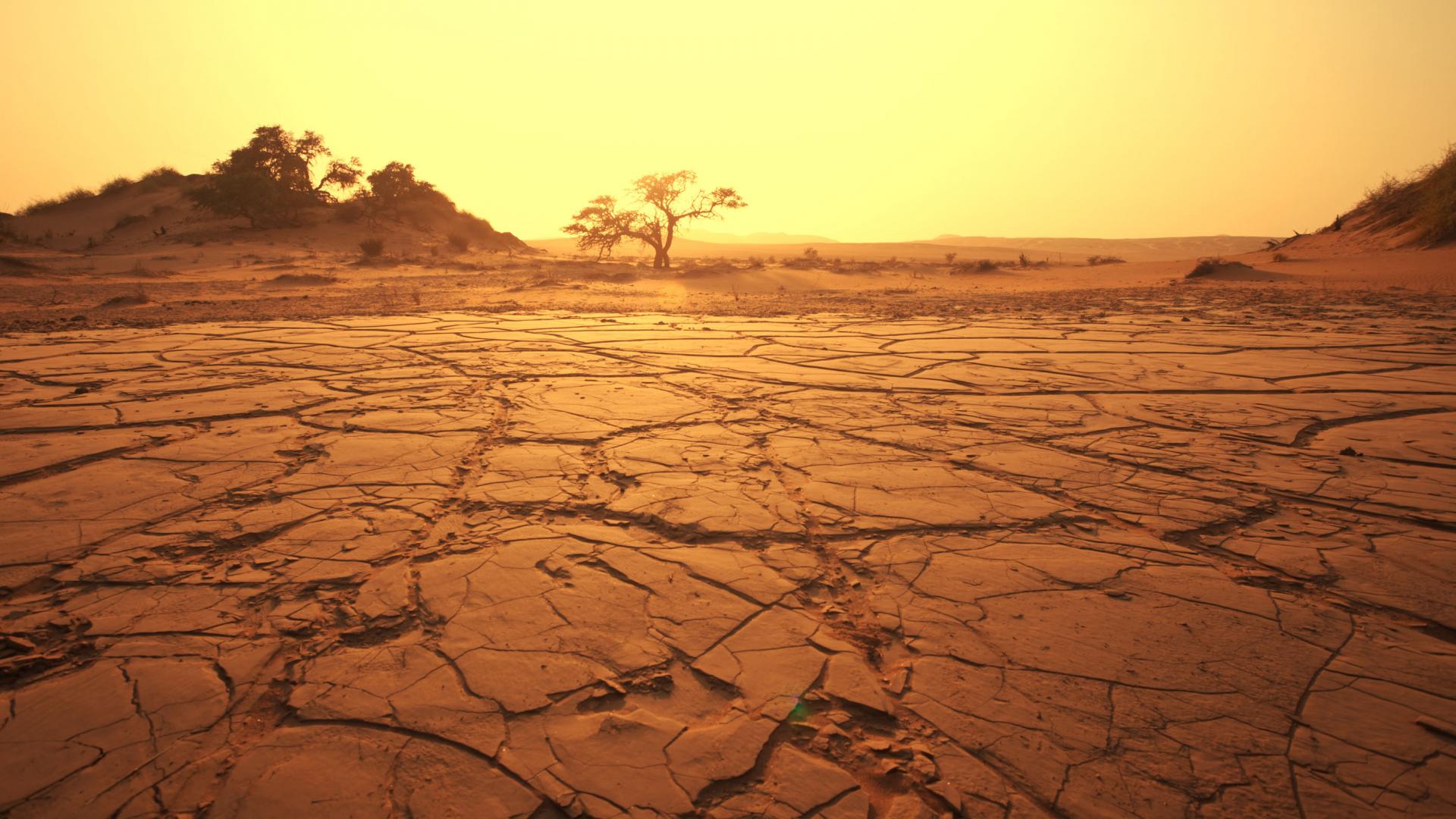
The biome pictured is
a)
desert
b)
tropical savanna
c)
tropical seasonal forest
d)
boreal forest
44.
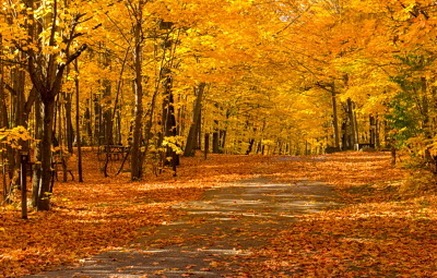
The biome pictured is
a)
temperate grassland
b)
temperate deciduous forest
c)
desert
d)
tundra
45.
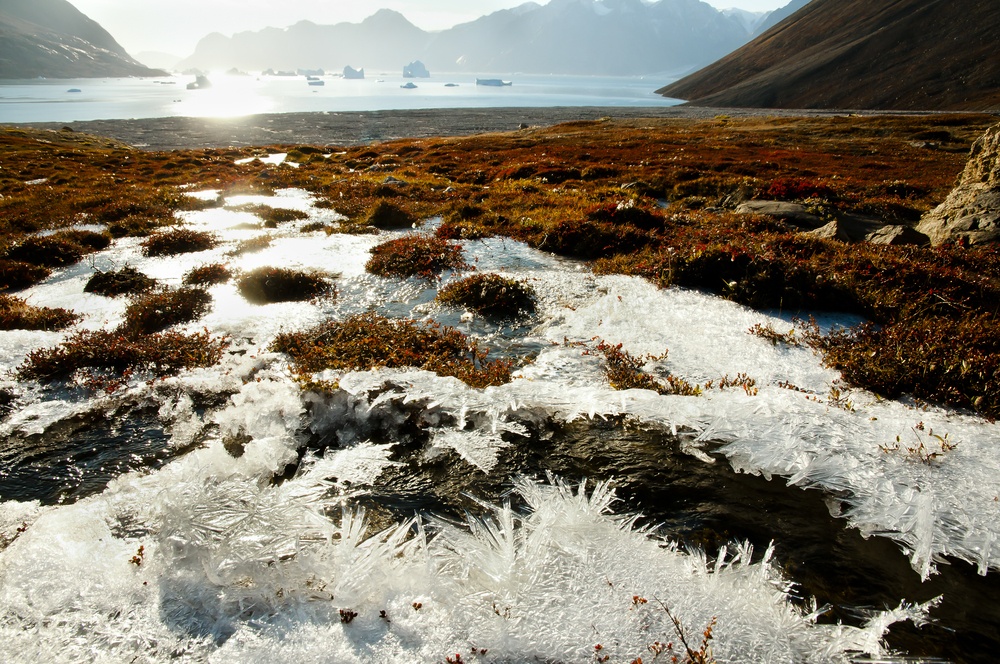
The biome pictured is
a)
desert
b)
tundra
c)
temperate grassland
d)
boreal forest
46.
The biome pictured is
a)
shrubland/chaparral
b)
tropical savanna
c)
temperate deciduous forest
d)
desert
47.
The most biodiverse biome is: 
a)
Taiga
b)
Chaparral
c)
Savanna
d)
Tropical Rainforest
48.
Abiotic factors: hot and wet year-round; thin, nutrient-poor soils • Dominant plants: broad-leaved evergreen trees; ferns; large woody vines and climbing plants;  orchids and bromeliads
a)
Taiga 
b)
Temperate Rain Forest
c)
Temperate Deciduous Forest
d)
Tropical Rain forest
49.
Abiotic factors: warm temperatures; seasonal rainfall; compact soil; frequent fires set by lightning • Dominant plants: tall, perennial grasses; sometimes drought-tolerant and fireresistant trees or shrubs    
a)
temperate grasslands
b)
Prairies
c)
savanna grass lands
d)
chapparal
50.
Abiotic factors: low precipitation, variable temperatures; soils rich in minerals but poor in organic material • Dominant plants: cacti and other succulents; creosote bush and other plants with short growth cycles
a)
Desert
b)
Tundra
c)
Tropical grassland
d)
Temperate grassland
51.
Look at the following graph to determine biome
a)
Savanna Grassland
b)
Chapparal
c)
Desert
d)
Tundra
52.

Kangaroo rats and Joshua trees live here.

a)

grassland

b)

tropical rain forest

c)

taiga

d)

desert

53.
Earth’s biomes are divided into _________ biomes, and __________biomes
a)
terrestrial, aquatic
b)
hot, cold
c)
north, south
d)
east, west
54.
The most important abiotic factors when studying biomes are...
a)
Food and Water
b)
Water and Sunlight
c)
Temperature and Oxygen
d)
Precipitation and Temperature 
55.
 What type of biome is pictured?
a)
Tundra
b)
Temperate Rainforest
c)
Grassland
d)
Desert
56.
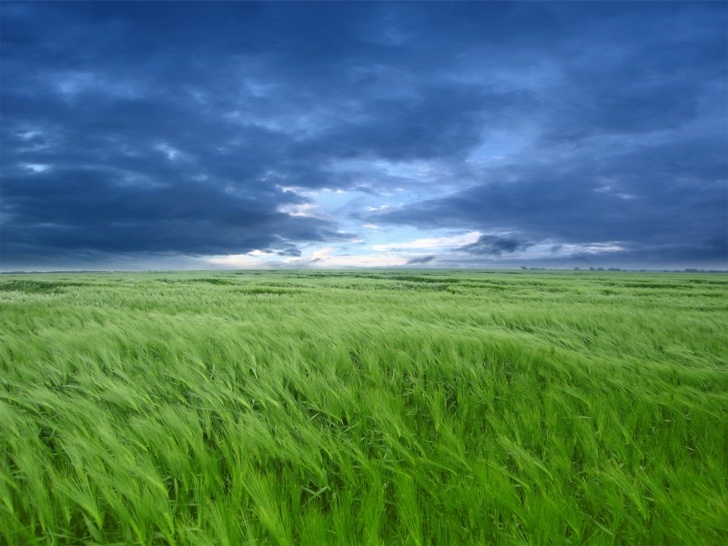
 What type of biome is pictured?
a)
Tundra
b)
Temperate Rainforest
c)
Grassland
d)
Desert
57.
The biome known for trees with broad leaves that fall off the trees in the winter.
a)
Coniferous Forests
b)
Temperate Deciduous Forests
c)
Deserts
d)
Tundra
58.

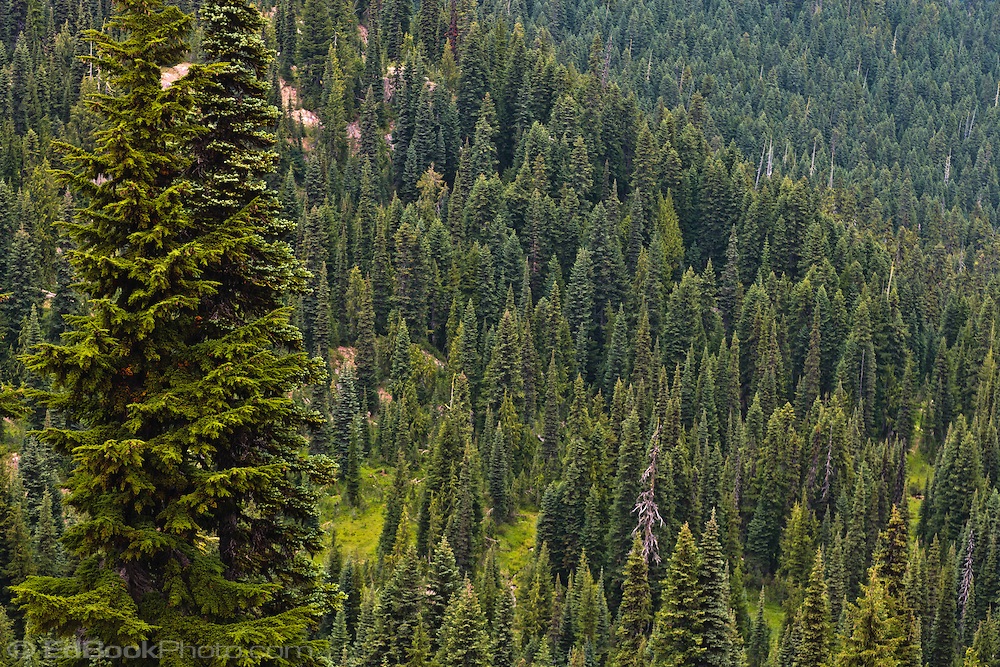
What biome is this?

a)

deciduous forest

b)

taiga

c)

desert

d)

grassland

59.

The major source of dissolved oxygen in the oceans comes from

a)

photosynthesis by phytoplankton

b)

respiration by zooplankton

c)

decomposition of organic sediments on the ocean floor.

d)

metabolic processes of coral in reefs

60.

Travelling southward from the Arctic regions of Canada to the tropics of Panama, one passes through several biomes - tundra, coniferous forest, temperate deciduous forest, and tropical rain forest. This pattern of change in vegetation is primarily the result of

a)

an increase in both mean annual temperature and mean annual precipitation.

b)

an increase in mean annual temperature and a decrease in mean annual precipitation.

c)

primary and secondary succession.

d)

the invasion of exotic species.

61.

A large relatively distinct terrestrial region characterized by similar climate, soil, plants, and animals, is known as a

(a)