
 Worksheets
Unit 1 & 2 - Keystone Review Session
Total questions: 78
Worksheet time: 1hrs 23mins
Which macromolecule is used as our main source of energy?
Lipids/Fats
Nucleic Acids
Proteins
Carbohydrates
Which of the following are examples of carbohydrates? (Select all that apply).
Bread
Pasta
Olive Oil
Cheese
Which macromolecule stores energy?
Carbohydrates
Proteins
Lipids/Fats
Nucleic Acids

carbohydrate

lipid

protein

What macromolecule is shown?
Protein
Nucleic Acid
Carbohydrate
Lipid
What is the function of nucleic acids?
Short Term Energy
Storing Genetic Information
Long Term Energy
Speeding Up Chemical Reactions

What macromolecule is shown?
Nucleic Acids
Lipids
Proteins
Carbohydrates

What macromolecule is shown?
Carbohydrate
Nucleic Acid
Protein
Lipid

What macromolecule is shown?
Carbohydrates
Lipids
Nucleic Acids
Proteins

What macromolecule is shown?
Lipids
Proteins
Carbohydrates
Nucleic Acids

What macromolecule is shown?
Proteins
Nucleic Acids
Lipids
Carbohydrates
What element if the building block of life?
Carbon
Hydrogen
Oxygen
Nitrogen
The most important element that is the backbone of all biological molecules


Which macromolecule is shown?
lipid
protein
nucleic acid
carbohydrate

(a) is water droplets sticking to each other. (b) is water droplets sticking to other surfaces.
_____________ is what allows water to flow upwards away from gravity, such as through roots and stems of plants.
salinity
cohesiom
buoyancy
capillary action
Water has a very high ______________, causing it to warm up very slowly.
temperature
heat specific heat
cold index
altitude
What kind of molecule is water?
Ionic
Polar Covalent
Nonpolar Covalent
Metallic
What is the correct chemical formula for water?
H2O
HO2
H2O2
2H1O
Which of the following is an example of COHESION?
water sticking to water
water sticking to glass
oil sticking to plastic
hydrogen sticking to oxygen
Why does ice float?
water expands when it freezes, making ice less dense than water
water compacts when it freezes, making ice more dense than water
hydrogen bonds in water push the ice to the surface
ice is afraid of water, and avoids it

What are the bonds called between a slightly positive hydrogen in a polar molecule and a negatively charged atom?
Hydrogen Bonds
Water Bonds
Covalent Bonds
Bail Bonds
cohesion
water sticking to other water molecules
adhesion
water sticking to other surfaces
high specific heat
water takes a longer time to boil
hydrogen bond
bond that forms between water molecules
polar
unequal sharing of electrons
Macromolecules are broken apart through (a) and polymers are formed through (b)
Match the following monomers with their correct polymers
monosaccharides
carbohydrates
amino acids
proteins
fatty acids
lipids
nucleotides
nucleic acids
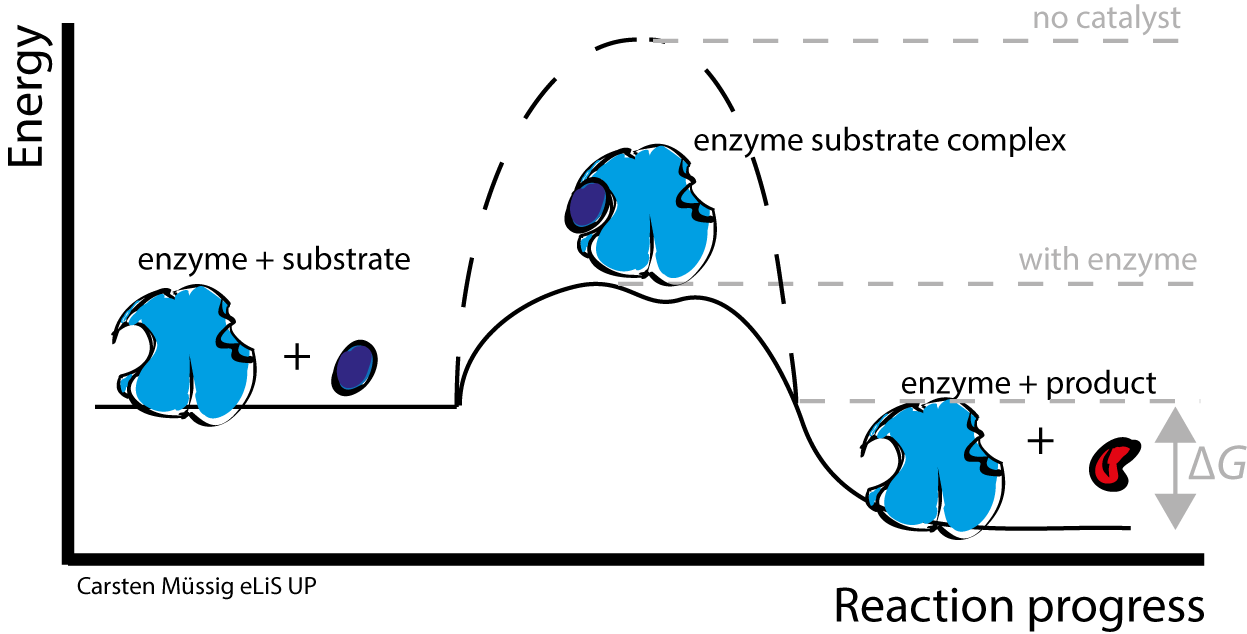
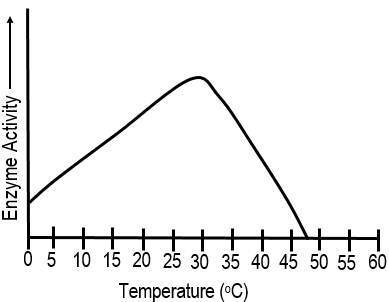

What happens to the pepsin enzyme in alkaline conditions
The reaction rate increases
The enzyme collides with more substrate
The enzyme will denature and no longer work
The shape of the enzyme does not change and still has activity
Enzymes can denature (change shape) when the temperature gets too high.
Enzymes can only be used once in a chemical reaction.
Extreme pH can denature enzymes.
Enzymes speed up chemical reactions.
An experiment is performed on plants to see how different liquids affect plant growth. Each plant in the experiment is given a different liquid; water, apple juice, or milk. Each plant has the same amount of soil, sunlight, and listens to the same music. In this investigation, the independent variable is (a)

Squidward found new reeds to tryout for his clarinet. He used an APPLAUSOMETER to measure applause after playing Under the Sea with each reed. The results were put in the table.What was controlled? (a)

Squidward found new reeds to tryout for his clarinet. He used an APPLAUSOMETER to measure applause after playing Under the Sea with each reed. The results were put in the table.What was the independent variable? (a)
Match the following vocabulary terms with their correct definitions
Scientific Law
statement that describe some aspect of the universe
Scientific Theory
statement that explains some aspect of the universe
Hypothesis
a testable statement that makes a prediction
Observation
what you see or hear for yourself
Inference
idea or thought you form based on observations
Order the items from smallest level of organization to highest.
atom
molecules
organelle
cell
tissue
Place the following characteristics on the Venn Diagram
The basic unit & structure of all living things is the (a) .
Both prokaryotic and eukaryotic cells contain (more than 1 answer)
nuclei
ribosomes
cell membranes
cytoplasm
DNA
Plant cells and animal cells are both (a) cells. (b) cells contain cell walls that offer them more support. They also have (c) that hold water & nutrients for the cells.
Cell membranes are mostly made up of
phospholipids
cholesterol
proteins
glycoproteins
Label the regions of the phospholipid.
Label the plant cell to the right:
Match the following organelles to their correct function
Rough ER
packages & modifies proteins
Smooth ER
makes lipids, stores Ca+
Ribosome
makes proteins
Lysosomes
digests waste in cells
Mitochondria
makes ATP through Cellular Respiration
Plant cells contain (a) that make sugar for the plant. They can be found in the (b) of the cell and have stacks of (c) inside of them.

What organelle is pictured to the left?
Rough ER
Golgi Apparatus
Smooth ER
Nuclues
A Vacuole can temporarily store materials it is found in _____ and ____.
plants and animals
reptiles and anphibians
dogs and cats
fruits and vegetables
Plasma (Cell) Membrane is found in Prokaryotes and Eukaryotes and ______.
makes food for the cell
gives sturcture to the cell
controls what enters and exits the cell
helps store material
Nucleolus is found inside the nucleus, of Eukaryotes only, and makes _____.
ribosomes
cilia
flagella
prokaryotes
Centrioles are found only in animal cells. They ____.
Help with cell division
make the ribosomes
carry out chemical reactions and transports materials
are used for locamotion
All cells come from___________ cells.
pregnant
pre-existing
paternal
pin size
If it does not rain for a long period of time, plants’ leaves will begin to wilt or sag. They have used up the water that they stored in their ___________
Vacuole
Chloroplast
Mitochondria
Which of the following are in the correct order?
organ system, cell, organ, tissue, organism
cell, organ, tissue, organ system, organism
cell, tissue, organelle, organ system, organism
cell, tissue, organ, organ system, organism

This cell has circular DNA floating in the cytoplasm.
Prokaryotic
Eukaryotic
Both

