
 Worksheets
Environmental Science: Forests Quiz
Total questions: 74
Worksheet time: 1hrs 5mins

Which type of forest has the MOST biodiversity (different life)?
Old-growth
Tree Plantation
Second-growth

How long does it take for a tree to mature?
1 day
12 months
25-30 years

Which is NOT an ecological service provided by trees.
absorbs CO2 from the atmosphere
oxygen to breathe
shade for plants and people
They are all correct.

Which is NOT a solution to help make forests sustainable?
Buy tree-free paper products.
Plant or adopt a tree.
Make roads that go through the forest.
In which ecosystem would you likely find a squirrel on a maple tree?
Boreal Forest
Tropical Seasonal Forest
Temperate Forest
Wetlands
What types of trees are found in boreal forests?
Spruce and fur trees
Maple and oak trees
Tall broad-leaf evergreen leaves
Joshua trees
What is the most common forest ecosystem in Wisconsin?
Boreal Forest
Tropical Rainforest
Temperate Forest
Tundra (feels like it sometimes)

A ___________________________ grows in places that are hot and wet all year. That type of forest has trees that grow very tall and have leaves that stay green all year.
tropical rain forest
deciduous forest
coniferous forest

The trees in a ___________________forest form seeds in cones
coastal
tropical rain
coniferous
What happens to deciduous leaves before winter?
They grow thicker to keep them warm
They change color and fall off
They grow fur
Nothing--they stay the same
What type of forest is the Great Smoky Mountains?
Tropical Rain forest
Coastal Forest
Coniferous forest
Deciduous forest
Which is true of a tropical rainforest?
Only a few different species of plants and animals can be found there.
The tree canopy causes only a small amount of sunlight to reach the ground.
They are only found in South America.
Which best describes the similarities between grasslands and forests?
Grasslands have moderate temperatures like forest ecosystems.
Grasslands have plentiful grasses and trees like many forests.
Grasslands are dry like most forests.
Trees in deciduous forests remain green throughout the year.
True
false
What is called for the practice of regulating forest resources to meet the needs of society and industry while preserving the forest’s health?
Environmental protection
Sustainable Forest Management
Forest policy framework
Unsustainable Forest Management

What are the three main categories of forests?
Taiga, rainforest, autumn forest
Tropical rainforest, temperate deciduous forest, taiga
Seasonal forest, tropical rainforest, tundra coniferous forest
Latitude, longitude, equator
Forests have _______ percent of earth's Biodiversity
100%
20%
80%
50%
What is the biggest forest in the world?
Kakamega forest
Tongass National Forest
Bandipur National forest
Amazon forest
Deforestation means
large scale planting of trees
large scale cutting down of trees
both of these
none of these


What are the other two major forest biomes besides the temperate forest?
Desert and tundra forest
Tundra and rainforest
Rainforest and savanna
Taiga and rainforest
Savanna and tundra forest
Which of the following does not describe the temperate forest biome?
Four seasons
Lots of rain
Freezing temperatures year round
Deep and rich soil
Lots of trees
Forest ecosystems usually have a great biodiversity because they provide many ___________________ for organisms.
Sustainable
habitats
timber
biodiversity
clear-cutting
Which of the following is NOT a major type of forest?
Tropical Rainforests
Foreal Forests
Temperate Deciduous Forests
Temperate Coniferous Forests
Which forests receives the most rainfall annually?
Broadleaf
Whiteland
Blackland
Pine
What is the most common tree species in Poland?
pine
oak
larch
What is an old-growth forest?
planted stands of a particular tree species
a stand of trees resulting from natural secondary succession
uncut or regenerated forest that has not been seriously disturbed for several
hundred years.
I don't know
What is an environmental service that forests provide?
Stores carbon, releases oxygen, moderates climate
Fuel
Transportation
Helped society achieve a high standard of living

Why is biodiversity important in the rain forest?
The rainforest may have cures for diseases that we haven't discovered yet
Animals are special to watch and observe
Lots of their plants are cultivated into house plants
I don't know


How many percent area of a country should be covered with forests?
10-30 %
20-30%
30-40%
HOW MUCH RAINFALL DOES EVERGREEN FOREST RECIEVE?
200mm
200cm
200m
180mm
WHAT ARE THE TYPES OF TREES NOT FOUND IN TROPICAL EVERGREEN FOREST
EVONY
MAHOGANY
ROSEWOOD
BAY LAUREL
WHERE IS THE TROPICAL EVERGREEN FOREST LOCATED?
ANDAMAN AND NICOBAR ISLAND
WESTERN GHATS
COSTLINE OF PENENSULAR INDIA
ALL OF THE ABOVE
WHEN DOES TROPICAL DECIDUOUS FOREST SHED THEIR LEAVES?
SHED ITS LEAVES IN WINTER
SHED ITS LEAVES IN SUMMER
SHED ITS LEAVES IN SPRING
SHED ITS LEAVES IN DRY SUMMER
------- HAVE LEAVES THAT CHANGE COLOUR AND THEN FALL TO THE GROUND?
TROPICAL EVERGREEN FOREST
TROPICAL DECIDUOUS FOREST
DECIDOUS FOREST
BOTH A AND C
TREES IN DECIDUOUS FOREST ARE
PEAK,SAL,NEEM,
SANDALWOOD, BAMBOO,SHISHAM
NON OF THE ABOVE
BOTH A AND B
Temperate forests are located in all except
Eastern United states
The Caribbean
Southern Africa
Southern Australia
What is the average temperature of Temperate forests during summer?
70*C
70*F
83*C
83*F
Which animal(s) are most common in temperate forests
Whitetail deers
Cardinal
Red foxes
All of the above
What is the averages temperate during winter
59*- 32*F
59*- 32*C
0*- 20* C
0*- 20* F
What are some dangerous animals in Temperate forests
Wolves
Bears
Poisonous snakes
All of the above
What is one adaptation animals have for temperate forests?
Animals are able to survive in year-round freezing temperatures
Animals have learned how to live without trees
Animals have learned to live in 1 temperature all year
Animals can survive both cold winters and hot summers
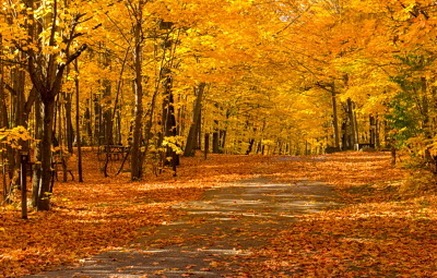
What kind of climate do you think the Taiga has?
Hot and rainy
Cold and snowy
Hot in the summer and cold in the winter
What kind of climate do you think a temperate forest has?
Hot and rainy
Cold and snowy
Hot in the summer and cold in the winter
Which is NOT an ecological service provided by trees.
absorbs CO2 from the atmosphere
oxygen to breathe
shade for plants and people
They are all correct.

What can we do to combat deforestation?
Plant trees in our communities and stop using products that come from trees.
Nothing, it is too late to help.

Most of the world's remaining forests are either boreal or:
temperate
tropical rain forest
tree plantations
deciduous

The percentage of Earth's land surface covered by forests is
20
15
45
30
What types of trees are found in boreal forests?
Spruce and fur trees
Maple and oak trees
Tall broad-leaf evergreen leaves
Joshua trees

