
 Worksheets
YEAR 9 SCIENCE-CHEMISTRY
Total questions: 136
Worksheet time: 1hrs 19mins
To prepare copper sulfate using sulfuric acid, the sample that should be used is?
copper carbonate
copper metal
Calcium carbonate reacts with nitric acid to form?
calcium oxide
calcium nitrate
calcium chloride
calcium sulfate
Magnesium reacts with dilute sulfuric acid to form?
magnesium oxide
magnesium carbonate
magnesium sulfate
magnesium nitrate
Acid react with metal to form
salt+ carbon dioxide
salt + hydrogen
Salt + Water
Salt + metal oxide
Acid reacts with metal carbonate to form
Salt + hydroxide + water
Salt + carbon dioxide
salt + water
Salt + carbon dioxide + water
What products are produced when we react an acid with an alkali?
salt + water
salt + carbon dioxide + water
salt + hydrogen
salt + water + hydrogen
What salt is produced if you react sodium hydroxide with hydrochloric acid?
sodium hydroxide
sodium sulfate
sodium nitrate
sodium chloride
A salt is formed when nitric acid combines with sodium hydroxide. What is the name of the salt?
Sodium chloride
Sodium nitrate
Hydrogen Nitrate
Nirate
The products of a neutralisation reaction are lithium sulfate and water. What is the name of the acid used to neutralise the alkali lithium hydroxide?
hydrochloric acid
sulfuric acid
nitric acid
phosphoric acid
Name the salt produced when reacting potassium hydroxide and phosphoric acid?
Potassium chloride
potassium nitrate
potassium sulfate
potassium phosphate
Which reactants are used to produce sodium chloride (salt and water)
sodium hydroxide and nitric acid
sodium hydroxide and sulfuric acid
sodium hydroxide and hydrochloric acid
sodium hydroxide and phosphoric acid
Sodium hydroxide + sulfuric acid —> ...?
sodium carbonate
sodium sulfate
When producing a soluble salt in a reaction between an acid and an alkali, how can you prepare dry solid crystals from the solution?
Filtration
Neutralisation
Condensation
Evaporation/crystallisation
Iron + Hydrochloric acid --> ?
iron sulfate + water
iron + hydrogen
iron chloride + hydrogen
iron chloride + water
Salts that are made with carbonic acid are called ______________.
chlorides
sulfates
nitrates
carbonates
Which metal is the least reactive out of: copper, magnesium, zinc and iron?
copper
magnesium
zinc
iron
In a reaction between an acid and a carbonate gas bubbles will appear. What is that gas?
helium
hydrogen
oxygen
carbon dioxide
How do you know when a reaction between a metal and an acid is complete?
All the metal is dissolved
There is a color change in the acid
Bubbles don't form when more metal is added
All the acid evaporates
How do you remove the water to leave solid copper sulfate crystals?
Filtration
Evaporation
Distillation
Dissolving
Which element reacts with dilute sulfuric acid to produce hydrogen?
carbon
copper
zinc
chlorine
Iron + copper oxide =
Iron + copper oxide
Iron oxide + copper oxide
Iron oxide + copper
Magic

Which of the following is more reactive?
Calcium
Magnesium
Zinc
Magnesium

Will the following reaction take place?
Ni + NaCl ->
NO
YES
Which one of the following combinations result in a displacement reaction?
Iron with magnesium chloride
magnesium with iron chloride
Iron with Zinc Sulphate
gold with silver nitrate
What will the products of this reaction be?
calcium + zinc nitrate --------->
Calcium + zinc nitrate
Zinc + calcium nitrate
there will be no reaction
Zinc + calcium chloride
What are the products when magnesium reacts with hydrochloric acid?
magnesium nitrate and hydrogen gas
magnesium sulfate and hydrogen gas
magnesium oxide and oxygen gas
magnesium chloride and hydrogen gas

What are valence electrons?
The total number of electrons in an atom
The number of electrons in the outermost shell
The number of electrons in the second shell
The number of protons in the outermost shell

Magnesium can be burned in oxygen to produce solid magnesium oxide.
Mg + O2→ MgO
Mg+ O→ MgO
Mg + CO2 → MgO + C
Mg + O2→ Mg2O2

Sodium reacts with chlorine gas to produce sodium chloride.
NaCl→ Cl + Na
Na+ CO2 → NaCO2
Na + Cl2→ NaCl
Na + Cl → NaCl
Magnesium + ________ --> magnesium oxide
What is missing?
Hydrogen
Sulphur
Oxygen
Oxide
Copper oxide + _______________ -> copper sulphate + water
What is missing?
sulphuric acid
hydrochloric acid
hydrogen
oxygen

Identify the product(s) in this word equation
Sodium
Sodium chloride
Sodium and Chlorine
Sodium and sodium chloride

The products in this reaction are?
Two solids
One solid and one gas
Three solids and a gas
Two solids and a gas
The new substances formed in a chemical reaction are called
Reactants
Atoms
Products
Reagents

What are the reactants in this word equation?
Carbon dioxide and oxygen
Carbon dioxide and water
Oxygen and glucose
Oxygen and water

What state of matter is this substance?
solid
liquid
gas
aqueous

What state of matter is this substance?
solid precipitate
dissolved in water
released as a gas
liquid
What does the symbol CaCO3 represent?
An element
A compound
An atom
None of the above
Which factors affect the rate of a reaction?
temperature
concentration
size
pressure
catalyst
Increase in temperature causes the particles to
slow down
move faster
stay apart from each other
move in the correct order
Why does a higher concentration increase the rate of reaction?
it increases the amount of reactants
it lowers the activation energy
it increases the energy of reactant particles
it increases the frequency of collision
Why does a higher temperature increase the rate of a reaction?
It increases both the frequency collision and energy of reactant particles
It only increases the frequency of collision
It only increases the energy of reactant particles
It reduces the activation energy of the reaction
Grinding an effervescent tablet into powder increases the rate of reaction due to increase of
concentration
total surface area
temperature
size

Which factors increase the rate of a reaction?
increasing temperature
increasing concentration
increasing total surface area
All of these
Increasing the temperature gives particles more __________.
time
energy
space
frequency
Why does breaking up a solid reactant increase the rate of reaction?
it creates more solid
it creates more energy
it increases the total surface area
it increases the concentration
Why does a higher concentration increase the rate of reaction?
it increases the amount of reactants
it lowers the activation energy
it increases the energy of particle collisions
it increases the frequency of collisions
Which graph shows the effect of increasing temperature on the rate of reaction of calcium carbonate with dilute hydrochloric acid?
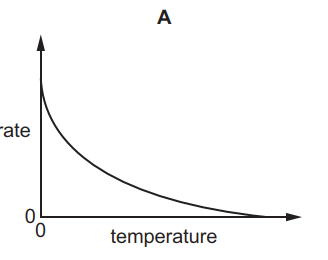
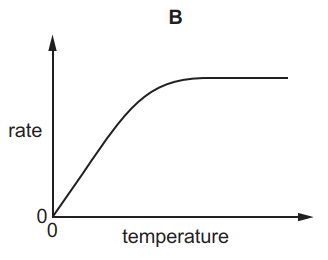
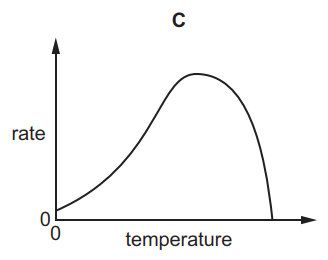
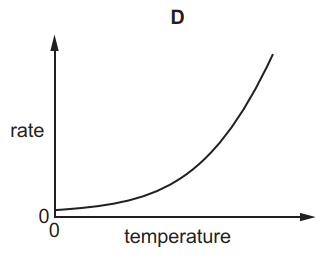
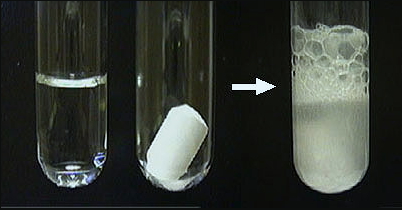
How could we make this reaction happen more quickly?
Decrease the concentration of the acid
crush the chalk to increase the surface area
Put the test tube in an ice bath

Grinding a effervescent tablet into powder increases the rate of reaction due to increased
concentration
surface area
temperature
reactants
Increasing the temperature gives particles more __________.
Time
Energy
Space
Frequency
The minimum amount of energy needed for colliding particles to react is called
Chemical Energy
Kinetic Energy
Activation Energy
Potential Energy
Substance that changes the rate of a chemical reaction without being consumed in the reaction
bonding
catalyst
chemical reaction
activation energy
Ionic bonding is between a
nonmetal and nonmetal
metal and nonmetal
metal and metal
Depends on the situation
Covalent bonding is between a
nonmetal and nonmetal
metal and nonmetal
metal and metal
It depends on the situation
An atom that gains or loses an electron becomes
an isotope
a new element
an ion
a molecule
Valence electrons are
neutral (no charge)
found in the outer most energy level of the atom
equal to the number of protons
How many different elements are in the C6H12O6
3
6
12
24


Is H2O2 an element or a compound?
element
compound
An atom that gains or loses an electron becomes
an isotope
a new element
an ion
a molecule
When an atom gains an electron it becomes
negatively charged
positively charged
neurtal
Ionic bonds happen when valence electrons are
shared
too heavy
transferred
Valence electrons are
neutral (no charge)
found in the outer most energy level of the atom
equal to the number of protons
Which type of bonds create compounds?
covalent bonds
ionic bonds
metallic bonds
all type of bonds
Which type of bond occurs between non metals?
covalent bonds
ionic bonds
metallic bonds
all types of bonds
How many valence electrons does Oxygen have?
0
16
6
8
How many different elements are in the C6H12O6
3
6
12
24
How many total atoms are in C6H1206
3
6
12
24
What type of bond forms CaF2
covalent bond
ionic bond
metallic bond
all answers are correct
Which type of bond is creates MgFe?
covalent bond
ionic bond
metallic bond
all the bonds
What is the charge of an aluminum ion that has 13 protons and 10 electrons?
3+
3 -
no charge
Is this equation balanced? C3H8 + 5O2 = 4H2O + 3CO2
yes
no
How many oxygen atoms on each side of C3H8 + 5O2 = 4H2O + 3CO2
2
3
5
10
In order for a chemical reaction to occur,
there must be an explosion or fire
bubbling or gas must be produced
a new substance must be formed
the substance must turn color
After a chemical reaction occurs, atoms are not created nor destroyed,
just rearranged into a new substance
just changed into different elements
just turned into unstable elements
Most elements bond to create compounds because
their outer electron level is full
they are unstable
they are positively charged
Compounds that share specific valence electrons are formed by
covalent bonds
ionic bonds
metallic bonds
all types of bonds
Compounds or elements that share their pooled valence electrons are
covalent bonds
ionic bonds
metallic bonds
all types of bonds
A column of the periodic table is a ________.
group
period
range
A row on the periodic table is a _______.
group
period
range
All _________ share properties that include luster, conductivity, malleability, and ductility.
gases
nonmetals
metalloids
metals
Elements on the periodic table are arranged in rows and columns according to their _________.
properties
categories
atomic number
boiling point
Group 1 metals that react quickly with other elements are ___________.
metals
alkaline earth metals
alkali metals
nonmetals
In the periodic table, the elements are classifies acording to...
The atomic number
The mass number
The electronic number
The number of neutrons
Oxygen (O) has a greater mass than chlorine (Cl).
True
False
Which of these is a noble gas?
Chlorine (Cl)
Hydrogen (H)
Neon (Ne)
Fluorine (F)
Which of these is NOT a gas found in the Earth's atmosphere?
Nitrogen (N)
Oxygen (O)
Argon (Ar)
Gold (Au)
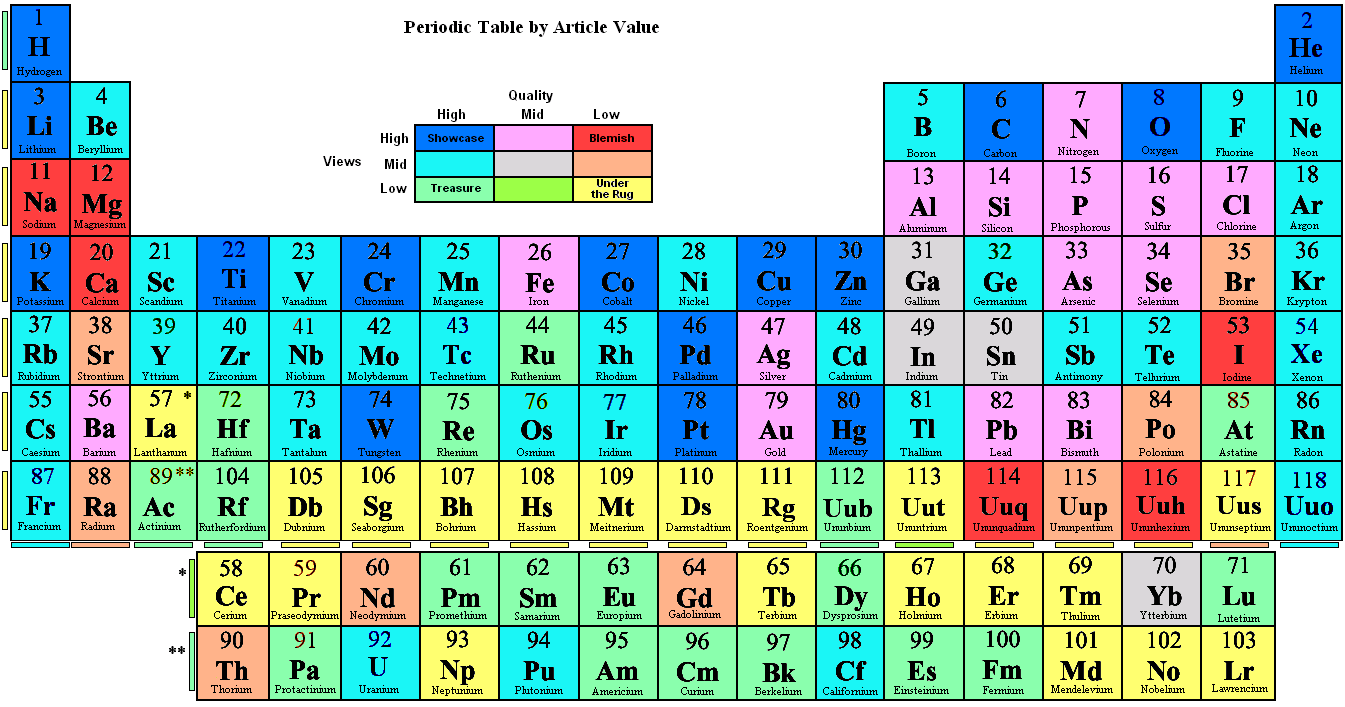
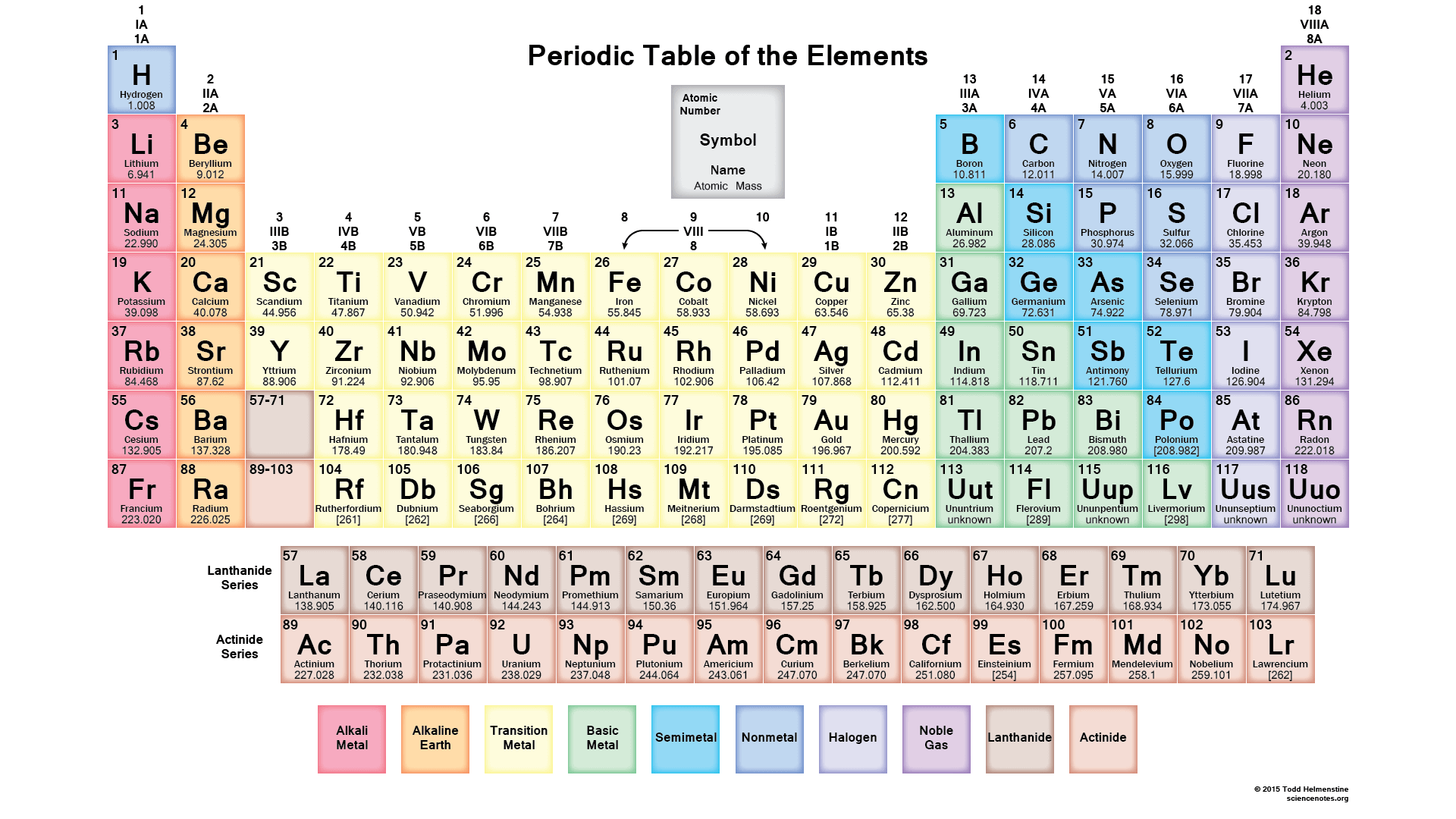
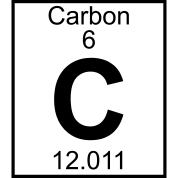
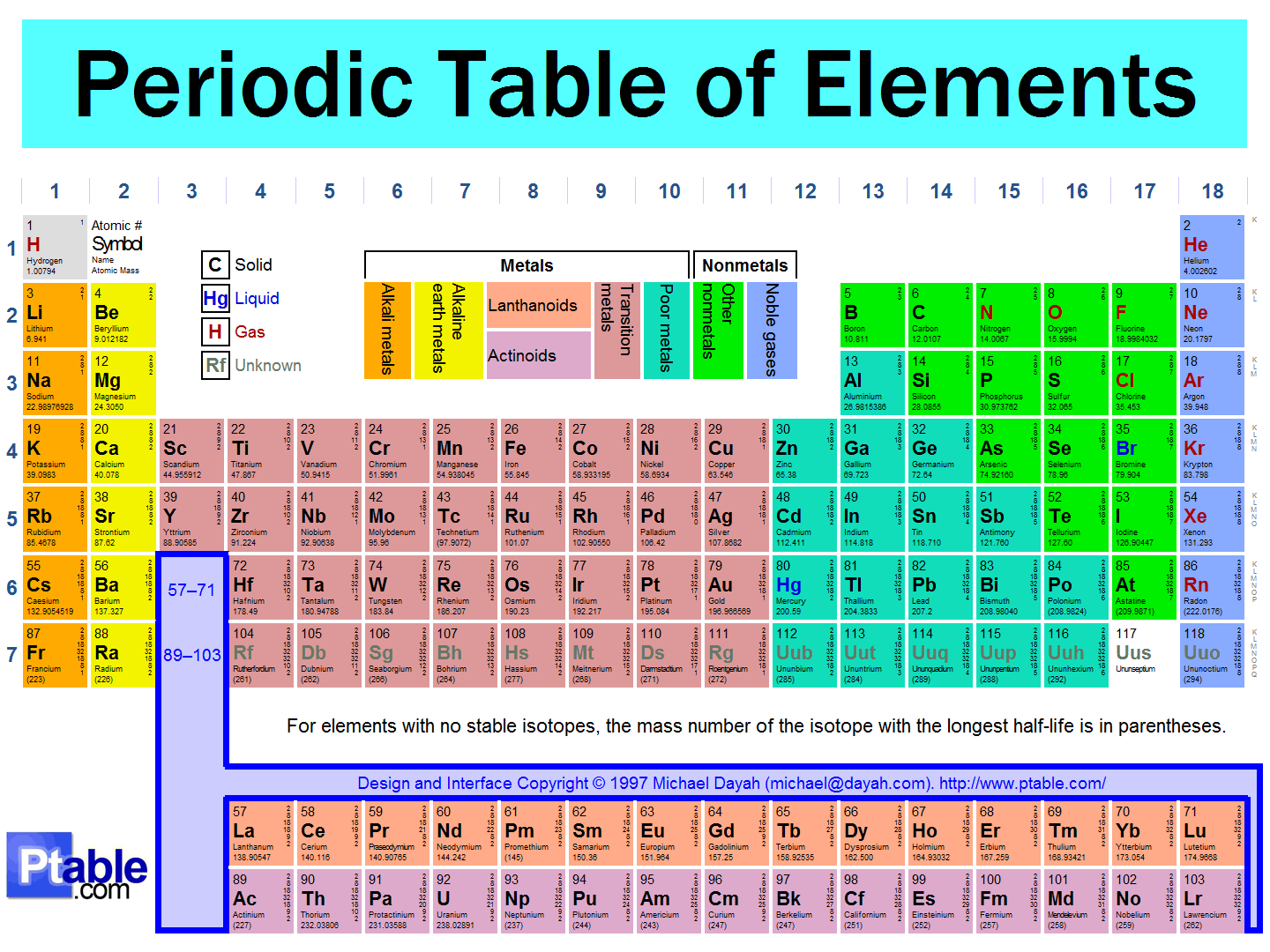
The horizontal (side to side) rows in the Periodic Table are called
groups
families
periods
atomic numbers
Which of the following is found in the nucleus of an Atom?
Protons
Electrons
Shells
negative
Which of the following's number is equal to the numbers of electrons.
Neutrons
Shells
Protons
Nucleus
Which of the following particles is negatively charged?
Protons
Neutrons
Shells
Electrons
Which of the following particles has no charge?
Protons
Electrons
Neutrons
Shells
The total sum of Protons and Neutrons is equal to the ....
Nucleon Number
Atomic number
Neutron Number
Electron number
Electrons in an atom are always organized in
the nucleus
the shell
the neutrons
None

The picture below shows element Neon. What is the Mass Number of Neon?
10
20
19
11

The picture below shows the element Neon. What is the Number of protons of its atom?
10
20
19
11

The picture below shows the element Neon. What is the Number of electrons of its atom?
10
20
19
11

You are provided with the Figure in this question that represents an atom of an element. How many shells does this atom has?
1
2
3
4

You are provided with the Figure in this question that represents an atom of an element. How many Neutrons does this element has?
10
26
11
13
The atom of an element has the electron configuration of 2:8:8:2. How many shells doe this atom have?
1
2
3
4

