
 Worksheets
APES Unit 7 Review
Total questions: 132
Worksheet time: 1hrs 18mins
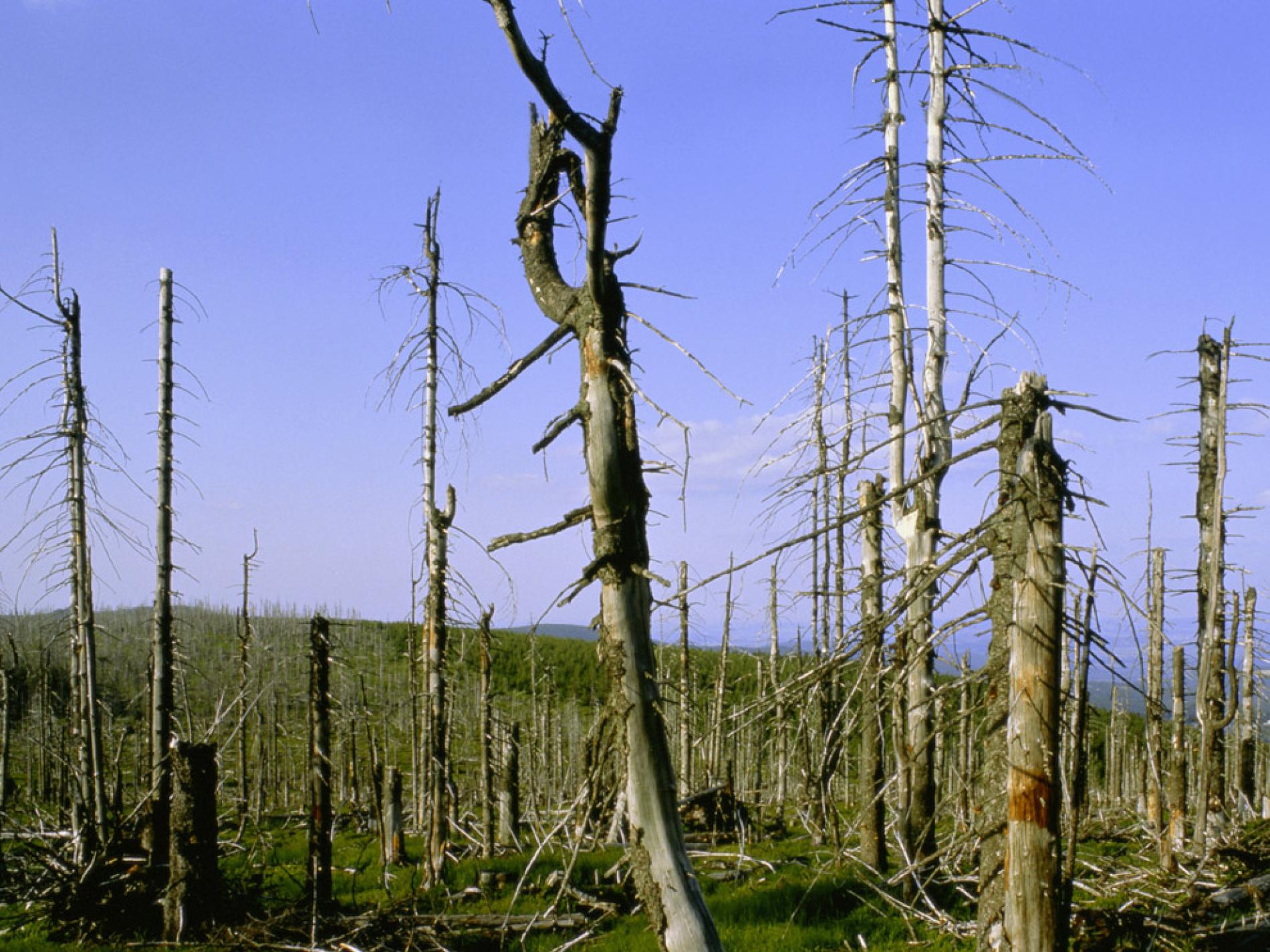

Smog or ground ozone forms in the troposphere. Which pollutants are most responsible for smog or ground ozone?
sulfur and particulate matter
volatile organic compounds and nitrogen oxides
carbon monoxide and carbon dioxide
none of these answers are correct


Where is the Ozone Layer found in our atmosphere?
Troposphere (lower portion)
Stratosphere (upper portion)

When the Ozone Layer loses Ozone what happens to organisms on the earth's surface?
They are exposed to Smog
Nothing happens
They are exposed to Acid Rain
They are exposed to Ultraviolet B Radiation
The Clean Air Act- regulates vehicle emissions.
true
false
Source of carbon monoxide
Incomplete combustion of fossil fuels
Combustion of fossil fuels
Decomposition of plant and animal matters
Photochemical reaction of CO2
A type of pollution found both indoors and outdoors, which includes pollen, dander, soot, carbon, and dust.
Water droplets
Allergens
Particulate matter
Combustibles

Which of the following are examples of VOC's ? (Select 3)
paint and paint thinners
gasoline
water vapor
formaldehyde
smog
Electrostatic precipitators can be used to remove this type of air pollutant.
volatile organic compounds
sulfur dioxide
particulate matter
ground level ozone
Which of the following is NOT a primary pollutant?
nitric oxides
smog
sulfur dioxide
volatile organic compounds
Which of the following pH measurements of rainwater would indicate acid precipitation/rain?
pH 6.0
pH 4.1
pH 7.3
pH 9.6
Which range indicates a base/alkaline?
1-6
8-14

What areas are more likely to experience temperature inversions?
small cities in the mountains
large cities in valleys
large cities near oceans
small cities near a river

Where is the "GOOD" ozone located?
troposphere
stratosphere
mesosphere
thermosphere
Exposure to too much radon gas can cause
lung cancer
sun burn
blindness
acne
Radon is usually found in this location in your home.
attic
basement
bathroom
kitchen

The lowest layer in the atmosphere - where trees grow and weather takes place.
troposphere
stratosphere
mesopshere
treeosphere
Which of the following government agencies is responsible for the Clean Air Act?
the USGS
the USDA
the EPA
the USDOJ
Which of the following is an example of a primary pollutant?
Acid rain
Ozone
Carbon monoxide
Asbestos
Designed to protect the ozone layer by phasing out substances responsible
Montreal Protocol
Kyoto Protocol
Madrid Protocol
Yucca Protocol
Which of the following is an example of a secondary air pollutant?
nitrogen dioxide
sulfur dioxide
tropospheric ozone
carbon monoxide

78% of the Earth's atmosphere is made up of
H2O
SO2
N2
CO2
Ar
What is TRUE of carbon monoxide?
It is CO2
It is an odorless gas
It has a purple color
It is the product of complete combustion
None of these are true
Which is false of carbon dioxide?
It is CO2
It is colorless
It is odorless
It is a greenhouse gas
It is the product of photosynthesis
Which below is a source of particulate matter?
burning wood
dust from gravel roads
volcanoes
forest fires
all of these are sources of particulate matter

Which below is NOT a result of particulate matter in the air?
lung damage
reduced air temperature
reduced photosynthesis
haze
all of these are the result of airborne particulates

Photochemical smog results from a reaction between
nitrogen, oxygen and sunlight
nitrogen, carbon and sunlight
oxygen, water and lead
sunlight, sulfur and carbon
carbon, hydrogen, and methane

The global atmospheric CO2 concentration in 1980 was
340 ppm
100 ppm
400 ppm
450 ppm
510 ppm
The global atmospheric CO2 concentration in 2020 was
340 ppm
100 ppm
410 ppm
450 ppm
510 ppm

Wind turbines are a source of air pollution
True
False

Volcanic eruptions can be sources of air pollution
True
False
Natural causes of air pollution include all of the following
forest fires
dust
volcanic ash
wind
pollen
A radioactive gas that can build up in homes.
uranium
helium
oxygen
radon
Exposure to too much radon gas can cause
lung cancer
sun burn
blindness
acne
Radon is usually found in this location in your home.
attic
basement
bathroom
kitchen
What is the main cause of air pollution?
plowing fields and releasing dust
using solar power
burning fossil fuels
using water power
Climate change caused by extra carbon dioxide in the air that causes heat to get trapped in the atmosphere is called
global warming
photosynthesis
smog
What are ways that we can decrease air pollution?
carpool
conserving electricity
follow laws made by the EPA
burning extra fossil fuels
What is the major cause of photochemical smog?
burning of fossil fuels
car exhaust
CFC's in the atmosphere
fertilizer use
Where is the "GOOD" ozone located?
troposphere
stratosphere
mesosphere
thermosphere
Which of the following are examples of VOC's ? select 3
paint and paint thinners
gasoline
water vapor
formaldehyde
smog
The Clean Air Act- regulates vehicle emissions.
true
false
Source of carbon monoxide
Incomplete combustion of fossil fuels
Combustion of fossil fuels
Decomposition of plant and animal matters
Photochemical reaction of CO2
This primary pollutant creates a reddish brown gas creating photochemical smog and tropospheric ozone.
sulfuric acid
VOC
nitrogen dioxide
particulate matter
Which of the following is NOT a primary pollutant?
nitric oxides
smog
sulfur dioxide
volatile organic compounds
Which of the following government agencies is responsible for the Clean Air Act?
the USGS
the USDA
the EPA
the USDOJ
78% of troposphere gas is...
argon
carbon dioxide
oxygen
nitrogen
Reorder the following layers from the Earth's surface up:
troposphere
stratosphere
mesosphere
thermosphere
exosphere
Which gas in the stratosphere absorbs harmful ultraviolet light?
carbon dioxide
oxygen gas
ozone
arbon

During a temperature
inversion,
sulfur oxides and nitro-
gen oxides combine with
water in the atmosphere.
an influx of acidic water
causes a rapid change in
the pH of water.
levels of ground-level
ozone decrease.
pollutants are trapped
near Earth’s surface.

What do you call pollutants that result from primary pollutants being exposed to sunlight?
tertiary pollutants
post source pollutants
secondary pollutants
after source pollutants
Smog is caused by ozone, which is a combination of....
UVA & UVB
NO2 & VOCs + sun
methane & NO2
carbon dioxide & water
True or False: Air pollution usually affects people in developing countries & people that live in economically marginalized areas.
True
False
The Clean Air Act...
sets limits on illegal dumping of pollution in our waterways
cleans the air with scrubbers
sets limits on certain air pollutants & how much can be emitted by companies & industries
helps farmers use less pesticides & fertilizers on their crops
Which of the following is a Clean Air Act criteria pollutant?
carbon monoxide (CO) & lead (Pb)
coarse & fine particulate matter
nitrogen dioxide (NO2) & sulfur dioxide (SO2)
ozone (O3)
ALL OF THE ABOVE!

Which of the following best explains the cause of the trend shown in the graph for lead emissions in the United States from 1970 to 2011 ?
Unleaded gasoline was first introduced in 1974, and amendments to the Clean Air Act required cars with the model year 1975 or later to use only unleaded gasoline.
New air-scrubber technologies were introduced in the late 1970s that effectively removed lead in the air and converted it into water vapor.
Beginning in 1975, The Clean Air Act required new cars to have catalytic converters, which effectively converted the lead found in gasoline to water vapor.
By 1990, all new model cars were equipped with internal fabric filters that effectively filtered car exhaust and reduced lead emissions.
Which of the following describes a potential human health effect most likely to be associated with a thermal inversion?
Increase in heart attacks due to increased barometric pressure
Increase in respiratory irritation due to increased levels of fine airborne particulates
Increase in skin cancer due to increased ozone levels
Increase in allergies due to increased household mold
Why was the Montreal Protocol created?
To protect Canadian wildlife endangered by Greenhouse Gases
To protect the "good" ozone layer in the lower atmosphere
To protect "good" ozone layer in the upper atmosphere
To reduce the impact of Acid Rain on the environment

Cities tend to be warmer than rural areas because all the asphalt and (a) absorbs thermal energy and releases it back into the air.
Grass and trees tend to be cooler than concrete and asphalt because plants cool themselves down by releasing (a) into the air, which is called (b) .
Which area would you expect to be warmer on the same day?


The Urban Heat Island Effect is
islands in the sun are warmer than islands in the shade
urban areas with a lot of tall buildings and man-made materials tend to be warmer than grassy shady neighborhoods
Areas with a lot of metal are always warmer than areas with a lot of concrete and asphalte
Areas with a lot of metal are always warmer than areas with a lot of grassy and shady areas.
Substance can adversely affect the health of living organisms or environment and has carcinogenic, mutagenic teratogenic effect.
Corrosive
Toxic
Ignitable
Reactive
Which pair below are the two main sources of air pollution in urban (populated) areas?
vehicles, volcanoes
vehicles, industries
Industries, agriculture
All of the above

What is noise pollution?
any harmful or annoying levels of noise
only really loud sirens
noise that makes your ears bleed
noise that cannot be heard by humans
This smog occurs when sunlight reacts with certain pollutants in the atmosphere.
Temperature Smog
Industrial Smog
Photochemical Smog
Acid Deposition
Check all that are considered primary air pollutants.
Sulfur dioxide
Carbon dioxide
Ozone
Methane
Produced from interactions between primary air pollutants, or between primary air pollutants and other atmospheric gases.
Primary Air Pollutants
Secondary Air Pollutants
Point Source Pollutants
Non-Point Source Pollutants
Which of the following is true of acid deposition?
It kills fish by precipitating copper that causes lung mucus buildup
It is a benefit to plants by leaching soil nutrients
It increases the pH of aquatic ecosystems
It damages statues, buildings, and car finishes
Anything less than 7 on the pH scale is:
Acidic
Neutral
Alkaline
What could be added to a lake suffering from acid deposition issues?
Phosphates
Calcium Carbonate
Rainwater
Vinegar
Cool air trapped below warm air, with the possibility of trapping pollutants near the surface.
Cold Front
Warm Front
Temperature Inversion
Heat Island
Why has atmospheric carbon increased in recent history?
Increased human population and respiration
Increase in consumption of fossil fuels
Rapid deforestation in some areas of the world
A decline in the phytoplankton producer population
Why do carbon levels fluctuate seasonally?
People drive more in the summer
There are more heaters uses in the winter
Coal is only burned seasonally
Photosynthesis from plants is lessened in the winter months
Check all that are carbon sinks (remove carbon from the atmosphere).
Photosynthesis
Oceans
Respiration
Forests
Humans alter the carbon cycle LEAST by:
Burning fossil fuels
Cutting down trees
Population growth
Exhaling
What do scrubbers do to control air pollution?
They increase the efficiency of electricity generation
They remove gases and particulates from exhaust
They use electric charge to remove pollutants
They convert pollutants to something less harmful
Check all that is true of the Clean Air Act.
It set air quality standards for public health
It was signed by 71 nations in Montreal
It developed motor vehicle emission standards
It gave a timeline to power plants to cut emissions

