
 Worksheets
M&C 2.3 Practice
Total questions: 131
Worksheet time: 2hrs 11mins
What are the vertical columns on the periodic called?
groups
periods
nonmetals
metals
metalloids
What do the vertical columns on the periodic table tell us?
The number of orbitals
The number of valence electrons (electrons on the outer most shell)
What are the horizontal rows on the periodic table called?
periods
groups
metals
nonmetals
metalloids
What do the horizontal rows on the periodic table tell us?
The number of orbitals
The number of valence electrons (the electrons on the outer most shell)

What group and period does this element belong in? *
period 1 and group 3
period 3 and group 1
period 2 and group 3
period 3 and group 2

How many valence electrons does the element have?
1
2
3
4

How many protons and electrons does nickel have?
28
58.69

What is the atomic mass?
58.693
28
How many orbitals does Nickel have?
3
4
5
10
This element has two valence electrons and two energy levels?
Beryllium (Be)
Lithium (Li)
Zinc (Zn)
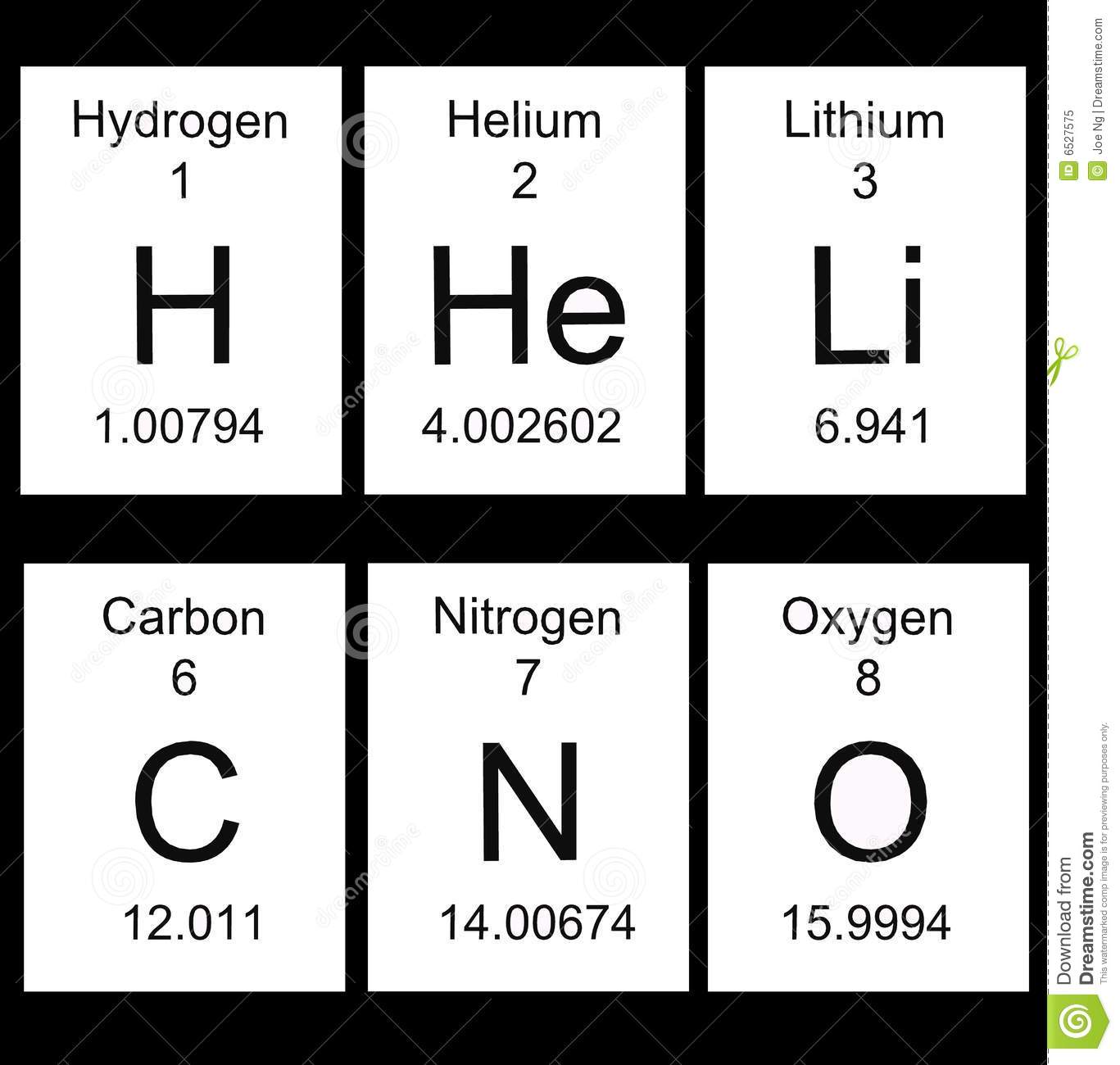
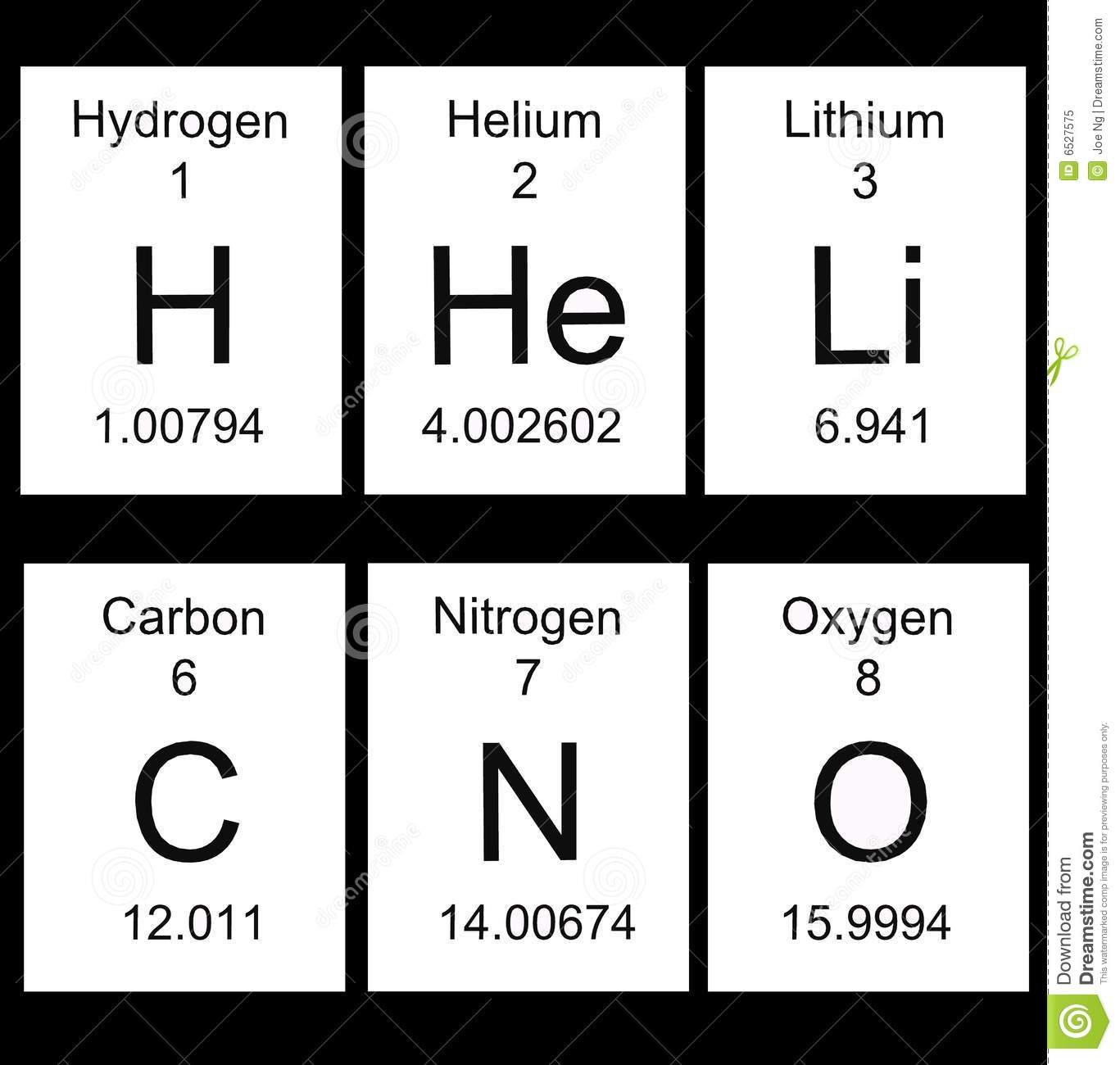
What is the name of group number 1?
halogens
noble gases
alkali metals
alkaline earth metals
What is the name of group number 2?
transition metals
halogens
metaloids
alkaline earth metals
where are the metaloids found
far left, vertical
stair step/diagonal
far right horizontal
at the bottom
What group number are the halogens found?
18 (8A)
1
2
17 (7A)
Periodic law states that the elements are arranged according to their atomic ________ so that elements with similar chemical properties are in the same ________ and properties repeat periodically.
numbers, rows
masses, rows
masses, column
numbers, column
Metals (select all that apply)
are found on the right side of the periodic table.
are found on the left side of the periodic table.
are good conductors of heat and electricity.
are brittle.
are malleable and ductile.
Nonmetals (select all that apply)
are found on the right side of the periodic table.
are found on the left side of the periodic table.
are good conductors of heat and electricity.
are brittle.
can be solid, liquids, or gases at room temperature.
Which halogen is found in period 4?
Krypton (Kr)
Xenon (Xe)
Bromine (Br)
Iodine (I)
Which element has similar chemical properties as sodium but has 7 energy levels?
Francium (Fr)
Cesium (Cs)
Rubidium (Rb)
Potassium (K)
Elements that have the same number of energy levels are said to be in the same ______.
group
period
family
classification
what is the name of group number 1
halogens
noble gases
alkali
alkaline earth
what is the name of group number 2
transition metals
halogens
metaloids
alkaline earth
symbols must have at least
1 cap. letter
2 cap. letters
2 lower case letters
any letter you want
Elements in the same group have : (2 correct answers)
Similar chemical properties
Similar names
Same number of outer (valence) electrons)
The same number of protons

The blue elements (left side) are called
Match the following elements to the group they belong to.
sodium
alkali metal
calcium
alkaline earth metal
chlorine
halogen
argon
noble gas
lithium
2 energy levels
helium
1 energy level
aluminum
3 energy levels
bromine
4 energy levels
strontium
5 energy levels

Which color on the image of the periodic table corresponds with the metalloids.
bright yellow
gold
teal
light blue

Which elements are to the LEFT of the zigzag?
metals
nonmetals
metalloids

Which elements are colored red?
nonmetals
metals
metalloids
N or C?
F, N, B
Rank the following elements by increasing atomic radius:
carbon, aluminum, oxygen, phosphorus.
Cl or Al?
N or C?
H or F?
The element with the lowest electronegativity in Period 3 is -
Na
Cl
Ar
Mg

Which of the following lists contains atoms with the highest reactivity?
He, Ne, Ar
F, Cl, Br
Zn, Cd, Hg
C, Si, B
In order to determine if two atoms are copper (Cu) atoms, what must be the same for each?
the number of valence electrons
the number of protons
the charge of the atom
the size of the atom
The identifying characteristic of an element is its number of
protons.
neutrons.
electrons.
orbitals.
Transition metals:
group 1
group 17
group 18
groups 3-12
Alkali metals:
group 1
group 17
group 18
groups 3-12
Halogens:
group 1
group 17
group 18
groups 3-12
Noble Gases
group 1
group 17
group 18
groups 3-12
All elements are generally trying to find how many valence electrons?
2
4
6
8
How many groups are on the periodic table?
7
18
How many periods are on the periodic table?
7
18
What are valence electrons?
all the electrons
only the electrons in the nucleus
only the electrons in the first level
only the electrons in the outer level
Where would you find energy levels?
nucleus
electrons cloud
neither the nucleus nor the electron cloud
Which of the following is MOST reactive?
Magnesium
Lead
Tin
Copper
Zinc
Which metal is more reactive than calcium?
magnesium
potassium
silver
aluminum
Choose the least reactive metal
calcium
magnesium
iron
copper
Name this group: These metals are the most reactive.


Why are halogens so reactive?
They want to get rid of their only valance electron
They only need one more electron
They are non reactive, they have a full shell
Which model represents the most reactive atom?
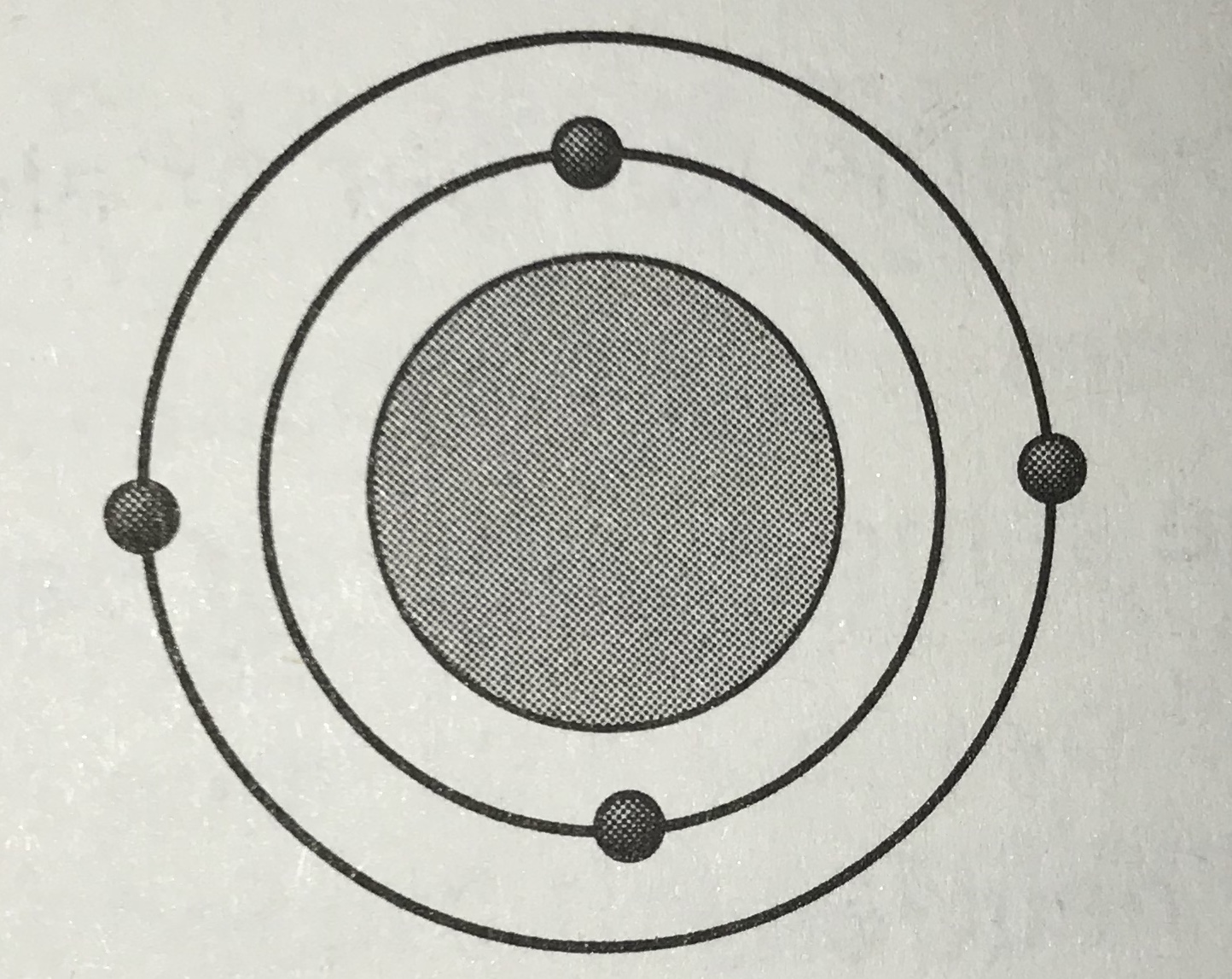
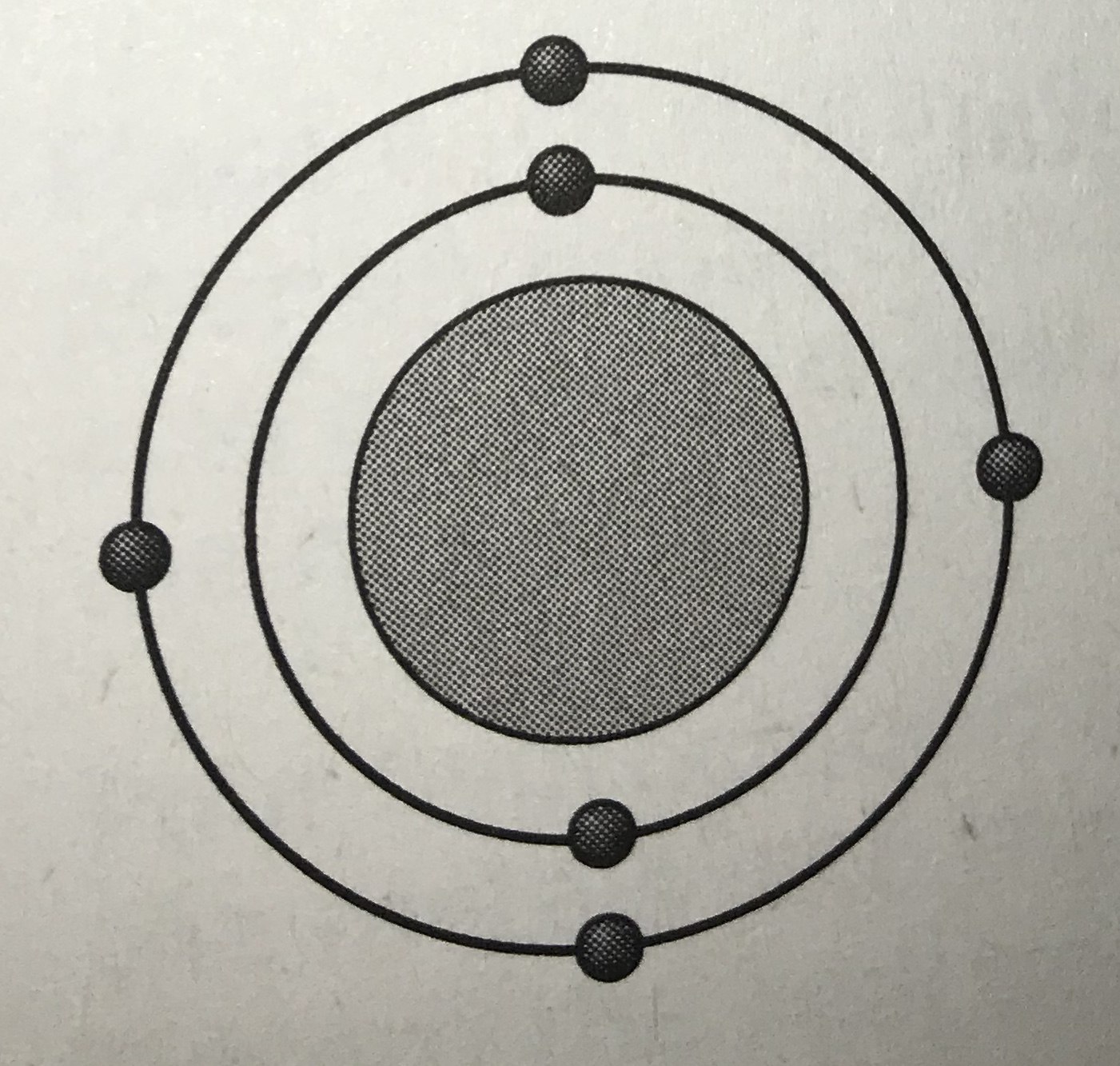
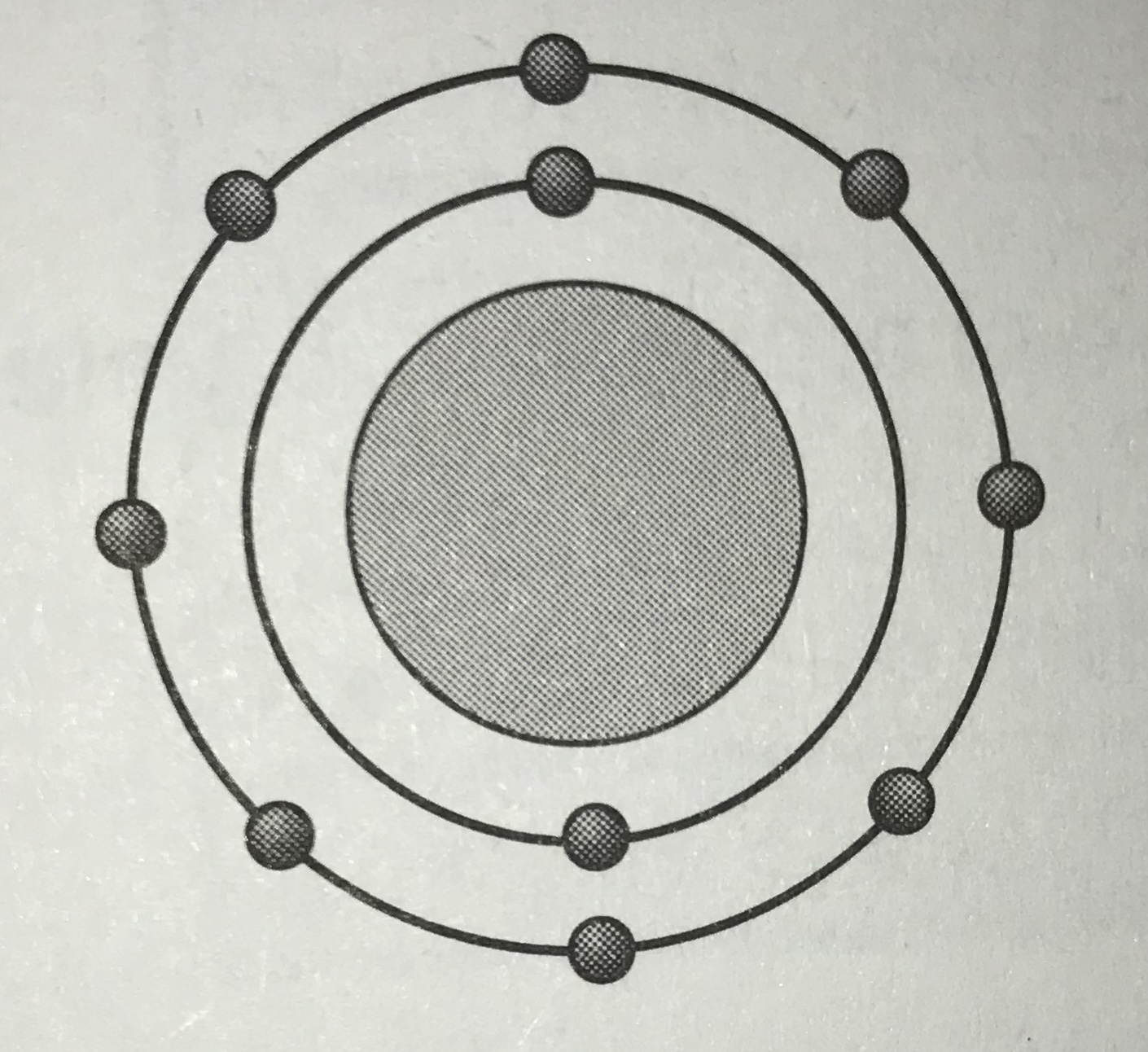
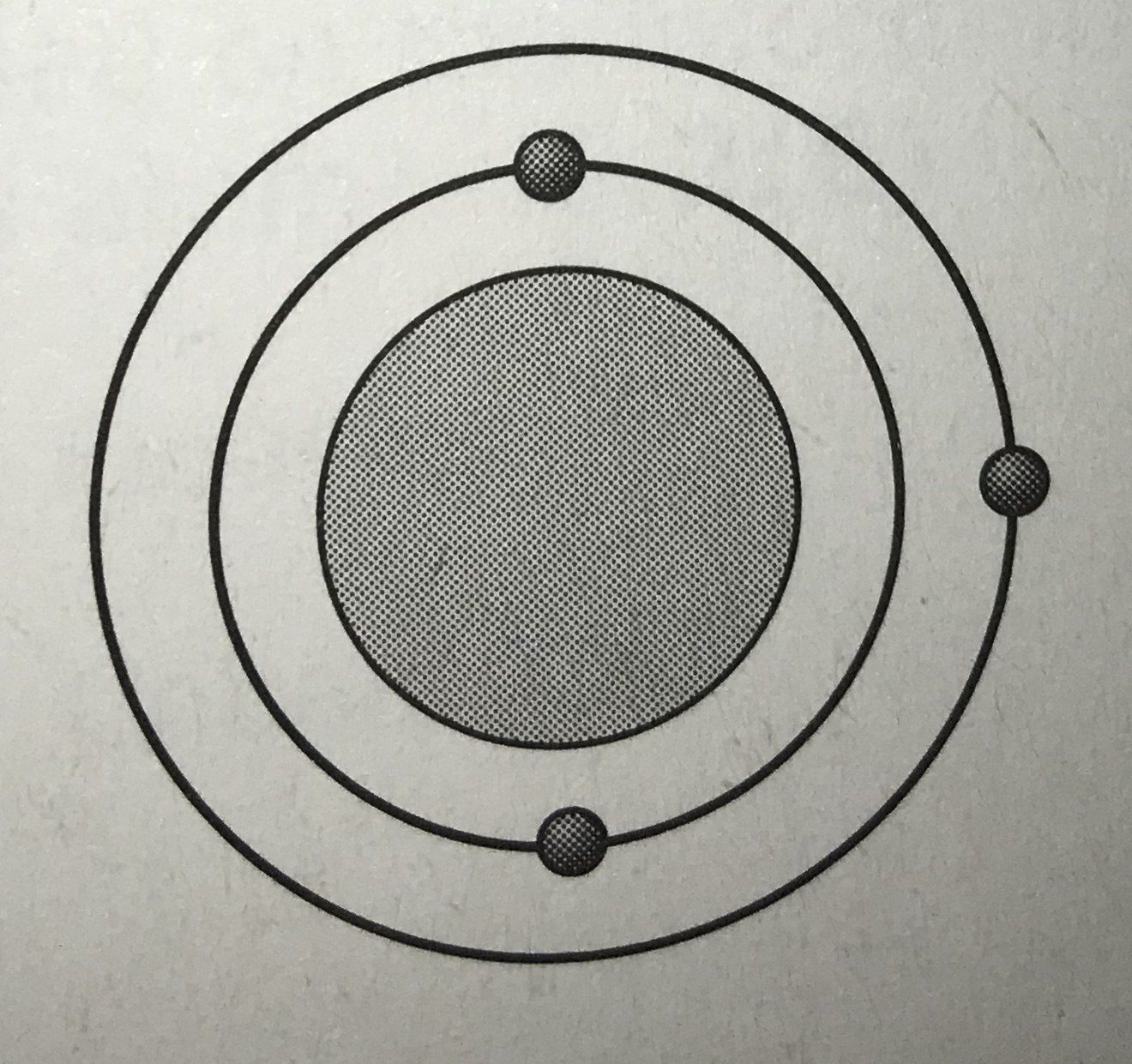
Which of the following characteristics is similar for fluorine and iodine?
Number of protons
Number of neutrons
Number of orbitals
Number of valence electrons
What element contains 7 protons and 5 valence electrons?
Boron
Vanadium
Nitrogen
Lithium
The atomic number of an element is equal to its number of protons. Therefore, a logical conclusion is that the number of protons determines an element's
Mass and atomic weight
Number of stable isotopes
Identity
State of matter
Which statement is NOT accurate describing the element krypton?
The element has 36 protons
The element has 48 neutrons
The element has 6 valence electrons
The element has properties similar to neon
Which statement would be most helpful in determining an element's reactivity?
The element has the same number of electron shells as iodine
The element has the same number of valence electrons as cesium
The element has 47 neutrons
The element is a metal

Based on the model, which statement accurately describes the reactivity of sodium?
Sodium is slightly reactive because it has one more neutron than protons
Sodium is highly reactive because it has a filled outer shell of valence electrons
Sodium is slightly reactive because it has an equal number of protons and electrons
Sodium is highly reactive because it has only one valence electron

Where are valence electrons located on the model?
Near the nucleus
In the middle of the atom
At the innermost level
At the outermost level

Which student's claim about valence electrons in a sulfur atom is correct?
Student 1
Student 2
Both Student 1 and Student 2
Neither Student 1 nor Student 2
Which statement best explains why protons are used to identify an element?
Protons are the most easily identified subatomic particles
Positive charges are more easily detected during an investigation than negative and neutral charges
The number of protons is unique to each element and remains constant
Protons alone cannot be used to identify an element. The number of electrons and neutrons must also be known.
A group of students examines a Bohr model of an atom with 8 valence electrons. What conclusion can the students make about the chemical reactivity of the element?
The element is extremely reactive because the outer energy level is full
The element is nonreactive because the outer energy level is full
The element is somewhat reactive because the outer energy level is full
Additional information is necessary to determine reactivity

What reasonable conclusion can be made from the information given?
Element 1 has the same atomic mass as Element 4
Element 3 has very similar chemical properties as Element 4
Element 1 has very similar chemical properties as Element 3
None of the above
USE THE PERIODIC TABLE
How many valence electrons does Phosphorus have?
31
5
15
4
How many valence electrons does Hydrogen have?
4
1
8
2
How many valence electrons does potassium have?
19
6
39
1
How many valence electrons does Carbon have?
4
6
14
12

What is the chemical symbol for Potassium?
Po
P
K
Pm

TRUE OR FALSE Lithium and Beryllium have the same number of valence electron.
TRUE
FALSE
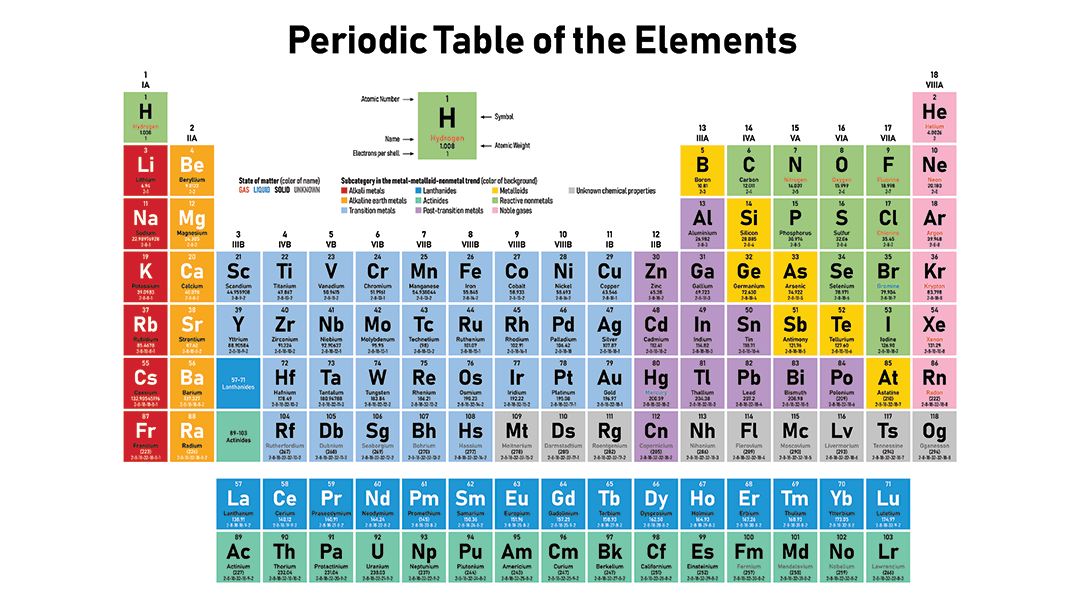
All of the elements has 4 valence electrons EXCEPT______
Carbon
Silicon
Germanium
Selenium
Cobalt (Co) has an atomic mass of 58.933.
What is the Mass # (M) for Cobalt?
60
59
58
57
Zinc (Zn) has an atomic mass of 65.38
What is the Mass # (M) for Zinc?
70
66
65
64
What is the maximum number of electrons that can fill up the 2nd energy level?
2
4
8
What is the maximum number of electrons that can fill up the 1st energy level?
2
4
8

All of the elements in column 18 or group 8A have 8 electrons EXCEPT ______, which is actually stable with only 2 electrons.
Hydrogen
Helium
Neon
Fluorine
Which elements have the most similar chemical properties?
boron and carbon
oxygen and sulfur
aluminum and bromine
argon and silicon
What groups are the most reactive metals?
2 and 3
1 and 18
1 and 2
16 and 17
What group has the most reactive non metals?
1
17
2
18
Why are halogens so reactive?
They want to get rid of their only valance electron
They only need one more electron
They are non reactive, they have a full shell
USE THE PERIODIC TABLE
Find the element that has 3 Valence Electrons and 2 energy levels.
Magnesium - Mg
Lithium - Li
Aluminum - Al
Boron - B
USE THE PERIODIC TABLE
Find the element that has 5 Valence Electrons and 4 energy levels.
Arsenic - As
Selenium - Se
Calcium - Ca
Vanadium - V

