
 Worksheets
Unit 2 Review
Total questions: 137
Worksheet time: 2hrs 28mins
What is the definition of matter?
Anything that has mass and takes up space
A substance that is liquid, solid, or gas
Anything that is pure
Anything that you can see or hold
What is the study of matter and how matter changes?
Physical Science
Chemistry
Biology
Matterology
What term means "take up space"
Volume
Matter
Mass
Substance
What term refers to a single kind of matter that is pure?
Solution
Mixture
Substance
Matter
What term refers to "two or more substances combined physically, but are still able to be separated?"
Mixture
Solution
Matter
Combination
Which of the following is NOT an example of matter?
Sunlight
Air
Tree trunk
Sponge
Which of the following is NOT a mixture?
Salsa
Guacamole
Egg Salad
Bleach
What is the difference between a mixture and a solution?
A mixture retains its properties, a solution creates new ones
A mixture and solution are the same
A solution cannot be separated into it's individual components
A mixture is chemically bonded, a solution is not.
Which of the following is NOT a solution?
Lemonade
Salt water
Soda
Lemon Juice
Which term refers to "two substances that have bonded together to form a new substance"
Mixture
Solution
Substance
Matter
Substances that are made up of ONLY one type of atom (element) or compound.
Heterogeneous mixture
Pure substance
Suspension
Homogeneous mixture
Which of the following is classified as a pure substance?
Lemonade
Fruit punch
ketchup
Hydrogen
Gold
Which of the following is NOT a mixture?
milk
lemonade
vegetable salad
carbon
Which of these is an element?
Salt (NaCl)
Water (H20)
Oxygen (O)
Carbon Dioxide (CO2)
Which of these is a compound?
Aluminium (Al)
Carbon Dioxide (CO2)
Nitrogen (N)
Sand
True or False: Elements and compounds are pure substances.
True
False
Identify which images are HETEROGENEOUS MIXTURES! (Check all that apply)


Solutions are ___________ mixtures.
Solid
Homogenous
Heterogeneous
Gas


What type of mixture does this diagram represent?
Homogeneous
Heterogeneous

This separation method is called...
Magnetism
Filtration
Distillation
Evaporation

Which method can you use to separate sand and iron filings?
Distillation
Magnetism
Filtration
Evaporation
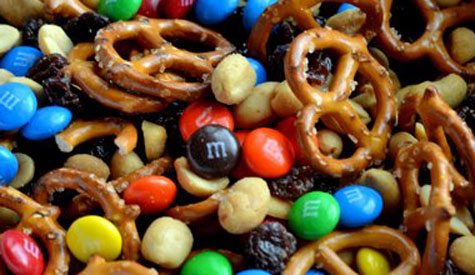
A mixture that contains two or more substances uniformly combined
heterogeneous mixture
homogeneous mixture
suspension
colloid

Matter is classified in...
Elements & Compounds
Homogeneous & Heterogeneous
Colloids & Suspensions
Pure substances & Mixtures

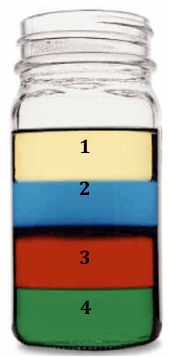
In a density column, is the substance with the highest density on the bottom or the top?
Bottom
Top
In a density column, is the substance with the lowest density on the bottom or on the top?
Bottom
Top
Which of the following is the correct definition of density?
The amount of stuff in an object
The amount of space an object takes up
A measure of the force of gravity on an object
The amount of matter (mass) packed into a space (object)

Which object has the highest density in this picture?
A
B
C

Which object has the lowest density in this picture?
A
B
C
Which of the following is an example of an object with a low density?
Pillow
Bowling Ball
Brick
Which of the following is an example of an object with a high density?
Pillow
Bowling Ball
Beach Ball
Which of the following is the correct units for density?
grams (g)
Newtons (N)
cm3
g/cm3
What is the density of an object if it has a mass of 6g and a volume of 3cm3? (Hint: Density = mass/volume)
6 g/cm3
3 g/cm3
2 g/cm3
1/3 g/cm3
Does 1cup or 6cups of water have a higher density?
1 cup
6 cups
They have the same density

You calculated the density of an unknown substance to be 7.8g/cm3. According to the chart, which of the substances doe you most likely have?
Zinc
Copper
Tin
Iron
What is the density of an object with a mass of 3g and a volume of 1cm3? (Hint: Density = mass / volume)
1/3 g/cm3
3 g/cm
3 g/cm3

You calculated the density of an unknown substance to be 5.7g/cm3. According to the chart, which of the substances do you most likely have?
Aluminum
Iron
Tin
Zinc

Which substance is the most dense in this picture?
Vegetable Oil
Dish Soap
Honey
Corn Syrup

Compared to material A, material B has different...
Density
Mass
Phase
Shape

Which of the following substances would float in water? (Hint: water has a density of 1g/cm3)
gold
rubber
water
cork
Which of the following examples represents a physical change?


Which of the following is evidence of a physical change?
new substance
shape change
light produced
gas released
A teacher is demonstrating physical and chemical changes to her class. Which action should they use to demonstrate a chemical change?
Cutting a piece of paper with scissors.
Folding a piece of paper into an airplane.
Ripping a piece of paper with their hands.
Burning a piece of paper with a match.
A physical change is
a change where the characteristics do not change the substance
a change where the characteristics do change the substance
a change where the chemistry changes
What is the definition of chemical change?
any change that results in the formation of one (or more) new chemical substance(s)
changing of only the appearance of the object
matter cannot be created or destroyed, only change form
changes affecting the form of a chemical substance, but not its chemical composition
Which example best illustrates a physical change?
iron rusting
charcoal burning
an ice cube melting
a marshmallow burning
A glass bottle that is shattered is a
Chemical Change
Physical Change
Baking soda and vinegar combining to make carbon dioxide is a
Chemical Change
Physical Change
Which of the following are examples of chemical changes? Select all that apply!
Iron Rusting
Gas Burning
Breaking a Glass
Boiling Water
Burning Wood
Sugar dissolving in water is a
Chemical Change
Physical Change

Identify the change shown in the picture.
Irreversible physical change
Irreversible chemical change
reversible physical change
reversible chemical change
Which one describes a physical change?
A change where the chemical makeup of an object changes.
A change where the characteristics do not change the substance.
A change where the substance turns into something new.
The composition of the object changes.
Which of the following is NOT an indicator of chemical changes?
Unexpected color change
Dissolving
Light production
Gas formation
Select ALL the characteristics of a physical change.
changes in appearance only
a new substance is not created
changes the pH level
chemical bonds are not created or broken
burning and fire
In a chemical reaction, the number of atoms in the reactants and the products...
Must be the same
Must be different
Which of these is NOT a sign of a chemical reaction?
A phase change
Formation of a precipitate
A color change
A temperature change
To change from one state of matter to another state of matter is called?
phase change
potential change
kinetic change
thermal change
What is a mixture?
substances that are not chemically bonded and can be separated
substances that are chemically bonded and can be separated
substances that are not chemically bonded and can not be separated
substances that are chemically bonded and can not be separated
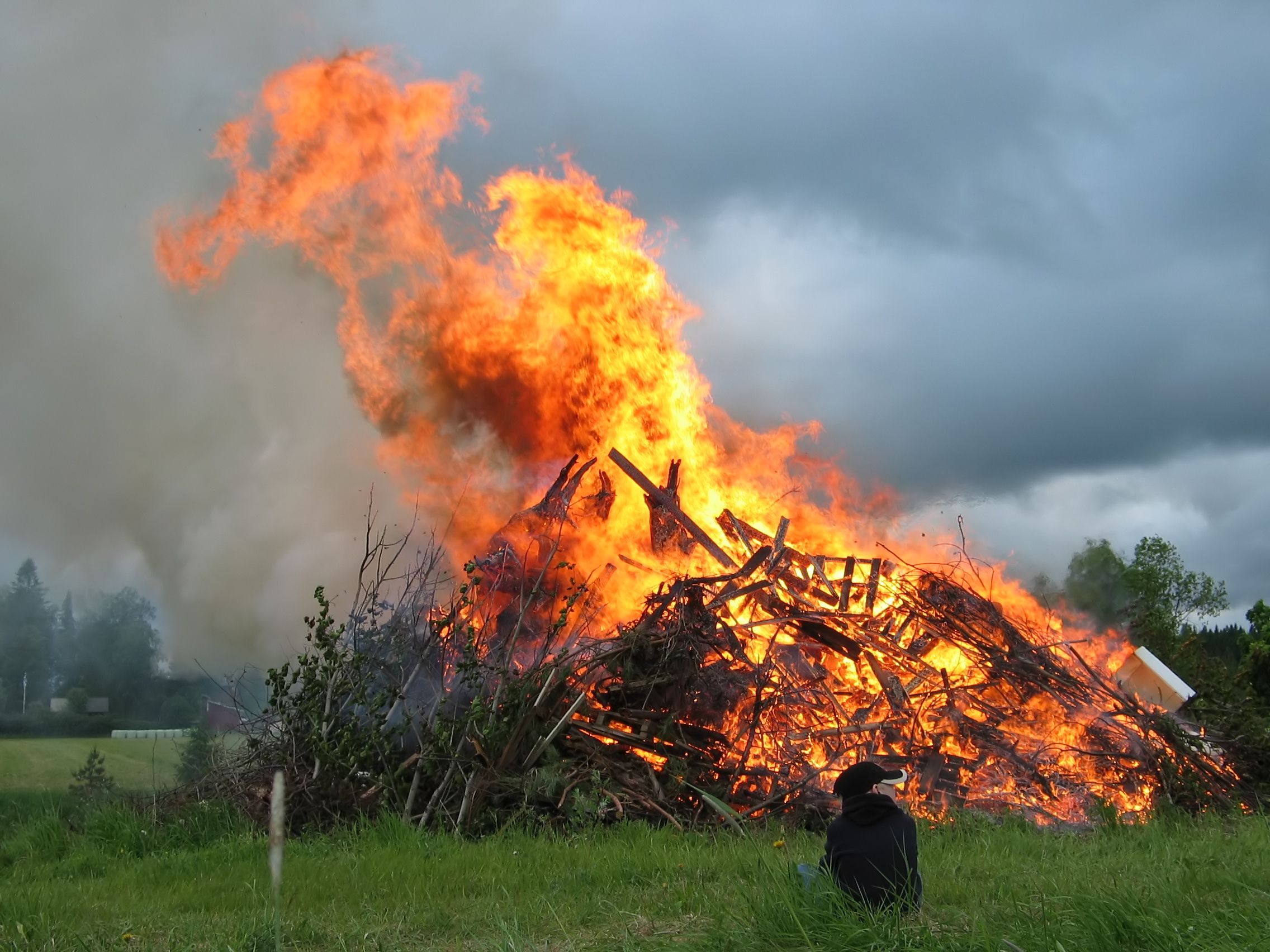
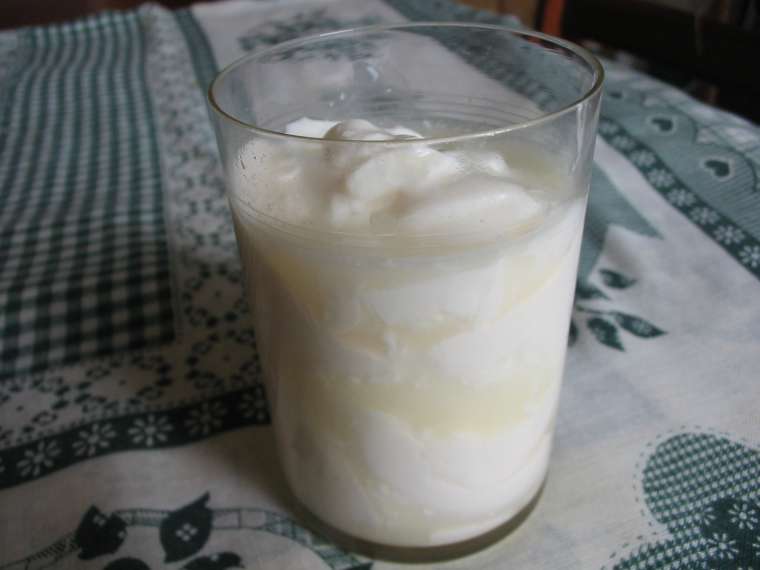
Is milk going sour and curdling a physical or chemical change?
Physical
Chemical


Which of the following is not a clue that a chemical reaction has taken place?
Changing size
Changing color
A gas being formed
Formation of a precipitate
what is digestion?
physical property
chemical change
physical change




According to the picture from left to right, which of the answers is correct?
neurally buoyant, positively buoyant, negatively buoyant
negatively buoyant, neutrally buoyant, positively buoyant
positively buoyant, neutrally buoyant, negatively buoyant
neutrally buoyant, negatively buoyant, positively buoyant
As a flame heats air in a hot air balloon it starts to rise. Which of the following statements incorrectly explains the chemistry behind why this happens.
The air molecules become less dense & more bouyant than the cooler air in the surrounding atmosphere.
The volume of the gas increases because the molecules in the gas are spaced further apart.
The mass of the of the gas increases causing density to increase & buoyancy to decrease.

Which graduated cylinder has the highest viscosity
The graduated cylinder with the ball at 20mL.
The graduated cylinder with the ball at 30mL.
The graduated cylinder with the ball at 40mL.
The graduated cylinder with the ball at 50mL.

How is viscosity & density affected when a fluid is heated?
viscosity increases & density increases
viscosity decreases & density decreases
viscosity decreases & density increases
temperature has no affect on viscosity or density

At which of these temperatures is the viscosity of the fluid highest? (see graph)
40 °C
60 °C
80 °C
100 °C
Viscosity can be described as...
a physical property of liquids
a physical property of solids
a chemical property of liquids
Low viscosity can be described as...
liquids that flow quickly
liquids that flow slowly
High viscosity can be described as...
a liquid that flows quickly
a liquid that flows slowly
Peanut butter is an example of a...
High viscosity liquid
Low viscosity liquid
Isnt a liquid at all! Don't be silly.
Water is an example of a...
Low viscosity liquid
High viscosity liquid
Which viscosity can be described as "thick"?
Low viscosity
High viscosity
Which viscosity can be described as "thin"?
Low viscosity
High viscosity
Write one interesting thing you have learnt about viscosity
What is a fluid?
A firm and stable shape.
A substance that has no fixed shape and yields easily to external pressure.
Which of these are classified as fluids?
Solid
Liquid
Gas
What is fluid flow?
Describes how fluids behave when frozen.
Describes how fluids behave when heated.
Describes how fluids behave in their surrounding environment.
Which of these are fluids?
Sand
Water
Oxygen
Rocks
What is Viscosity?
A fluids colour.
A fluids temperature.
A fluids resistance to flow.
Which of these factors affects Viscosity?
Temperature
Colour
Taste
What is flow rate?
The speed of a fish swimming across a lake.
The speed of a rocket going to the moon.
The speed which a fluid flows from one point to another.
How many liters of gasoline is sold in Canada per year?
43 million litres.
43 billion litres.
43 thousand litres.

