
 Worksheets
Earth Science
Total questions: 160
Worksheet time: 3hrs 0mins
What layer has convection currents?
Crust
Mantle
Inner Core
Outer Core

"Bio" in biosphere means ____.
air, vapor
rock, earth
water
life

"Atmo" in atmosphere means ____.
air, vapor
rock, earth
water
life

"Hydro" in hydrosphere means ____.
air, vapor
rock, earth
water
life

"Geo" in geosphere means ____.
air, vapor
rock, earth
water
life

How do the geosphere and the atmosphere interact?
Air contains water.
Volcanic ash can enter the atmosphere.
Living things need air to survive.

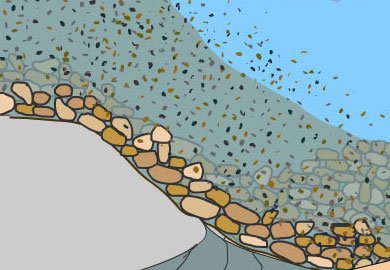
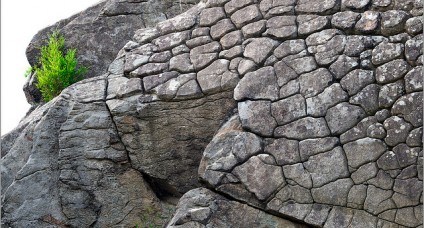
erosion
compaction
weathering



When carbon dioxide dissolves from the air into the ocean, the interaction is between...
The atmosphere and geosphere
The atmosphere and hydrosphere
The atmosphere and biosphere
The atmosphere and atmosphere

When a plants takes carbon dioxide from the air, which two spheres are interacting?
Biosphere and atmosphere
Geosphere and atmosphere
Hydrosphere and atmosphere
Atmosphere and atmosphere
The chemical and physical processes that break down rock at Earth's surface
Weathering
Erosion
Processes by which rock, sand, and soil are broken down and carried away by natural forces such as wind or water
Weathering
Erosion
Earthquakes most often occur
in the middle of plates
near plate boundaries
where thunderstorms are
along the coast
The location on the Earth's surface where an earthquake occurs is referred to as
tsunami
focus
epicenter
subduction


Water that is present in underground streams is called.....
Underground water
Well water
Waste water
Ground water
________ is a process where liquid water slowly turns to water vapour.
Condensation
Precipitation
Evaporation
Run-off
________ is the process of water returning to the ground as rain or snow.
Evaporation
Condensation
Run-off
Precipitation
________ is the process of plants using water through their leaves.
Transpiration
Evaporation
Sublimation
Condensation
Sources of salt water on Earth include lakes, rivers and streams.
True
False
Most of Earth's fresh water is in the form of...
Ice
Lakes
Ponds
Rivers
How are glaciers formed?
Rain turned into snow
Layers of snow are compressed over many years.
Hot air convects and form snows.
Long winter

All bodies of fresh water, salt water, ice, and snow that are found above ground
Groundwater
Surface water
Runoff
Swimming pool
What describes the smaller streams and rivers that feed into the larger streams/rivers?
Branches
Tributaries
Channels
Aquifers
Salinity means the level of _______________in the water.
oxygen
salt
nitrogen
salcite
Differences in the moon's pull on different sides of the Earth cause _________.
gravity
lunar phases
tides
dabbing
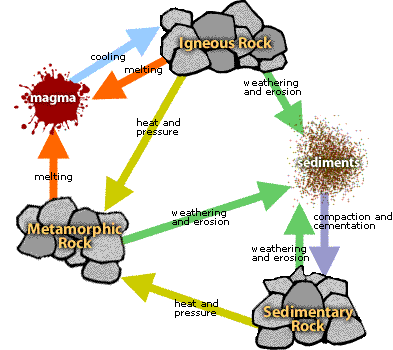


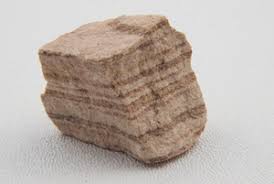
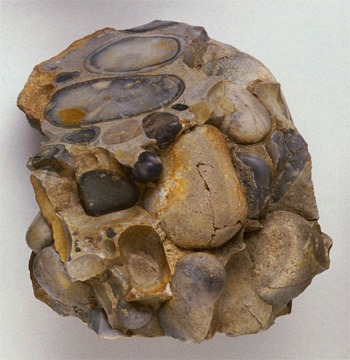
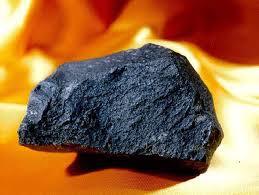


This type of rock can contain fossils.
sedimentary rocks
metamorphic rocks
extrusive igneous rocks
intrusive igneous rocks

This rock is formed in layers.
Sedimentary
Igneous
Metamorphic

This rock is changed by heat and pressure.
Sedimentary
Igneous
Metamorphic
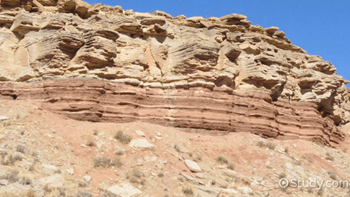
What factors can lead to the formation of a sedimentary rock?
melting and solidification
extreme heat and pressure
compaction and cementation
When a mineral breaks along rough, jagged surfaces it's called
fracture
cleavage
hardness
streak
The measure of how easily a mineral can be scratched.
streak
color
luster
hardness
The way that a mineral reflects light. It can be metallic or non-metallic.
streak
hardness
fracture
luster
The color left by a mineral in its powdered form.
streak
density
hardness
smudge
What equipment would you need to do a mineral streak test?
a long pointed iron rod
a rough white ceramic tile
a disposable sample of talc
a low powered microscope

Guess the Mineral!
This mineral is the hardest naturally occurring mineral. It is most often used in jewelry but can also be used on the tips of saw blades. What is the name of the mineral?
Fluorite.
Talc.
Diamond.
Sulfur.
What is weathering?
The movement of sediment
The breaking of sediment
The dropping of sediment
What is erosion?
The movement of sediment
The breaking of sediment
The dropping of sediment
What is deposition?
The movement of sediment
The breaking of sediment
The dropping of sediment
Water carrying sediment down a hill is an example of...
weathering
erosion
deposition
Beach waves dropping sand to create a beach is an example of...
weathering
erosion
deposition
All the water on Earth is known as...
sediment
lithosphere
hydrosphere
Small pieces of rock that have been weathered from a larger rock are known as...
sand
sediment
soil
The scientific term for land, crust or rock is...
hydrosphere
dirt
lithosphere

A landform made of sediment that is deposited where a river flows into an ocean or lake is called a...
sea cave
mountain
delta
Rain washing away soil from a hillside
Weathering
Erosion
Deposition
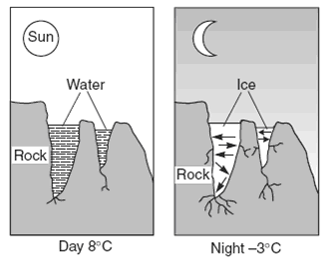
Which statement best explains why this process results in weathering?


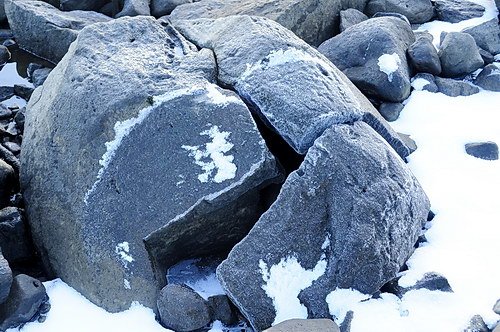

What scenario would you expect to find the most erosion due to runoff?
A shallow slope covered with grass
A shallow, bare slope
A steep slope covered with evergreen trees
A steep, bare slope
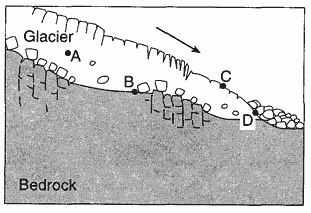
The cross section below represents the transport of sediments by a glacier. At which location is deposition most likely the dominant process?
A
B
C
D
This type of weathering in which rock is physically broken into smaller pieces.
Chemical weathering
Erosion
Mechanical weathering
Deposition
The grinding/scratching away of rock by other rock particles carried in water, ice, or wind
Frost wedging
Exfoliation
Oxidation
Abrasion
Plants/animals digging under ground with roots or claws to break apart rocks.
Frost wedging
Abrasion
Burrowing
Exfoliation

A type of chemical weathering in which a substance combines with oxygen, as when iron oxidizes, forming rust.
Acid rain
Oxidation
Reaction to water
Exfoliation

The image above depicts the effects of chemical weathering breaking down limestone. Which type of chemical weathering causes this reaction?
Acid rain
Oxidation
Exfoliation
Abrasion

Which type of sediment does wind erosion most strongly affect?
Loose, sandy soil
Wet rocks
Wet, compacted soil
Dry, compacted soil
Which of the following agents is the usually responsible for the formation of canyons?
Gravity pulling
Wind blowing
Flowing water
Glaciers moving
What is the difference between weathering and erosion?
Erosion breaks down the rocks, and weathering carries the broken pieces away.
Erosion carries broken pieces away, and weathering builds the pieces back up into another land mass.
Weathering carries broken pieces away, and erosion builds the pieces back up into another land mass.
Weathering breaks down rocks, and erosion carries the broken pieces away.

________________ is the breaking off and/ or disintegration of larger rocks into smaller rocks.
Erosion
Weathering
Deposition
Lotic

_____________ is the dropping off/ depositing of rocks.
Metamorphosis
Deposition
Weathering
Erosion
What is the flat area of land that has sediment deposited when water overflows from rivers?
Estuary
Floodplain
Wetland
Tributary
A place where fresh water from rivers mixes with salt water from the ocean.
Estuary
Divide
Wetland
Tributary

Which number best represents a floodplain?
1
2
3
4

The small rivers in this diagram to connect together represent...
Tributaries
Run-off
The Floodplain
The Watershed Boundaries
Water that collects in cracks and pores in underground soil and rock layers.
Groundwater
Surface Water
Permeable
Impermeable
This word describes when rock has spaces that allows water to move through
Permeable
Impermeable
Surface Water
Drainage Divide

Water that flows along Earth's surface to eventually return to the ocean is called ___.
Runoff
Storm drain
Surface water
Tributary

An underground layer of permeable rock or sediment that holds water?
Reservoir
Aquifer
Groundwater
Watershed
Which part of a river provides the best evidence that water weathers and erodes the land it flows over?
Headwaters
Mouth
Delta
Tributaries

A watershed is an area of land that drains into a river system.
true
false

Water that collects in cracks and pores underground in soil and rock layers.
ground water
surface water
The __________ is the end of a river.
source
mouth
The part of a river that is near the source.
upstream
downstream

A floodplain is a flat area of land next to a river that is prone to flooding.
true
false

Why are estuaries important?
They are among the most productive ecosystems in the world.
They are home to a wide variety of plant and animal life.
They provide protection to wildlife from severe weather.
All of the above
A partially enclosed body of water where freshwater and saltwater mix.
estuary
wetland
An area of land that is saturated (covered) by water permanently or seasonally.
wetland
estuary

The "examples" in the image represent living factors in a watershed. These are also known as ____________ factors.
biotic
abiotic
Select the abiotic factor from the list below.


Water evaporates from the leaves of plants in a process called...
transpiration
collection
condensation
precipitation

How does surface water end up underground?
infiltration
evaporation
precipitation
condensation

All the water and any pollution in a watershed drain into an estuary, and eventually the ocean.
true
false

What definition BEST describes a watershed?
An area where water infiltrates the soil
An area where aquatic plants and animals thrive
An area where snow melts and changes into liquid water
An area that collects precipitation and drains it to the lowest point

The use of pesticides and fertilizers is carefully monitored because of the effect they can have on the environment. Which of the following is a possible negative effect of the use of these chemical on the environment?
These chemicals are expensive to produce.
Runoff carries these chemicals into lakes and streams.
Storage space for these chemicals is limited.
Theses chemicals cannot be purchased in large bulk.
All water below the surface of land is called__________.
water table
watershed
groundwater
runoff
The process where water or irrigation runs over land and seeps into the ground, or flows into streams or oceans.
water cycle
runoff
precipitation
evaporation

Rapid growth of algae in a pond is often the result of -
loss of habitat due to commercial building.
flooding that causes water levels to rise.
excess nutrients from fertilizer runoff.
clogged river tributaries entering a lake.
As water flows it picks up...
fertilizers, oils and pesticides
sugar and spice and everything nice
sunshine, sugar, and carbon dioxide
oxygen and carbon dioxide
How can you help protect watersheds (select ALL correct answers!)
clean up after your pet
stop littering
reduce amount of fertilizers and pesticides
nothing
Which of these MOST LIKELY forms when large
sections of Earth’s crust collide with each other?
Reefs
Gullies
Craters
Mountains

What occurs at a transform boundary
earthquakes
mountain chains
rift valleys
volcanic formations
Which describes the motion of the plates near a transform boundary?
tectonic plates collide
tectonic plates pull apart
tectonic plates slide past one another
tectonic plate goes underneath another plate


Clear, sunny skies
Cloudy skies
Hot temperature
Thunderstorms


What is the big difference between climate and weather?
Weather can only happen on certain occasions and climate can happen anytime anywhere
Weather is how if feels outside for one day and climate is how it feels for periods of time
There is no difference between them
Weather is real and climate is fake
Which one is a warm front?


What is a barometer?
A tool used to measure temperature
A tool used to measure rainfall
A tool used to measure air pressure
A person who studies weather
The amount of water vapor in the air-
humidity
climate
generalization
This is measured and recorded daily-
climate.
weather.
seasons.
Climate is the average weather conditions recorded over a span of--
days
weeks
years
Which best describes climate?
Summers are usually hot and dry.
It rained last week.
Yesterday it was cold and windy.
weather
climate


