
 Worksheets
Unit 7 Warm-up 3 (w/7.4)
Total questions: 152
Worksheet time: 2hrs 53mins
Genetic fitness means that an organism's ability to do what is high?
lift weights really well
reproduce effectively
attract other members of their species
survive environmental disasters
Microevolution happens in
species
individuals
populations
households
Genetic drift is more likely to happen in...
aquatic populations
small populations
terrestrial populations
older populations
Genetic drift is change in the allele frequency of a population due to...
random chance
natural selection
non-random mating (sexual selection)
artificial selection
the Hardy-Weinberg principle
the founder effect
directional selection
the bottleneck effect

Which of the following is an example of the founder effect?
Humans choose two dogs they like the characteristics of and breed them together.
Affected individuals with blue skin can trace their ancestry back to one of the first settlers in the region.
The environment of a fox population changes and over time foxes who are white survive and pass on their genes to their offspring.
Cheetah populations reach their lowest levels with reduced diversity and as they rebound are so genetically similar they appear to be inbred.
Bald Eagles are hunted until near extinction, population recovers.
Small group of iguanas floats to an island, starts a new population.
Red fox pups are more likely to survive in a snowy environment if they are born white.
Farmer chooses seeds from largest apples to plant next year. This results in larger apples from year to year.
This occurs when a large population is drastically reduced by an event such as a natural disaster; the population's new gene pool only contains alleles from the survivors
Founder effect
Bottleneck effect
Meteor effect
Natural selection
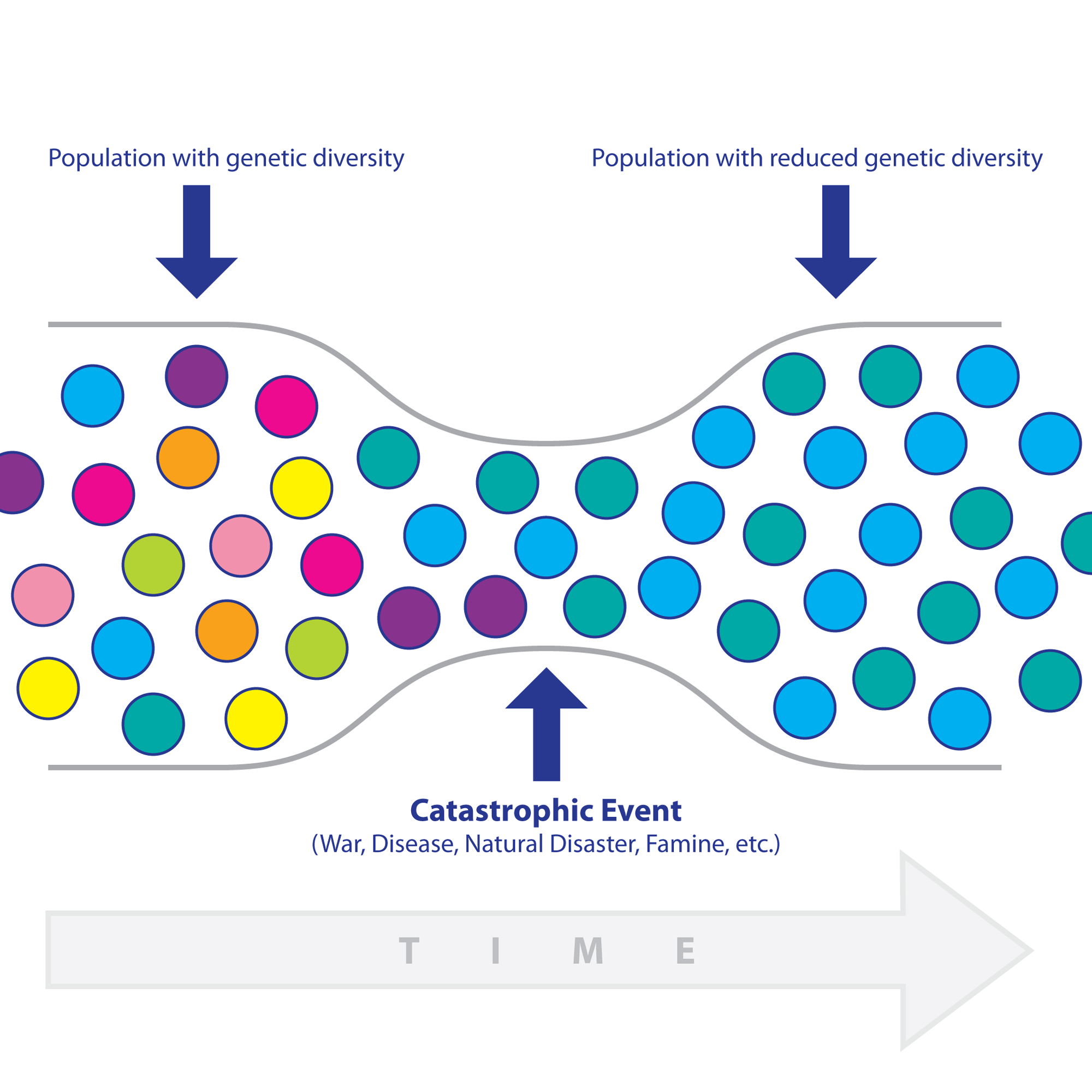
A drastic reduction in the size of a population that can change allele frequencies is called
the bottleneck effect
the founder effect
the gene flow effect
the Thanos effect

Which of the following is an example of the bottleneck effect?
Cheetah populations reach their lowest levels with reduced diversity and as they rebound are so genetically similar they appear to be inbred.
Affected individuals with blue skin can trace their ancestry back to one of the first settlers in the region.
The environment of a fox population changes and over time foxes who are white survive and pass on their genes to their offspring.
Humans choose two dogs they like the characteristics of and breed them together.

Mountains and now breeds on the Santa Rita Mountains with another established population.
Gene Flow
Genetic Drift

A forest fire ignites in the Sam Houston State Forest and kills many members of a population of pigmy rattlesnakes.
Gene Flow
Genetic Drift

Select the best answer based on the image.
Gene Flow
Genetic Drift

Select the best answer based on the image.
Gene Flow
Genetic Drift
The _________________ _________________ occurs when there is a reduction in population due to natural disasters, over hunting or disease.
founder effect
gene flow
bottleneck effect
genetic drift
Genetic drift occurs most quickly in -
small populations.
populations with large genetic variation.
populations with small genetic variation.
large populations.
What is gene flow?
The addition or removal of alleles in a population due to individuals entering or leaving one population for another
A change in allele frequencies when a new population arises from only a few individuals
A reduction in population caused by natural disasters, disease, hunting, etc.
A change in the gene pool due to chance
Which of the following could not be a possible cause of the bottleneck effect?
Overhunting of northern elephant seals
A forest fire that destroys most of a population of deer
A crop that is destroyed by blight
A small group of fish that are added to a pond
Genetic drift is change in the allele frequency of a population due to...
random chance
natural selection
artificial selection
In Addition To Natural Selection, Two Other Mechanisms cause Changes to Alleles in a population
Genetic variation
Gene Flow
Genetic Drift
Point mutation
Founder effect: Each new population has a distinct gene pool from the original population resulting in changes in allele frequency which reduces ____
Genetic variation
Genetic valuation
Genetic drift
Genetic Decorum

Label the natural selection graphs correctly...
1 Stabilizing, 2 Directional, 3 Disruptive
1 Disruptive, 2 Stabilizing, 3 Directional
1 Directional, 2 Stabilizing, 3 Disruptive

Starlings produce an average of five eggs. If there are more than five the parents cannot adequately feed the young. Fewer than five and predators may destroy them. As a result, five eggs becomes the most common number.
Stabilizing
Directional
Disruptive

Seed cracker birds have either large beaks or small beaks. They do not have medium sized beaks because medium sized beaks do not allow for adequate cracking of seeds.
Stabilizing
Directional
Disruptive

A scientist measures the circumference of acorns in a population of oak trees and discovers that the most common circumference is 2 cm. There are very few acorns with circumferences of 3 cm or circumferences of 1 cm. Only the 2 cm circumference acorns survive.
Stabilizing
Directional
Disruptive

A population of Madagascar hissing cockroaches lives in a woodpile. The cockroaches are eaten by lizards. Because the lizards have small heads, the lizards are unable to eat the very largest adult cockroaches, and instead prey upon small and medium sized adults. Over time, only the large headed lizards survive.
Stabilizing
Directional
Disruptive

Female birds that lay close to the optimum number of eggs have the most surviving offspring. Those that lay fewer or more eggs have lower relative fitness.
Stabilizing
Directional
Disruptive

A population of birds with various size beaks eats seeds. Small seeds can be eaten by birds with small beaks. Larger, thicker seeds can only be eaten by birds with larger, thicker beaks. During a drought, only large thick seeds exist so only the large, thick-beaked birds survive.
Stabilizing
Directional
Disruptive

Black rabbits (BB) and white rabbits (bb) are both able to survive because they can camouflage into the white and black rocks in their environment. However, the intermediate gray rabbits (Bb) do not survive. This results in only white and black rabbits.
Stabilizing
Directional
Disruptive

Small lizards have difficulty defending territories so they end up dying out. Large lizards are more likely to be preyed upon by owls. Over time, only medium sized lizards end up surviving.
Stabilizing
Directional
Disruptional

Women often have complications during labor while giving birth to very large babies, whereas very small babies tend to be underdeveloped. As a result, medium sized babies are the ones that end up surviving to adulthood.
Stabilizing
Directional
Disruptive

Which species is most likely to share a common ancestor with Species A?
B
C
D
E
These are early, pre-birth stages of an organism's development, and can be studied for similarities.
Vestigial Structures
Embryos
Homologous Structures
Fossils

What does the fossil record suggest?
Changes have occurred to features of living organisms.
Features of deceased organisms change after death.
Feature of living organisms cannot be observed.
Features of living organisms have remained constant.

By looking at the genes of some animals we can determine which living species are most closely related to each other. This also reveals which species most recently diverged from their common ancestor.
Based on the partial gene segments shown, which pair of animals are genetically most closely related and therefore most recently diverged from their common ancestor?
Chimpanzee and Mouse
Rat and Mouse
Rat and Chimpanzee
Researchers discovered that the legs of birds are homologous to the feet of reptiles. Which claim is BEST supported by this fact?
Birds do not require legs
Birds and reptiles have a common ancestor
They randomly developed the same structures
Selection pressures have acted on birds, but not on reptiles
Show answersExplanationPreviousNext
Common ancestry relates to evolution because
evolution only happens when there are common ancestors.
Common ancestors make evolution happen more quickly.
evolution can never take place with common ancestors.
the more two organisms have in common, the more recent is their common ancestor during their evolution.

The image shows a fossil of Archaeopteryx, thought to be the first fully feathered dinosaur. How does this piece of evidence support the theory of evolution? Choose the correct answer.
It suggests that dinosaurs evolved from modern birds.
It suggests that birds and dinosaurs have a common ancestor.
It suggests that the bone structures of birds are different from those of dinosaurs.
It suggests that birds and dinosaurs were alive at the same time during geologic history.
As an environment changes, some organisms have a higher fitness than others in the new environment. This can lead to __________. Choose the correct answer.
lower genetic variation in the offspring of organisms with higher fitness
greater genetic variation in the offspring of organisms with lower fitness
greater reproductive rates and survivorship of those organisms with lower fitness
greater reproductive rates and survivorship of those organisms with higher fitness
Which statement describes evolution? Choose the correct answer.
change in biodiversity across Earth’s surface
relationship between organisms’ structure and function
change in the genetic makeup of a population over time
beneficial inherited trait that is passed to future generations
A random change in allele frequencies over generations brought about by chance.
genetic drift
gene flow
Cockroaches becoming increasingly resistant to pesticides is an example of
disruptive selection
genetic drift
directional selection
stabilizing selection
Mutations are random while natural selection is NOT
True
False
Emigration
genetic drift
gene flow
When allele frequencies change due to individuals leaving a population
genetic drift
gene flow
Founder effect and bottlenecks are two extreme cases
genetic drift
gene flow
Blue Jays introduce new alleles to oak forests as they make hundreds of round trips carrying acorns from oak trees a mile away to new soil in their home territory for winter.
genetic drift
gene flow.
Genetic fitness means that an organism's ability to do what is high?
lift weights really well
reproduce effectively
attract other members of their species
survive environmental disasters
Microevolution happens in
species
individuals
populations
households
Natural selection requires ______________ to happen in a population.
hundreds of years
variation
low genetic fitness
high genetic fitness
_______________ is also required for natural selection to occur.
Lack of resources
Multiple species
Competition for resources
Darwin
Phenotypic forms at both ends of the range are favored and the intermediate forms are selected against.
directional selection
stabilizing selection
disruptive selection
May result when heterozygotes are selected AGAINST.
directional selection
stabilizing selection
disruptive selection


What type of selection is depicted in the picture where one phenotype is favored?
stabilizing
directional
disruptive

What type of selection is shown in the image?
Stabilising
Directional
Disruptive

What type of selection is shown in the image?
Stabilising
Directional
Disruptive
All of the following statements about Darwin are true EXCEPT for
Darwin was highly curious about the natural world
Darwin collected many specimens over his lifetime, including rocks, shells, beetles, plants, and more.
Darwin wrote many letters to fellow scientists, family members, and peers over his lifetime.
Darwin loved learning about blood, surgeries, and medicine which is why he almost became a medical doctor.

Example: How does the lizard benefit from being blended into its sandy habitat?
It makes the lizard harder to see.
It makes the lizard harder to hear.
It makes the lizard harder to touch.
It makes the lizard harder to smell.
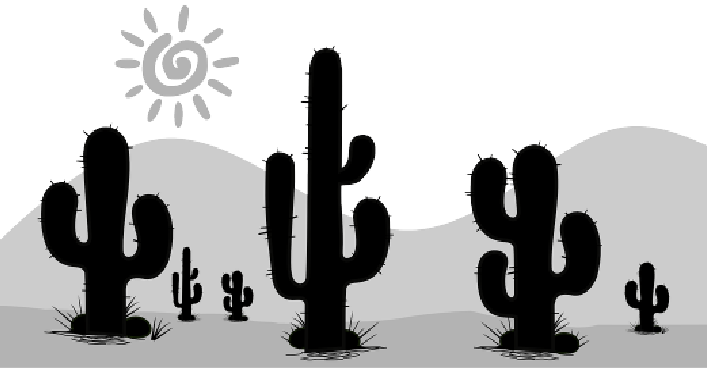
Natural Selection is driven by a change in the environment and survival of the
Smartest
Fastest
Most well adapted
Biggest
Evolution
Natural Selection
Extinction
Artifical Selection
The inherited traits of a population.
The acquired traits of a population.
Hair color and eye color
Attractive features.
Because they are more likely to survive and reproduce.
Because they come from dominant alleles.
Because they come from recessive alleles.
Because the trait is an acquired phenotype.
Mutations are a change in what?
DNA
phenotype
genotype
What word describes a trait that helps an organism survive in its environment?
natural selection
mutation
camouflage
adaptation
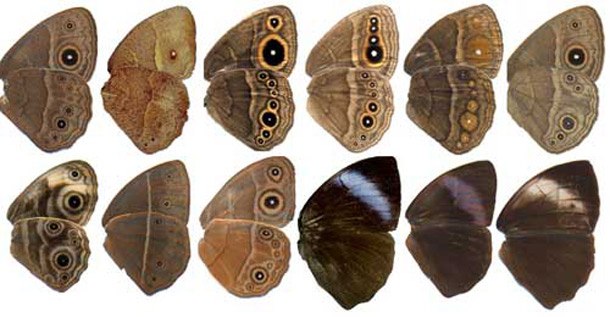
Natural Selection
Variation
Homeostasis
Extinction
Which IS NOT used as evidence for evolution?
Fossils
Natural Selection
Early Development/Embryos
Body Structure/Anatomy
DNA/Proteins
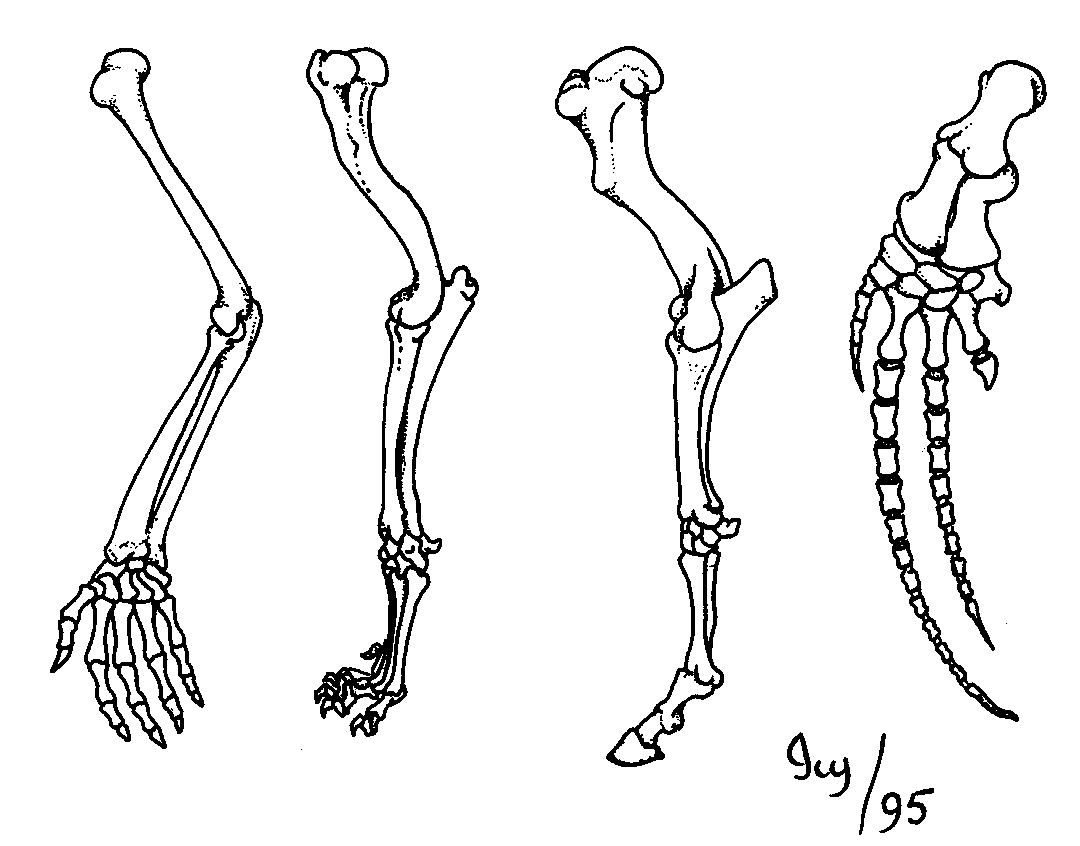
vestigial structures
homologous structures
adaptive radiation
fossil

natural selection
embryology
speciation
evolution
species change over time
extinct species are not related to living species
different species can interbreed
animals that look alike are most closely related

vestigial structures
analogous structures
homologous structures
fossil structures
They are reptiles
One organism evolved from the other.
The organisms have a common ancestor
Their feathers
Genotypes
Their beaks
Their body sizes

Which of the following can be determined by observing the embryos shown in the diagram
The organisms share a common ancestry.
The organisms belong to the same genus.
The organisms are native to the same geographic areas.
The organisms will grow into anatomically similar adults.
Fossils show how the sizes of certain animals has changed drastically over millions of years
Fossils show that some species have gone extinct
Fossils show how life forms present today are different than those from the past
Different sedimentary rock layers provide evidence for how the environment has changed over time
Which of the following is the best scientific evidence that mammals evolved from reptiles?
A. Similarities in the diets of extinct reptiles and modern mammals
B. Similarities in the average lifespans of modern reptiles and modern mammals
C. Fossils of ancient reptiles and mammals that appear together in the same layers of rock
D. Fossils that show gradual changes in skull shape from reptile-like organisms to mammal-like organisms

very similar DNA sequence
exactly the same DNA sequences
no proteins in common
completely different DNA sequence
Sperm whales have vestigial hip bones, and a small percentage of sperm whales also have vestigial hind limbs. Which of the following statements best explains the presence of these vestigial structures in sperm whales?
A. Sperm whales evolved from ancestors that walked on land.
B. Sperm whales are in the process of evolving into land mammals.
C. These structures are acquired by each individual sperm whale during its lifetime.
D. These structures resulted from sperm whales having a long period of embryonic development.
Penguins are powerful swimmers. Scientists have concluded that penguins evolved adaptations for powerful swimming early in their evolutionary history.Which of the following pieces of evidence did scientists most likely use to make this conclusion?
A. DNA sequences of different penguin species
B. Maps of the global distribution of penguin species
C. Fossils showing the shape of ancient penguins’ wings and feathers
D. X-rays of the bone structure in modern penguins’ wings
Fossils show how the sizes of certain animals has changed drastically over millions of years
Fossils show that some species have gone extinct
Fossils show how life forms present today are different than those from the past
Different sedimentary rock layers provide evidence for how the environment has changed over time
Recently, scientists have been able to use ___________to find common proteins and amino acids to determine how closely related species are.
DNA
Vestigial structures
Fossils
Homologous structures
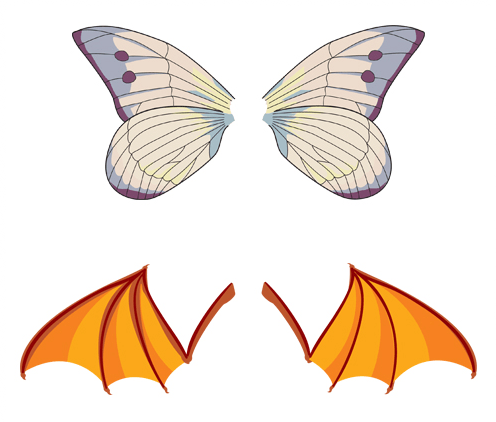
What is this an example of?
Homologous structure
Analogous structure
Vestigial organs
Functional adaption
Some lizards have an adaptation that allows their tails to break off with minimal damage to bones, nerves, blood vessels, and muscles. This type of lizard can then regrow the missing portion of the tail.Which of the following statements best explains why this adaptation is selected for in lizard populations?
A. Lizards with this adaptation are better at climbing trees.
B. Lizards with this adaptation are more likely to escape from predators.
C. Lizards with this adaptation can use their tails as lures to attract more food.
D. Lizards with this adaptation can camouflage themselves more easily in vegetation.
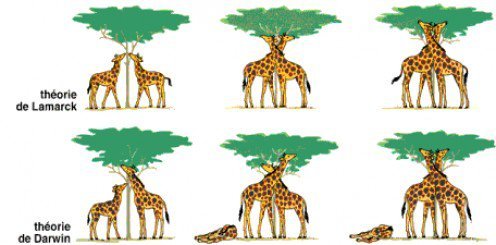
they would survive
They would thrive
They would become extinct
They will find another source of food
many animals have homologous structures due to common ancestry
Many animals have vestigial structures from an ancestor
We can observe changes in life forms by observing the fossil record
All of these are evidence for evolution
p + q = 1. If p represents the dominant allele frequency, what would q represent?
the homozygous dominant genotype frequency
the recessive allele frequency
the total amount of alleles in the population
a measure of fitness in the population
In the Hardy-Weinberg Equation, p is the frequency of what? (a)
In the Hardy-Weinberg Equation, q is the frequency of what?
The recessive allele
the dominant allele
the recessive genotype
the dominant genotype
The recessive allele
the dominant allele
the recessive genotype
the dominant genotype
p + q always equals 1. Which answer choice best explains this?
1 individual could have a dominant or a recessive allele.
The population is in Hardy-Weinberg equilibrium. The 1 indicates that the population has not evolved.
In terms of frequency, 1 is the highest possible number you can have.
In terms of frequency, 1 is the same as 100%. All alleles in a population added up give you 100% of the alleles.
0.7 + q = 1 What's the missing value?
(a)
The allele frequency of p=.20 What is the percentage of Heterozygous Dominant genotype?
.80
.04
.32
.64
The allele frequency of p=.20 What is q?
.80
.04
.32
.64
A population's recessive allele frequency 25%. What is the percentage of the Homozygous Dominant genotype?
.5625
.3750
.0625
.25
.5
64% of the population has the recessive phenotype. What is the percentage of the recessive genotype?
.04
.32
.64
.2
.8
A population's recessive allele frequency 25%. What is the percentage of the Heterozygous genotype?
.5625
.3750
.0625
.25
.5
64% of the population has the recessive phenotype. What is the percentage of the heterogeneous genotype?
.04
.32
.64
.2
.8
If 98 out of 200 individuals in a population express the recessive phenotype, what percent of the population would you predict to be heterozygous?
70%
30%
42%
49%
In a population of humans, the frequency of no dimples is 0.36. If having no dimples is the recessive phenotype, what is the frequency of the recessive allele?
0.6
0.36
0.64
0.18
The allele frequency of p=.20 What is the percentage of Heterozygous Dominant genotype?
.80
.04
.32
.64
The allele frequency of p=.20 What is the percentage of recessive genotype?
.80
.04
.32
.64
The allele frequency of p=.20 What is q?
.80
.04
.32
.64
If a population experiences no migration, is very large, has no mutations, has random mating, and there is no selection, which of the following would you predict?
The population will evolve, but much more slowly than normal
The makeup of the population's gene pool will remain virtually the same as long as these conditions hold.
The composition of the population's gene pool will change slowly in a predictable manner.
Dominant alleles in the population's gene pool will slowly increase in frequency while recessive alleles will decrease.
The population probably has an equal frequency of A and a alleles.
The frequency of two alleles in a gene pool is 0.19 (A) and 0.81 (a). Assume the population is in Hardy-Weinberg equilibrium. What is the percent of heterozygous individuals in the population?
31%
4%
66%
15%
In a population that is in Hardy-Weinberg equilibrium, the frequency of the recessive homozygote genotype of a certain trait is 0.09. Calculate the % of individuals homozygous for the dominant allele.
49%
30%
70%
9%
The gene pool for a population of 10 individuals contains 4 recessive alleles and 16 dominant alleles (20 alleles total). What is the value for p (dominant allele frequency)?
(a)
In a gene pool for a population of 30 individuals, there are 40 recessive alleles and 20 dominant alleles. What is the value for q? (round to hundredths place)
(a)

Which values can be plugged into the equation? p + q = 1
0.6 and 0.16
0.6 and 0.4
0.4 and 0.16
0.48 and 0.36

p2 + 2pq + q2 = 1 Which numeric value should be plugged in for 2pq?
(a)
0.7 + q = 1 What's the missing value?
(a)
0.49 + 2pq + 0.09 =1 Find the value for 2pq.
(a)
If 0.49 + 0.42 + 0.09 = 1 (p2 + 2pq + q2 = 1), what is the value for p?
0.09
0.07
0.7
0.9
p2 + 2pq + 0.81 = 1 Find the missing values (p2 and 2pq)
Genetic fitness means that an organism's ability to do what is high?
lift weights really well
reproduce effectively
attract other members of their species
survive environmental disasters
Microevolution happens in
species
individuals
populations
households
Genetic drift is more likely to happen in...
aquatic populations
small populations
terrestrial populations
older populations
Genetic drift is change in the allele frequency of a population due to...
random chance
natural selection
non-random mating (sexual selection)
artificial selection
the Hardy-Weinberg principle
the founder effect
directional selection
the bottleneck effect
Which of the following is an example of the founder effect?
Humans choose two dogs they like the characteristics of and breed them together.
Affected individuals with blue skin can trace their ancestry back to one of the first settlers in the region.
The environment of a fox population changes and over time foxes who are white survive and pass on their genes to their offspring.
Cheetah populations reach their lowest levels with reduced diversity and as they rebound are so genetically similar they appear to be inbred.
Bald Eagles are hunted until near extinction, population recovers.
Small group of iguanas floats to an island, starts a new population.
Red fox pups are more likely to survive in a snowy environment if they are born white.
Farmer chooses seeds from largest apples to plant next year. This results in larger apples from year to year.
This occurs when a large population is drastically reduced by an event such as a natural disaster; the population's new gene pool only contains alleles from the survivors
Founder effect
Bottleneck effect
Meteor effect
Natural selection
A drastic reduction in the size of a population that can change allele frequencies is called
the bottleneck effect
the founder effect
the gene flow effect
the Thanos effect
Which of the following is an example of the bottleneck effect?
Cheetah populations reach their lowest levels with reduced diversity and as they rebound are so genetically similar they appear to be inbred.
Affected individuals with blue skin can trace their ancestry back to one of the first settlers in the region.
The environment of a fox population changes and over time foxes who are white survive and pass on their genes to their offspring.
Humans choose two dogs they like the characteristics of and breed them together.
Mountains and now breeds on the Santa Rita Mountains with another established population.
Gene Flow
Genetic Drift
A forest fire ignites in the Sam Houston State Forest and kills many members of a population of pigmy rattlesnakes.
Gene Flow
Genetic Drift
Select the best answer based on the image.
Gene Flow
Genetic Drift
Select the best answer based on the image.
Gene Flow
Genetic Drift
The _________________ _________________ occurs when there is a reduction in population due to natural disasters, over hunting or disease.
founder effect
gene flow
bottleneck effect
genetic drift
Genetic drift occurs most quickly in -
small populations.
populations with large genetic variation.
populations with small genetic variation.
large populations.
What is gene flow?
The addition or removal of alleles in a population due to individuals entering or leaving one population for another
A change in allele frequencies when a new population arises from only a few individuals
A reduction in population caused by natural disasters, disease, hunting, etc.
A change in the gene pool due to chance
Which of the following could not be a possible cause of the bottleneck effect?
Overhunting of northern elephant seals
A forest fire that destroys most of a population of deer
A crop that is destroyed by blight
A small group of fish that are added to a pond
Genetic drift is change in the allele frequency of a population due to...
random chance
natural selection
artificial selection
In Addition To Natural Selection, Two Other Mechanisms cause Changes to Alleles in a population
Genetic variation
Gene Flow
Genetic Drift
Point mutation
Founder effect: Each new population has a distinct gene pool from the original population resulting in changes in allele frequency which reduces ____
Genetic variation
Genetic valuation
Genetic drift
Genetic Decorum

