wayground logo

Free Printable Worksheets

Font size

S
M
L
XL
Worksheets

7th Science Grade Final

Total questions: 151

Worksheet time: 2hrs 10mins

Name
Class
Date
1.
The layer of receptor cells that lines the back of the eye where nerve impulses begin.
a)
Iris
b)
Lens
c)
Retina
d)
Pupil
2.

Regulates the amount of light entering the eye and gives the eye its color.

a)

Iris

b)

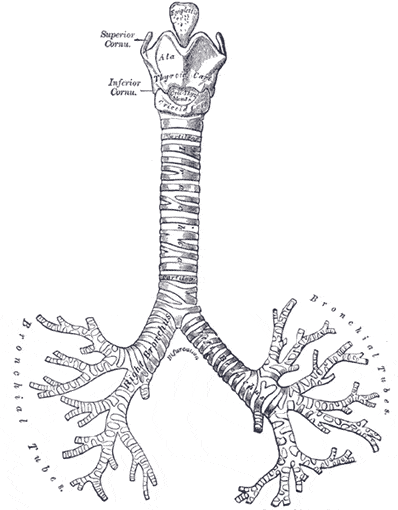
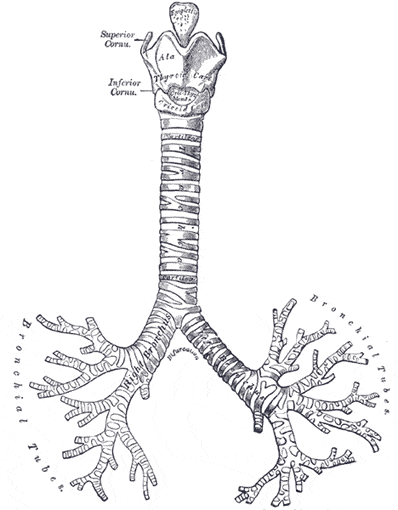
Lens

c)

Pupil

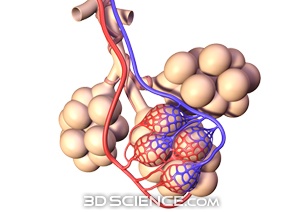
d)

Retina

3.
Pupil
a)
Focuses light
b)
Clear tissue that covers the front of the eye
c)
Opening through which light enters the eye
d)
Layer of receptor cells
4.
The clear tissue that covers the front of the eye.
a)
Lens
b)
Pupil
c)
Iris
d)
Cornea
5.
Lens
a)
Clear tissue that covers the eye
b)
Opening of the eye
c)
Focuses the light
d)
Regulates amount of light
6.
True
a)
Cone cells detect light and dark
b)
Rods focus light
c)
Cones detect color
d)
Rods detect color
7.
The eyeball is too long
a)
Nearsightedness
b)
Farsightedness
c)
Both answers
d)
Neither answer
8.
Can not see things far away without corrective lenses.
a)
Retina damaged
b)
Pupil damaged
c)
Farsightedness
d)
Nearsightedness
9.
What is letter B
a)
Optic nerve
b)
Lens
c)
Cornea
d)
Retina
10.
What is letter C
a)
Vitreous humor
b)
Lens
c)
Optic nerve
d)
Cornea
11.
What is letter E?
a)
Vitreous humor
b)
Retina
c)
Cornea
d)
Optic nerve
12.
What is letter F?
a)
Retina
b)
Pupil
c)
Vitreous humor
d)
Iris
13.
What is letter G?
a)
Sclera
b)
Retina
c)
Lens
d)
Vitreous humor
14.
What is letter H?
a)
Cornea
b)
Optic nerve
c)
Iris
d)
Retina
15.
What is letter I?
a)
Cornea
b)
Lens
c)
Vitreous humor
d)
Optic nerve
16.
Identify the joint action being performed.
a)
Extension
b)
Flexion
c)
Abduction
d)
Adduction
17.
Which of the following is a fixed or fibrous joint?
a)
Hip
b)
Vertebrae
c)
Skull
d)
Ribs
18.
What are the three types of joints in the human body?
a)
hinge, ball and socket, opposable thumb
b)
movement, protection, support
c)
hinge, ball and socket, gliding
d)
gliding joint, opposable thumb, articulate
19.
What is a joint?
a)
a place where two muscles come together
b)
a place where a bone and a muscle come together
c)
a place where two bones come together
20.
The hinge joint moves...
a)
in two directions
b)
up and down; forward and back
c)
forward and back; all around
d)
in one direction
21.
The gliding joint moves...
a)
with two bones siding past each other
b)
in two directions
c)
up and down; forward and back
d)
up and down; all around
22.
What hinge joint do you use when you throw a ball?
a)
knee
b)
shoulder
c)
elbow
d)
toes
23.
What ball and socket joint do you use when you throw a ball?
a)
shoulders
b)
hips
c)
elbow
d)
wrist
24.
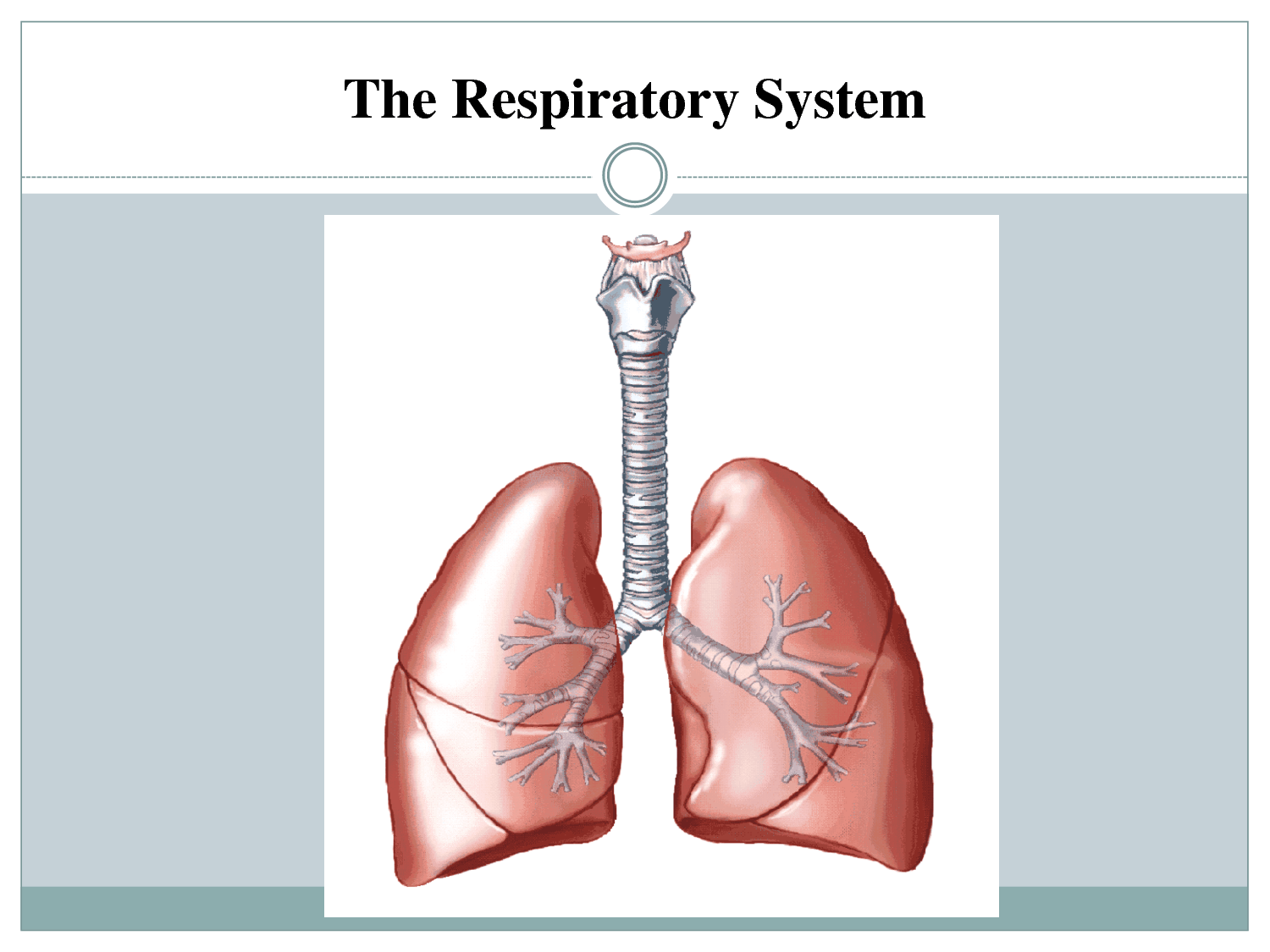
What is the main function of the respiratory system?
a)
to provide oxygen and remove carbon dioxide from the body
b)
to bring oxygen to the body
c)
to break down food and absorb nutrients
d)
to remove oxygen from the body and deliver carbon dioxide
25.
EXHALE!!!
My lungs are __________________ air. 
a)
taking in
b)
letting out
26.
Inhale!!!!
Your lungs are ___________  air
a)
taking in
b)
letting out
27.
What are the main organs of gas exchange in the respiratory system?
a)
diapragm
b)
lungs
c)
trachea
d)
bronchi
28.
When you breathe, your lungs take in ___ and remove ___. 
a)
air/oxygen
b)
oxygen/carbon dioxide 
c)
carbon dioxide/waste 
d)
waste/air 
29.
What is the function of the bronchi?
a)
Transport air from nose to lungs
b)
Transport air from trachea to lungs
c)
Transport air from lungs to alveoli
d)
Transport air from alveoli to blood
30.
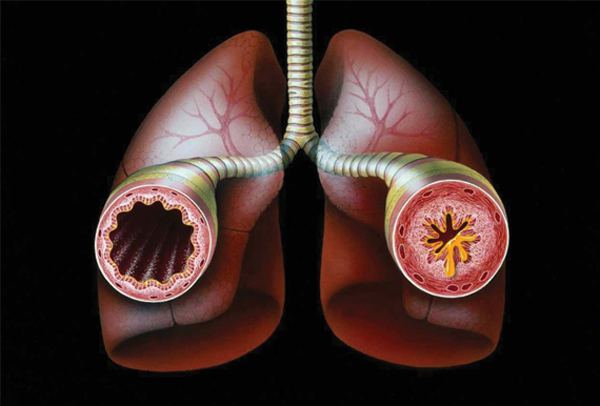
A disorder of the lungs called ____ causes the bronchi to become restricted (get smaller) so air can't get to the lungs.
a)
asthma 
b)
cold
c)
influenza 
d)
bronchitis 
31.
The two main branches from the trachea (one to each lung)
a)
bronchi
b)
alveoli
c)
capillaries
d)
bronchioles
32.
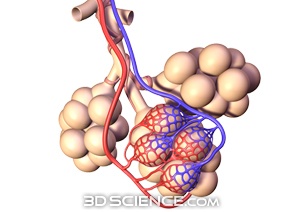
The air sacs that are covered with capillaries where gas exchange takes place
a)
bronchi
b)
lungs
c)
oxygen
d)
alveoli
33.
Within the lungs, the exchange of oxygen and carbon dioxide occurs between the ___ and the capillaries. 
a)
trachea 
b)
bronchi 
c)
alveoli
d)
diaphragm
34.
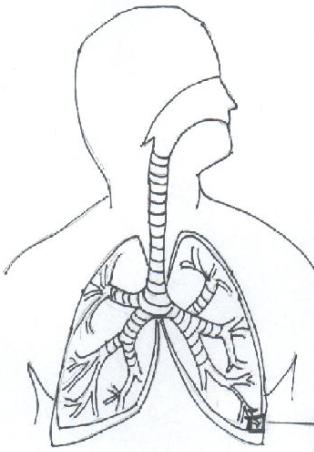
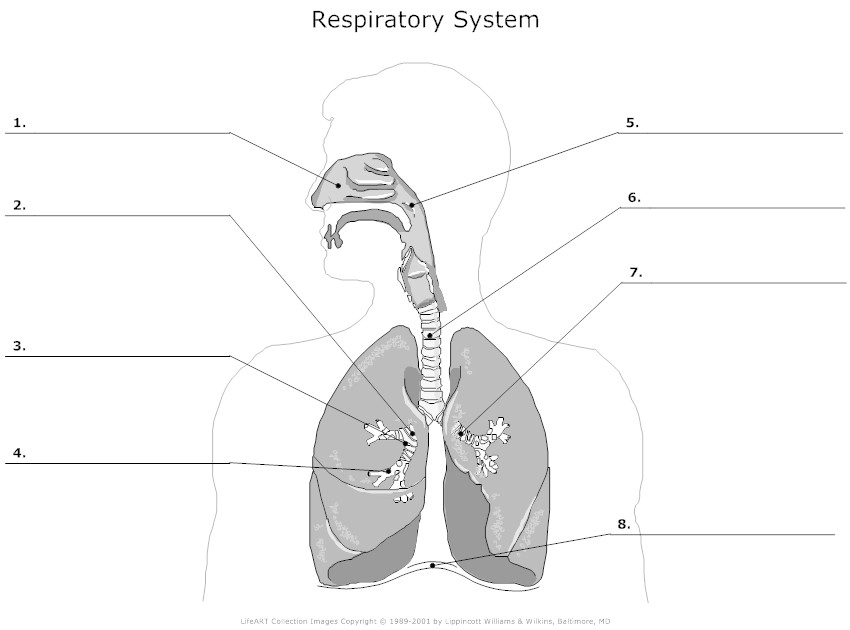
Name the organ label # 6. 
a)
alveoli 
b)
bronchi 
c)
trachea 
d)
lungs 
35.
What is tube that is also known as your wind pipe?
a)
esophogus
b)
bronchi
c)
trachea
d)
alveoli
36.
The passageway that is shared by both the digestive and respiratory system is the....
a)
larynx
b)
pharynx
c)
trachea
d)
nose
37.
Flap of skin that covers the opening to the windpipe during swallowing
a)
Stomach
b)
Trachea
c)
Pancreas
d)
Epiglottis
38.
The Pharynx is the muscle that moves the lungs
a)
True
b)
False
39.
a)
Cerebrum
b)
Cerebellum
c)
Brain Stem
d)
Diencephalon
40.
a)
Thalamus
b)
Frontal lobe
c)
Pons
d)
Hipocampus
41.

Your eyes have separate receptors to detect color from white light

a)

True

b)

False

42.

Mark dropped a ruler and Tim caught it with his eyes closed. This experiment tested Tim's reaction time to:

a)

Sight

b)

Sound

c)

Taste

d)

Smell

43.
The sense of smell detects ________________ stimuli.
a)
chemical
b)
thermal
c)
mechanical
d)
electromagnetic
44.
The sense of taste detects ________________ stimuli.
a)
chemical
b)
mechanical
c)
electromagnetic
d)
thermal
45.
The sense of hearing detects ________________ stimuli.
a)
electromagnetic
b)
thermal
c)
mechanical
d)
chemical
46.
The sense of touch detects ________________ stimuli.
a)
electromagnetic
b)
chemical
c)
mechanical
d)
pH
47.
The sense of sight detects ________________ stimuli.
a)
electromagnetic
b)
chemical
c)
mechanical
d)
temperature
48.

What part of the brain controls your breathing, digestion, and heart rate?

a)

temporal lobe

b)

brain stem

c)

parietal lobe

d)

spinal cord

49.

What part of the brain controls your movement and balance?

a)

temporal lobe

b)

occipital lobe

c)

parietal lobe

d)

cerebellum

e)

frontal Lobe

50.
The largest part of the brain, the cerebrum has two hemispheres (or halves). The cerebrum controls voluntary movement, speech, intelligence, memory, emotion, and sensory processing.
a)
Cerebrum 
b)
Medulla
c)
 Spinal Cord
51.
The ________ regulates functions like thirst, appetite, and sleep patterns. It also regulates the release of hormones from the pituitary gland
a)
thalamus
b)
hypothalamus
c)
pituatary gland
52.
a)
Frontal Lobe
b)
Brain Stem
c)
Cerebellum
d)
Occipital Lobe
53.
a)
Cerebellum
b)
Brain Stem
c)
Occipital Lobe
d)
Temporal Lobe
54.
a)
Hypothalamus
b)
Cerebellum
c)
Hippocampus
d)
Thalamus
55.
a)
Thalamus
b)
Pineal Gland
c)
Thalamus
d)
Hippocampus
56.
Which one is NOT a type of muscle tissue?
a)
Skeletal 
b)
Smooth 
c)
Rough 
d)
Cardiac 
57.
Select a type of muscle that is "striated".
a)
Skeletal 
b)
Smooth 
c)
Cardiac 
d)
They're all striated 
58.
What type of muscle is shown in the picture?
a)
Smooth 
b)
Cardiac 
c)
Skeletal 
d)
All of them 
59.
Which of the following types of muscle is voluntary?
a)
Smooth 
b)
Cardiac 
c)
Skeletal 
60.
The shortening of muscle fibers is called a(n) __________.
a)
Extension 
b)
Contraction 
c)
Flexion 
61.
The heart is a type of _______ muscle.
a)
Smooth 
b)
Cardiac
c)
Skeletal 
62.
The hamstring in your leg is a type of _________ muscle.
a)
Smooth 
b)
Cardiac
c)
Skeletal 
d)
It contains all of them 
63.

What does a smooth muscle do

a)

help you move jaw

b)

Help move billy bob joy

c)

move organs like the perstalisis

d)

voluntary

64.
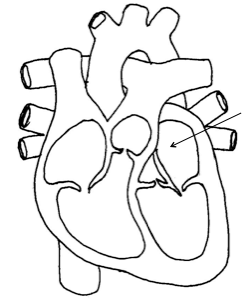
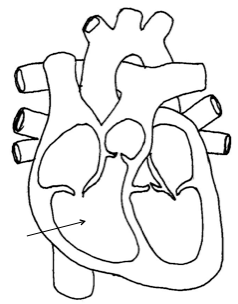
Name this part.
a)
Superior vena cava
b)
Right ventricle
c)
Inferior vena cava
d)
Pulmonary vein
65.
Name this part.
a)
Pulmonary veins
b)
Left atrium
c)
Aorta
d)
Pulmonary artery
66.
Name this part.
a)
Right atrium
b)
Left ventricle
c)
Right ventricle
d)
Left atrium
67.
Name this part.
a)
Left ventricle
b)
Pulmonary artery
c)
Right atrium
d)
Pulmonary veins
68.
Name this part.
a)
Superior vena cava
b)
Right ventricle
c)
Right atrium
d)
Inferior vena cava
69.
Name this part.
a)
Superior vena cava
b)
Right ventricle
c)
Right atrium
d)
Inferior vena cava
70.
Name this part.
a)
Right ventricle
b)
Pulmonary artery
c)
Left ventricle
d)
Right atrium
71.
Which side of the heart pumps oxygen-rich blood to the rest of the body?
a)
Right
b)
Left
72.
Which side of the heart pumps blood into the lungs?
a)
Right
b)
Left
73.
______ carry blood to the heart.
a)
Arteries
b)
Veins
c)
Capillaries
d)
Vena Cava
74.
Pulmonary circulation involves blood flow to and from the heart and the _______.
a)
body
b)
digestive organs
c)
brain
d)
lungs
75.
Which valve(s) prevents backflow from of blood into the ventricles?
a)
Semilunar Valves
b)
Cardiac Valve
c)
Mitral Valve
d)
Tricuspid Valve
76.
What is #3?
a)
Superior Vena Cava
b)
Right Pulmonary Vein
c)
Right Ventricle
d)
Right Atrium
77.
Oxygen-poor blood flows into what atrium? 
a)
Left
b)
Bottom
c)
Right
d)
Top
78.
Which is thicker:  left or right ventricle?
a)
left 
b)
right
79.
Male organ in which semen and urine leave the body
a)
Vagina
b)
Penis
c)
Testes
d)
Prostate Gland
80.
The liquid that carries sperm.
a)
Sperm
b)
Erection
c)
Semen
d)
Egg Cell
81.
For a pregnancy to happen, a sperm cell must unite with an egg cell. What is this process called?
a)
fertilization
b)
menstruation
c)
ovulaiton
d)
reproduction
82.
An egg cell leaves the _______________ and goes into the fallopian tube.
a)
Testicle
b)
Ovary
c)
Uterus
d)
Scrotum
83.
Where a baby grows and develops for approximately 9 months.
a)
Stomach
b)
Bladder
c)
Vagina
d)
Uterus
84.
birth canal
a)
scrotum
b)
semen
c)
vagina
d)
ejaculation 
85.

The female's egg cells are stored in the ___________.

a)

Ovary

b)

Fallopian Tube

c)

Uterine Tube

d)

Uterus

86.
Where does fertilization usually take place?
a)
ovary
b)
fallopian tube
c)
cervix
d)
vagina
87.
Which organ produces sperm cells?
a)
testes
b)
epididymis
c)
ovary
d)
prostate gland
88.
The male sex cells
a)
glans
b)
sperm
c)
penis
d)
urethra
89.

What hormone(s) is responsible for the development of the secondary sex characteristics in females, and plays a role in menstruation and pregnancy?

a)

estrogen

b)

progesterone

c)

FSH & LH

d)

FSH only

90.
2. What are the female sex cells called?
a)
Eggs
b)
Sperm
c)
Fallopian
d)
Uterus
91.
What covers your body from the top of your head to the sole of your feet?
a)
eyes
b)
nose
c)
skin
d)
ears
92.
What keeps your hair and skin soft and moist?
a)
oil glands
b)
dermis
c)
sweat glands
d)
nerve endings
93.
What is the outer layer of the skin?
a)
dermis
b)
epidermis
c)
oil glands
d)
sweat glands
94.
What does the dermis contain?
a)
blood vessels,nerves, sweat glands and oil glands
b)
dead skin cells
c)
water
d)
sweat
95.
What part of the skin send messages to the brain?
a)
dermis
b)
epidermis
c)
nerves
d)
sweat glands
96.
Neurons are the name of cells in nervous system.
a)
True
b)
False
97.
extensions of a neuron through which impulses are sent away from the cell body to other neurons, glands or muscles
a)
nerve fibers
b)
efferent nerves
c)
axon, axon terminal
d)
reflex
98.
also known as motor nerves...
a)
dendrites
b)
afferent nerves
c)
bones
d)
efferent nerves
99.
a reflex is...
a)
a sneeze
b)
a automatic response
c)
late reaction
d)
stomach pains
100.
neurons have a nucleus.
a)
true
b)
false
101.
dendrites are like...
a)
Popsicle sticks 
b)
shoe laces
c)
a ahir brush
d)
tree branches
102.
what are the 2 types of nerves?
a)
sensory nerves and motor nerves
b)
sensory nerves and circular nerves
c)
motor nerves and circular nerves
d)
circular nerves and octular nervs
103.
The nervous system is composed of the ___, ___, and ___.
a)
heart, brain, kidneys
b)
lungs, liver, stomach
c)
brain, spinal cord, nerves
d)
eyes, pancreas, veins
104.
The brain is part of the _____ nervous system.
a)
central
b)
peripheral
c)
autonomic
d)
subconcious
105.
The largest and most complex nerve tissue of the body is the :
a)
spinal cord 
b)
neurons 
c)
brain
d)
axon
106.
The junction between 2 neurons is called the
a)
dendrite
b)
axon
c)
node of Ranvier
d)
synapse
107.
An automatic subconscious response to a stimulus is called a 
a)
potassium pump
b)
all or none response
c)
rapid fire response
d)
reflex
108.
Which is the correct sequence in the transmission of a neural impulse?
a)
axon, dendrite, cell body, synapse
b)
dendrite, axon, cell body, synapse
c)
synapse, axon, dendrite, cell body
d)
dendrite, cell body, axon, synapse
109.
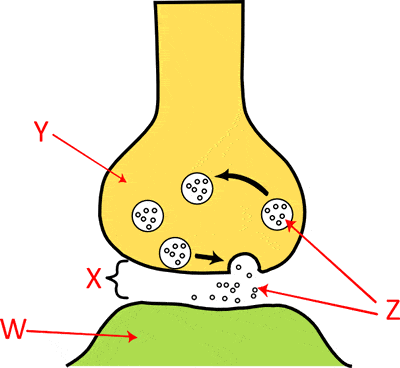
W
a)
Axon Terminal Button
b)
Neurotransmitters
c)
Dendrite
d)
Synapse
110.
_____ neurons carry messages to the central nervous system
a)
Motor
b)
Inter
c)
Sensory
d)
Fun
111.
______ send signals away from neurons whereas ______ receive signals from other neurons.  
a)
Axons; Dendrites
b)
Synapses; dendrites
c)
Dendrites; axons
d)
Axons; synapses
112.
thin sheet of the bone, like wrapping paper
a)
Compact Bone
b)
Spongy Bone
c)
Periosteum
d)
Bone Marrow
113.
smooth part of the bone that is hard
a)
Compact bone
b)
Spongy bone
c)
Periosteum
d)
Bone Marrow
114.
Looks like a sponge, very hard
a)
Compact Bone
b)
Spongy Bone
c)
Periosteum
d)
Bone Marrow
115.
innermost layer of the bone that makes blood cells 
a)
Compact Bone
b)
Spongy Bone
c)
Periosteum
d)
Bone Marrow
116.
Food is broken down to supply energy for your body in the ____________
a)
digestive system
b)
endocrine system
c)
excretory system
d)
reproductive system
117.
What is an important part of the digestive system?
a)
Heart
b)
Lungs
c)
Stomach
d)
Kidneys
118.
What comes first?
a)
Mouth
b)
stomach
c)
large intestine
d)
none
119.
What does the mouth do?
a)
Break down the food to make it easier to swallow
b)
Slows down jaws
c)
Nothing
d)
Neither
120.
Why is the esophagus/food pipe important?
a)
To swallow food
b)
To choke
c)
To make your breath smelly
d)
None of these
121.
What does the stomach do?
a)
Nothing
b)
Adds digestive juices to the food
c)
Goes out to the rectum
d)
Barley any of these
122.
What happens when the food goes to the small intestine?
a)
nutrients gets into the blood
b)
the food keeps on going
c)
nothing
123.
WHAT IS AFTER THE SMALL INTESTINE?
a)
Large intestine
b)
nothing
124.
The organ in orange represents the:
a)
Liver
b)
Lung
c)
Stomach
d)
Pancreas
125.
Breaking food down with the use of enzymes is known as:
a)
Chemical Digestion
b)
Physical Digestion
126.
The part of the digestive system which is highlighted represents:
a)
Oesophagus
b)
Small intestine
c)
Stomach
d)
Trachea
127.
Form of food when released from the stomach.
a)
Bolus
b)
Chyme
128.
Number 7 in the diagram represents the:
a)
Small intestine
b)
Liver
c)
Large intestine
d)
Gall Bladder
129.
The red organ is
a)
stomach
b)
small intestine
c)
large intestine
d)
liver
130.
The highlighted organ is the
a)
liver
b)
large intestine
c)
small intestine
d)
stomach
131.
This is an image of the
a)
stomach
b)
small intestine
c)
esophagus
d)
large intestine
132.
Peristalsis refers to
a)
one of the digestive organs
b)
the action of the stomach
c)
heart rate increasing
d)
smooth muscles moving food through the digestive system
133.
The purpose of carbohydrates is:
a)
to provide a layer of insulation for protection.
b)
to boost the immune system and fight off infection.
c)
to provide the body with energy.
d)
to help us get a good night's rest.
134.
Which is false of unsaturated fats?
a)
It comes from baked goods, fried foods, and pizza.
b)
it provides us with energy.
c)
It helps to lower cholesterol levels.
d)
it keeps us warm by providing a layer of insulation.
135.
Which of the following statements describes portion control?
a)
Eating what restaurants typically serve us.
b)
Following the serving size on a food label.
c)
Eating only what you like so you don't waste calories.
d)
Choosing one food group for the day and only eating that.
136.
What does saturated fat do?
a)
Help with digestion of food.
b)
Provide quick bursts of energy.
c)
Provides us with essential nutrients.
d)
Raise cholesterol.
137.
Examples of simple carbohydrates include:
a)
Butter, avocado, eggs
b)
Protein foods: meat, nuts, beans
c)
Whole wheat pasta, fruit, oatmeal
d)
Juice, soda, candy
138.
All of the following are true of fiber, except:
a)
it comes from foods that are high in saturated fat.
b)
it aids in digestion.
c)
it benefits heart health.
d)
it comes from dark, leafy greens.
139.
Which nutrient is our body's MAIN source of energy?
a)
Carbohydrates
b)
Fats
c)
Water
d)
Minerals
140.
How does calcium help our body?
a)
Builds muscle
b)
Helps eyesight
c)
Develops red blood cells
d)
Builds strong bones
141.
Which one of these is considered the "good fats" that we get from foods?
a)
Unsaturated Fat
b)
Trans Fat
c)
Saturated 
d)
Carbs
142.
Seafood is a type of protein.
a)
True
b)
False
c)
Maybe
143.
The substances in food that your body needs to grow, have energy, and stay healthy are called?
a)
Nutrients
b)
Proteins
c)
Vitamins
d)
Carbohydrates
144.
Which nutrient is the number one energy source for the body?
a)
Grains
b)
Vegetables
c)
Carbohydrates
d)
Vitamins
145.
Which nutrient helps rebuild and repair muscles?
a)
Dairy
b)
Sodium
c)
Carbohydrates
d)
Protein
146.
Which nutrient insulates the body against the cold and protects internal organs?
a)
Proteins
b)
Fats
c)
Minerals
d)
Nutrients
147.
Which nutrient helps control body functions such as digestion, metabolism, and wound healing?
a)
Vitamins
b)
Minerals
c)
Water
d)
Vegetables
148.
Which nutrient carries nutrients and oxygen throughout the body?
a)
Dairy
b)
Minerals
c)
Protein
d)
Water
149.
Which nutrient contributes to water balance, metabolism, and muscle function?
a)
Protein
b)
Minerals
c)
Water
d)
Vitamins
150.
Salt is also known as....
a)
Sugar
b)
Sodium
c)
Lodium
d)
Rodium
151.
Which of the 6 key nutrients is missing... Carbs, Water, Fats, Minerals, Vitamins
a)
Protein
b)
Grains
c)
Fiber
d)
Vegetables