
 Worksheets
A&P1: Lab Exam 2
Total questions: 90
Worksheet time: 1hrs 3mins
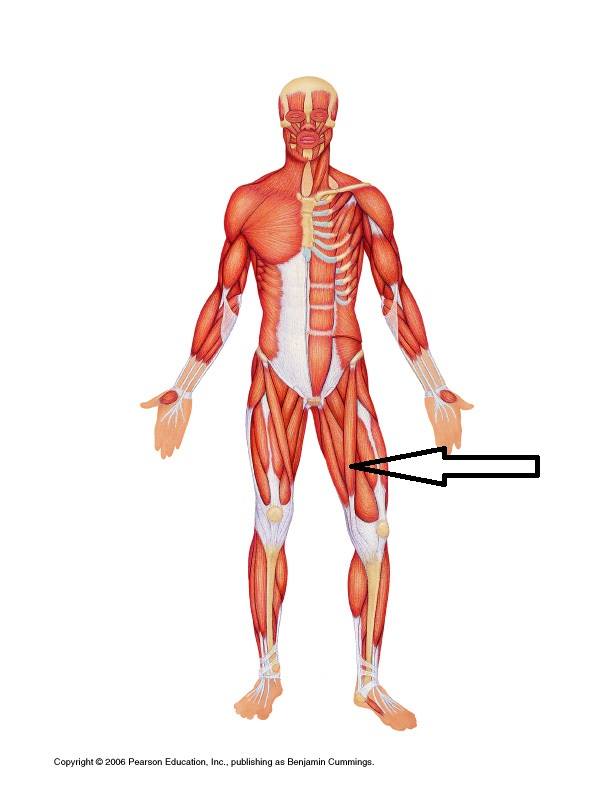
sartorius
tibialis anterior
quadriceps
brachioradialis
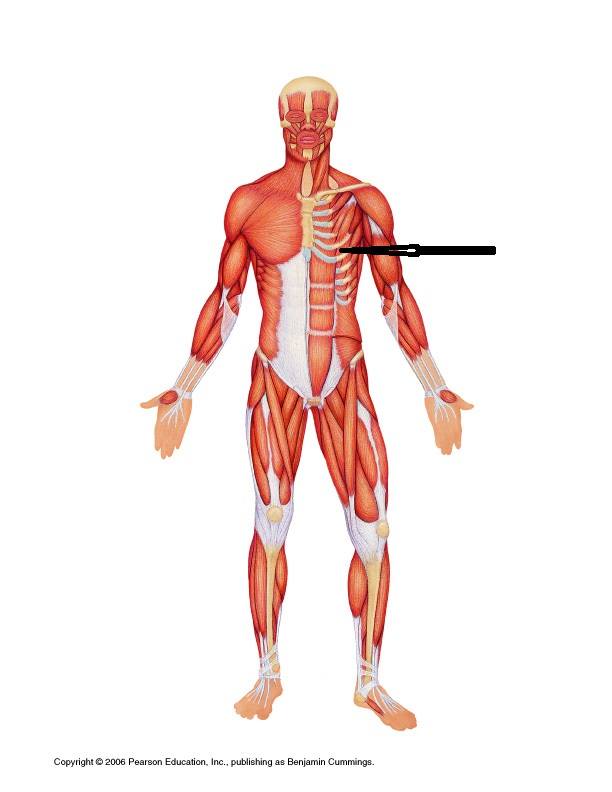
external oblique
tibialis anterior
intercostals
rectus abdominus
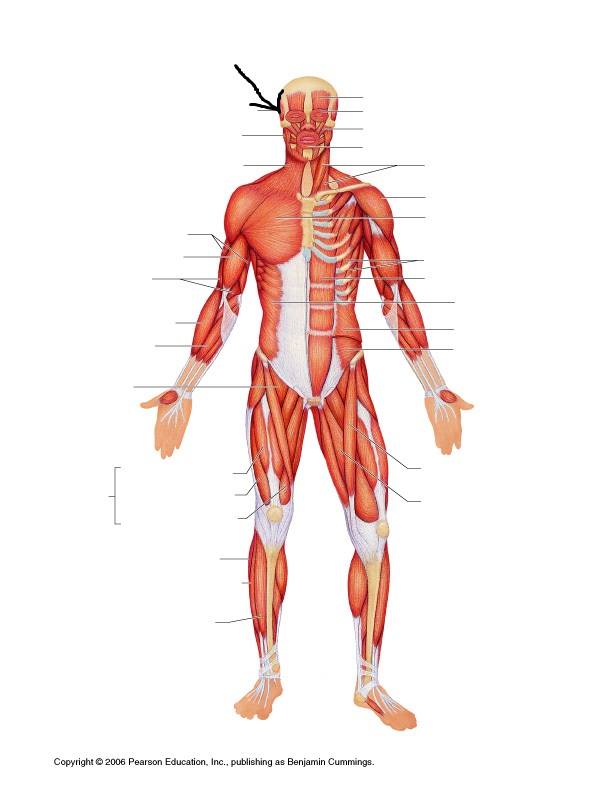
temporalis
frontalis
ocipitalalis
zygomaticus
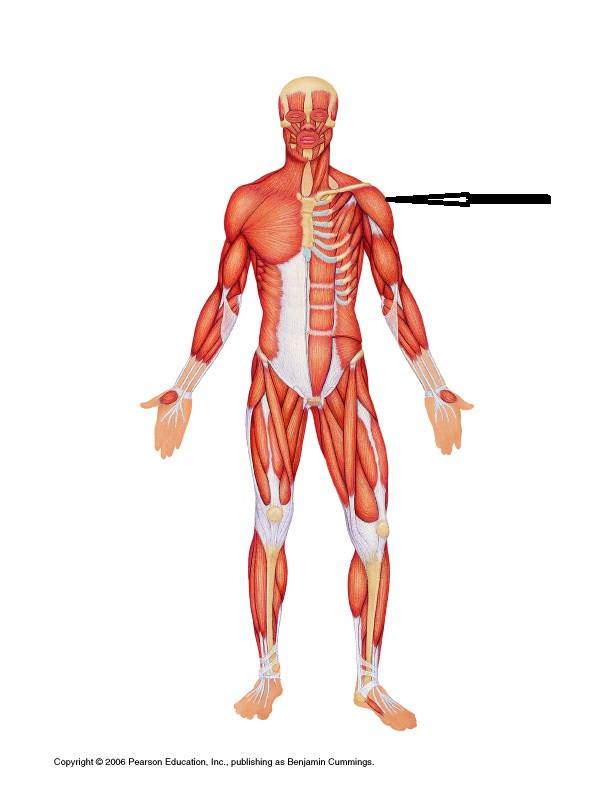
biceps
triceps
brachialis
deltoid
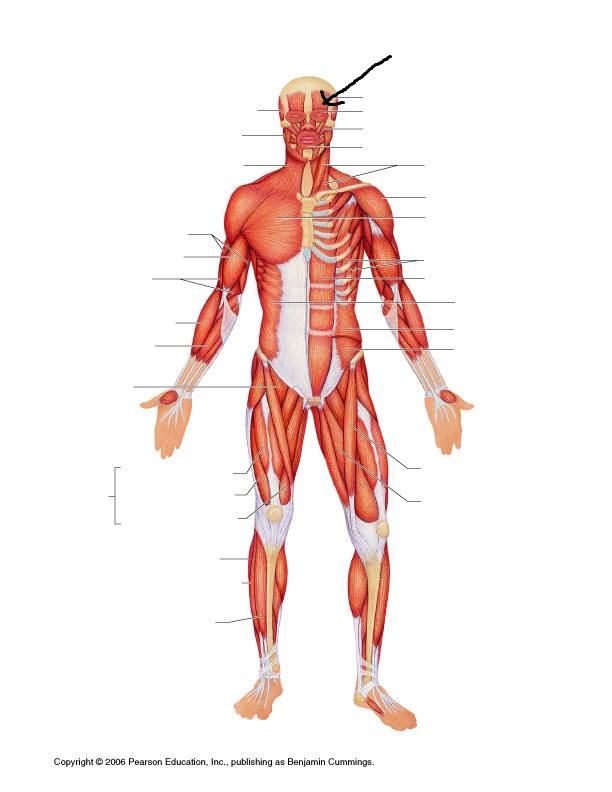
temporalis
frontalis
occipitalis
trapezius
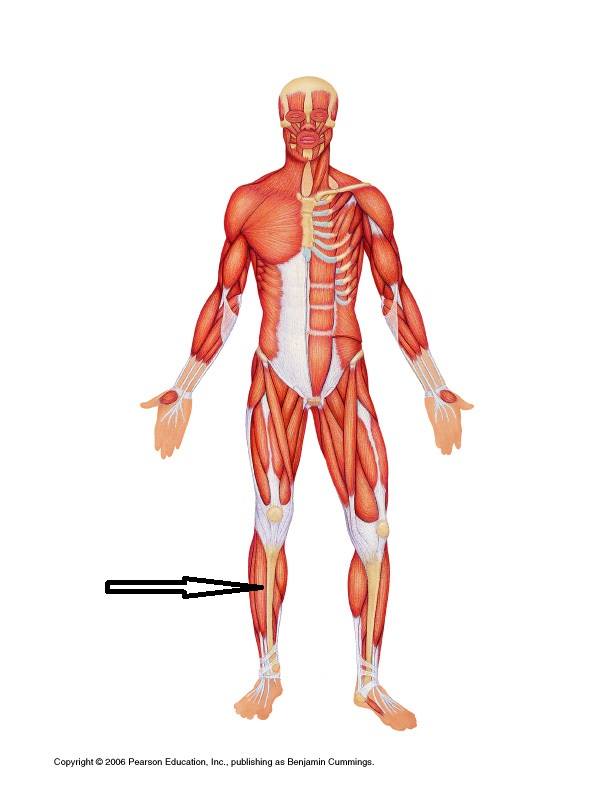
hamstrings
sartorius
tibialis anterior
brachioradialis
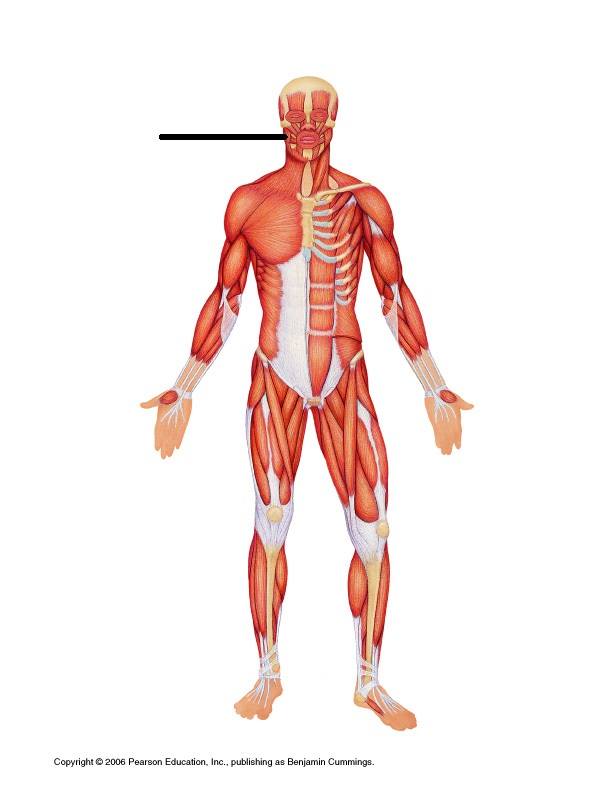
masseter
zygomaticus
orbicularis oculi
sartorius
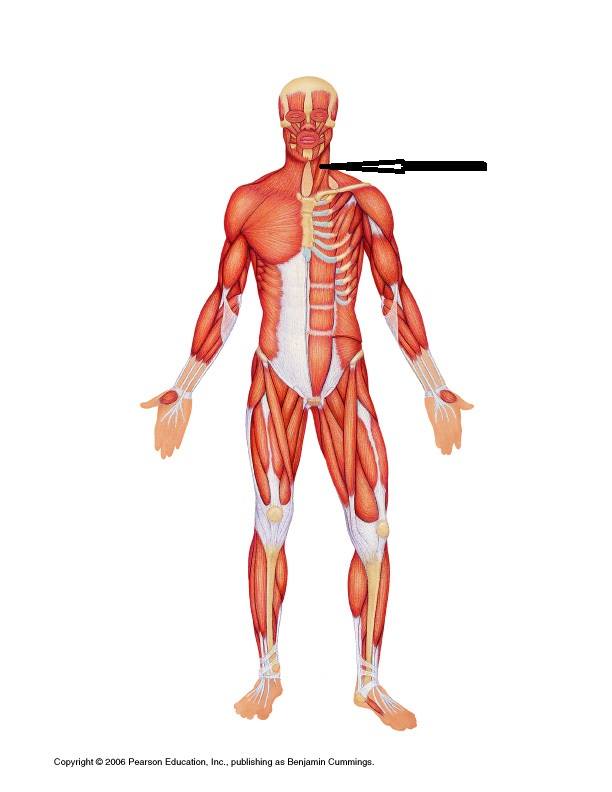
masseter
tibialis anterior
pecotoralis major
sternocleidomastoid
masseter
tibialis anterior
pecotoralis major
sternocleidomastoid
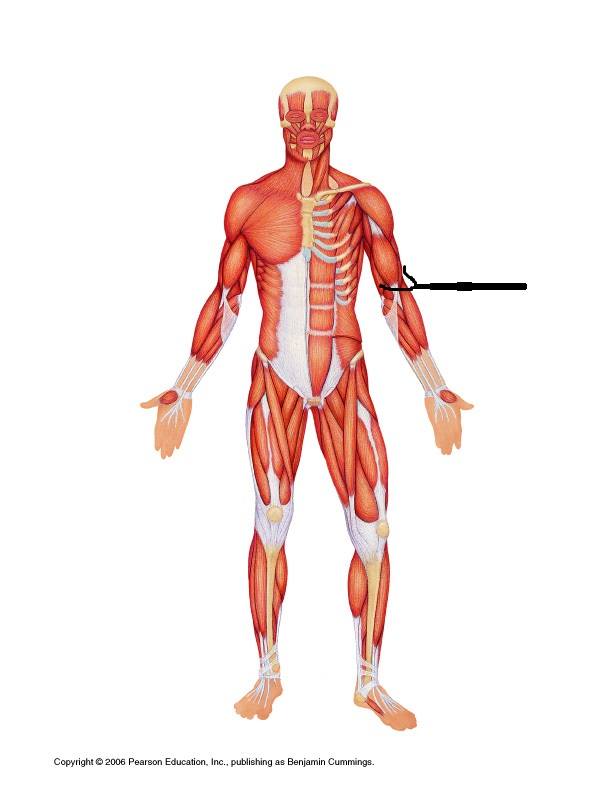
deltoid
brachialis
brachioradialis
biceps brachi
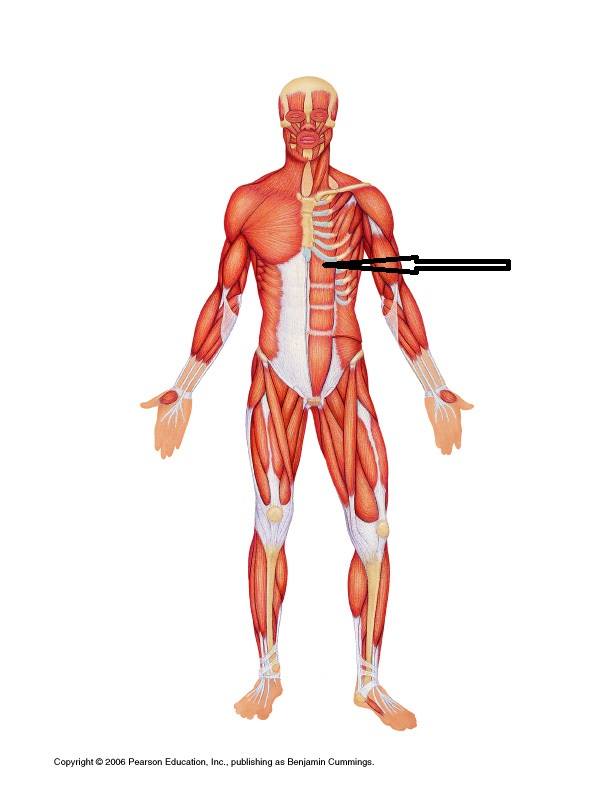
rectus abdominus
intercostal
external oblique
brachioradialis
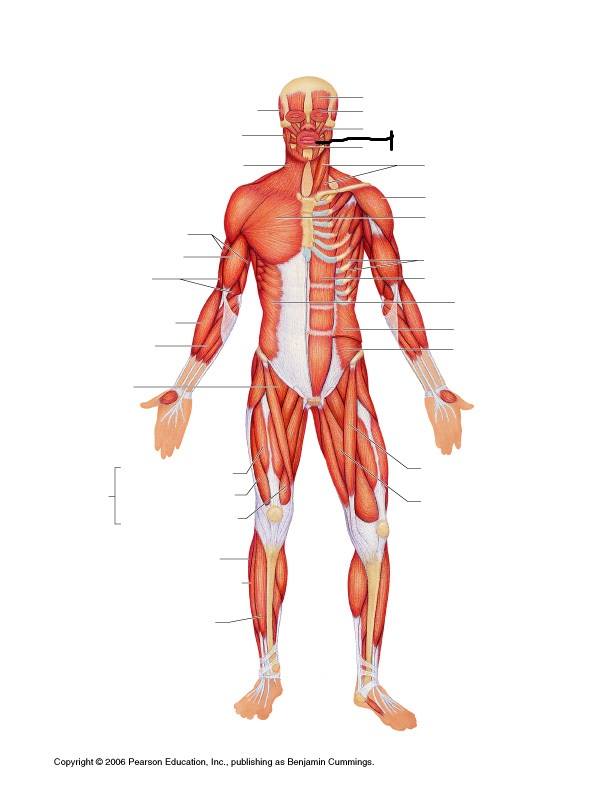
orbicularis oculi
orbicularis oris
masseter
zygomaticus
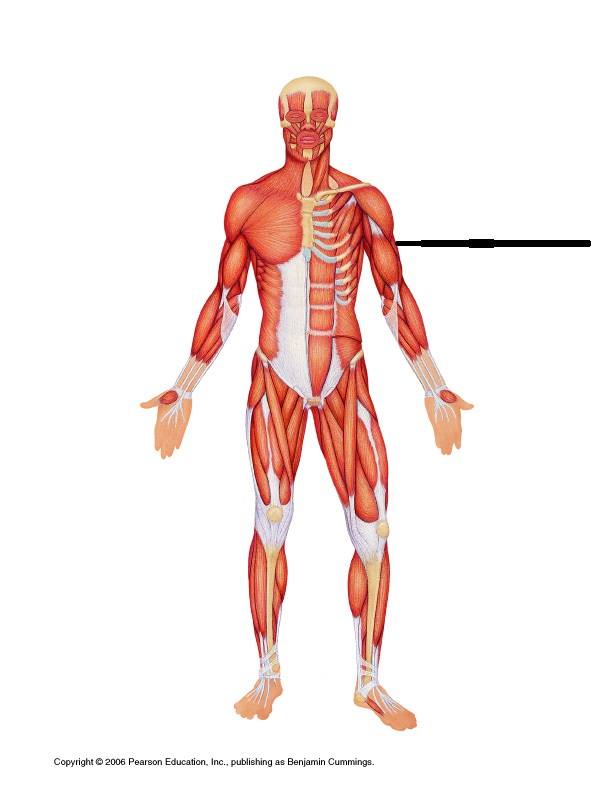
brachialis
biceps brachii
triceps brachii
brachioradialis
Match the following muscle with it's name

frontalis

temporalis

sternocleidomastoid

occipitalis

What muscle is highlighted in red?
(a)

What muscle is highlighted in red?
(a)

What muscle is highlighted in red?
(a)

What muscle is highlighted in red?
(a)

What muscle is highlighted in red?
(a)

What muscle is highlighted in red?
(a)

What muscle is highlighted in red?
(a)

What muscle is highlighted in red?
(a)

What muscle is highlighted in red?
(a)

What muscle is highlighted in red?
(a)

What muscle is highlighted in red?
(a)

What muscle is highlighted in red?
(a)

What muscle is highlighted in red?
(a)

What muscle is highlighted in red?
(a)

What muscle is highlighted in red?
(a)

What muscle is highlighted in red?
(a)

What muscle is highlighted in red?
(a)

What muscle is highlighted in red?
(a)

What muscle is highlighted in red?
(a)

What muscle is highlighted in red?
(a)

What muscle is highlighted in red?
(a)


Contains the medulla oblongata, pons and midbrain.
diencephalon
brain stem
cerebrum
cerebellum
protects the brain
skull
meninges
cerebrum
cerebrospinal fluid
Sensory neurons are also called ____________ neurons
Afferent
Efferent
Motor neurons send information _______
to the brain for processing
away from the brain to muscles

Which part of a neuron RECEIVES a signal?
Dendrites
Axon Terminals

During an action potential, what occurs during 'A' (see graph)?
Sodium rushes into the cell
Potassium rushes out of the cell
The sodium potassium pump carefully resets the original internal and external charges
Failure to reach threshold - no action potential
During an action potential, what occurs during 'B' (see graph)?
Sodium rushes into the cell
Potassium rushes out of the cell
The sodium potassium pump carefully resets the original internal and external charges
Failure to reach threshold - no action potential
During an action potential, what occurs during 'C' (see graph)?
Sodium rushes into the cell
Potassium rushes out of the cell
The sodium potassium pump carefully resets the original internal and external charges
Failure to reach threshold - no action potential
During an action potential, what are sections A, B, and C (in that order) called?
Depolarization, Repolarization, Hyperpolarization
Repolarization, Depolarization, Hyperpolarization
Hyperpolarization, Depolarization, Repolarization

What's significant about -55 mV?
Charge has to make it higher than -55mV in order for the action potential to occur
-55mV determines when potassium (K+) leaves the cell
-55mV determines when the sodium potassium pump begins to reset ions
Connects bone - bone
tendon
ligament
bursa
cartilage
Connects bone - muscle
tendon
ligament
bursa
cartilage
A fluid filled package inside our joints acting as a bouncey pillow for cushion
bursa
ligament
cartilage
articular cartilage
"itis"
ex. bursitis
inflammation
infection
condition of
cancer
fluid that fills the space in between two bones in a joint
synovial fluid
bursa
intercostal fluid
pleura
Cartilage "cushion" in between to joints.
articular cartilage
fibrocartilage
elastic cartilage
hyaline cartilage

normal
A
B
Osteoarthritis
A
B

ball and socket
hinge
plane
pivot

ball and socket
hinge
plane
pivot

ball and socket
hinge
plane
pivot

ball and socket
hinge
plane
pivot

ball and socket
saddle
plane
condylar

thumb
ball and socket
saddle
plane
condylar
Which of the options is NOT a feature of the anatomical position?
Palms facing forward
Arms by sides
Toes pointing forward
Palms facing backward

What plane is represented in the following image?
Coronal/frontal
Sagittal
Transverse/horizontal

What plane is represented in the following image?
Coronal/frontal
Sagittal
Transverse/horizontal
Which of the following terms matches the description: Closer to the bottom
Lateral
Superior
Distal
Inferior


The classification of joints is based on what two things?
Structure and Function
Movement and Muscle
Location and Shape
Structure and Shape

What is number 1?
Lens
cornea
ciliary bodies
retina

What is number 2?
ciliary bodies
iris
suspensory ligaments
lens

What is number 3?
posterior chamber
aqueous chamber
vitreous chamber
anterior chamber

What is number 4?
lens
cornea
pupil
retina

Number 5 is the?
pupil
aqueous humor
lens
suspensory ligaments

Number 6 is the ?
aqueous humor
vitreous humor

What is number 7?
cornea
lens
iris
retina

Number 8 is the?
suspensory ligaments
lens
cornea
ciliary bodies


Which part is #1?
sclera
cornea
retina
lens

