
Font size
 Worksheets
Chapter 5 practice
Total questions: 121
Worksheet time: 3hrs 54mins

Which rock layer in the diagram seems to be the oldest? (a)

According to the law of superposition, the oldest fossils are found (a)


What is the name of a person who studies Fossils? (a)

plant.

Where can the oldest layer be found? (a)

Which layer formed first? (a)

What is the correct order of the rock layers from oldest to youngest? (a)

What is the correct order of the rock layers from oldest to youngest? (a)
Fossils are usually found in (a)

What type of fossil is this? (a)
At the end of Precambrian time, multi-celled organisms started to grow (a)
The Mesozoic Era was known as (a)
According to the law of superposition, the oldest fossils are found (a)

The process by which running water, wind, or ice carry away bits of broken-up rock (a)

A break in the Earth's crust (a)

Look at the diagram, what layer did animal E first show up in? (a)
The Law of Superposition helps scientists to determine what? (a)
The time is take for half of a radioactive isotopes to decay into stable isotopes is called the (a)
The radioactive decay of material can be used to determine the age of fossils. This is called (a)
The remains of living things preserved in Earth's crust. (a)
An outline left in the ground that is quickly covered with sediment. (a)
Some fossils are formed when organisms are trapped in flowing tree sap which hardens to form (a)
A list of Earth's rock layers in order from oldest to youngest (a)
True or false. Even though organisms are going extinct every day, there are new organisms being discovered. (a)
In Earth's history, which are shorter, periods or eras? (a)
What is the name of the era in which we live? (a)
Which era included dinosaurs? (a)
What are Mid-Ocean Ridges? (a)
True or false : Deep-Ocean Trenches are underwater canyons? (a)
What was the name of the supercontinent? (a)
What was Wegener's hypothesis called? (a)
Magma, or molten material, (a) and hardens
The oceanic crust is pushed aside on both sides of the (a)
The process by which the ocean floor sinks beneath a deep-ocean trench back into the mantle is known as...
(a)
Most (a) boundaries happen at mid-ocean ridges.
Plates slide past each other at (a) boundaries.
The San Andreas fault is an example of which kind of boundary? (a)

Who is the scientist who proposed Continental Drift Theory? (a)

What is the theory that states that parts of the Earth's crust slowly drift atop a liquid core. (a)
What do you call the evidence of Wegener's Theory that tells about the remains of an organism that lived long time ago? (a)

What do you call the supercontinent landmass formed million years ago? (a)
Oceanic plates are thinner than continental plates so they slide under in a process called
compression
convection
subduction
convergence
Where plates move apart
convergent boundary
divergent boundary
transform boundary
subduction

New oceanic crust (sea floor) is created at this boundary.
Divergent Oceanic
Divergent Continental
Convergent Oceanic
Transform

The process where oceanic crust slides under another plate and is melted is called ___________.
seafloor spreading
subduction
continental drift
recycling
A divergent boundary in the ocean creates what feature?
Mid Ocean Ridge
Rift Valley
Deep Ocean Trench
Subduction Zone
These are NOT plate boundary features. They are areas where hot mantle plumes push up through the lithospheric plates to create volcanic islands such as Hawaii.
Hotspots
Convergent Boundary
Divergent Boundary
Transform Boundary
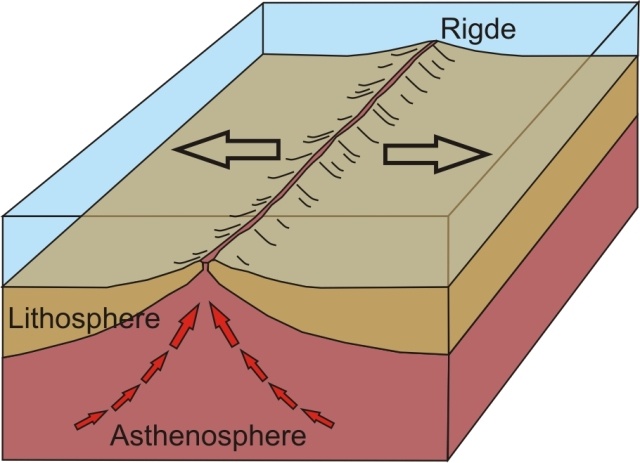


What type of rock is found near mid ocean ridges?
volcanic
igneous
metamorphic
What causes the plates to move?
Which layer is made of the most solid rock? (a)
Which layer is made of solid iron & nickel? (a)
What is the outer core made of? (a)
Which layer has the hottest temperatures? (a)
What kind of crust do we live on? (a)
What happens to temperature as you move down through the layers? (a)

Which physical layer is represented by the yellow layer? (a)

Name this landform (a)

Name this body of water (a)

Name this landform that describes the lowest part of the land (a)


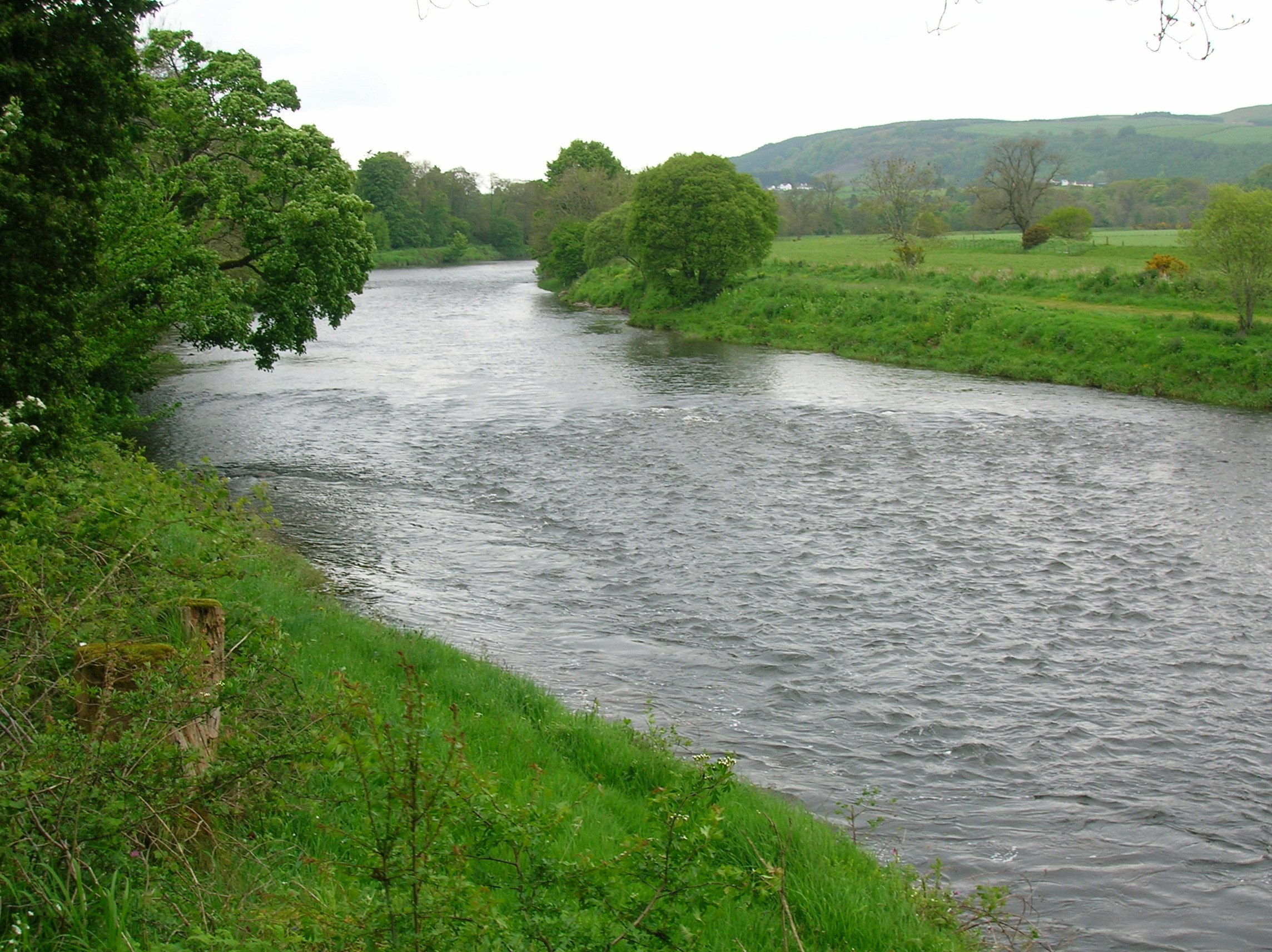

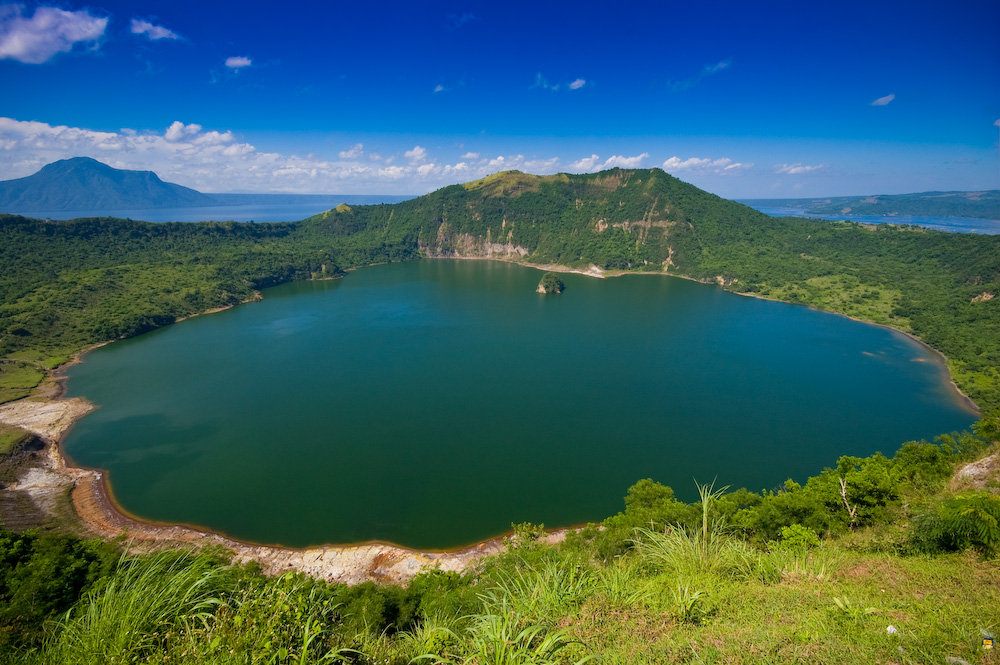
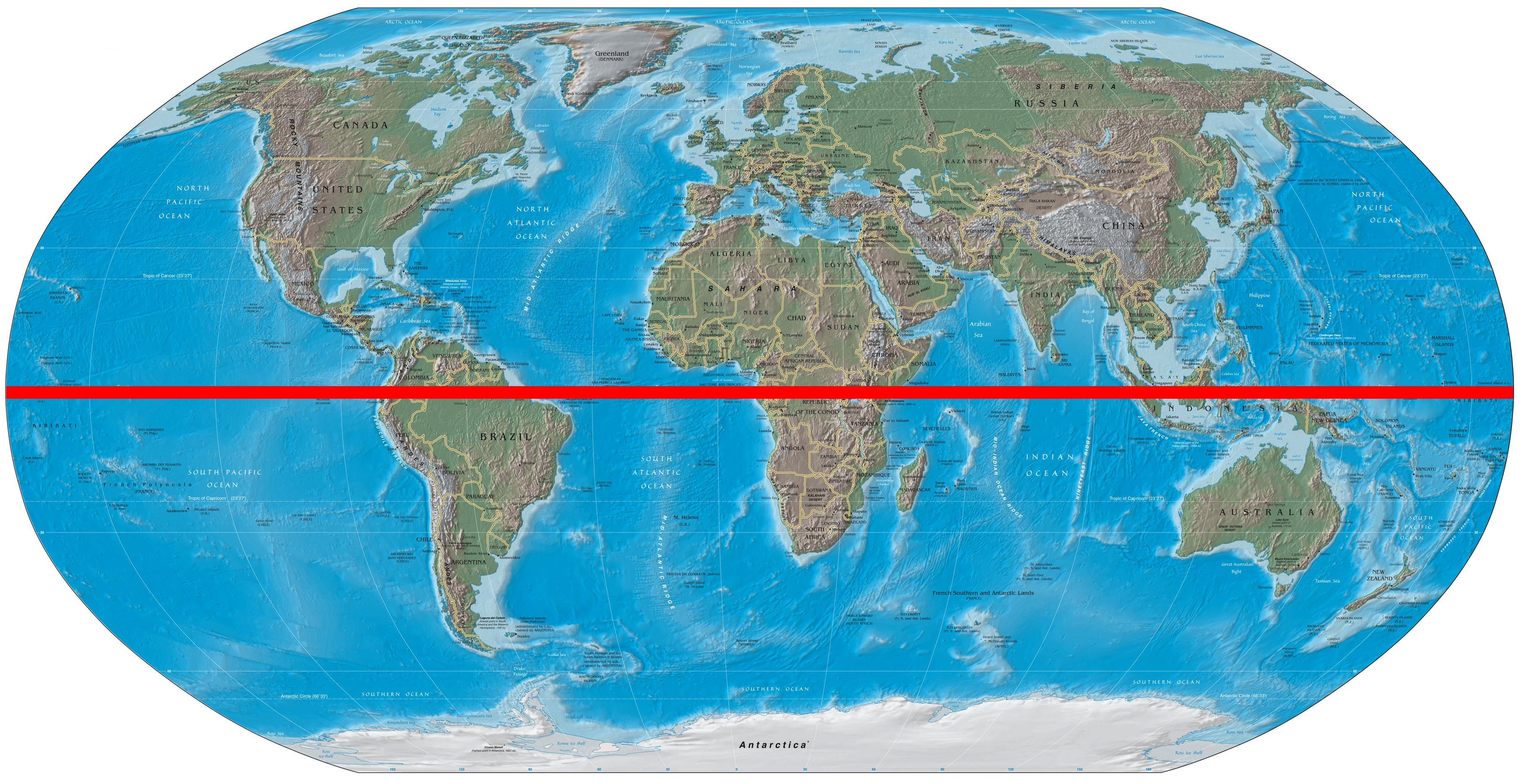
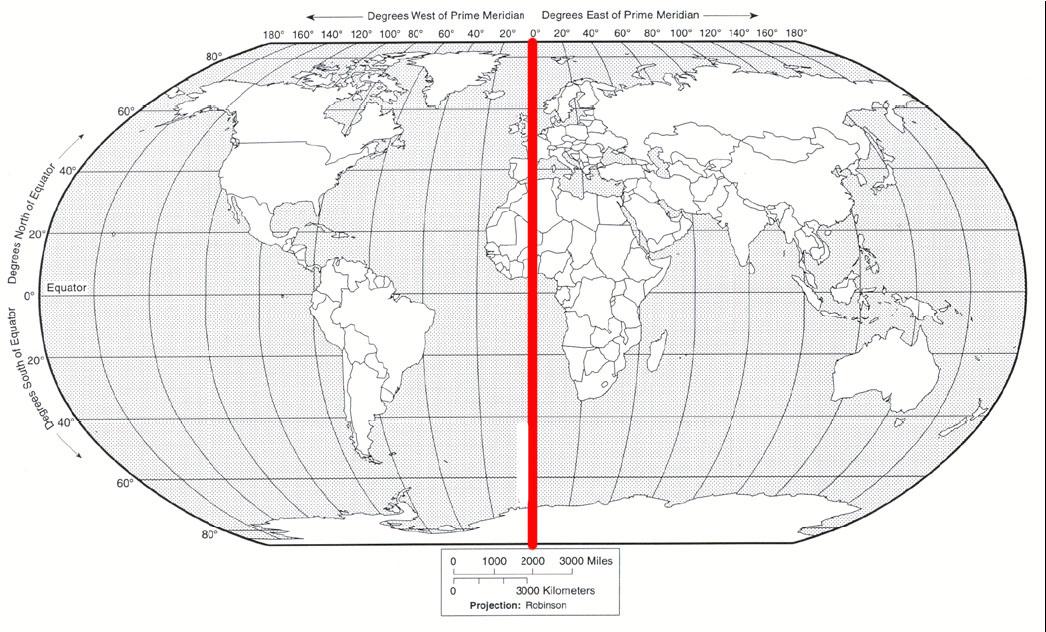
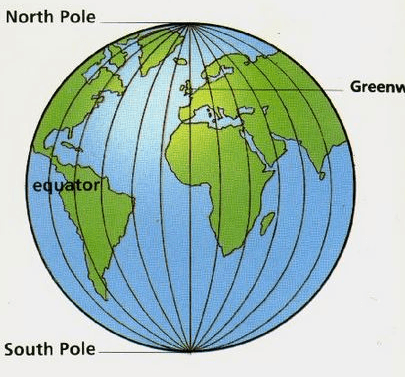
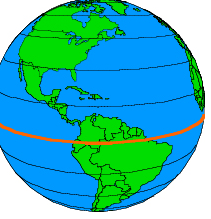


100°W, 48°N

What is the contour interval of this map?
10
20
30
40

If sea level always equals (0), and the contour interval is 10 feet how tall is this mountain?
30 ft
40 ft
50 ft
60 ft

Which side is steeper?
The left side of the hill
The right side of the hill
How can you tell a map shows a steep slope?
The lines are far apart from each other
The lines are close to each other
What is the continental divide?
Rain washing away soil from a hillside (a)
Water getting into cracks, freezing, and breaking the rocks or pavement apart (a)
Wind blowing sand from one location to another (a)
What is the major cause of weathering and erosion? (a)
All of the following are causes of physical weathering except (a)
The process by which small pieces of rocks and soil are carried away to new locations is called (a)
How does freezing water cause the weathering of rocks? The freezing water— (a)

What is an enormous mass of ice moving over land? (a)
unsorted rock material deposited directly by ice as it melts (a)
Melting of an ice sheet would result in a lowering of sea level (a)

Which of the following is NOT one of the layers of soil? (a)



