
Font size
 Worksheets
Biology 2nd Semester Cumulative
Total questions: 144
Worksheet time: 3hrs 41mins
What word describes a trait that helps an organism survive in its environment?
natural selection
mutation
camouflage
adaptation
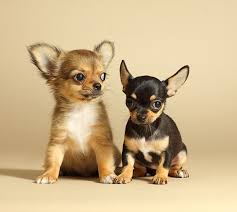
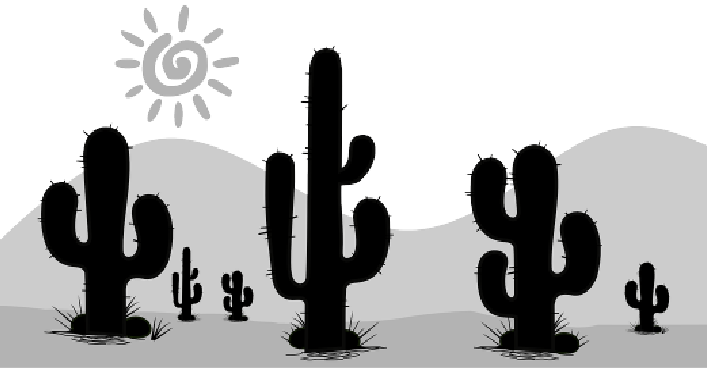
Natural Selection is driven by a change in the environment and survival of the
Earth
Fastest
Fittest
Biggest
Why are advantageous traits more likely to be passed onto offspring?
Because they are more likely to survive and reproduce.
Because they come from dominant alleles.
Because they come from recessive alleles.
Because the organism knew it needed that trait, survives, and passes it on.
Mutations are a change in what?
DNA
tRNA
protein
rRNA
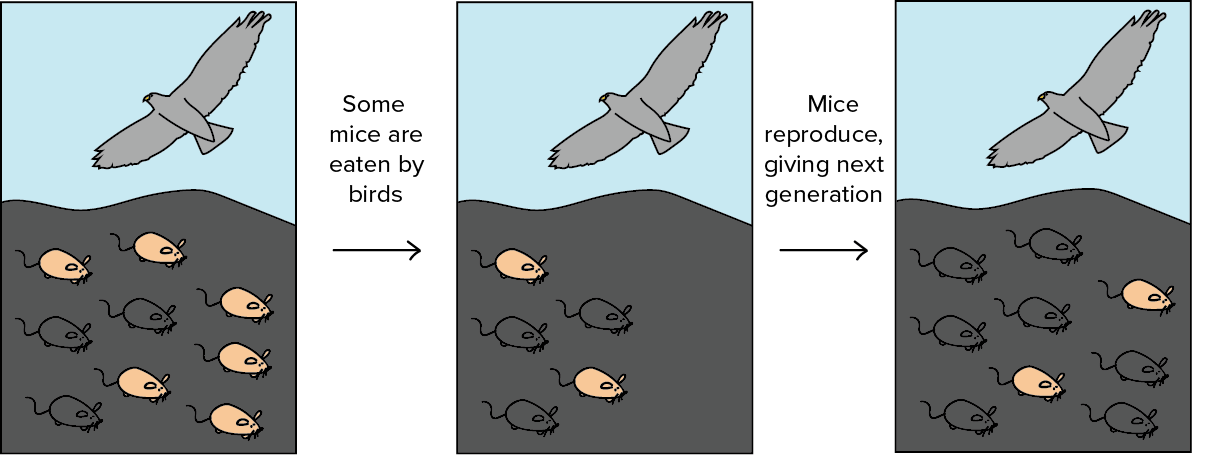
"Organisms that are better adapted to the environment survive to pass traits to their offspring" is the definition of
Natural Selection
Evolution
Selective Breeding
Artificial Selection

Does the presence of homologous structures in genetically different animals suggest common ancestry?
Yes
No

What type of evidence are shown in the picture above?
Fossils
Embryology
Homologous Structures
Vestigial Structures
_________________ show clear changes in an organism over time, the environment organisms lived in, the time period the organism lived in, and where the organism lived.
DNA
Vestigial structures
Fossils
Homologous structures


What type of evidence is shown in the image above?
Fossils
Vestigial structures
Homologous Structures
DNA
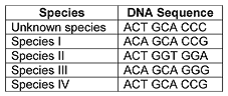
Which IS NOT used as evidence for evolution?
Fossils
Natural Selection
Early Development/Embryos
Body Structure/Anatomy
DNA/Proteins
takes over the cell's functions.

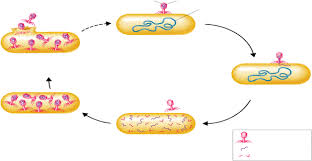
_________ a relationship between two species of a plant, animal, or fungus in which one lives off the other and both organisms benefit
Mutualism
Competition
Commensalism
Symbiosis
________ a certain type of non-mutual relationship found between two different species in which one organism known as the parasite benefits at the expense of the other organism
Mutualism
Parasitism
Carrying Capacity
Commensalism
_______ is a relationship between two species of a plant, animal, or fungus in which one lives with, on, or in the other without damage to either
Symbiosis
Parasitism
Ecosystem
Commensalism
________ indicates the greatest number of any species that can indefinitely exist within a specific habitat without threatening the existence of other species also living in the habitat
Niche
Ecosystem
Carrying Capacity
Symbiosis
________ is a community of living things (including plants, animals, and people), the environment that surrounds them (including soil, water, and air), and how they interact.
Niche
Parasitism
Ecosystem
Competition
________ is a non-native organism whose population grows and dominates native plant or animal populations
Niche
Commensalism
Symbiosis
Invasive Species
________ is the place or role that an organism has in its habitat
Ecosystem
Niche
Competition
Parasitism
(ex: gene from corn placed into a tomato plant)
This is the practice of producing a genetically identical cell or organism
Cloning
Biotechnology
Genetic Engineering
I don't know
The process that has been used for centruries to create purebred animals such as black labs is called
recombinant DNA
cloning
selective breeding
The insertion of a gene of interest into a bacterial DNA loop is called
recombinant DNA
insertion technique
mutation propagation
Homeostasis is maintaining a ___________ internal environment.
reliable
different
constant
heated
What type of digestion takes place in the stomach?
mechanical
chemical
both mechanical and chemical
What carries food from the pharynx to the stomach?
larynx
trachea
esophagus
bronchioles
Where does the process of digestion begin?
mouth
esophagus
stomach
small intestine
What part of the digestive system mechanically and chemically breaks down food?
mouth
stomach
both the mouth and stomach
What chemically breaks down food into smaller molecules?
teeth
muscles of the stomach
enzymes
What does the pancreas do?
produces digestive enzymes to break down proteins and fats
produces sodium bicarbonate to neutralize stomach acid
regulates our blood sugar levels
all answers are correct
Most digestion takes place in this organ. It is really long.
small intestines
large intestines
esophagus
pancreas
What is the correct order of the following processes?
ingestion, digestion, elimination, absorption
digestion, ingestion, absorption, elimination
ingestion, digestion, absorption, elimination
digestion, elimination, ingestion, absorption

produces bile to break up fat particles
pancreas
large intestine
liver

waves of muscle contractions (squeezing)
stomach
small intestine
peristalsis

absorbs water into bloodstream
gall bladder
large intestine
liver

organ that stores bile
gall bladder
large intestine
liver

What is the name of the projection coming off of the large intestine?
Appendix
Cecum
Colon

________ carries blood toward the heart.
Veins
Arteries

________ take blood away from the heart.
veins
arteries

Pulmonary circulation carries blood between the heart and the __________?
Brain
Organs
Lungs
What keeps blood from flowing backwards in the heart?
atrium
valves
artery
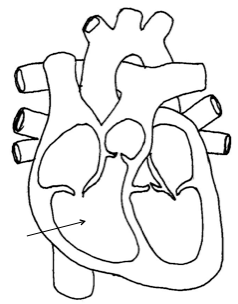
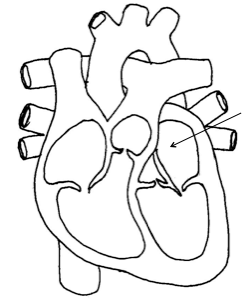


This artery is the only artery in the body to carry deoxygenated blood:
Aorta
Pulmonary Artery
Coronary Arteries
Hepatic Arteries
The largest artery in the body (which takes blood from the left ventricle to the rest of the body) is the:
Aorta
Pulmonary Artery
Carotid Artery
Brachiocephalic Artery
Blood from the Inferior and Superior Vena Cava empties into the:
Right ventricle
Right atrium
Left ventricle
Left atrium
Blood pressure is recorded as
Hydrostatic /diastolic
Diastolic/ hydrostatic
Systolic/diastolic
Diastolic/systolic
Where is systemic blood pressure highest?
Vena Cava
Coronary Arteries
Hepatic Vein
Aorta
Where is systemic blood pressure lowest?
Vena Cava
Aorta
Hepatic Vein
Coronary Arteries
After an initial infection, B-cells recognize the measles virus. How is this helpful in human immune response?
The B-cells use this recognition to defend the body against other pathogens, such as bacteria.
The B-cells more quickly recognize and respond to any other virus that invades the body.
The B-cells produce antibodies more quickly if the measles virus is encountered again.
The B-cells transfer this recognition to T-cells, which will then devour the viruses.
What is the body's first line (non-specific) of defense against infection by foreign organisms?
antibodies
lymph nodes
white blood cells
the skin
White blood cells are an important part of the human immune response. Two types of white blood cells, neutrophils and macrophages, act as phagocytes. Phagocytes perform which of the following functions in the human body?
They produce antibodies.
They bind to antigens and develop into plasma cells
They form a barrier against pathogens.
They engulf and destroy bacteria

In what domain should this organism be classified?
Eukarya
Bacteria
Prokaryote
Protista


The monkey would be a
decomposer
producer
primary consumer
secondary consumer
In an ecosystem, there are populations of deer, rabbits, grass, and pine trees. Suddenly, a fire blazes through the area, which kills all of the populations. As the months go on, new species of grass begin to take root. This attracts animals, and eventually the ecosystem is restored.
What type of ecological succession happened?
Primary succession because it started with rocks.
Primary succession because there was soil to begin with, and plants existed before the disaster.
Secondary succession because it started with rocks.
Secondary succession because there was soil to begin with, and plants existed before the disaster.
In Hawaii, there are volcanoes. Before anything was there, the volcanoes erupted which produced volcanic rock. Lichens were the first species to arrive, and they broke down the rock into soil. Eventually, plants began to grow. Now, the islands are functioning at their climax community.
Is this an example of primary or secondary succession?
Primary succession
Secondary succession

In this photo, two lions are fighting for a resource. What type of competition is this?
Interspecific competition
Intraspecific competition
Machismo
Competitive exclusion principle

What is this picture describing?
It is describing how two organisms cannot occupy the same niche in the same place at the same time through the competitive exclusion principle.
It is illustrating the intercompetitive inclusion principle.
It is describing the amount of time it takes for bacteria to reach exponential growth.
It is illustrating the mutualistic relationship between two organisms when they live in the same niche.

This photo is showing the same ecosystem in 2 scenarios: one with the sea otter and one without the sea otter. In the ecosystem without the sea otter, the ecosystem dynamics are completely changed. What term best describes the sea otter?
Niche
Climax community
Pioneer species
Keystone species
T/F: Biodiversity is a good thing because it provides variety in an ecosystem.
True
False

Many different organisms are competing for the zebra as food. What type of competition is this?
Intraspecific competition
Interspecific competition
the differentiation of niches that enables similar species to coexist in a community
character displacement
climax community
resource partitioning
pioneer species


Yucca flowers are pollinated by yucca moths. The moths lay their eggs in the flowers and the eggs hatch. The larvae eat some of the seeds, and spread them around. Both species are benefited.
mutualism
commensalism
parasitism

A bison walks through the grass, insects fly up and are seen and eaten by egrets. This neither harms nor helps the bison, but it is easier for the egrets to get food.
mutualism
parasitism
commensalism


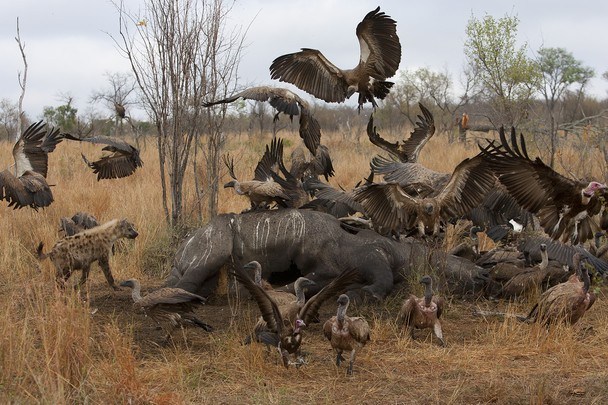
Living, or produced by living things
Biotic factor
Abiotic factor
Organisms
Competition
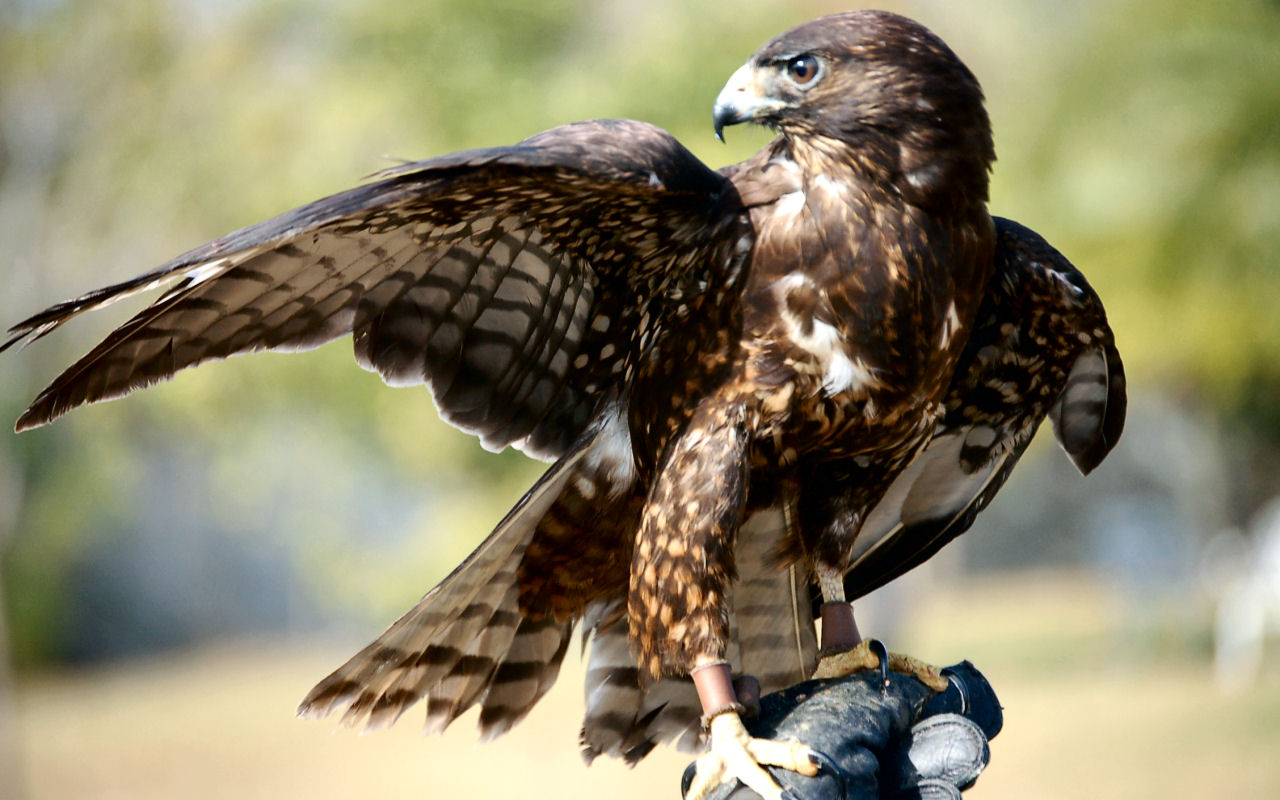
Hawks and brown bears live together in the same habitat. There will be competition between the hawks and the brown bears only if which of the following is true?
Brown bears hibernate during the winter while hawks remain active.
Pesticides in the fish population affect hawks’ eggs and decrease their population.
Both brown bears and hawks feed on the same species of fish.
Both Shanna and Savanna feed on the same species of snakes.
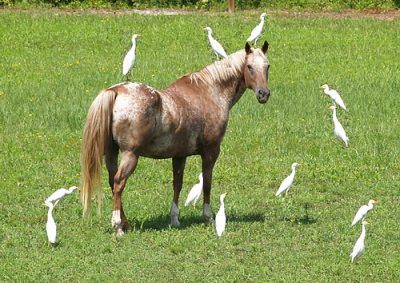
Competition becomes more important as the number of individuals ______ or the availability of resources _________.
increases, decreases
increases, increases
decreases, increases
decreases, decreases
is a group of individual organisms of the same species living in a particular area
ecology
population
community
habitat
Choose the correct levels of Organization from lowest to highest...
population, community, ecosystem, organism
organism, population, community, ecosystem
organism, population, ecosystem, community
A community is a level in organization that is....
made of populations of different species that live in the same place and interact.
a single individual species of organisms that are similar.
all the individual organisms of the same species in the same place.

If the amount of food or resources available increases, the carrying capacity for an animal.....
Stays the same
Increases
Decreases
Fluctuates

What point on the graph represents the carrying capacity?
A
B
C
D

According to the graph, what is causing the deer population to decrease
They got sick
The wolf population is decreasing
The wolf population increased
They ran out of food

Predator population lags behind prey population because......
Increase in predators leads to decrease in prey
Increase in predators leads to increase in prey
Increase in predators leads to decrease in producers
Increase in producers leads to increase in prey
Competition among members of the same species.
intraspecific competition
interspecific competition
Competition between members of different species.
intraspecific competition
interspecific competition
"Organisms that have moved to a location that does not naturally support them."
Invasive species
Destructive species
Unwelcomed species
Infected species
Which of the following contains all abiotic factors?
water, decomposers, soil, humidity
sunlight, rocks, water, temperature
dirt, bacteria, soil, wind
elephants, gorillas, lions, hyenas


Look carefully at the image. If energy is lost as it moves up the food chain, what trophic level has the most amount of energy?
1st level - producers
2nd level - primary consumers
3rd level - secondary consumers
4th level - tertiary consumers
A community of organisms and their abiotic environment.
Environment
Biosphere
Ecosystem
Community
An ecosystem comprising the ENTIRE EARTH and the organisms that inhabit it.
Biosphere
Biome
Abiotic
Ecoregion
a group of organisms that can interbreed with each other
genus
species
family
dominant

Ladybugs are often brightly colored with black spots to warn predators that they do not taste good. What color strategy do ladybugs use?
Camouflage
Disguise
Warning Coloration
Disruptive Coloration
Mimicry

Sand crabs have patterns on their body that help them to blend into their environment. What color strategy do sand crabs use?
Camouflage
Disguise
Warning Coloration
Disruptive Coloration
Mimicry



